You Won’t Believe This Balsamic-Glazed Ribeye: The 15-Minute Steak That Eats Like a $75 Entrée
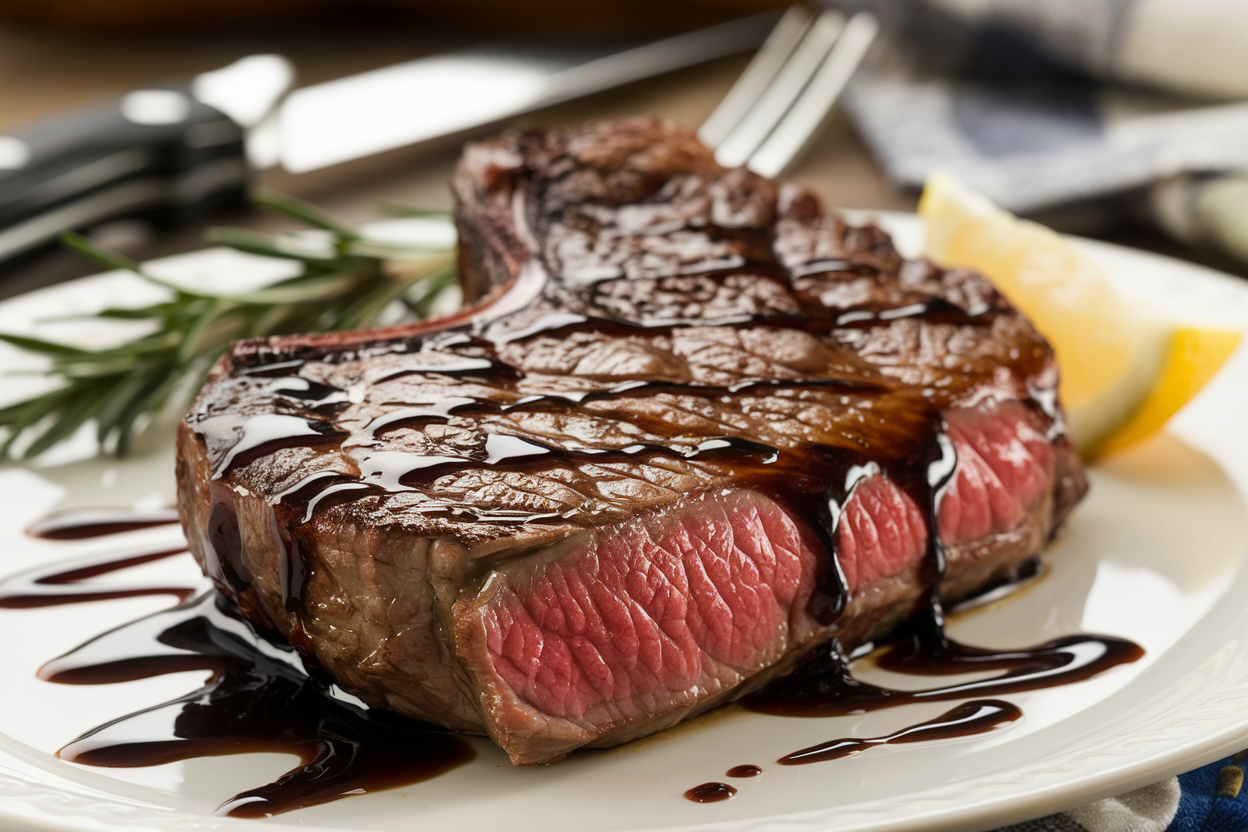
Imagine a steak so glossy it looks like it’s wearing a tux, and so flavorful it doesn’t need a sidekick. That’s this Balsamic-Glazed Ribeye—big flavor, minimal fuss, maximum flex. You’ll sear once, glaze twice, and feel like you just hacked the steakhouse business model.
It’s rich, sweet-savory, and borderline addictive. If your weeknight dinners are boring, this is your plot twist.
The Secret Behind This Recipe
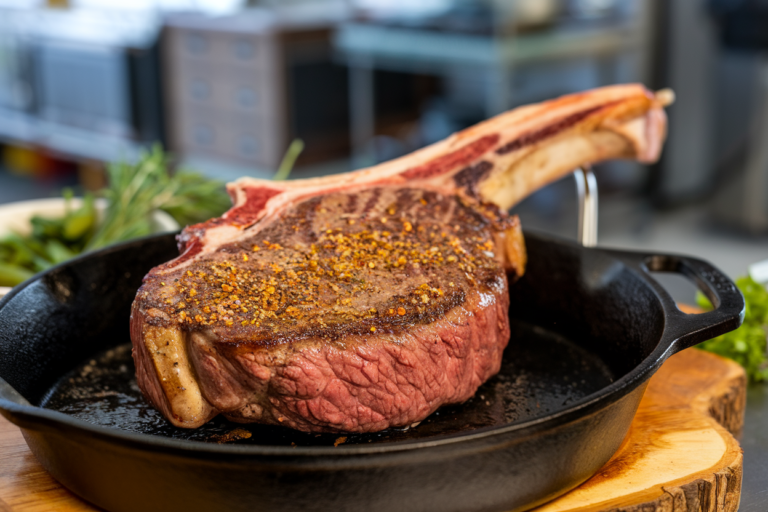
This ribeye wins on two fronts: high heat and reduction. A screaming-hot pan gives you that crust—aka the Maillard magic that makes steak taste like steak.
Then the balsamic glaze reduces in the same pan, picking up caramelized bits and concentrating into a glossy, tangy-sweet lacquer. The result? A steak that hits umami, acid, fat, and just enough sweetness.
It’s not complicated, but it is engineered for flavor.
Ingredients Breakdown
- Ribeye steaks (1–1.5 inches thick, 12–16 oz each): Generous marbling means tenderness and big beef flavor.
- Kosher salt and freshly ground black pepper: The baseline. Salt early for better penetration.
- Neutral high-heat oil (avocado, canola, or grapeseed): Prevents burning during sear.
- Unsalted butter (2 tablespoons): For basting and richness.
- Garlic (3 cloves, lightly smashed): Aromatic backbone.
- Fresh rosemary or thyme (2 sprigs): Herbaceous lift that pairs perfectly with beef.
- Balsamic vinegar (1/3 cup, good quality): The star—reduced to a syrupy glaze.
- Brown sugar or honey (1–2 tablespoons): Helps the balsamic reduce to a shiny, clingy finish.
- Dijon mustard (1 teaspoon): A little heat and emulsification for the glaze.
- Beef stock or water (2 tablespoons): Loosens and balances the glaze.
- Flaky sea salt (for finishing): Pops the flavors at the end.
- Optional: crushed red pepper flakes: A subtle spicy edge, if you like drama.
The Method – Instructions
- Prep the steak: Pat the ribeye dry. Season both sides generously with kosher salt and pepper.
Let it sit at room temp for 30–45 minutes. This helps even cooking and better browning.
- Mix the glaze: In a small bowl, whisk together balsamic vinegar, brown sugar or honey, Dijon, and beef stock or water. Set aside.
- Heat the pan: Place a heavy skillet (cast iron preferred) over high heat until just smoking.
Add a thin film of neutral oil.
- Sear like you mean it: Lay the steak in the pan and don’t touch it for 2–3 minutes. Flip and sear the other side for another 2–3 minutes. You’re building a deep crust.
- Baste with flavor: Drop in butter, smashed garlic, and herbs.
Tilt the pan and spoon foaming butter over the steak for 45–60 seconds.
- Check temp: Aim for 120–125°F for medium-rare (it will rise while resting). Adjust time as needed—thicker steaks need another minute per side.
- Rest the steak: Transfer to a cutting board and tent loosely with foil for 5–8 minutes. Resting = juicy.
- Make the glaze: Pour off excess fat, leaving about a teaspoon plus the browned bits.
Return pan to medium heat, add the balsamic mixture, and stir. Let it bubble and reduce for 2–3 minutes until glossy and slightly thickened. Add a pinch of red pepper flakes if using.
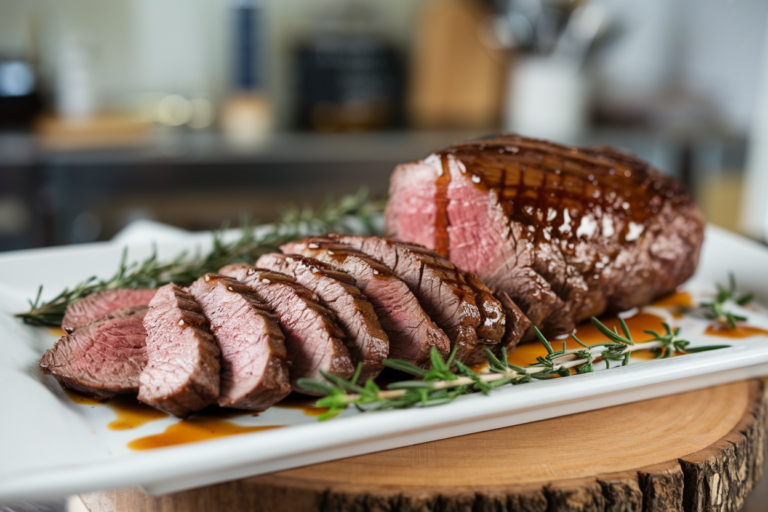
- Glaze and slice: Slice the ribeye against the grain.
Spoon half the balsamic glaze over the steak, toss to coat, then plate and finish with the remaining glaze.
- Finish strong: Sprinkle flaky sea salt. Optional: a squeeze of lemon for brightness and cracked pepper to finish.
Keeping It Fresh
- Storage: Keep leftovers in an airtight container for up to 3 days. Store glaze separately if possible to avoid sogginess.
- Reheat: Warm gently in a skillet over low heat with a splash of water or stock.
Avoid microwaving to prevent toughening.
- Make-ahead: The glaze can be made 3–4 days in advance. Reheat and thin with a bit of water if it over-thickens.
- Meal prep tip: Slice leftover ribeye thin for steak salads, sandwiches, or grain bowls. FYI: cold steak + arugula + shaved parm + balsamic = cheat code.
Why This is Good for You
- Protein-dense: Ribeye packs complete protein for muscle and satiety.
You’ll stay full without chasing snacks.
- Iron and B vitamins: Helps energy levels, focus, and overall metabolic health. Your brain will thank you.
- Healthy fat balance: Yes, ribeye has fat—but the combo of monounsaturated fat and portion control keeps this in the “treat that fits” category.
- Smart acidity: The balsamic’s acidity can help cut through richness and may aid digestion. Plus, flavor density means you need less sauce overall.
Common Mistakes to Avoid
- Cooking straight from the fridge: Cold centers lead to overdone outsides.
Let it warm up first.
- Under-salting: Steak needs more salt than you think. Season with intent, not fear.
- Overcrowding the pan: That kills the crust. Cook one steak at a time or use a bigger skillet.
- Burning the glaze: Balsamic has sugar.
Reduce over medium heat and pull it when it’s syrupy, not sticky-tar.
- Skipping the rest: Cutting too soon bleeds out moisture. Patience pays—like compounding interest, but tastier.
Recipe Variations
- Espresso-Balsamic: Add 1 teaspoon instant espresso to the glaze for deeper roast notes. Shockingly good.
- Smoky Maple: Swap honey for maple syrup and add a pinch of smoked paprika.
Backyard vibes without a smoker.
- Chili Crunch: Stir in 1 teaspoon chili crisp at the end of the glaze for heat and texture.
- Garlic-Black Pepper: Add 1/2 teaspoon coarse cracked pepper and an extra clove of garlic to the glaze. Pepper lovers, rejoice.
- Herb Bomb: Finish with chopped parsley and chives plus a squeeze of lemon. Bright, fresh, less heavy.
- Grill Method: Sear over high heat 2–3 minutes per side, then move to indirect heat to finish.
Reduce glaze in a small pan on the side and brush in the last minute.
FAQ
Can I use a different cut of steak?
Yes. New York strip, sirloin, or flat iron all work well. Just adjust cook time—leaner cuts need a little less heat and more attention.
Do I need expensive balsamic?
Not the ultra-aged stuff.
Choose a mid-range balsamic with decent body. You’ll reduce it anyway, so balance matters more than pedigree.
How do I know the glaze is ready?
When it coats the back of a spoon and leaves a clean line when you run a finger through it. If it gets too thick, whisk in a splash of water to loosen.
What if I don’t have a cast-iron skillet?
Use any heavy stainless-steel pan.
Nonstick can work in a pinch but won’t brown as aggressively, IMO.
Can I make it dairy-free?
Yes. Skip the butter and baste with oil. The glaze still delivers plenty of richness and shine.
What sides pair best?
Roasted potatoes, garlicky green beans, arugula salad, or grilled asparagus.
Keep sides simple—the steak is the star.
How do I hit perfect doneness without guessing?
Use an instant-read thermometer. Pull at 120–125°F for medium-rare, 130–135°F for medium. Rest 5–8 minutes before slicing.
Will the glaze be too sweet?
It should be balanced.
If yours leans sweet, add a pinch of salt and a squeeze of lemon to sharpen it up.
In Conclusion
This Balsamic-Glazed Ribeye is a restaurant-caliber move you can execute on a Tuesday. You get a steakhouse sear, a shiny glaze that punches above its weight, and a process that’s fast enough to beat takeout. Keep your heat high, your glaze balanced, and your finishing salt handy.
Then sit back and accept compliments like it’s your full-time job—because for tonight, it is.
Printable Recipe Card
Want just the essential recipe details without scrolling through the article? Get our printable recipe card with just the ingredients and instructions.