Keto Vegetarian Chili No Beans
Just swap traditional beans for hearty vegetables and plant-based protein to create a low-carb, satisfying chili that supports your ketogenic goals; this recipe shows you how to build bold flavor with spices, tomatoes, peppers, and textured soy or crumbled tofu, while keeping carbs minimal and fiber high. You’ll learn ingredient choices, cooking techniques, and serving options so your meals stay varied, nutritious, and filling without compromising ketosis.
Ingredients
Key Ingredients
For the meaty base you’ll rely on mushrooms (8-12 oz cremini or portobello, finely chopped) and a plant protein like tempeh (8 oz, crumbled) or extra-firm tofu (10-12 oz, pressed and crumbled); these provide texture and 12-20 g of protein per serving depending on choice. Pair those with one medium head of cauliflower riced (about 3 cups cooked) to add bulk while keeping net carbs low, plus a 14-16 oz can of crushed tomatoes (choose no-sugar-added) and 2 tablespoons of tomato paste for concentrated tomato flavor-note that 2 tbsp of paste typically add roughly 6-8 g of carbs, so factor that into your daily limit.
Spice-wise, use 2-3 tablespoons chili powder, 1 tablespoon ground cumin, 1 teaspoon smoked paprika and a pinch of unsweetened cocoa powder to deepen flavor; those amounts yield a robust chili for 4 servings. Finish the pot with 1-2 cups low-sodium vegetable broth and 1-2 tablespoons olive oil or avocado oil for sautéing, plus an optional 1/4 teaspoon xanthan gum to thicken without adding carbs-these choices keep the dish around 6-10 g net carbs per serving depending on portioning and specific brands.
Optional Add-Ins
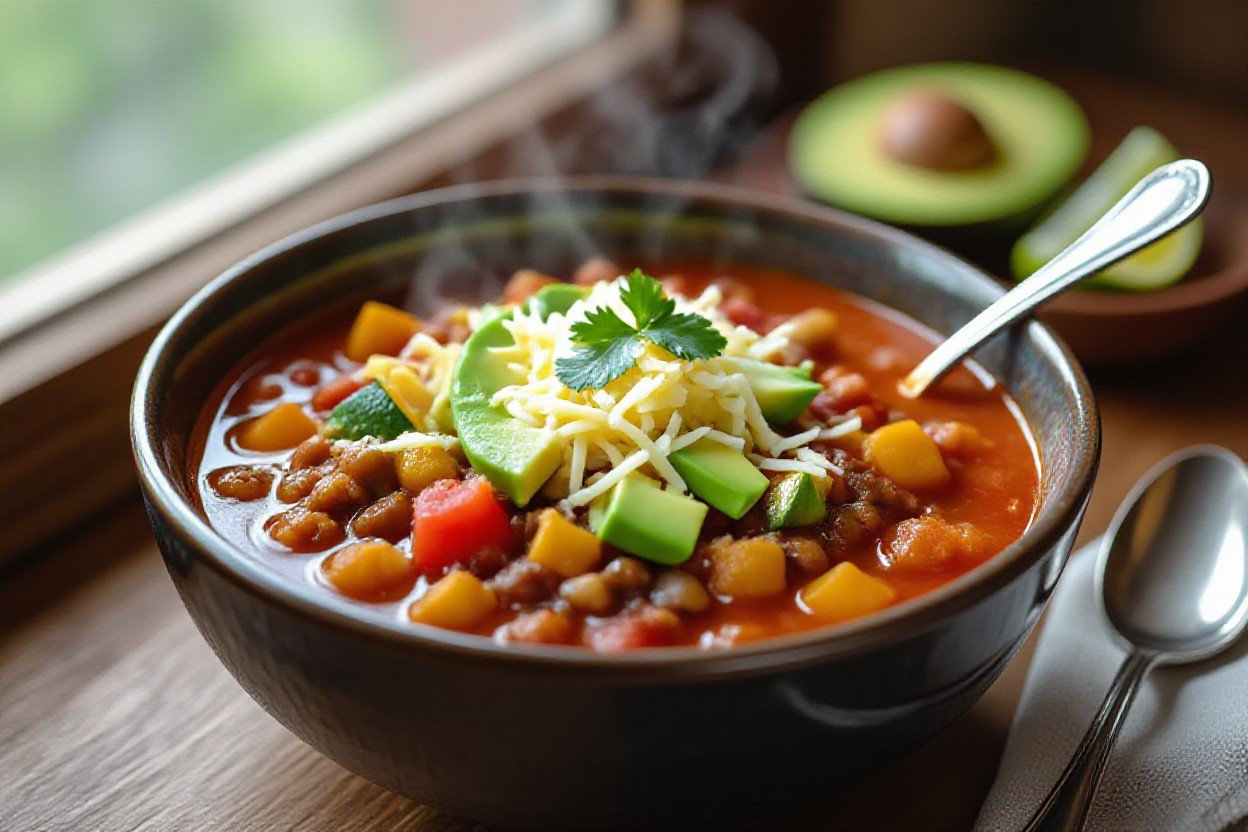
If you want richness and variety, add 1/2 cup shredded sharp cheddar or Monterey Jack at the end, a dollop (2 tablespoons) of sour cream, or 1/4 cup heavy cream stirred in for creaminess-each of these adds fat and satiety with minimal carbs (heavy cream is roughly 0.4 g carbs per tablespoon). For freshness and texture, top bowls with half an avocado (about 2 g net carbs), chopped cilantro, thinly sliced jalapeño (1 pepper ≈ 1-2 g net carbs), or 2 tablespoons toasted pepitas for crunch.
For extra bulk without beans, you can fold in 1-2 cups diced zucchini or 3/4 cup finely chopped eggplant during the simmer stage; zucchini contributes roughly 3-4 g net carbs per cup cooked and will cook down in 6-8 minutes, while eggplant takes a bit longer to absorb flavors. If you want a smoky heat, 1-2 teaspoons minced chipotle in adobo adds depth-use sparingly and check labels for added sugars.
When you pick add-ins, consider how they change macros and timing: cheese melts best off-heat, avocado should be added just before serving to avoid browning, and seeds or nuts are best toasted 3-5 minutes in a dry pan to maximize flavor. Adjust portion sizes (for example, 2 tablespoons sour cream or 1/4 avocado per bowl) to keep the meal within your target keto ratios while boosting texture and flavor.
Cooking Method
You should work in stages: sweat aromatics first, brown your protein substitute and high-moisture vegetables next, then combine tomatoes, spices and liquid for a controlled simmer. For example, sauté diced onion 5-7 minutes until translucent, add garlic for 30-45 seconds, stir in 2 tablespoons tomato paste and cook 1-2 minutes to concentrate flavor before adding canned tomatoes and 1/2-1 cup vegetable broth. Simmer 20-30 minutes uncovered to reduce and meld flavors, or use a pressure cooker to reach the same depth in 8-10 minutes at high pressure with a 5-10 minute natural release.
You’ll get more consistency by using a heavy-bottomed Dutch oven or cast-iron pot that holds steady heat; a thin pot will scorch the paste during the initial browning phase. If you opt for a slow cooker, brown components first on the stovetop and cook on low for 4-6 hours-this prevents a flat, stewy result and preserves an assertive spice profile that stands up without beans.
Preparation Steps
You’ll want mise en place: measure spices into a small bowl (for six servings, try 2 tbsp chili powder, 1 tbsp ground cumin, 1 tsp smoked paprika, ½ tsp oregano, and ¼-½ tsp cayenne), chop vegetables into uniform ½-¾-inch pieces, and crumble or cube your protein substitute so it browns evenly. Roast bell peppers at 425°F for 12-15 minutes (or char over a gas flame) and peel them before adding for a sweeter, concentrated flavor that won’t water down the chili.
You should pre-cook high-water vegetables to avoid thinning the chili: salt-sweat diced zucchini or eggplant for 10 minutes and pat dry, or sauté mushrooms 6-8 minutes until browned to drive off excess moisture. Keep liquids measured-start with ½ cup broth and add up to another ½ cup only if needed during simmering-so you control final consistency without over-relying on thickeners.
Cooking Techniques
You’ll maximize flavor by layering techniques: toast whole or ground spices in the dry pan for 30-60 seconds before adding oil to bloom aromatics, then brown the tempeh or mushrooms over medium-high heat for 6-8 minutes to develop Maillard notes that mimic the savory depth beans normally provide. Deglaze the pan with ½ cup broth or a splash of dry red wine to lift fond and incorporate those browned bits back into the chili.
You can use reduction, mechanical thickening, or hydrocolloids to reach the right texture: simmer uncovered for 10-20 minutes to evaporate excess water, stir in 1-2 cups of riced cauliflower for body, or whisk 1/8-1/4 teaspoon xanthan gum into 2 tablespoons cold water and drizzle in while stirring to thicken without starches. For time-saving, a pressure cooker produces depth fast-sauté then 8-10 minutes at high pressure-while a slow cooker yields a mellower profile over 4-6 hours on low.
For finishing adjustments you should always taste and correct at the end: add ½ teaspoon kosher salt at a time up to 1½ teaspoons for six servings, balance acidity with 1-2 teaspoons apple cider vinegar if the tomatoes dominate, and fold in 2-3 tablespoons shredded sharp cheddar or a spoonful of sour cream right before serving to round flavors and add silkiness without adding carbs.
Nutritional Information
Macronutrient Breakdown
Per a typical 1.5‑cup serving (this recipe scaled to six servings) you can expect roughly 320-380 kcal, about 20-28 g fat, 16-22 g protein, and 8-12 g total carbohydrates with 4-7 g fiber – giving you approximately 3-6 g net carbs per serving. Fats come mainly from olive oil, avocado, cheese, or coconut milk, protein from tofu/tempeh and cheese, and the remaining carbs from tomatoes, bell peppers, and onions.
If you want to shift the macros, you can add 85 g (3 oz) tempeh or a scoop of low‑carb protein powder to increase protein by ~15-20 g per serving, or stir in an extra tablespoon of olive oil or 1/4 avocado to bump fat by ~10-12 g. To lower net carbs further, reduce onion and tomato quantity or bulk the dish with zucchini and mushrooms – each swap can cut net carbs by 1-3 g per serving while keeping volume and satiety.
Health Benefits
Because the chili keeps net carbs in the single digits per serving, you can use it as a dependable dinner option to maintain nutritional ketosis while still getting substantial plant‑based protein and fiber, which help blunt post‑meal blood sugar swings and increase fullness. Aim for a total protein target of about 1.2-1.6 g/kg bodyweight if you want to preserve lean mass on keto; a single serving of this chili contributes roughly 15-22 g toward that daily goal (so a 70 kg person needing ~84-112 g/day would get about 20%-25% of that from one bowl).
Spices like chili powder, cumin and turmeric offer more than flavor: capsaicin from hot peppers has modest thermogenic and appetite‑suppressing effects, and the antioxidant load from tomatoes and bell peppers supplies roughly 25-35% of your daily vitamin C per serving. You’ll also pick up meaningful amounts of iron (10-15% RDI if you include tempeh or spinach) and calcium (15-20% RDI if you use cheese or fortified plant milk), while the recipe’s sodium content – typically 600-900 mg per serving depending on broth and added salt – contributes toward electrolyte needs many people on keto consciously manage.
Variations
You can swap the protein and keep it keto by using 12-16 ounces of ground turkey, pork, or a firm tofu crumble in place of ground beef; press tofu for 15 minutes, crumble and brown it in 2 tablespoons of oil to add back fat for macros. For plant-forward texture without beans, add 2 cups riced cauliflower and 1 cup chopped mushroom per pot to mimic bulk-cauliflower contains about 5 g net carbs per cup, so two cups still keeps the batch low-carb for four servings.
Texture and thickness can be adjusted without beans by stirring in 2 ounces cream cheese or 1/4 teaspoon xanthan gum near the end of cooking; cream cheese adds about 4-6 grams fat per serving while xanthan requires only a quick whisk. You can also finish with 1/2 cup shredded cheddar or 1/4 cup toasted pepitas per serving to boost fat and mouthfeel while keeping carbs down.
Flavor Adjustments
For a smokier profile, add 2 teaspoons smoked paprika and one chopped chipotle in adobo to a four-serving pot, or swap 1 teaspoon regular paprika for smoked in the spice mix. To increase umami by numbers, stir in 1 tablespoon tomato paste and 1 teaspoon tamari (or soy sauce) during the sauté step; that combination raises savory depth without extra carbs.
To brighten the overall flavor, finish with 1-2 tablespoons fresh lime juice or 2 tablespoons apple cider vinegar for acidity; start with 1 tablespoon for a four-serving batch and adjust to taste. If the chili tastes flat, try sautéing 1 tablespoon tomato paste until it caramelizes and adding 1/2 teaspoon salt, then simmer 10-15 minutes-small, specific changes like these often yield large improvements.
Spice Level Modifications
You should increase heat in measured increments: for a four-serving pot, start with 1/8-1/4 teaspoon cayenne for mild, 1/2 teaspoon for medium, and 1-1.5 teaspoons for hot, adding more only after tasting. Fresh chiles follow the same logic-seeded jalapeño yields mild heat (one per pot), jalapeño with seeds or one serrano moves you to medium, and two serranos or a chopped habanero takes it to hot; add whole dried chilies or powder early to let the capsaicin infuse the broth.
To lower heat, remove pepper seeds and membranes before chopping-this reduces a large portion of the heat because most capsaicin concentrates there-and add cooling fats: stir in 2 tablespoons sour cream or 1/4 cup full-fat Greek yogurt per serving-equivalent batch to mellow bite. You can also counteract spiciness with a small pinch of erythritol or 1 teaspoon tomato paste, which balances perception without adding sugar.
When you overshoot, give the chili time: simmering 20-40 minutes often softens aggressive heat as flavors meld, and skimming out whole pepper pieces or seeds can pull some heat out of the pot. Taste every 10-15 minutes after adjustments and add capsaicin in 1/8-1/4 teaspoon increments or one small chopped pepper at a time so you can dial the spice precisely for your preference.
Serving Suggestions
Garnishing Ideas
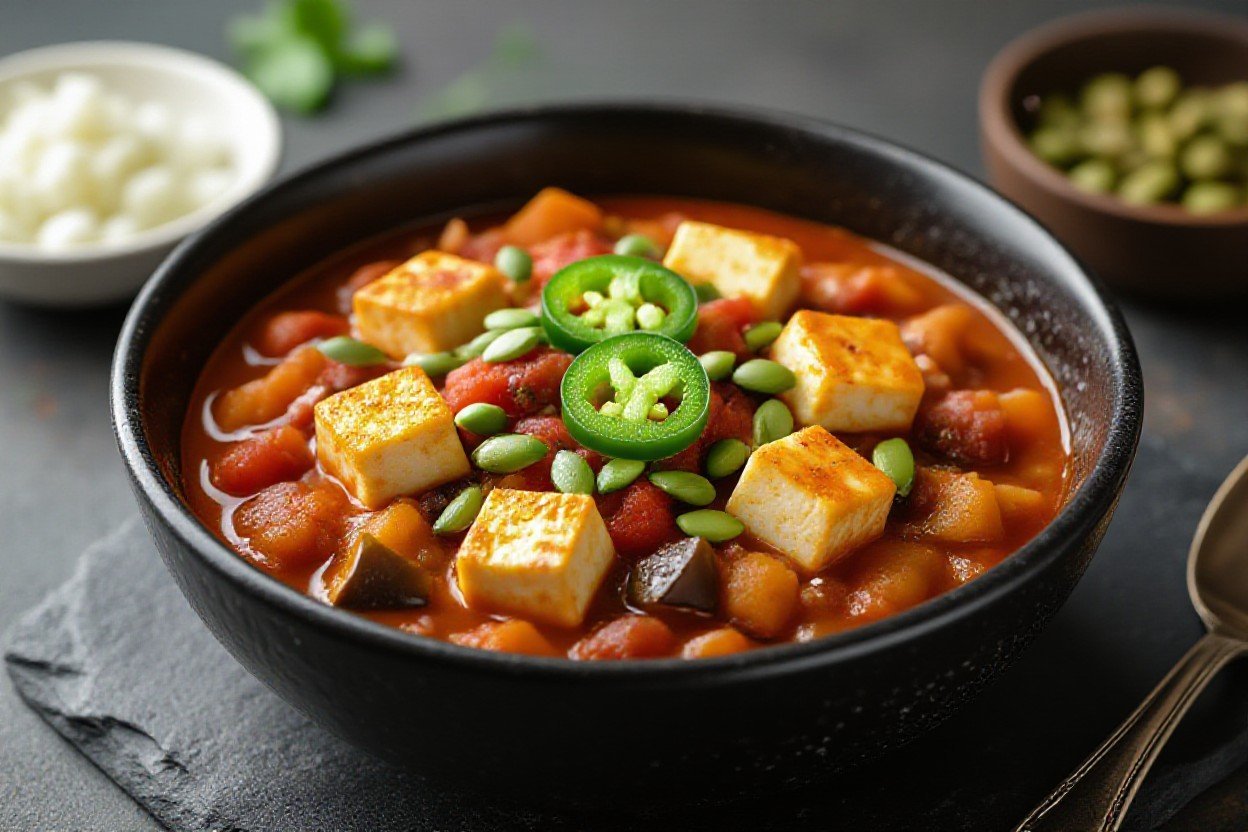
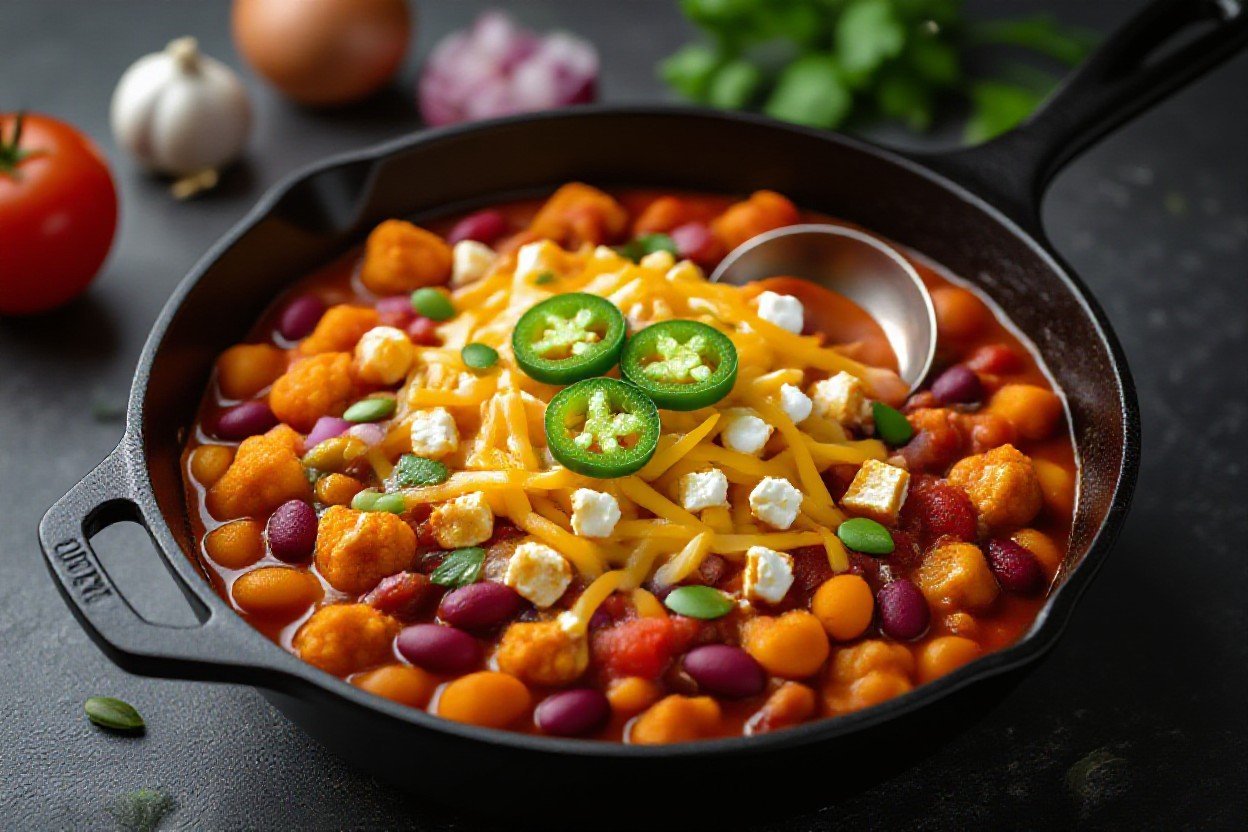
Top each bowl with half an avocado (about 70-80 g) or two tablespoons of full-fat sour cream to add creaminess and keep net carbs low; add 1 ounce (28 g) of shredded cheddar or pepper jack if you want a melty, savory finish. Scatter 1-2 tablespoons of toasted pepitas for crunch, and use a handful of chopped cilantro or 2 tablespoons of sliced scallions to lift the flavors-lime wedges on the side provide a bright acid counterpoint that takes just one squeeze to change the profile of the bowl.
Pay attention to temperature and order: place hot chili in warmed bowls, sprinkle cheese immediately so it melts into the surface, then add cool toppings like avocado and herbs to create contrast. If you prefer heat, top with thinly sliced jalapeño or 1-2 teaspoons of pickled jalapeños per serving; for a smoky note, finish with a dusting of smoked paprika or 1-2 drops of chipotle oil.
Pairing Recommendations
Serve the chili over 1 cup of cauliflower rice (about 150 g) or alongside 1 cup of roasted shredded cabbage to keep the meal low in carbs while adding volume-cauliflower rice soaks up the juices and provides 2-3 g net carbs per cup depending on preparation. A simple roasted veg option is 10-12 roasted Brussels sprouts tossed in 1 tablespoon olive oil and roasted at 425°F for 20-25 minutes; their caramelized edges add a sweet counterbalance to the chili’s spice.
For a bread-like accompaniment, make a quick almond-flour “cornbread” using 1 cup almond flour, 2 large eggs, 2 tablespoons melted butter and 1 teaspoon baking powder, baked in a ramekin for 18-22 minutes at 350°F-one small muffin-size portion keeps carbs low and satisfies the craving for something soft to scoop with. If you want extra protein, pan-sear 100-150 g of halloumi or paneer slices (2-3 minutes per side) and serve them on the side to complement the chili’s texture and add 15-20 g of protein per portion.
When choosing drinks, opt for zero- or low-carb options: a gin and soda with lime is necessaryly carb-free, while a 5-oz pour of a dry red wine (Cabernet, Malbec) typically contains roughly 3-4 g of carbohydrates-keep pours to 5 oz to manage the carbs. For nonalcoholic pairings, sparkling water with citrus or an unsweetened iced tea stays under 1 g carbs per serving and refreshes the palate between spoonfuls.
Common Questions
You’ll often want to know how this chili fits into a keto day: typical servings of a bean-free chili made with ground meat or textured vegetable protein and low-carb vegetables land around 6-8 g net carbs per cup, with 18-25 g protein depending on whether you use tofu, tempeh, or beef. Track exact numbers with your ingredients – for example, swapping in 100 g of tempeh adds roughly 19 g protein and 4 g net carbs, while 100 g of ground beef adds about 26 g protein and 0 g carbs.
Another frequent question is about heat and seasoning. You can safely double the chili and maintain flavor balance by increasing spices proportionally (about 1.8x rather than 2x for dried herbs to avoid bitterness), and if a batch ends up too spicy, temper it with a tablespoon or two of full-fat Greek yogurt per serving or a splash of heavy cream when reheating to mellow capsaicin without raising carbs significantly.
Can I Use Other Vegetables?
You can swap most low-carb vegetables without losing texture or flavor: zucchini, cauliflower, mushrooms, spinach, and bell peppers all work well. Choose cauliflower florets (1 cup raw ≈ 3 g net carbs) or zucchini (1 cup ≈ 3 g net carbs) to keep net carbs low, while limiting carrots and butternut squash because a cup of diced carrot can add roughly 8-9 g net carbs.
When you change vegetables, adjust cooking times: dense vegetables like cauliflower or eggplant benefit from a brief roast at 425°F (220°C) for 12-15 minutes before adding to the chili so they hold shape, whereas delicate greens such as spinach should be stirred in at the end to wilt for 1-2 minutes. You’ll also want to recalculate macros if you swap more than one cup of vegetables per batch.
Storage and Reheating Tips
Store cooled chili in airtight containers within two hours of cooking; in the refrigerator it will keep 3-4 days, and in the freezer it stays good for 2-3 months. Thaw frozen portions overnight in the fridge, then reheat on the stovetop over medium-low heat until simmering and the internal temperature reaches 165°F (74°C), stirring occasionally to prevent sticking and to restore even texture.
- Refrigerator: 3-4 days in airtight glass or BPA-free plastic containers.
- Freezer: 2-3 months; portion into 2-cup servings for faster thawing.
- Reheating: stovetop to 165°F (74°C) or microwave in 1-minute intervals, stirring between blasts.
- Knowing you can add a splash (1-2 tbsp) of broth or heavy cream while reheating to refresh texture and mouthfeel.
Add a little liquid when reheating thicker batches-about 1/4 cup of broth per 2 cups of chili-so vegetables don’t dry out and spices redistribute evenly. Finish with fresh herbs (cilantro or green onion) after reheating to restore brightness, and if you froze the chili in zip-top bags, spread them flat before freezing so they thaw faster and stack neatly.
- Portion before freezing to avoid reheating whole batches for single meals.
- Microwave tips: use 50% power and stir every minute to avoid hot spots.
- For creamier texture, stir in 1-2 tbsp of full-fat Greek yogurt or sour cream after reheating.
- Knowing that labeling containers with date and contents helps you rotate stock and avoid freezer burn.
Conclusion
On the whole, you can enjoy a hearty, satisfying Keto Vegetarian Chili No Beans that supports your low‑carb goals while delivering bold, layered flavor. By using low‑carb, high‑protein ingredients such as tofu, tempeh, mushrooms, and cauliflower, and emphasizing concentrated spices, healthy fats, and controlled tomato or pepper portions, you maintain texture and satiety without beans and can fine‑tune the recipe to match your macros and taste preferences.
When you batch‑cook or freeze portions, the chili becomes a convenient, nutrient‑dense option for busy days, and you can customize garnish and fat choices-avocado, shredded cheese, or full‑fat sour cream-to improve mouthfeel and caloric balance. Track net carbs and protein for each serving, adjust vegetable ratios as needed, and use the recipe framework to create variations that keep your meals interesting while staying aligned with your ketogenic vegetarian plan.
Printable Recipe Card
Want just the essential recipe details without scrolling through the article? Get our printable recipe card with just the ingredients and instructions.