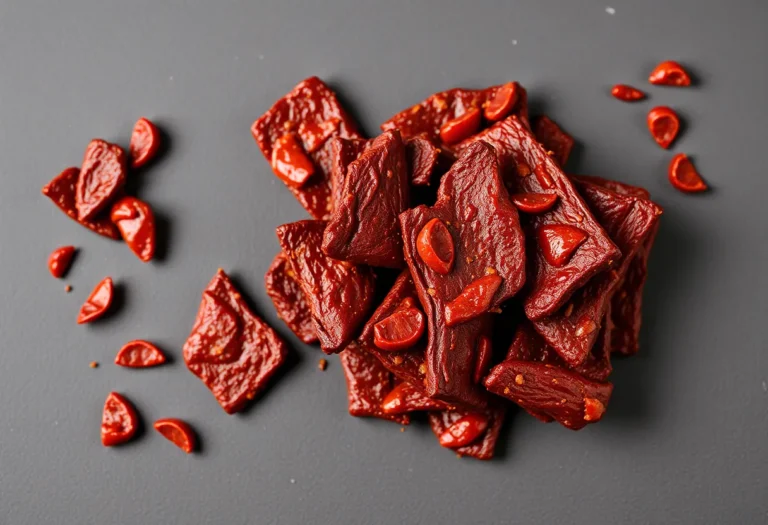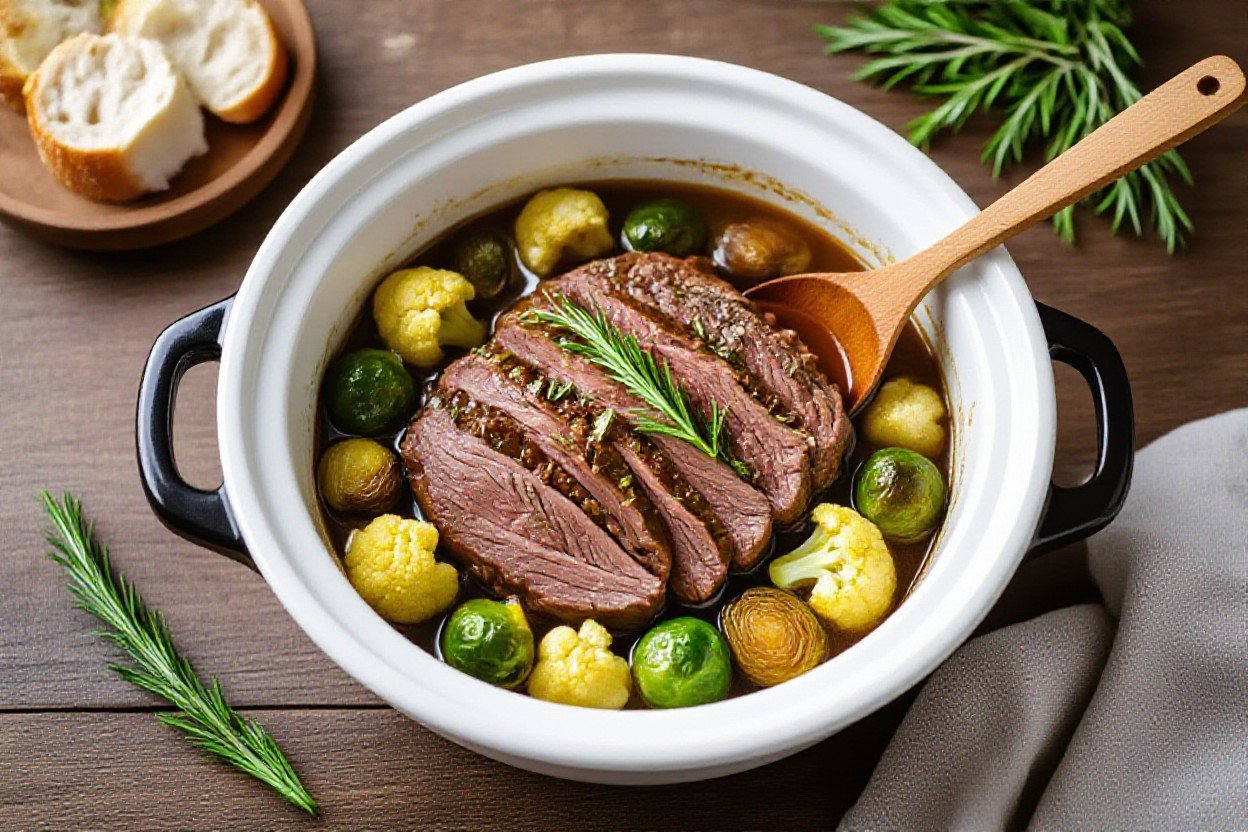
Keto Slow Cooker Pot Roast
Most keto slow cooker pot roast methods give you a hands-off way to create tender, flavorful beef while keeping carbs low; this guide shows you how to pick the best cut, balance healthy fats and seasonings, and use low-carb thickeners so your roast stays rich and compliant with your ketogenic goals.
What is Keto?
Understanding Ketogenic Diet
You follow a ketogenic approach by shifting macronutrients toward roughly 70-75% fat, 20-25% protein and 5-10% carbohydrates, which typically means keeping net carbs below 20-50 g per day to reach and maintain ketosis. Physiologically, your liver ramps up ketogenesis, converting fatty acids into beta-hydroxybutyrate and acetoacetate; blood ketone concentrations above about 0.5 mmol/L indicate nutritional ketosis, while therapeutic ranges can reach 1-3 mmol/L depending on goals.
In practice, that means prioritizing fatty cuts of meat, oils, high-fat dairy, nuts and low-carb vegetables while avoiding starchy staples and sugary sauces. For a 2,000 kcal day you’d aim for roughly 150-170 g fat, 100-125 g protein and 20-50 g carbs; swapping a dinner of rice and chicken for a slow-cooker pot roast with green beans and buttered mushrooms is a textbook example of how you convert typical meals into keto-friendly versions.
Benefits of Going Keto
You can expect often faster short-term weight loss compared with low-fat diets: randomized trials and meta-analyses show greater weight reduction at 3-6 months, with many participants losing an extra 2-5% of body weight over that period. Appetite suppression from higher dietary fat and elevated ketones contributes to lower spontaneous calorie intake, so you frequently feel satisfied on fewer meals.
Metabolic changes also favor improvement in key markers: triglycerides commonly fall by 20-50% while HDL cholesterol tends to rise 5-15%, and people with type 2 diabetes often see HbA1c reductions in the range of about 0.5-1.5 percentage points within months when carbohydrate intake is substantially lowered. In clinical settings the ketogenic diet also reduces seizure frequency in many children with refractory epilepsy-roughly a third achieve seizure freedom and a larger proportion get a ≥50% reduction in seizures-which illustrates how ketone metabolism can have powerful effects beyond weight.
On a practical level for recipes like this slow-cooker pot roast, keto benefits translate into easier meal planning and sustained energy: a 6-oz (170 g) fatty chuck roast provides roughly 35-45 g fat and 35-40 g protein with negligible carbs, and pairing it with 1 cup of green beans and a tablespoon of butter keeps a serving well within typical keto macros while delivering long-lasting satiety and stable blood glucose between meals.
Slow Cooker Essentials
Choosing the Right Slow Cooker
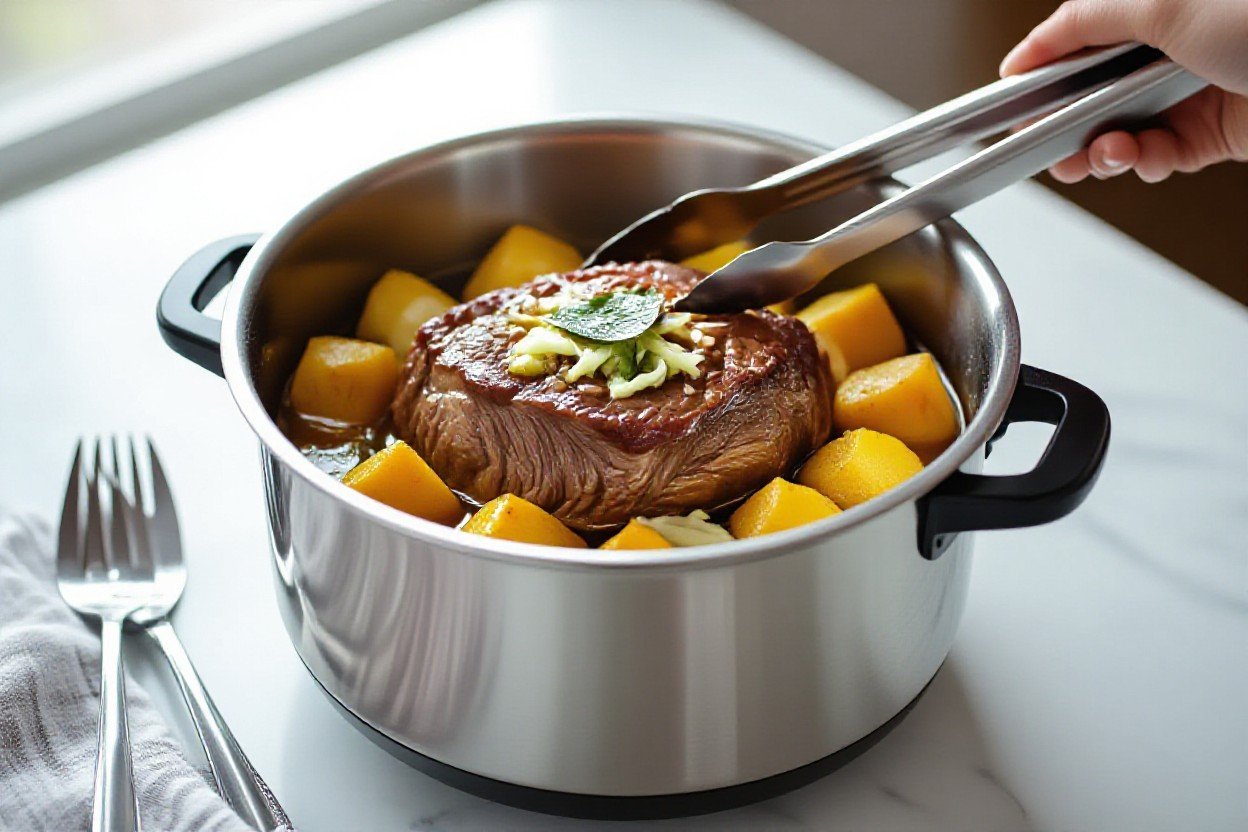
You’ll want a cooker sized to the roast: a 6-quart model fits a 3-4 lb chuck roast comfortably, while a 4-quart is better for 1-2 lb cuts or small households. Ceramic stoneware retains heat well and gives even cooking, whereas an insert with a stainless-steel base heats up faster and is easier to handle on induction or gas ranges. Look for a removable insert and dishwasher-safe parts if cleanup matters to you.
Pick features that match how you cook: programmable timers and a “keep warm” function let you set low for 8-10 hours and walk away; a built-in sear or high-temperature sauté mode can shave 15-30 minutes by letting you brown the roast in the same unit. For transport or meal prep, a locking lid and a 7-quart capacity are handy if you frequently feed 6+ people or make large batches to freeze.
Slow Cooking Techniques
Sear the roast 3-4 minutes per side in a hot pan to develop the Maillard crust and then deglaze with about 1/2 cup beef broth (or 1/4 cup dry red wine plus 1/4 cup broth) so you capture those browned bits for the cooker. Cook on Low for 8-10 hours or on High for 4-6 hours; for pull-apart tenderness aim for an internal temperature of roughly 190-205°F, where collagen converts to gelatin and the meat becomes shreddable. Use an instant-read or probe thermometer to avoid overcooking.
Keep added liquid modest – typically 1 to 1.5 cups for a 3-4 lb roast – since the cooker traps steam and you don’t need to submerge the meat. Place hearty root vegetables like carrots and turnips underneath the roast in 1-1.5 inch chunks so they cook through without turning mushy, and add mushrooms or delicate greens in the last 30-60 minutes. For a keto-friendly gravy, thicken pan juices with 1/8-1/4 teaspoon xanthan gum whisked into 1 cup of warm jus instead of flour or cornstarch.
Let the roast rest 15-20 minutes before slicing or shredding to let the gelatin redistribute – that step improves juiciness and makes carving cleaner. If you salt the roast ahead, do so 30-60 minutes before searing to season deeply; tuck a bundle of fresh rosemary and thyme under the roast for steady, infusing aromatics, and consider a tablespoon of red wine or apple-cider vinegar in the cooking liquid to brighten flavors without adding carbs.
Ingredients for Keto Slow Cooker Pot Roast
You’ll want ingredients that maximize fat and flavor while keeping carbs low: a well-marbled roast (3-4 lb / 1.4-1.8 kg) for 4-6 servings, 1-2 cups of unsweetened beef broth or bone broth, and a selection of low-carb vegetables and aromatics. Plan on roughly 1-1.5 cups of vegetables per serving if the roast is the centerpiece, and factor in 1 tablespoon tomato paste only if you’re tracking the ~3-4 g carbs it adds per tablespoon.
Buy enough seasoning to build depth: kosher salt (about 1 tsp per pound of meat), freshly ground black pepper, and a mix of dried herbs and smoked paprika. Include a cooking fat-2 tablespoons olive oil, ghee, or butter-for browning, which improves Maillard flavor and helps carry fat through the sauce.
Meat Selection
Choose a chuck roast or brisket as your first options; a 3-4 lb chuck roast gives excellent marbling and breaks down into fork-tender shreds after 8-10 hours on low. If you prefer a leaner finish, go with a top round or sirloin tip, but expect less fat in the finished dish and plan to add extra butter or bone marrow to hit keto macros.
Leave a 1/4-1/2-inch fat cap when possible to keep the meat moist during long cooking, and trim only excess hard fat. For accurate seasoning, apply about 1 tsp kosher salt per pound before searing, and sear in hot oil for 2-3 minutes per side to develop a rich crust that improves both texture and flavor in the slow cooker.
Keto-Friendly Vegetables
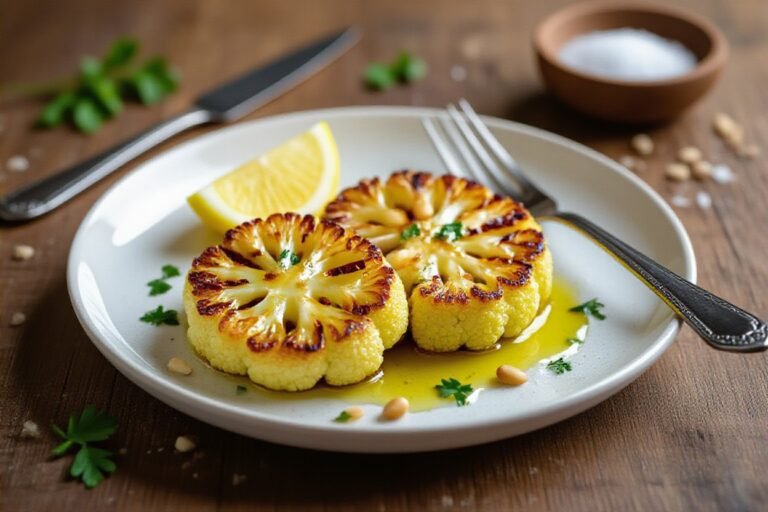
Select low-carb vegetables that tolerate long cooking or can be added late: cauliflower florets (≈3 g net carbs per 100 g), celery (≈1.4 g net/100 g), mushrooms (≈2.3 g net/100 g), and green beans (≈3.6 g net/100 g). Use turnips or rutabaga sparingly-turnips are about 4.2 g net/100 g and rutabaga closer to 6.9 g net/100 g-so limit portions if you’re strict on daily carbs.
Add 2-3 cups of cauliflower florets and 1-2 cups of mushrooms for a 3-4 lb roast to keep total carbs low while providing volume and texture. Avoid starchy staples like potatoes and limit carrots (≈7 g net/100 g) to small amounts or as a garnish only.
To preserve texture, cut vegetables into uniform sizes and time additions: hardy ones like turnips and celery can go in at the start, while zucchini or riced cauliflower should be stirred in during the final 30-60 minutes so they don’t turn to mush.
Recommended Spices and Seasonings
Build a simple, bold spice blend: 1-1.5 tsp kosher salt per pound of meat, 1 tsp freshly ground black pepper, 1 tsp garlic powder, 1 tsp onion powder, 1 tsp smoked paprika, and 1 tsp dried thyme or rosemary. Add 1-2 bay leaves to the pot and 1 tbsp Worcestershire sauce or low-sugar alternative for umami; keep track that Worcestershire adds about 1 g carb per teaspoon.
For liquid seasoning, use 1-2 cups unsweetened beef or bone broth (0 g carbs if unsweetened), and consider 1 tbsp tomato paste only if you account for its ~3-4 g carbs. Sear the seasoned roast in 2 tbsp olive oil or butter to bloom the spices and create a flavorful fond that enriches the slow-cooked sauce.
Add fresh herbs at the end-chopped parsley or a sprig of rosemary in the last 15-30 minutes brightens the dish-while dried herbs and bay leaf should be added at the start to give the long cook time to extract their flavors. Adjust salt after cooking based on reduced sauce concentration, since broth reduction concentrates sodium and should guide your final seasoning.
Step-by-Step Cooking Instructions
| Step | Details |
|---|---|
| Prep Time | 15-25 minutes: trim fat to ~1/4″ and pat roast dry; chop vegetables into 1″ pieces. |
| Sear | 3-4 minutes per side: high heat in a heavy skillet to develop a deep brown crust. |
| Liquid | 2 cups beef broth plus 1/2 cup reserved for deglazing; optionally add 1 tbsp Worcestershire or 1 tbsp apple cider vinegar for brightness. |
| Cook Time | Low 8-9 hours or High 4-5 hours; a 3 lb chuck roast typically needs ~8 hours on low. |
| Target Doneness | 195-205°F for fall-apart tenderness; 160-170°F yields a sliceable roast. |
| Veggie Choices | Low-carb: 2 cups cauliflower florets, 1 cup celery, 1 cup mushrooms (avoid large amounts of carrots). |
| Thickening | Xanthan gum: 1/8-1/4 tsp whisked into 2 tbsp cold water to thicken 1-2 cups of juices keto-friendly. |
Preparation
You should trim excess fat to about 1/4 inch and pat the roast dry so seasoning adheres; then season with roughly 2 tsp kosher salt, 1 tsp black pepper, 1 tsp garlic powder and 1 tsp onion powder. Apply 1 tbsp olive oil and sear the roast in a hot skillet for 3-4 minutes per side until a deep brown crust forms-this Maillard browning adds concentrated flavor and a noticeable difference in the final sauce.
Chop vegetables into 1-inch pieces and place a bed of low-carb options (2 cups cauliflower, 1 cup celery, 1 cup mushrooms) in the slow cooker to keep the meat elevated. After searing, deglaze the skillet with 1/2 cup beef broth, scrape the fond into the cooker, then add the remaining 1.5 cups broth (total 2 cups) plus 1 tbsp apple cider vinegar or Worcestershire for acidity; tie the roast if uneven so it cooks uniformly.
Cooking Process
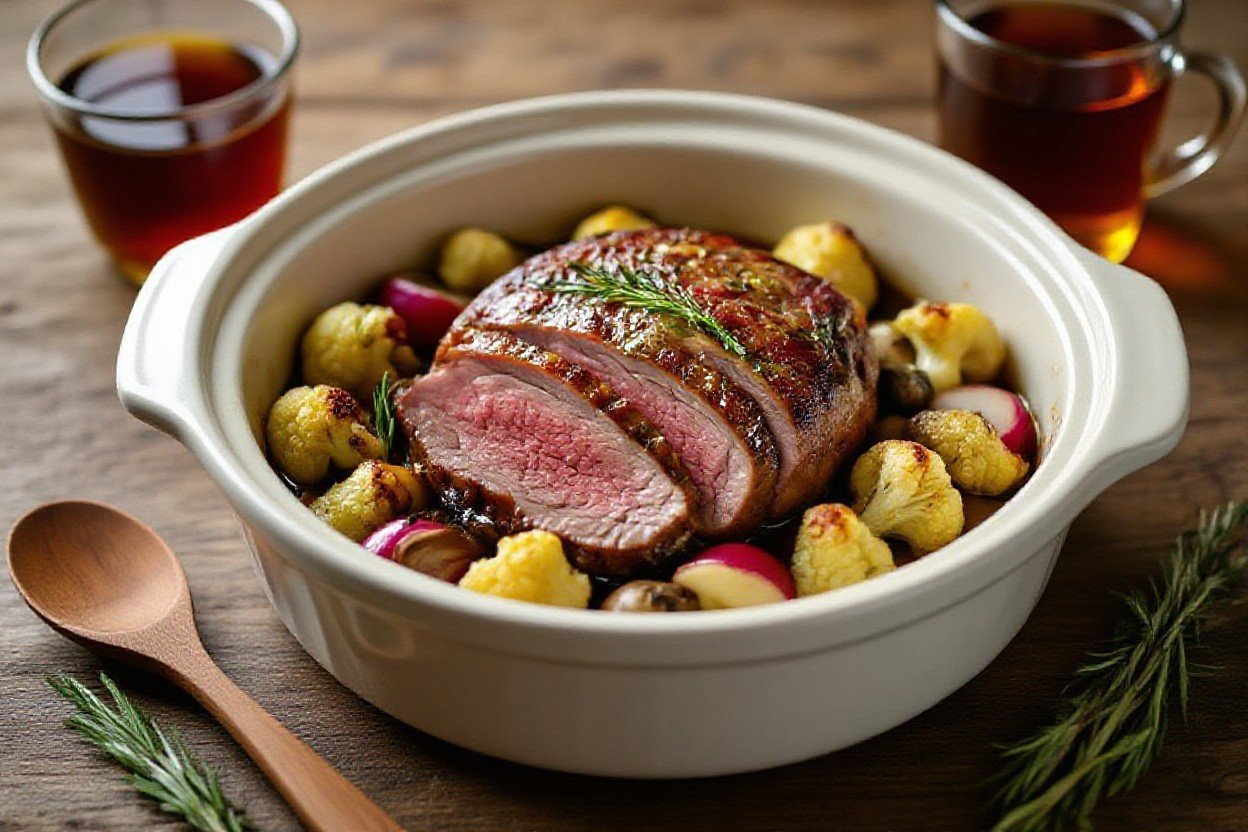
Set the roast fat-side up on the vegetable bed and choose LOW for 8-9 hours or HIGH for 4-5 hours-expect a 3 lb chuck to need about 8 hours on low. Use an instant-read thermometer: pull the roast at 195-205°F if you want it to shred easily, or stop around 160-170°F for a sliceable texture. Check tenderness by inserting a fork; the meat should give with minimal resistance when fully tender.
In the final 30-60 minutes, skim surface fat with a spoon or use a fat separator after resting to reduce calories and improve sauce clarity. For a thicker keto gravy, transfer 1-2 cups of cooking juices to a saucepan and bring to a simmer for 5-8 minutes, or whisk 1/8-1/4 tsp xanthan gum into 2 tbsp cold water and slowly whisk into the simmering juices until desired thickness.
If your slow cooker runs hot or is a high-watt model, check the roast an hour earlier than the lower bound-your appliance can shorten the 8-9 hour window to 6-7 hours. After removing the roast, let it rest 10-15 minutes so juices redistribute; this also gives you time to chill and easily skim fat or finish the sauce without overcooking the meat.
Serving Suggestions
Plan on 4-6 ounces (115-170 g) of pot roast per person and set aside 1/4 cup of the cooking jus or gravy for each serving to keep the meat glossy and moist. Pairing is simple: spoon 1/2-1 cup of low‑carb cauliflower mash alongside the roast (about 3-6 g net carbs per cup depending on added cream) or mound 1 cup of roasted Brussels sprouts for slightly more texture; both balance the rich beef without adding sugars.
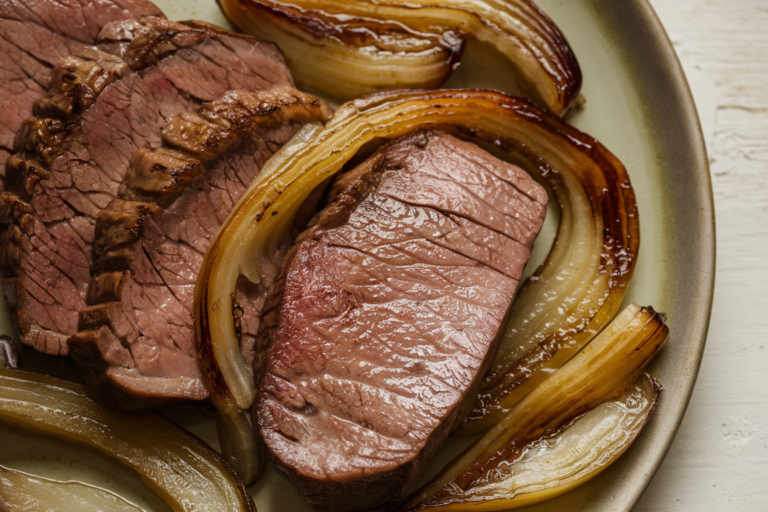
When plating, slice the roast against the grain in 1/4-1/2‑inch slices for the most tender mouthfeel, or shred coarsely if you plan to use leftovers later that night. Finish each plate with 1 tablespoon of chopped fresh parsley or 1 teaspoon of horseradish cream for acidity and a sprinkle of flaky salt; if you thicken the pan juices, 1/8-1/4 teaspoon xanthan gum per cup will give a glossy keto gravy without starches.
Accompaniments
Roasted or sautéed low‑carb vegetables are your easiest route: roast halved Brussels sprouts at 425°F for 20-25 minutes, sauté spinach with 1 clove garlic per 4 cups spinach for 2-3 minutes, or serve butter‑tossed steamed broccoli (1 cup ≈ 6 g carbs). If you want a starch substitute, make cauliflower mash (steam 1 head cauliflower, blend with 2 tablespoons cream and 1 tablespoon butter) or try shirataki noodles dressed in 1 tablespoon olive oil and lemon zest for a quick, neutral base.
For brighter plates, add a crunchy salad-2 cups arugula with 2 tablespoons lemon vinaigrette-or a spoonful (1-2 tablespoons) of chimichurri per serving to cut the richness. You can also offer roasted radishes (20-25 minutes at 400°F) or a small serving of rutabaga mash as an occasional higher‑fiber option; a 1/2‑cup portion of rutabaga has roughly 4-6 g net carbs, so adjust portions to fit your macro targets.
Leftover Ideas
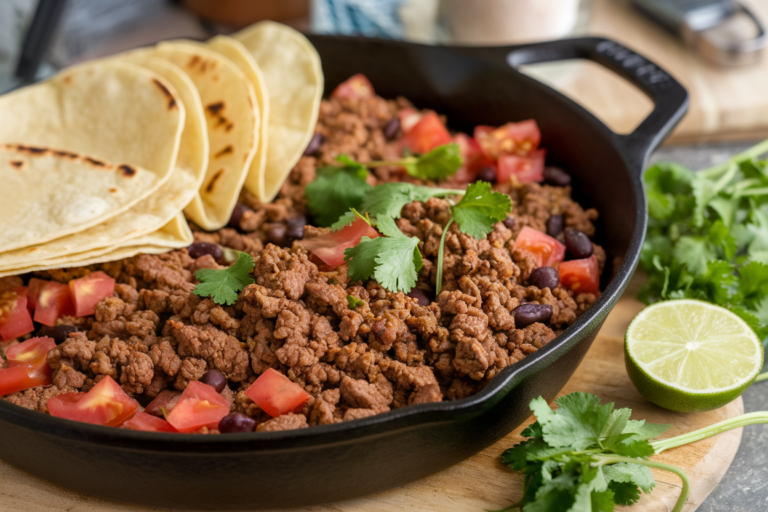
Shred or slice leftover roast into low‑carb tacos using 2 small almond‑flour or coconut‑flour tortillas (typically 4-8 g net carbs combined) or wrap it in large butter lettuce leaves with avocado and pickled onion for a fast lunch. You can also stir 1-2 cups of diced roast into a morning skillet with 2 eggs and sautéed peppers for a hearty breakfast that delivers protein and fat while staying keto‑friendly.
For storage and reheating, refrigerate leftovers within 2 hours and use within 3-4 days, or freeze in airtight containers or vacuum bags for up to 3 months-slice into 1‑inch pieces before freezing for faster thawing. Reheat gently in a 300°F oven for 15-25 minutes or in a skillet over medium‑low with 2-4 tablespoons beef broth until warmed through; if you use a microwave, cover and heat at 50-70% power in 60‑second intervals to preserve texture and avoid drying the meat.
Frequently Asked Questions about Keto Pot Roast
Common Concerns
You’ll often worry about carbs and texture: a 3-4 lb chuck roast braised with low-carb vegetables (1 cup rutabaga, 1 cup cauliflower) typically yields 6-8 servings with roughly 3-6 g net carbs per serving depending on veg choices. Busting the myth that pot roast needs potatoes, you can swap in turnips or daikon and maintain the classic mouthfeel while keeping carbs low.
You may also question timing and doneness: aim for an internal temperature of 190-205°F for pull-apart tenderness, achieved by 8-10 hours on low or 4-6 hours on high in a slow cooker. Sear for 3-4 minutes per side to build Maillard flavor first, and store leftovers 3-4 days in the fridge or freeze up to 3 months in airtight portions.
- Will using tomato paste add too many carbs? One tablespoon adds about 2-3 g carbs; dilute with 1/2 cup beef broth to spread flavor without spiking carbs.
- Can you use brisket instead of chuck? Yes-brisket works, but plan on the same low-and-slow time and expect slightly different fat distribution.
- How do you thicken gravy without flour? Use 1/4-1/2 tsp xanthan gum whisked into hot liquid for a glossy finish.
- Thou test for doneness at 190-205°F and shred when forks slip through the meat effortlessly.
Tips for Success
You should sear the roast 3-4 minutes per side over high heat and season at about 1 tsp kosher salt per pound so the seasoning penetrates during the long cook; a 3-4 lb chuck with 1/2 cup beef broth, 2 tbsp tomato paste, 1 tbsp red wine or apple-cider vinegar, and two smashed garlic cloves hits a reliable flavor profile. Add low-carb roots like 1-2 cups rutabaga or turnip in the last 2 hours to avoid mushy veg.
You’ll want to manage fat and texture: choose a roast with roughly 15-20% fat for best mouthfeel, rest the meat 10-15 minutes before slicing against the grain, and use an instant-read thermometer to avoid under- or overcooking. For a thicker, keto-friendly gravy, whisk in 1/4 tsp xanthan gum or stir in 1-2 tbsp heavy cream after reducing the braising liquid by half.
You can adapt timing: if you only have 5 hours, use the high setting and increase liquid slightly; if you have 10-12 hours, reduce oven or slow-cooker temp a touch and expect even more collagen breakdown. Using 1/2-1 cup bone broth instead of plain water increases collagen and body in the sauce-example: a 3 lb roast braised 8 hours on low with bone broth yields a rich, glossy jus without extra carbs.
- Sear first for flavor and color, then deglaze with 1/2 cup beef broth to capture fond and reduce bitterness.
- Add fresh herbs (2 sprigs rosemary, 2 sprigs thyme) tucked under the roast rather than chopped, so you can remove them easily before serving.
- Keep vegetables minimal and timed-add cauliflower or rutabaga in the last 90-120 minutes to retain texture.
- Thou use an instant-read thermometer and target 190-205°F for shreddable, fall-apart results.
Conclusion
Considering all points, a keto slow cooker pot roast gives you a reliable, low-carb main that yields tender, flavorful meat with minimal hands-on time. By choosing a fatty, collagen-rich cut and using a low-carb broth and seasonings, you secure satisfying macros and a rich sauce that supports your ketogenic goals while the slow cooker delivers consistent results even when your schedule is busy.
You can optimize results by selecting well-marbled cuts, including bone-in pieces if you want extra flavor, and pairing the roast with non-starchy vegetables to keep carbs low. Batch-cook and portion for easy meals, adjust seasonings and cook time to your taste, and you’ll have a versatile, time-saving centerpiece that fits your keto lifestyle.
Printable Recipe Card
Want just the essential recipe details without scrolling through the article? Get our printable recipe card with just the ingredients and instructions.