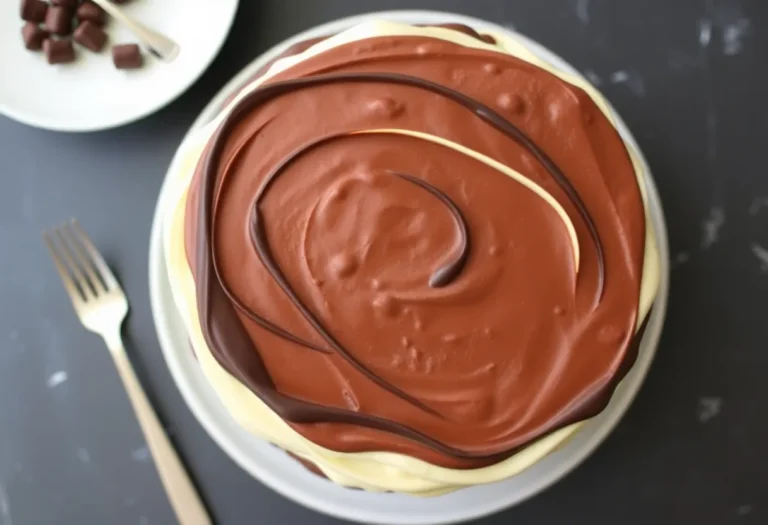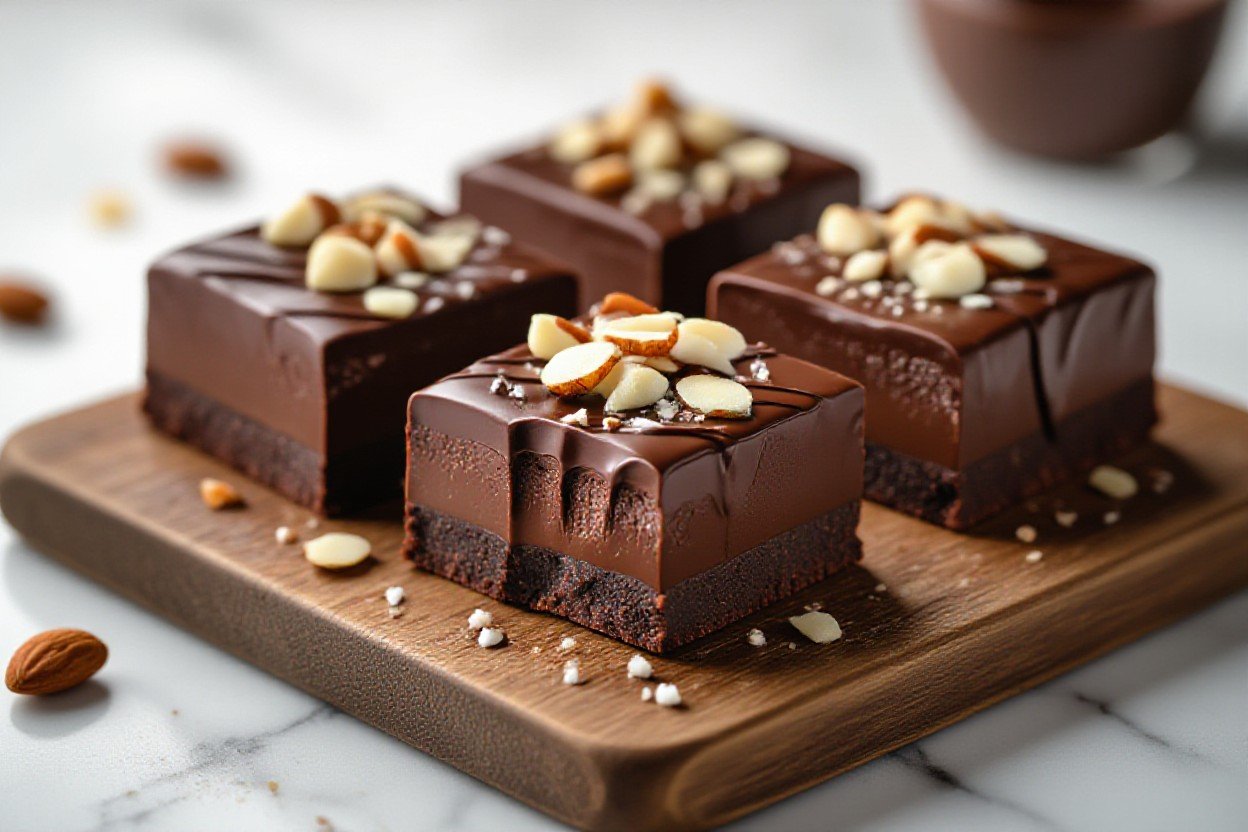
Keto Chocolate Fudge Squares
Most recipes for keto chocolate fudge squares show you how to satisfy sweet cravings without derailing ketosis, and this guide gives clear measurements, ingredient substitutions, and baking tips so you can make dense, creamy squares at home. You’ll learn how to balance low-carb sweeteners, select quality cacao and fats, and adjust texture for slicing and storage. With step-by-step instructions and troubleshooting advice, you can confidently prepare rich, low-carb treats that fit your keto plan and taste indulgent.
Understanding the Keto Diet
What is the Keto Diet?
The ketogenic approach shifts your metabolism from glucose to fat by keeping carbohydrates very low-typically in the 20-50 g per day range-while making fats about 70-75% of your calories and protein roughly 20-25%. That macronutrient profile encourages production of ketone bodies (beta‑hydroxybutyrate, acetoacetate) in the liver; blood BHB levels between about 0.5-3.0 mmol/L indicate nutritional ketosis for most people. You’ll see multiple protocol variations: the Standard Keto Diet (SKD) for everyday maintenance, Cyclical (CKD) and Targeted (TKD) versions for athletes, and higher‑protein adaptations when preserving lean mass is a priority.
In practice, this means replacing high‑carb staples-bread, rice, sugary snacks-with nonstarchy vegetables, avocados, olive oil, fatty fish, and concentrated fat sources like MCT oil or butter. You’ll need to plan electrolytes carefully: increasing sodium, potassium and magnesium often prevents the common “keto flu” during the first 1-2 weeks. Testing-either with blood ketone meters or consistent symptom tracking-lets you dial carb intake and fat quality to keep your body in the metabolic zone you want.
Benefits of a Keto Lifestyle
You’ll frequently notice rapid initial weight change because glycogen depletion releases water-then steady fat loss often follows as your body adapts to oxidizing fat. Many people report reduced appetite and fewer energy swings; ketones provide a stable substrate for the brain, which some studies link to improved mental clarity and fewer midafternoon crashes. Metabolic markers commonly improve within weeks: triglycerides tend to fall and HDL typically rises, while fasting glucose and insulin often decline, allowing some individuals with type 2 diabetes to reduce medication under medical supervision.
Beyond weight and metabolic shifts, ketogenic protocols have established therapeutic roles-most notably in reducing refractory epilepsy severity, where seizure frequency can drop substantially in clinical populations. Athletes who adapt can increase fat oxidation rates during long endurance sessions and may use TKD/CKD approaches to balance performance with low‑carb metabolism. You should also be aware that responses vary: some see LDL increases, others see minimal lipid impact, so tracking is important.
For more depth, monitor concrete metrics: check fasting insulin, HbA1c, standard lipid panels and periodic BHB readings to quantify benefits and guide adjustments. Prioritize unsaturated fats and omega‑3 sources to manage lipid shifts, and consult your clinician if you’re taking glucose‑lowering or blood pressure medications so dosages can be safely adjusted as your physiology changes.
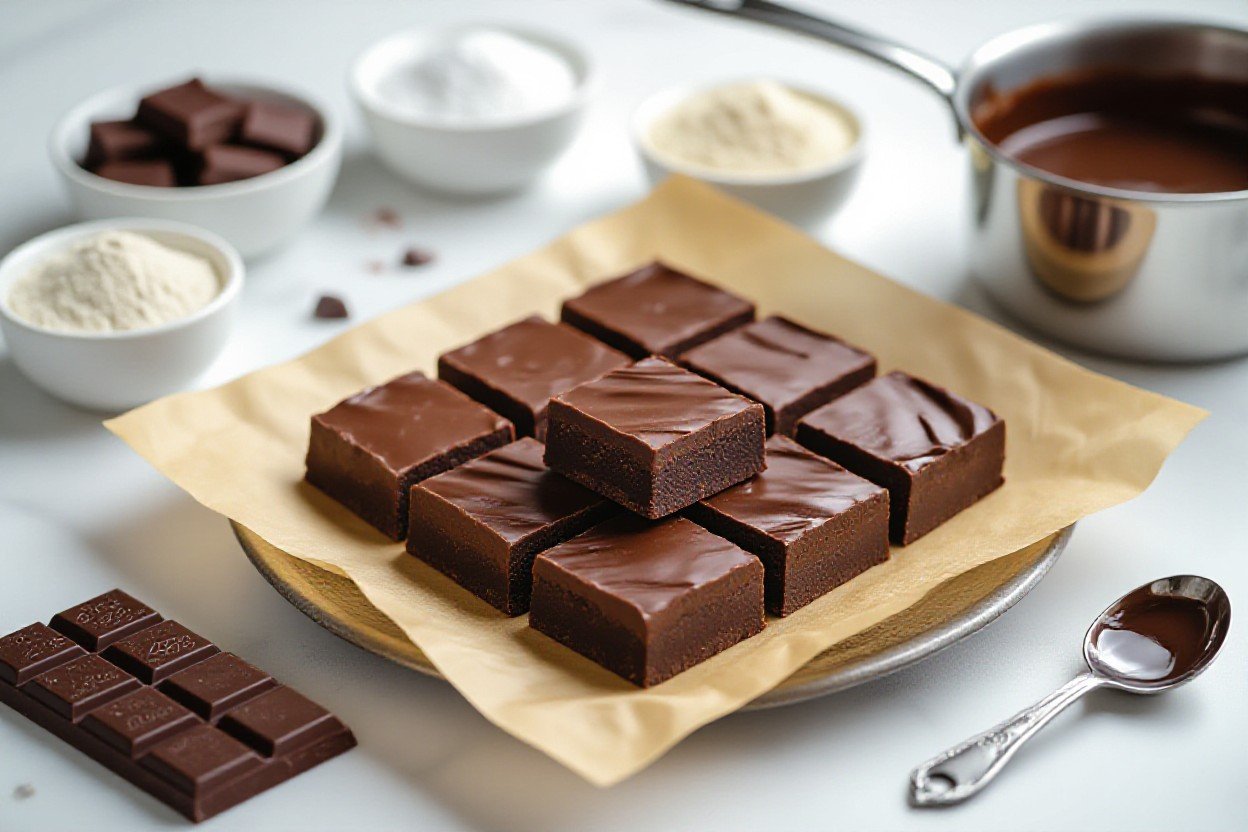
Ingredients for Keto Chocolate Fudge Squares
Essential Ingredients
You’ll want a high-fat base that sets firmly: 1/2 cup (120 ml) coconut oil plus 2 tablespoons (28 g) unsalted butter or ghee gives the glossy, sliceable texture typical of fudge. For chocolate intensity use 3/4 cup (about 75 g) unsweetened cocoa powder; it delivers deep flavor with far fewer carbs than sweetened chocolate. Sweeten with 1/2 cup (about 80-100 g) powdered erythritol or a monk fruit/erythritol blend so the texture stays smooth and not gritty, and add 1 teaspoon vanilla and a pinch of fine sea salt to round out flavor.
You can swap in 1/4 cup (60 g) cream cheese or 2 tablespoons heavy cream if you prefer a creamier mouthfeel-both lower the melting point so you’ll need a shorter chill time. Coconut oil or MCT oil will firm up at room temperature; if you expect warm service conditions, increase butter or add 1-2 tablespoons cocoa butter to raise the setting temperature. These choices also influence macros: a batch made as above, cut into 12 squares, typically lands in the ~2-3 g net carbs per square range when only unsweetened cocoa and sugar-free sweetener are used.
Optional Add-Ins
You can customize texture and flavor with low-carb mix-ins: 1/4 cup chopped pecans or macadamia nuts for crunch, 2 tablespoons unsweetened shredded coconut for chew, or 2 tablespoons sugar-free chocolate chips for pockets of melt. For an espresso kick add 1/2 teaspoon instant espresso powder; for a salted-chocolate finish scatter 1/4 teaspoon flaky sea salt on top before chilling. If you want protein, 1-2 scoops (20-30 g) unflavored collagen peptides blend in without adding sweetness.
Be mindful that add-ins change both texture and total carbs. For example, 1/4 cup (≈30 g) chopped pecans contributes roughly 1-2 g net carbs to the entire batch, so if you cut 12 squares that’s only ~0.1-0.2 g added per square; conversely, 1/4 cup shredded coconut can add more digestible carbs depending on brand, so portion size matters.
To calculate the exact carb impact of any add-in, weigh the ingredient and check the nutrition label: subtract grams of fiber and sugar alcohols (erythritol counts as zero) from total carbs to get net carbs, then divide that number by how many squares you’ll cut. For instance, if an add-in totals 12 g net carbs for the batch and you cut 12 squares, each square gains 1 g net carb-adjust portions or skip an add-in if that pushes you past your target.
Step-by-Step Recipe
| Step | Details |
|---|---|
| 1. Prep | Line an 8×8-inch pan with parchment, measure 1 1/2 cups almond flour, 1/2 cup powdered erythritol, and 6 tbsp melted butter. |
| 2. Crust | Bake 10 minutes at 350°F (175°C) after pressing crust firmly into the pan to set and lightly brown. |
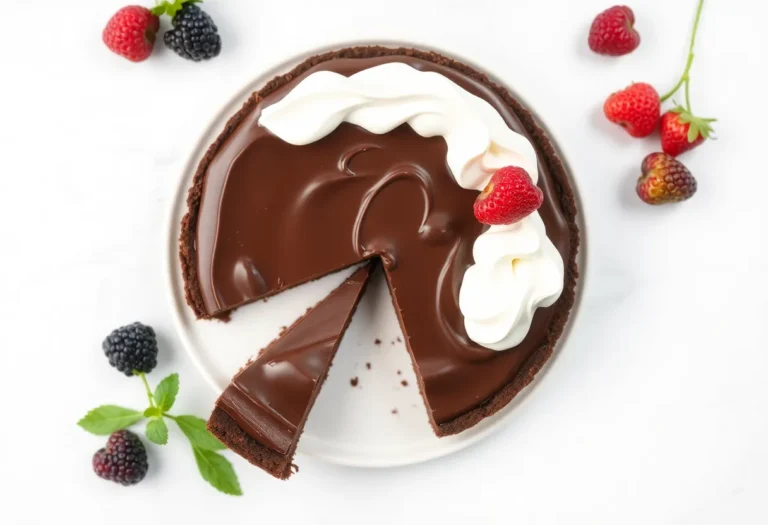
| 3. Filling | Heat 1/2 cup heavy cream until steaming, pour over 8 oz chopped sugar-free dark chocolate and 2 tbsp cocoa powder, whisk until smooth for ganache. |
| 4. Set | Pour ganache over warm crust, chill 2 hours (or freeze 20-30 minutes) until firm; yields about 16 squares. |
| 5. Finish | Score and slice with a hot knife for clean edges, store chilled up to 7 days or freeze for longer. |
Preparation Instructions
You should preheat the oven to 350°F (175°C) and line an 8×8-inch pan so you can remove the whole slab for neat slicing; press the almond-flour crust down with the back of a measuring cup to get a compact, even base. Measure ingredients precisely – 1 1/2 cups almond flour and 1/2 cup powdered erythritol will give the right texture and sweetness balance without crumbling.
When making the ganache, heat 1/2 cup heavy cream to just below boiling (about 180°F / 82°C) before pouring over 8 ounces of chopped sugar-free dark chocolate; let sit 60 seconds then whisk to an even gloss. Cool the ganache 5-10 minutes before pouring so it doesn’t over-soften the crust, and plan for at least 2 hours in the refrigerator to fully set for clean 1-inch squares.
- Weigh your chocolate and sweetener for consistent results across batches.
- Use a warm, sharp knife and wipe between cuts to get precise 16 squares.
- This preserves shiny ganache and keeps edges crisp.
Baking Tips
If you bake the crust for 10 minutes at 350°F (175°C), it will develop a light toasty flavor and hold up to the ganache without soaking; aim for a pale golden edge rather than deep brown to avoid bitterness. Pressing the crust evenly to about 1/4-1/3 inch thickness yields squares that balance base-to-filling ratio and gives roughly 16 servings.
Temperature control is important when melting chocolate: use a double boiler or heat the cream and pour over chopped chocolate to avoid seizing, and stir in 1-2 tablespoons of butter or coconut oil if you want a silkier mouthfeel. If you need faster setting, place the pan in the freezer for 20-30 minutes but monitor closely to prevent frosting from becoming brittle.
For variation, toast 1/4 cup chopped nuts and press them into the crust before baking for added crunch, or fold 1 tsp vanilla and a pinch of sea salt into the ganache to amplify chocolate flavor without extra carbs.
- Rotate the pan halfway through the crust bake if your oven has hot spots to ensure even browning.
- Cool the baked crust on a wire rack for 5 minutes before adding warm ganache to prevent steam pockets.
- This helps you achieve even texture and professional-looking squares.
Nutritional Information
Macronutrient Breakdown
Per 1-inch square (about 28 g) you can expect roughly 180 kcal, 16 g fat, 3 g protein and approximately 2 g net carbohydrates. Typical ingredient sources shift those numbers: fats come mainly from coconut oil or cocoa butter and almond butter, protein from almond flour, and the small carb load from cocoa powder and any added sweetener. A common label example reads total carbs 6 g, fiber 3 g and erythritol 1 g, yielding net carbs = 6 − 3 − 1 = 2 g per square, so factor in which sugar alcohol or soluble fiber you use when tracking.
If you swap ingredients the macros change predictably: using heavy cream or full-fat Greek yogurt in a variation raises calories and saturated fat, while adding a scoop of collagen or whey can boost protein to 7-10 g per square. Choosing MCT oil or a higher-MCT coconut oil increases the medium‑chain triglyceride content, which alters how the fat is metabolized without adding carbs. Always weigh your portions and log brand-specific nutrition facts-small differences in almond flour or sweetener concentration can shift net carbs by 0.5-1 g per serving.
Serving Suggestions
Pair a single square with a small espresso or 2-3 raspberries (those berries add only about 1 g net carb) for a satisfying treat that keeps your daily carbs low; you can also crumble one square over 2 tbsp full‑fat Greek yogurt to add texture while keeping net carbs modest. If you’re tracking macros tightly, use one square as a fat-bomb portion-its high fat content helps satiety, so you may find one piece replaces the need for more caloric snacks later in the day.
Store your squares in an airtight container in the refrigerator for up to 2 weeks or freeze portions for up to 3 months; thaw at room temperature for 10-15 minutes before serving to restore the fudgy texture. When packing them for work or travel, place parchment between squares to prevent sticking and weigh each portion if you plan to fit the treat into a precise keto meal plan or post‑workout snack paired with a small protein source.
Storage and Shelf Life
Best Practices for Storage
Store the squares in a shallow, airtight container with layers separated by parchment or wax paper to prevent sticking; cutting them into uniform 1-inch squares before storing makes portioning and stacking much easier. Keep the container in the coldest part of your refrigerator (about 35-40°F / 2-4°C) if you plan to eat them within 10-14 days, and label the container with the date so you can track freshness at a glance.
If you want longer-term storage, freeze single layers on a baking sheet for 1-2 hours, then transfer to a vacuum-sealed bag or freezer-safe container; frozen at 0°F (-18°C) they maintain best quality for about 2-3 months and remain safe for up to 6 months. Bear in mind that sweetener choice affects texture: recipes sweetened with allulose stay softer after refrigeration, while erythritol-based fudges can recrystallize and taste slightly gritty when chilled, so plan storage and serving temperature accordingly.
How Long They Last
At room temperature you should only leave keto fudge squares out for up to 24-48 hours, and less if your kitchen exceeds 70°F (21°C); beyond that you risk texture degradation and accelerated fat oxidation. In the refrigerator expect reliable quality for about 10-14 days when stored airtight, though if your recipe uses more fresh cream and fewer stabilizers aim for the lower end of that range.
Frozen squares hold their texture and flavor best for 2-3 months; after thawing in the refrigerator overnight they usually recover well, but you may notice minor separation or firmness changes – gently bring them to room temperature for 20-30 minutes before serving to restore chew and mouthfeel. Check for off odors, visible mold, or a distinctly sour taste as clear signs you should discard any remaining pieces.
Variations and Customizations
You can tweak the base ratio of fat to cocoa to change texture and richness: for a softer, silkier square use about 1/4 cup coconut oil plus 2 tablespoons heavy cream (or coconut cream for dairy-free), while reducing total fat to 2 tablespoons will give a firmer bite that holds clean slices. Target portioning based on yield-if your batch makes 12 squares, aim to keep each piece around 3-5 g net carbs by totaling recipe carbs and dividing by 12 so you know how each variation affects your macros.
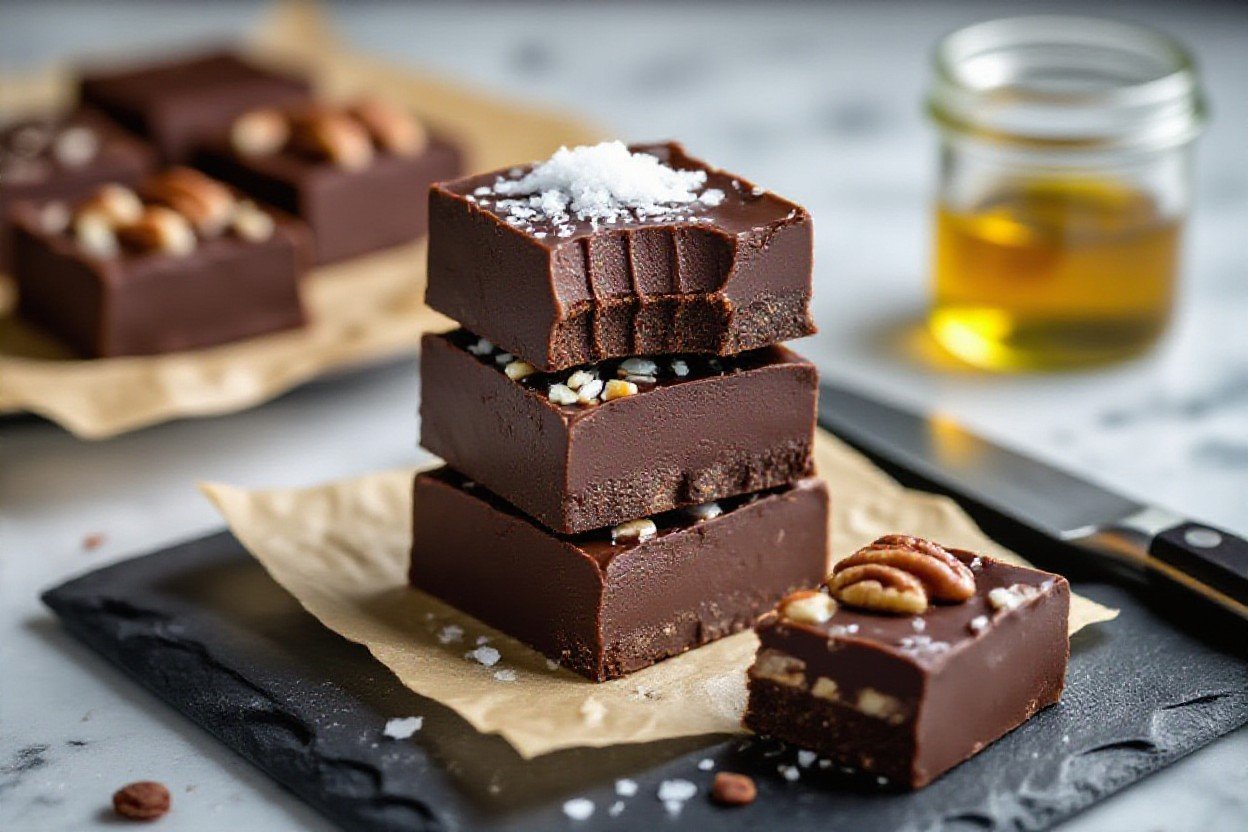
Small inclusions and finishing touches make a big difference: folding in 1/4 cup chopped toasted pecans or 2 tablespoons cocoa nibs adds crunch without many carbs, and a light sprinkle of flaky sea salt (about 1/8 teaspoon across the top) amplifies chocolate depth. Plan for at least 90-120 minutes of chill time in the fridge to set correctly after adjustments to fat or liquid, and test one square before committing to a flavor change for the whole batch.
Flavor Alternatives
For a mocha kick stir in 1 teaspoon instant espresso powder; a bright orange-chocolate pairing works well with 1 teaspoon finely grated orange zest and 1/8 teaspoon vanilla to balance bitterness. You can make peppermint squares by adding 1/4 teaspoon peppermint extract and folding in 2 tablespoons chopped, unsweetened dark chocolate (85%+) for texture; alternatively, stir 2 tablespoons almond butter into the melted mix for a marbled almond-chocolate version.
Spice-driven options are effective too: 1/2 teaspoon cinnamon and a pinch (1/16-1/8 teaspoon) cayenne give a Mexican-chocolate profile, while 2 tablespoons toasted unsweetened coconut plus 1/4 cup chopped macadamias create a tropical treat. Use powdered erythritol or a monk fruit blend to avoid grittiness when adding dry inclusions, and adjust quantities in small increments-start with the amounts above and scale after tasting one square.
Dietary Modifications
To make the squares dairy-free replace butter 1:1 with solid coconut oil and substitute 2 tablespoons heavy cream with 2 tablespoons full‑fat coconut cream; that swap preserves mouthfeel while keeping net carbs low. For nut‑free adaptations use sunflower‑seed butter or pumpkin‑seed butter in a 1:1 ratio for any nut butter called for, and swap almond flour for sunflower seed flour at roughly a 1:1 volume basis-expect a slightly greener hue and adjust cocoa or vanilla to balance the flavor.
Sweetener choices affect both taste and texture: a 1:1 erythritol-monk fruit blend generally matches sugar sweetness without significant cooling, powdered erythritol prevents grit, and allulose is about 70% as sweet so you may need roughly 25-30% more to match sweetness; combine sweeteners (for example, 2 parts erythritol blend + 1 part allulose) to get a smoother mouthfeel and lower recrystallization. Adding 1/8-1/4 teaspoon xanthan gum or an extra tablespoon of coconut cream helps stabilize texture when you switch sweeteners or go fully dairy‑free.
Summing up
As a reminder, Keto Chocolate Fudge Squares offer a dense, satisfying way to enjoy chocolate while keeping your carbs low; when you make them with high-quality unsweetened chocolate, powdered erythritol or stevia blends, and almond or coconut flour, you keep net carbs minimal and retain rich flavor. You can use them as a controlled treat to support adherence to a ketogenic plan, monitor portion sizes to fit your daily macros, and tweak sweetness or fat content to suit your taste and energy needs.
Store your squares chilled to preserve texture and slice them into measured servings so you know the carb count per piece, and freeze extras for convenient, keto-compliant snacks. If you want to vary the recipe, you can add toasted nuts, a pinch of sea salt, or a keto-friendly extract, but always recalculate macros after substitutions so your intake stays aligned with your goals.
Printable Recipe Card
Want just the essential recipe details without scrolling through the article? Get our printable recipe card with just the ingredients and instructions.