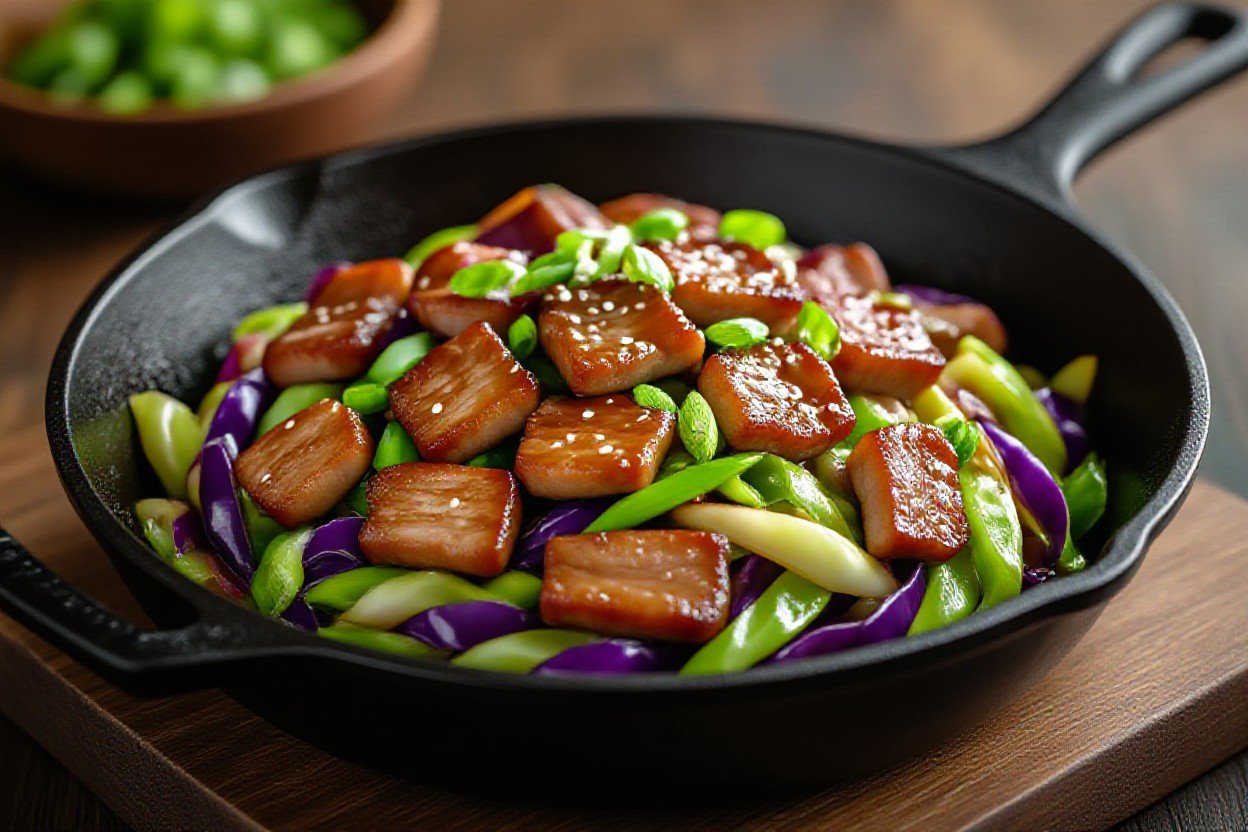
Keto Cabbage Stir Fry
Most keto-friendly meals are simple, and Keto Cabbage Stir Fry shows you how to turn humble cabbage, fragrant aromatics, and healthy fats into a quick, flavorful low-carb dinner you can rely on during busy weeknights. You’ll learn technique, timing, and seasoning to preserve crunch, boost flavor, and keep carbs low while stretching your grocery budget without sacrificing satisfaction.
What is Keto Cabbage Stir Fry?
You get a high-volume, low-net-carb stir fry that leverages cabbage as the main vegetable while leaning on fats and proteins to meet keto macros. A typical 100 g of raw green cabbage contains roughly 25 kcal, about 5.8 g total carbs and 2.5 g fiber, yielding roughly 3.3 g net carbs; that makes 200 g of shredded cabbage a sensible base at ~6-7 g net carbs per serving. By using fattier proteins and minimizing sweetened sauces, the dish stays within a 20-50 g daily net-carb target that many ketogenic plans follow.
Texture and speed matter: you achieve tender-crisp cabbage in just a few minutes over high heat, which preserves nutrients and adds caramelized edges that carry flavor without sugar. When you combine 2 cups of shredded cabbage (≈160-200 g) with 1-2 tablespoons of oil and a protein like 100-150 g of pork or shrimp, you get a filling plate that’s low in carbs, moderate in protein, and high in satiating fat-ideal for keeping you in ketosis while satisfying hunger.
Overview of Ingredients
You should choose cabbage varieties based on texture and sweetness: green cabbage gives a classic crunch, Napa softens faster and soaks up sauces, and savoy adds a delicate leaf structure for a more refined mouthfeel. For fats pick avocado oil, ghee, or sesame oil (1 tbsp provides ~14 g of fat); for proteins use pork belly, ground pork, chicken thighs, or shrimp – 100 g of cooked chicken thigh has about 9-11 g fat and 20-25 g protein, which helps balance the plate.
Flavor comes from aromatics and low-carb seasonings: garlic, ginger, scallions, chili flakes, tamari or coconut aminos (use sparingly-1 tbsp coconut aminos can have several grams of carbs), and toasted sesame oil for finishing. For crunch and extra calories that fit keto, add 1-2 tbsp of sesame seeds or a small handful (20-30 g) of chopped macadamia nuts, or use crushed pork rinds as a zero-carb topper.
Nutritional Benefits of Cabbage
Cabbage delivers micronutrients that punch above its weight: about 36 mg of vitamin C per 100 g (roughly half of many adults’ daily needs), around 76 µg of vitamin K, and 40-45 µg of folate, plus 2.5 g of fiber. Those vitamins support immune function, blood clotting, and cell repair, while the fiber helps slow glucose absorption and increases satiety-useful for stabilizing blood sugar during a low-carb regimen.
Phytochemicals like glucosinolates and polyphenols in cabbage provide anti-inflammatory and potential cancer-protective effects in several observational studies, and the low-calorie density (≈25 kcal/100 g) lets you eat a large volume without spiking carbs. When you prioritize quick, high-heat cooking, you preserve more of those water-soluble nutrients compared with long boiling.
Fermenting cabbage into sauerkraut or quick-pickling it adds probiotics and keeps carbs low, giving you gut-supporting bacteria that can improve digestion on a high-fat diet; also, pairing cabbage with dietary fat increases absorption of fat-soluble vitamin K, amplifying its nutritional value in a keto meal.
Health Benefits of a Ketogenic Diet
You’ll notice the ketogenic state shifts multiple metabolic levers at once: ketone bodies like beta-hydroxybutyrate (BHB) at typical nutritional levels (about 0.5-3.0 mmol/L) provide an alternative fuel while lowering circulating insulin, which promotes fat mobilization and stabilizes blood glucose. Clinical and observational data show that within weeks you can see improvements in fasting glucose, reductions in triglycerides, and rises in HDL cholesterol; small trials often report meaningful drops in HbA1c (~0.5-1.5 percentage points) for people with type 2 diabetes over 3-6 months.
Because the diet changes both substrate use and appetite signaling, you’ll get compound benefits-faster fat loss, fewer glucose swings, and metabolic marker improvements-that make dishes like a keto cabbage stir fry not only satisfying but supportive of these shifts.
Weight Loss and Metabolism
When you restrict carbs and enter ketosis, insulin falls and lipolysis increases, so your body accesses stored fat more readily; many people experience rapid initial losses (often 1-4 kg in the first week from glycogen and water) followed by steady fat loss. Randomized trials comparing low-carb/ketogenic patterns to low-fat diets frequently show greater short-term weight loss-commonly 3-5 kg more at 3-6 months-largely because ketones blunt appetite and stabilize post-meal blood sugar. If you start at 90 kg, a typical 5-10% weight reduction equates to 4.5-9 kg, which measurably lowers cardiometabolic risk.
Maintain adequate protein (roughly 1.2-1.6 g per kg of ideal body weight) and resistance work and you’ll preserve lean mass while losing fat; some controlled metabolic studies also report a modest uptick in energy expenditure in early adaptation (on the order of ~100-300 kcal/day), which can further aid weight-loss momentum.
Reduced Inflammation
BHB acts as a signaling molecule that directly suppresses the NLRP3 inflammasome and reduces production of pro-inflammatory cytokines such as IL‑1β, so when you sustain mild nutritional ketosis you lower molecular drivers of chronic inflammation. You’ll often see downstream biomarker changes-CRP and IL‑6 decline in many trials-and foods common in a keto cabbage stir fry, like cabbage and garlic, add anti-inflammatory phytonutrients (glucosinolates, allicin) that complement the ketone effect.
In practical terms, that means you may experience less joint stiffness, fewer glucose-driven inflammatory spikes, and modest biomarker improvements: several small studies report CRP reductions in the neighborhood of 10-30% over 8-12 weeks on low-carb/ketogenic protocols, especially in people with metabolic syndrome or elevated baseline inflammation.
Essential Ingredients for Keto Cabbage Stir Fry
Cabbage Varieties
Green cabbage is the workhorse here: it delivers about 2-4 g net carbs per 100 g, a tight, crunchy texture and a neutral flavor that soaks up sauces, so you can use 300 g (roughly half a medium head) and keep net carbs near 9 g for the whole batch. Napa cabbage cooks faster and gives a softer, slightly sweet result with even lower net carbs per 100 g, making it ideal if you want a silkier stir fry without overcooking. Savoy adds crinkly leaves that hold onto bits of protein and sauce, giving you more mouthfeel with the same low-carb profile.
When you prep, slice thickness changes the outcome: thin ribbons wilt in 3-4 minutes on high heat, while chunky wedges need 6-8 minutes to tenderize. If you’re balancing portions, combine types-use two-thirds green for structure and one-third napa for tenderness-to get both texture and efficient carb control in a single pan.
Protein Options
You can anchor the dish with pork (ground pork or thin-sliced pork belly), beef (ground or flank), or chicken thigh; chicken breast works too but is leaner. Expect roughly 25-31 g protein per 100 g for common animal choices (chicken breast ≈ 31 g, ground beef ≈ 26 g, shrimp ≈ 24 g), so plan portion sizes to hit your target macros. Choosing fattier cuts like pork belly or dark meat chicken increases calories from fat, which helps keep the meal ketogenic without extra added oils.
If you prefer plant-based, firm tofu and tempeh are usable in moderation-firm tofu has around 8 g protein per 100 g and low net carbs, while tempeh is higher in protein but contains more carbs, so adjust portions. Eggs are an easy, nearly zero-carb addition you can scramble into the cabbage for quick extra protein and emulsified richness.
For practical macro balancing, aim for 150-200 g of your chosen protein per person (roughly 30-50 g protein) and add 1-2 tablespoons of oil or a small knob of butter to push fat up into the 20-30 g range per serving; that combination with ~300 g cabbage gives a satisfying, keto-friendly plate without complicated meal prep.
Flavor Enhancers and Spices
Tamari or low-sodium soy sauce, fish sauce, and rice vinegar form the backbone of the flavor profile-use about 1-2 tablespoons of tamari (near zero carbs) and 1 tablespoon of rice vinegar to brighten the pan. Coconut aminos is sweeter and adds roughly 2-4 g carbs per tablespoon, so you should use it sparingly if keeping strict carbs; finish with toasted sesame oil (1 teaspoon) for aroma rather than cooking with it at high heat. Fresh aromatics-2-3 cloves garlic and a thumb of ginger per 300-400 g cabbage-provide immediate savory depth when smashed or finely minced and hit the hot oil first.
Dry spices and toppings like cracked black pepper, red pepper flakes (start with 1/4-1/2 teaspoon), and toasted sesame seeds (1 teaspoon) let you dial heat and texture without adding carbs. Scallions and cilantro add fresh green notes at the end; a squeeze of lime or 1 tablespoon of rice vinegar at plating lifts flavors while adding negligible carbs.
Build flavors in layers: sweat garlic and ginger for 30-60 seconds to release oils, brown your protein to create fond, deglaze with 1-2 tablespoons tamari or a splash of stock, then toss in cabbage and cook to your preferred doneness for 3-6 minutes. Finish by adjusting acidity and fat-add a teaspoon of sesame oil and a splash of vinegar-so you get the full umami-sour-fat balance that makes the stir fry feel complete while keeping net carbs low.
Step-by-Step Cooking Instructions
| Step | Details |
|---|---|
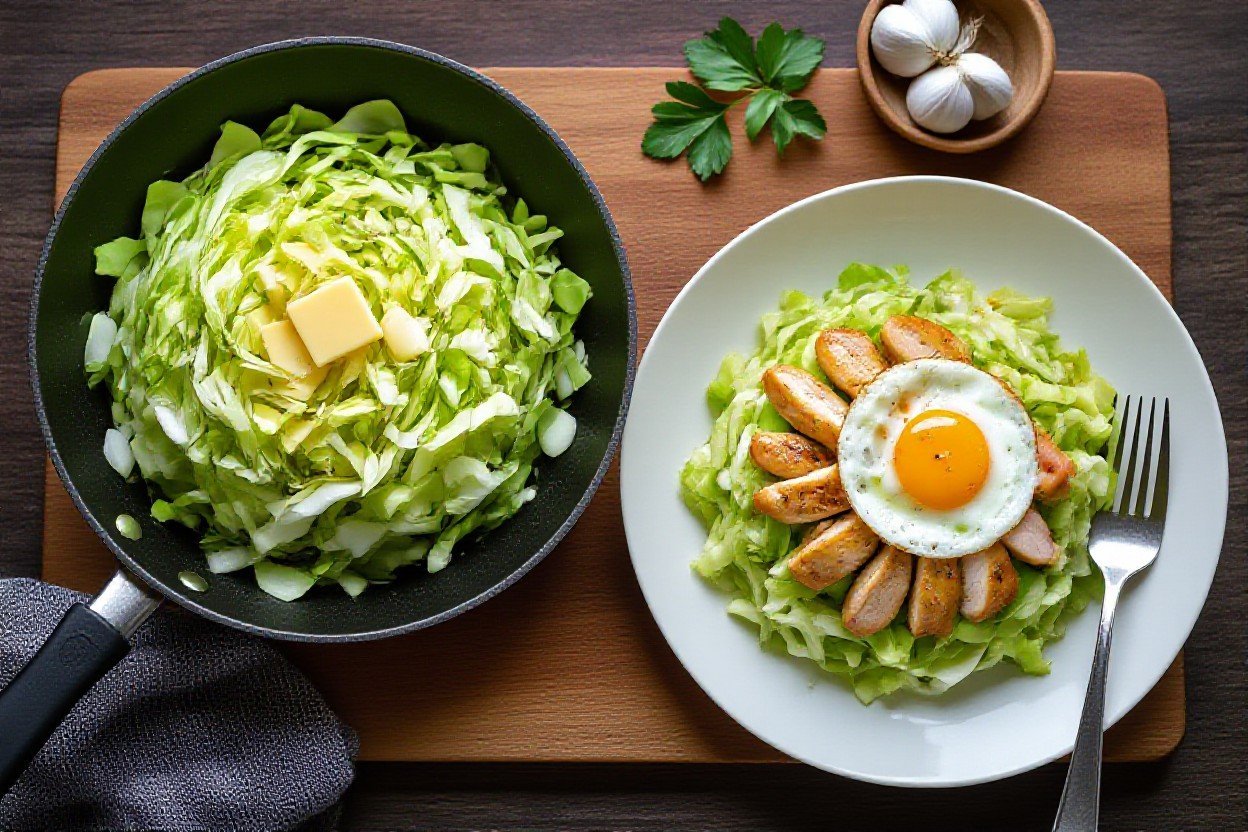
| Preparation | Shred 4 cups (about 400-500 g) cabbage into 1/4″ ribbons, mince 2 cloves garlic and grate 1 tsp ginger; measure 2 tbsp avocado oil and 1-2 tbsp tamari or coconut aminos for sauce. |
| Cooking Process | Use a 12″ skillet or wok over medium-high (approx. 375°F/190°C). Stir-fry protein and aromatics, add cabbage and toss for 6-8 minutes until wilted with some bite; finish with sesame oil and scallions. |
Preparation
Start by setting up mise en place: shred about 4 cups of cabbage (400-500 g) into 1/4″ ribbons so it cooks evenly, thinly slice 1 small onion if using, and mince 2 cloves garlic plus 1 tsp fresh ginger. Measure proteins and fats-2 tbsp avocado oil, 4 oz (115 g) diced pork or chicken, or 3-4 strips of bacon rendered first-to keep your timing predictable across batches.
Mix your sauce in a small bowl: 1-2 tbsp tamari or coconut aminos, 1 tsp sesame oil, and 1 tsp rice vinegar or lime juice for acidity; this quantity flavors 4 servings without adding >1-2 g net carbs per serving. Pat any wet ingredients dry so they sear instead of steaming, and have a spatula ready to keep continuous tossing to prevent overcooking.
Cooking Process
Heat a 12-inch skillet or wok to medium-high (about 375°F/190°C) and add 2 tbsp avocado oil. If using bacon or pork, render it first for 4-6 minutes until browned, then remove and reserve; add garlic and ginger, stir 20-30 seconds until fragrant, then add cabbage and sliced onion. Toss constantly and spread the cabbage in an even layer for 20-30 seconds to get light browning, then stir-repeat for 6-8 minutes until the cabbage has reduced by roughly 25-35% and remains slightly crisp.
Return any cooked protein to the pan, pour in the prepared sauce, and cook 1-2 minutes until the sauce clings to the leaves and reduces slightly; finish with 1 tsp sesame oil and 2 tbsp chopped scallions. Total active cook time should be about 10-12 minutes, which preserves texture and yields noticeable charred edges that boost savory flavor without adding carbs.
If scaling up, cook in two batches to avoid overcrowding-overfilled pans steam and you lose that caramelized flavor; for a final sear, push the pan to high heat for the last 30-45 seconds and toss vigorously to develop fond, then deglaze briefly with 1-2 tbsp water or stock if needed to lift browned bits into the sauce.
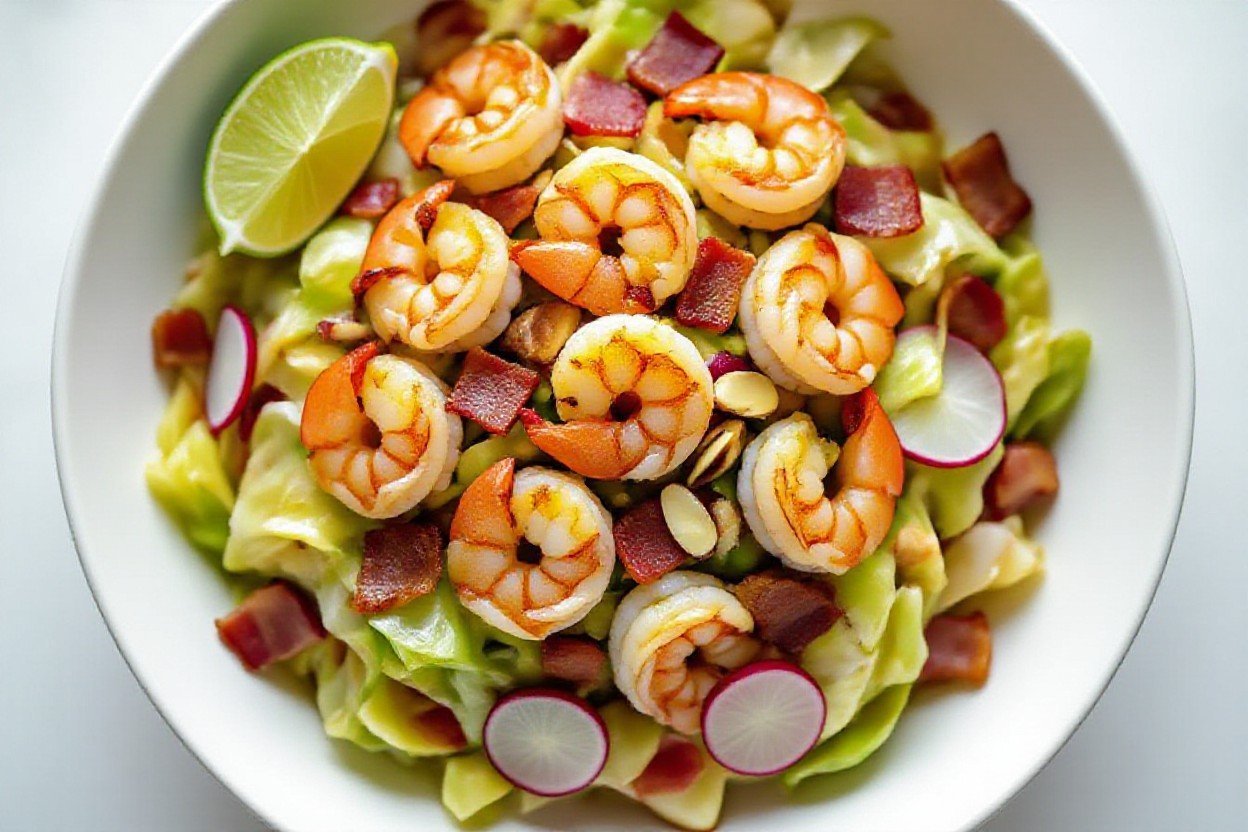
Variations and Additions
You can switch proteins and flavorings to keep this stir fry in rotation without losing its keto profile: try 6 oz (170 g) thinly sliced chicken thigh, 6-8 medium shrimp, or 100 g firm tofu as straightforward swaps, and add two large eggs scrambled in at the end for extra fat and protein. For sauces, replace soy with 1 tbsp coconut aminos to cut sodium, add 1 tsp toasted sesame oil for aroma, or stir in 1-2 tsp chili garlic sauce for heat; small changes like 1-2 tbsp of heavy cream or a tablespoon of butter will lift richness while keeping carbs low.
You can also introduce texture with low-carb nuts and seeds: 2 tbsp chopped macadamias (about 30 g) or 1 tbsp toasted sesame seeds provide crunch and ~3-5 g extra fat per serving. When increasing portion sizes, aim to keep total net carbs per plate under your target (commonly 20-30 g per day for strict keto) by balancing vegetables and fats-adding a higher-fat garnish such as 1 oz (28 g) crumbled feta or 2 tbsp mayonnaise keeps calories up without spiking carbs.
Vegetarian Options
You’ll get the best keto-vegetarian results by prioritizing low-carb plant proteins: 100 g firm tofu contains roughly 2 g net carbs and takes on marinades (use 1 tbsp tamari and 1 tsp rice vinegar) while 100 g paneer or halloumi also stay under about 2-3 g net carbs and give a chewy, satisfying bite when seared. Tempeh works if you track portions-100 g tempeh has closer to 9 g carbs-so use 50-75 g max and bulk with leafy greens.
You can boost umami and micronutrients with 1-2 tbsp nutritional yeast (adds B vitamins and cheesy flavor) or a teaspoon of miso dissolved into the sauce for depth; add two eggs or 30-40 g of grated hard cheese per serving to reach 20-30 g protein without adding significant carbs. For texture variety, toss in 50 g sliced shiitake mushrooms (about 1-2 g net carbs) and sear until golden before combining with the cabbage.
Adding More Vegetables
You should choose vegetables with low net carbs so you can increase volume without exceeding your daily limit: 100 g broccoli (~4 g net carbs), 100 g zucchini (~3 g net carbs), 100 g spinach (~1-2 g net carbs), and 100 g cauliflower rice (~3 g net carbs) are excellent options. Start by adding 100-150 g of a single extra vegetable per two servings of stir fry to keep per-plate carb additions in the 3-6 g range, then adjust based on your personal carb allowance.
You’ll get better texture by staggering cook times: add denser vegetables like broccoli or carrots (if you use them) first and stir-fry 3-4 minutes, then add mushrooms or bell peppers for 1-2 minutes, and finish with spinach or bok choy which wilt in under a minute. Use 1 tbsp oil or butter per extra 150 g of vegetables to maintain mouthfeel and to help fat-soluble flavors distribute.
For a practical example, combine 100 g broccoli (~4 g net carbs) with 75 g sliced mushrooms (~1 g net carb) and 50 g riced cauliflower (~1.5-2 g net carbs) to add roughly 6-7 g net carbs total while increasing fiber and portion size-this keeps the dish filling and still compatible with most ketogenic targets.
Tips for a Perfect Stir Fry
Use high heat and prep everything before you light the burner: a wok or heavy skillet should be smoking-hot in 2-3 minutes over medium-high to high heat (around 400-450°F surface temperature). Cut your cabbage into 1/4-inch ribbons so pieces cook evenly-3 cups shredded cabbage for a single serving cooks down to about 1 cup in 3-5 minutes. Choose oils with a high smoke point (avocado oil ~520°F, grapeseed ~420°F) and keep sesame oil for finishing to preserve its aroma. Saute aromatics (1 tsp garlic, 1 tsp ginger per 4 cups veg) for 20-30 seconds before adding proteins or cabbage to avoid burning.
- Batch cook in 2-cup turns so the pan stays hot and you get quick sear marks rather than steaming.
- Pat proteins dry: a 6-8 oz chicken breast slices will brown in 2-3 minutes per side; ground pork takes 5-6 minutes until fully browned.
- Deglaze with 1-2 tbsp of tamari, apple cider vinegar, or water to lift fond and create a glossy sauce without added carbs.
- Add a tablespoon of toasted sesame oil or 1 tsp chili oil off heat for depth; a sprinkle of toasted sesame seeds adds 30-40 kcal and texture per tablespoon.
Recognizing the moment the cabbage turns tender-crisp with light char-typically 3-5 minutes-is how you avoid sogginess and keep bright, concentrated flavors.
Cooking Techniques
You should preheat your pan until a drop of water skitters and use a single, high-heat oil to get that quick sear. Start by searing proteins first to develop Maillard browning (2-3 minutes per side for thin slices), remove them, then cook sturdier aromatics and vegetables: carrots 2-3 minutes, bell peppers 2 minutes, and cabbage last for 3-5 minutes so it retains bite. Toss continuously with a spatula or shake the wok every 20-30 seconds to ensure even charring and prevent steaming.
If you want crisp-tender results, keep batches small-2 cups of vegetables per 10-inch skillet works well-and avoid overcrowding. When using sauces, mix them in a small bowl (2 tbsp tamari, 1 tbsp rice vinegar or apple cider vinegar, 1 tsp sweetener alternative if desired) and add at the end, cooking 30-60 seconds to thicken; finish with a squeeze of citrus or 1 tbsp chopped fresh herbs to lift the final plate.
Storing and Reheating
Cool your stir fry to room temperature within an hour and transfer to airtight containers; it will keep in the refrigerator for 3-4 days. If you choose to freeze, portion into meal-sized containers-shelf life in the freezer is 1-2 months, though cabbage will lose some crispness and become softer on thawing. When reheating from chilled, a hot skillet over medium-high for 3-5 minutes with a splash (1-2 tbsp) of water or broth brings moisture back while preserving texture.
For best safety and quality, reheat mixtures containing meat to an internal temperature of 165°F (74°C) and, if reheating from frozen, thaw overnight in the fridge or reheat covered in a pan for 8-10 minutes until steaming through. Revive flavor and texture by adding fresh aromatics (1 tsp minced garlic, 1 tsp ginger) or a quick squeeze of lemon or lime just before serving; a 1-2 minute broil or 60-90 seconds in a very hot pan can help re-crisp edges without overcooking the center.
Conclusion
The Keto Cabbage Stir Fry is a versatile, low-carb dish that lets you enjoy bold flavors while keeping your net carbs low; you can rely on quick, high-heat cooking to maintain crunch and nutrients, add a protein like chicken, pork, or tofu to boost satiety, and use coconut aminos, chili, and toasted sesame for depth without sugar. You can scale servings easily, control fats to meet your macros, and adapt spices and aromatics to match your palate while preserving the simplicity that makes this recipe a reliable weeknight option.
You should store leftovers chilled and reheat briefly to avoid sogginess, and you can rotate cabbage with other low-carb greens when you want variety; by focusing on texture, seasoning, and proper storage, you ensure your Keto Cabbage Stir Fry remains a practical, flavorful component of your ketogenic meal plan.
Printable Recipe Card
Want just the essential recipe details without scrolling through the article? Get our printable recipe card with just the ingredients and instructions.