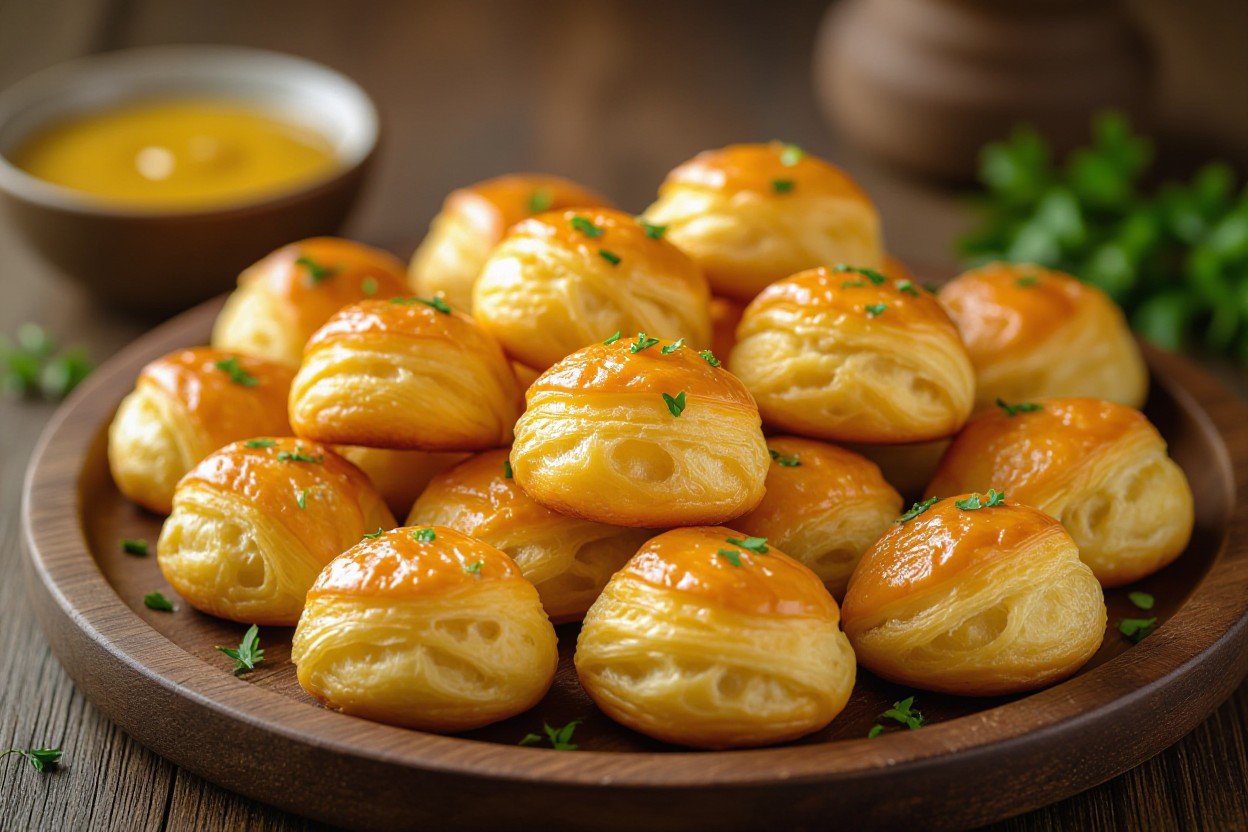
Herb and Cheese Gougères
You might recognize these delightful French cheese puffs from upscale cocktail parties or bistro menus, but making gougères at home is simpler than you’d expect. These light, airy pastries combine the richness of choux dough with sharp cheese and fragrant herbs to create an irresistible bite-sized treat. Whether you’re hosting a dinner party or looking to elevate your appetizer game, these versatile puffs will transform your culinary repertoire. With just a few basic techniques and quality ingredients, you’ll master these elegant French classics in your own kitchen.
Key Takeaways:
- Gougères rely on the perfect moisture balance – too wet batter results in flat pastries, while too dry produces dense, heavy puffs
- The success of these French cheese puffs depends on properly incorporating eggs one at a time, ensuring each is fully mixed before adding the next
- Piping the dough while still warm (but not hot) helps achieve the characteristic hollow center and crispy exterior
The Art and Science of Perfect Gougères
Creating exceptional gougères relies on understanding both culinary artistry and precise kitchen science. The delicate balance of steam, protein structure, and fat content determines whether your choux pastry rises into airy, golden puffs or falls flat. Temperature control plays a vital role – your oven must maintain a steady 400°F (200°C) to generate the perfect amount of steam, while your ingredients should all start at room temperature to ensure proper emulsion.
Essential Ingredients: Beyond the Basics
While standard gougères require basic pantry staples like flour, butter, and eggs, elevating your recipe demands thoughtful ingredient selection. European-style butter with its higher fat content (82-86%) provides superior flavor and helps create a more stable pastry structure. Fresh herbs like thyme, chives, or tarragon should be thoroughly dried before adding to prevent excess moisture from compromising the delicate dough.
Your cheese selection significantly impacts both texture and taste. Aged Gruyère offers the ideal balance of sharp flavor and melting properties, while a combination of Parmesan and aged cheddar creates complex flavor layers. For best results, grate your cheese fresh – pre-shredded varieties often contain anti-caking agents that can affect the final texture.
The Importance of Technique: Achieving Fluffiness
Mastering the proper technique transforms simple ingredients into ethereal cheese puffs. The panade (the cooked mixture of water, butter, and flour) must be vigorously stirred over medium heat until it forms a smooth, glossy ball that pulls away from the pan’s sides. This step develops the gluten structure necessary for proper rising.
Adding eggs gradually while maintaining a consistent mixing speed ensures proper incorporation without deflating the mixture. You’ll know you’ve achieved the right consistency when the dough forms a V-shaped ribbon that slowly falls from your spatula. Piping the dough immediately, while still warm, helps maintain its structure and results in more uniform puffs.
The final step of baking requires careful attention to timing and temperature. Opening the oven door during the first 20 minutes can cause your gougères to collapse, as the sudden temperature change disrupts the steam that creates their signature hollow centers. A small slit in each puff five minutes before finishing allows excess moisture to escape, ensuring a crisp exterior.
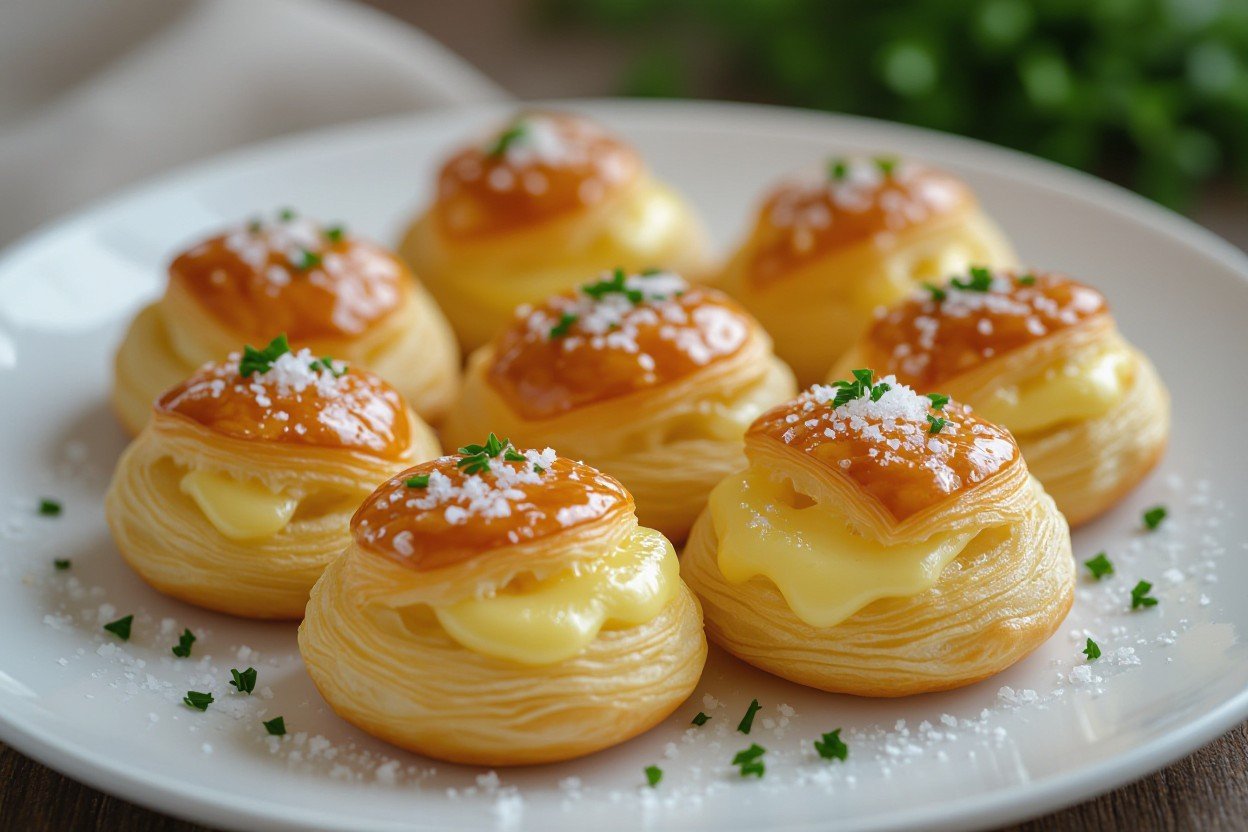
Flavor Profiles: Elevating Your Gougères with Herbs and Cheese
Choosing the Right Cheese: Pairing for Peak Flavor
Gruyère stands as the traditional choice for gougères, offering a perfect balance of nutty depth and melting properties. Your gougères will benefit from this Alpine cheese’s complex flavor profile that intensifies during baking. For variations, aged Comté provides similar characteristics with a slightly more pronounced flavor, while Emmental offers a milder, sweeter note that pairs beautifully with delicate herbs.
Consider creating custom cheese blends to develop unique flavor signatures in your gougères. A combination of sharp aged cheddar with Parmigiano-Reggiano adds a sophisticated tang, while mixing Gruyère with creamy Fontina results in an exceptionally smooth texture. The key ratio for cheese blending is 70% primary cheese (like Gruyère) to 30% accent cheese, ensuring proper melting while maintaining distinctive flavors.
Herbs That Transform: Fresh vs. Dried
Fresh herbs inject bright, vibrant notes into your gougères, with chives and thyme leading the pack in complementary flavors. Finely chopped fresh tarragon adds a subtle licorice note that pairs exceptionally well with Gruyère, while fresh dill brings unexpected brightness to cheddar-based variations. Fresh herbs should be added at a ratio of 2-3 tablespoons per batch to achieve optimal flavor without compromising the pastry’s structure.
Dried herbs offer concentrated flavor and convenience, requiring just one-third the amount of their fresh counterparts. Dried herbes de Provence create an authentic French profile, while dried rosemary and thyme provide aromatic depth that intensifies during baking. Mix dried herbs directly into your pastry dough before adding cheese to ensure even distribution throughout each gougère.
The timing of herb addition significantly impacts your final results. Fresh herbs should be folded in just before the cheese to preserve their delicate flavors and vibrant color. For dried herbs, incorporating them into the flour before creating the pâte à choux allows their flavors to bloom fully in the hot liquid, infusing the entire pastry with an aromatic base that complements your chosen cheese blend.
Crafting the Perfect Dough: Step-by-Step Guide
Essential Ingredients and Measurements
| Water and Butter | 1 cup water, ½ cup unsalted butter |
| Flour and Eggs | 1 cup all-purpose flour, 4 large eggs |
Preparing the Choux Pastry: Tips for Success
Start by bringing water and butter to a rolling boil in a heavy-bottomed saucepan. Once the mixture is actively bubbling, add your flour all at once and stir vigorously with a wooden spoon. The dough will quickly come together, pulling away from the sides of the pan and forming a smooth ball. Continue cooking for 1-2 minutes to dry out the paste slightly.
- Transfer the dough to a stand mixer while still hot
- Add eggs one at a time, fully incorporating each
- Look for a glossy, pipeable consistency
- Fold in grated cheese and chopped herbs last
This technique ensures your gougères will rise properly and develop their characteristic hollow centers.
Baking to Perfection: Temperature and Timing
Baking Temperature Guide
| Initial Temperature | 400°F (200°C) for 10 minutes |
| Reduced Temperature | 375°F (190°C) for 20-25 minutes |
The dual-temperature baking method creates the perfect rise and golden exterior. Your gougères should emerge deeply golden, crisp, and light. Allow them to cool slightly before serving to ensure the structure sets properly.
Visual Cues for Doneness
| Color | Deep golden brown |
| Texture | Firm to touch, hollow sound when tapped |
Serving Savvy: Pairings and Presentation
Complementary Dips and Spreads
While gougères shine on their own, pairing them with carefully selected dips elevates their versatility as an appetizer. A smooth honey-mustard aioli brings out the nutty notes of the Gruyère, while a roasted red pepper coulis adds a sweet and smoky contrast to the savory pastry. For a French-inspired spread, serve your gougères alongside a velvety chicken liver pâté or a classic olive tapenade.
Your dip selection can mirror the herbs used in your gougères to create a harmonious flavor profile. Match thyme-infused gougères with a caramelized onion dip, or pair rosemary-forward pastries with a garlic-herb cream cheese spread. The key lies in complementing rather than overwhelming the delicate cheese flavors already present in your pastries.
Creative Serving Suggestions: Beyond the Traditional
Transform your gougères into stunning appetizer vessels by splitting them horizontally and filling them with savory components. Create elegant bites by adding smoked salmon, crème fraîche, and fresh dill, or stuff them with prosciutto and fig jam for a sweet-savory combination. For cocktail parties, miniature gougères can be threaded onto rosemary skewers with cherry tomatoes and marinated mozzarella balls.
The presentation of your gougères can enhance their appeal significantly. Arrange them in a spiral pattern on a rustic wooden board, interspersed with fresh herbs and edible flowers. For a modern twist, stack them in a geometric pattern on a slate serving plate, or create height by presenting them in a copper wire basket lined with parchment paper. Your gougères can also be incorporated into a larger cheese board, serving as the perfect bread element among various cheeses, fruits, and charcuterie.
Consider serving temperature and timing to maximize your gougères’ impact. While they’re magnificent straight from the oven, you can also prepare them slightly in advance and warm them briefly before serving. For outdoor events, place them in a covered basket lined with a cloth napkin to maintain their warmth and crispy exterior. Position your serving station strategically – perhaps near the drink area where guests naturally gather, allowing the aroma of fresh-baked pastries to entice them.
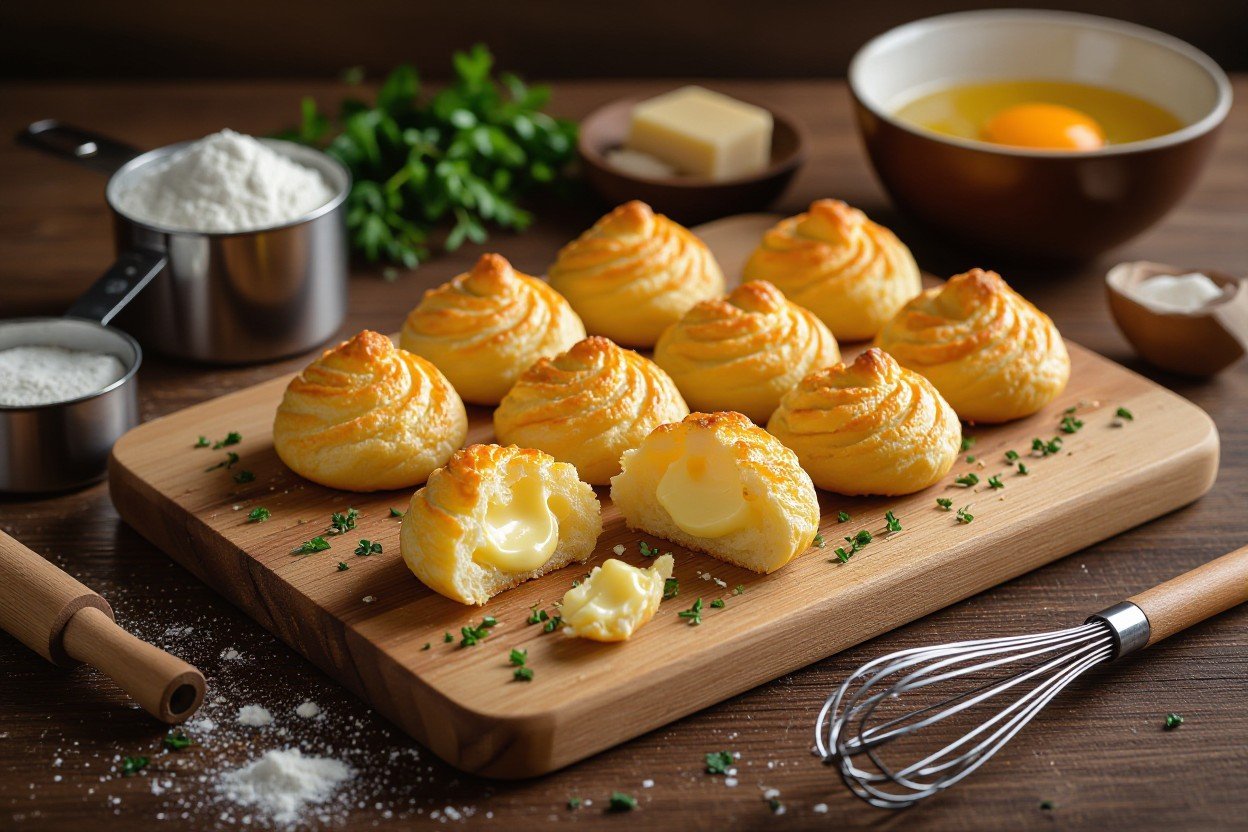
Common Pitfalls and Troubleshooting Tips
While making gougères might seem straightforward, several common challenges can affect your final results. Here’s what to watch for:
- Deflated puffs after baking
- Dough that’s too wet or too dry
- Uneven rising during baking
- Cheese that burns on the bottom
- Hollow centers with raw dough inside
Thou shall master these techniques by understanding the science behind each step and adjusting your approach accordingly.
Ensuring the Right Texture: Avoiding Soggy Gougères
Your gougères’ texture largely depends on moisture control during baking. Opening the oven door too early can cause the steam to escape, leading to collapsed puffs. Let them bake undisturbed for at least 20 minutes before checking, then pierce each gougère with a small hole after baking to release excess steam.
The eggs you add play a significant role in achieving the perfect consistency. Add them one at a time, incorporating each fully before adding the next. Your dough should form a V-shaped ribbon when lifted with a spoon – if it’s too runny, you’ve added too many eggs; if too stiff, add a beaten egg white in small increments.
Flavor Failures: Adjusting Herbs and Seasonings
Balancing herbs and seasonings requires careful attention to quantity and timing. Fresh herbs should be finely chopped and added after the dough has cooled slightly to preserve their flavors. Start with 1 tablespoon of fresh herbs per cup of flour, adjusting based on the intensity of your chosen varieties – rosemary and sage require less than milder herbs like chives or parsley.
For optimal flavor distribution, mix your grated cheese into the dough while it’s still warm enough to slightly melt the cheese, but not so hot that it completely melts. This creates pockets of cheese throughout your gougères rather than a uniform blend that can become heavy and dense.
Conclusion
The art of making perfect Herb and Cheese Gougères lies in your attention to detail and patience throughout the process. When you master these delicate French pastries, you’ll have a sophisticated appetizer that can elevate any gathering from casual to elegant. Your guests will be impressed by the light, airy texture and the harmonious blend of herbs and cheese that makes each bite memorable.
The versatility of Gougères allows you to experiment with different cheese and herb combinations to suit your taste preferences. Whether you serve them warm from the oven at a dinner party or prepare them ahead for a special occasion, these savory puffs will become a staple in your entertaining repertoire. By following the techniques outlined above, you’ll be able to create these classic French delicacies with confidence and consistency.