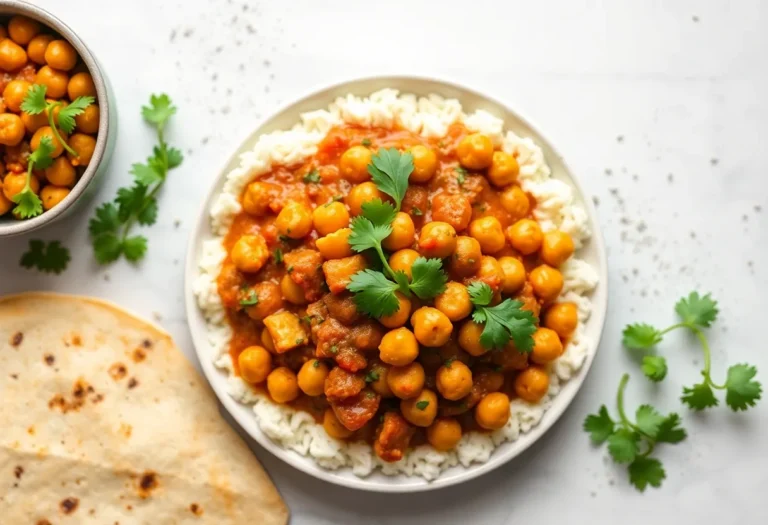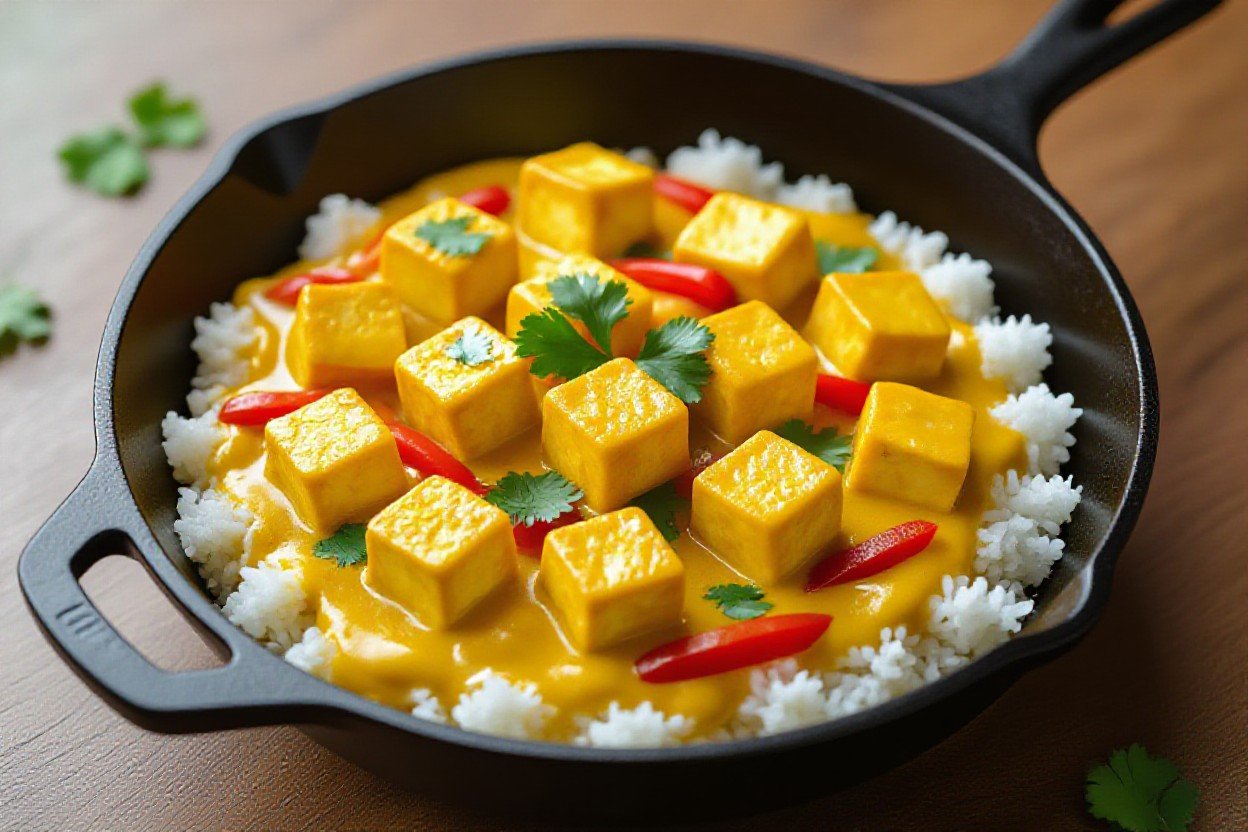
Keto Curry Tofu Skillet
Overall, you’ll discover a fast, low‑carb, high‑protein skillet that pairs crisped tofu with aromatic curry spices and creamy coconut for satisfying keto-friendly flavor; you can customize vegetables and your preferred heat level, scale portions for meal prep, and rely on straightforward techniques to get consistent texture and bold taste every time.
Ingredients
Key Components
Start with one block (14 oz / 400 g) extra‑firm tofu-press it for 15-30 minutes and cube it so it soaks up the sauce-and one can (400 ml) full‑fat coconut milk to keep the skillet rich and keto‑friendly. You’ll want 2 tablespoons red or yellow curry paste (or substitute 1 tablespoon curry powder plus 1 teaspoon turmeric and 1 teaspoon cumin), 2 tablespoons avocado or coconut oil for frying, and 2-3 cloves minced garlic with 1 tablespoon grated ginger to build the aromatic base.
Include about 1-2 cups of low‑carb vegetables to stretch the meal without inflating carbs: for example, 1 medium zucchini (≈200 g; ~3 g carbs/100 g), 2 cups baby spinach, or 1 cup cauliflower florets. You can season with 1 teaspoon salt, 1/2 teaspoon black pepper, and optionally 1/2 teaspoon garam masala or a squeeze of lime; these small tweaks shift flavor profiles while keeping macros intact.
Optional Add-ins
If you want more texture or extra fat, stir in 1 cup cauliflower rice (roughly 5 g total carbs), 1/2 cup sliced mushrooms, or 1/2 cup blanched broccoli florets-each option increases volume while maintaining low net carbs. For richness add 2 tablespoons heavy cream or 1-2 tablespoons almond or macadamia butter; both raise the fat content and help you hit a favorable keto fat‑to‑protein ratio.
To brighten the dish and add micronutrients, finish with chopped cilantro, sliced green onions, lime wedges, or 1 tablespoon toasted sesame seeds, and if you want heat, drizzle 1-2 teaspoons chili oil. You should avoid high‑sugar components like mango, honey, or sweet chili sauces, which will quickly increase the carbohydrate load.
When you add extras, adapt cooking order and seasoning: dense items like cauliflower rice or raw broccoli need an extra 3-5 minutes on the skillet, while leafy greens wilt in under a minute-add them near the end. Also scale the curry paste by about 1 teaspoon per additional cup of vegetables and taste as you go so you don’t over‑season when increasing the recipe’s volume.
Ingredients
Tofu Selection
When you pick tofu for this skillet, opt for extra-firm or super-firm varieties-typically sold as 12-14 oz (340-400 g) blocks-because they hold shape and absorb sauce without falling apart. Pressing the tofu for 15-30 minutes (or using a tofu press) to remove excess water improves texture and helps it brown; alternatively, freeze-thawing a block and then squeezing it yields a chewier, meatier bite that soaks up curry flavors particularly well.
If you want a higher-protein, denser outcome, buy organic extra-firm tofu (it often contains less moisture) or look for labels that list ~10-12 g protein per 100 g. Cube into 1-inch pieces for even searing, and toss with 1-2 teaspoons of coconut oil or avocado oil and a pinch of salt before pan-frying for 6-8 minutes until golden on multiple sides.
Curry Flavors
For a keto-friendly flavor base, balance concentrated aroma with low-carb ingredients: start with 1-2 tablespoons of curry paste or 1 tablespoon curry powder plus 1 teaspoon turmeric, 1 teaspoon ground cumin, and 1 teaspoon ground coriander. Use a 13.5-14 oz (400 ml) can of full-fat coconut milk for richness-about one can yields enough sauce for 3-4 servings and significantly increases fat to keep the plate keto-compliant-then thin with 1/2 cup chicken or vegetable broth if you want a lighter consistency.
If you prefer fresher spice notes, add 1 tablespoon minced ginger and 2 cloves garlic, and finish with 1 teaspoon garam masala or a squeeze of lime to brighten flavors; for heat, 1/4-1/2 teaspoon cayenne or 1-2 teaspoons Thai red curry paste will raise the Scoville units without adding carbs. Examples: a milder coconut-cumin curry uses 1 tbsp mild yellow curry powder + 1 can coconut milk, while a spicier Thai-style version leans on 1-2 tbsp red curry paste + 1/2 cup coconut milk and extra lime/leaves.
For keto tracking, note that a full can (13.5 oz) of full-fat coconut milk contributes roughly 12-15 g fat per 100 ml and only 2-4 g net carbs per cup, so adjusting the amount of coconut milk directly impacts your fat-to-carb ratio; using bone broth instead lowers carbs further but reduces overall fat content.
Vegetables
Choose low-carb, high-fiber vegetables that hold up in a skillet: cauliflower florets, zucchini, broccoli, bell pepper, and spinach are reliable picks. Aim for about 2-3 cups total veggies per 2-serving skillet; for reference, 100 g raw cauliflower has roughly 3 g net carbs, zucchini ~2 g net carbs, and spinach ~1 g net carbs, so you can mix 1 cup cauliflower + 1 cup zucchini + a handful of spinach and still stay well within typical keto targets.
Texture matters: denser vegetables like cauliflower and broccoli benefit from a brief roast (400°F/200°C for 12-15 minutes) or a 6-8 minute sear before adding sauce, while zucchini takes just 3-5 minutes to become tender and spinach wilts in 1-2 minutes. Combine cooking methods-roast cruciferous veg first for caramelization, then finish in the curry-to maximize flavor without overcooking softer ingredients.
Preparation
Marinating the Tofu
You should press a 14‑oz (400 g) block of extra‑firm tofu for 15-30 minutes to remove excess water, then cut it into roughly 1‑inch cubes so the marinade penetrates evenly. For the marinade combine 2 tbsp coconut aminos, 1 tbsp olive or avocado oil, 1 tbsp lime juice, 1 tsp curry powder, ½ tsp turmeric, 1 tsp grated ginger, 1 garlic clove minced, ½ tsp sea salt and a pinch (¼-½ tsp) of chili flakes; that ratio yields balanced savory, bright, and spicy notes while keeping carbs low.
If you can, marinate for at least 20-30 minutes and ideally up to 12-24 hours in a zip‑top bag or shallow dish for deeper flavor-toss the bag once if it sits long. When you’re ready to cook, pat the cubes dry so they sear to a golden crust; extra‑firm tofu will hold shape and brown in about 3-4 minutes per side over medium‑high heat.
Preparing the Vegetables
Prep vegetables into uniform pieces so everything finishes together: about 2 cups cauliflower florets (≈200-300 g) cut to 1‑inch, 1 medium bell pepper sliced into ½‑inch strips (≈150 g), 1 small zucchini halved and sliced into ¼-½‑inch rounds (≈120 g), and ½ medium onion diced. Add 2 cups baby spinach or 4 oz (115 g) greens at the end; optional 1 cup sliced mushrooms or 1 cup broccoli florets work well if you swap quantities to keep total veg around 4-5 cups.
Start cooking in order of density: sauté onion in 1-2 tbsp oil over medium‑high heat for 2-3 minutes until translucent, then add cauliflower and cook 6-8 minutes to develop color, followed by bell pepper for 3-4 minutes and zucchini for 2-3 minutes; finish with spinach for 1-2 minutes. Bloom 1 tsp curry powder and ½ tsp ground cumin with the onion for 30-45 seconds before adding other veg to amplify aroma, and use a splash of water (2-3 tbsp) or broth to deglaze and steam denser pieces if they brown too quickly.
If you want to speed prep or boost caramelization, roast the cauliflower separately at 425°F (220°C) for 15-20 minutes with 1 tbsp oil and then add it to the skillet-this gives nuttier flavor and saves you from overcooking softer veg; alternatively, chop everything the day before and store airtight for up to 24 hours to cut active cooking time to 10-12 minutes.
Preparation Steps
Tofu Preparation
If you start with a 14-ounce (396 g) block of firm or extra-firm tofu, press it for 20-30 minutes using a tofu press or a weighted plate and several paper towels to remove excess water; this yields a firmer texture that holds up in the skillet. After pressing, cut the tofu into 1-inch (2.5 cm) cubes and toss with 1 tablespoon tamari or soy sauce, 1 teaspoon curry powder, 1 tablespoon avocado or coconut oil, and a pinch of black pepper-marinate for at least 10 minutes so the seasoning penetrates.
Pan-searing gives the best exterior: heat 1-2 tablespoons oil over medium-high heat and cook the cubes in a single layer for 4-6 minutes per side until golden-brown and slightly crisp, or air-fry at 400°F (200°C) for 12-16 minutes, shaking the basket halfway through for even browning. When finished, transfer the tofu to a paper towel-lined plate to drain briefly; this prevents the final sauce from becoming diluted when you combine everything.
Cooking the Vegetables
Start by sautéing aromatics: heat 1 tablespoon ghee or coconut oil over medium heat, then cook 1 small diced onion (about 70 g) for 4-5 minutes until translucent before adding 2 cloves minced garlic and 1 tablespoon grated ginger for 30-45 seconds to bloom the flavors. Add low-carb vegetables in order of density-2 cups cauliflower florets (about 150 g) and 1 cup sliced bell pepper (about 120 g) first, cooking 6-8 minutes until edges begin to brown; then add 1 medium sliced zucchini (about 150 g) for 3-4 minutes and finally 2 cups baby spinach (about 60 g) to wilt in 1-2 minutes.
High heat helps develop caramelization on the cauliflower and peppers, which adds depth to the curry; keep everything tender-crisp to preserve both texture and nutrients, aiming for a total vegetable cook time of roughly 12-15 minutes depending on your skillet and heat level. If you prefer roasting, spread cauliflower on a sheet, roast at 425°F (220°C) for 20-25 minutes until golden, then fold into the skillet with the softer vegetables.
To deepen flavor without extra carbs, deglaze the pan with 1/4 cup (60 mL) bone broth or water after the initial sauté to lift the browned bits, then reduce for 2-3 minutes before adding coconut milk or spices; this step captures concentrated flavor and speeds sauce formation while keeping the vegetables crisp.
Combining Ingredients
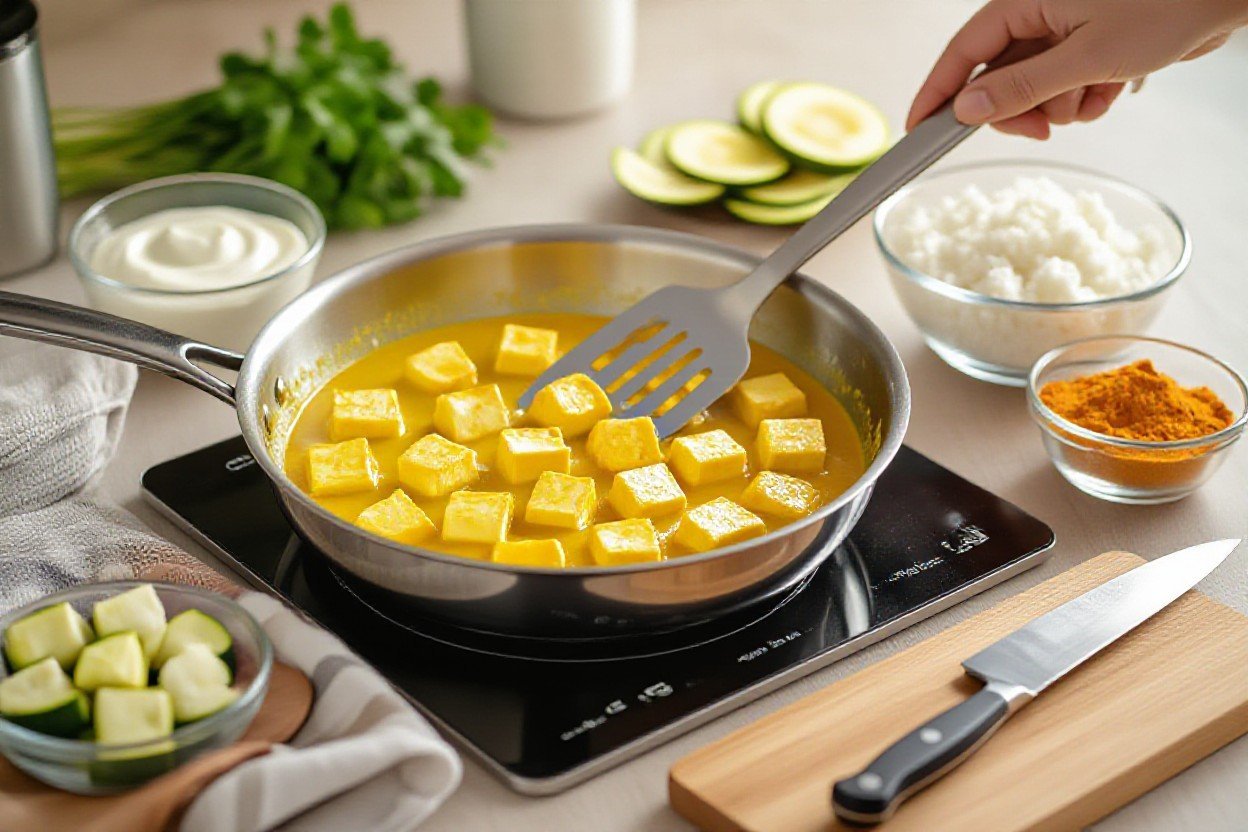
Once the vegetables are nearly done, lower the heat to medium and add your spices and liquids-start with 1-2 tablespoons curry powder or 2 tablespoons red curry paste, plus 1/2 to 1 cup (120-240 mL) full-fat coconut milk for a creamy, low-carb sauce-stir to coat and bring to a gentle simmer for 3-5 minutes so the flavors meld. Gently return the seared tofu to the skillet and fold it in, taking care not to break the cubes; heat through for 2-3 minutes so the tofu absorbs some sauce without falling apart.
Finish with 1 tablespoon lime juice, 1-2 teaspoons fish sauce or tamari for umami, and 2 tablespoons chopped cilantro to brighten the dish; adjust salt to taste and serve immediately. If you want a thicker sauce, reduce it over medium heat for 4-6 minutes or whisk in 1/8 teaspoon xanthan gum dissolved in a tablespoon of water for an instant, keto-friendly thickener.
For portion planning, this skillet typically yields 3-4 servings depending on appetite; plate it with cauliflower rice or a side salad to keep the meal within typical ketogenic portion sizes while maximizing vegetables and healthy fats.
Cooking Techniques
You should press your tofu for 15-30 minutes to expel 20-30% of its water, then cut into 3/4-1 inch cubes so each piece browns evenly; dusting with about 1 tablespoon of cornstarch or arrowroot per 14 oz block adds a reliable crust. Heat a skillet over medium-high and use 1-2 tablespoons of a high smoke point oil (avocado, grapeseed, or peanut) so the surface reaches searing temperature quickly and the tofu forms a golden exterior in roughly 3-4 minutes per side.
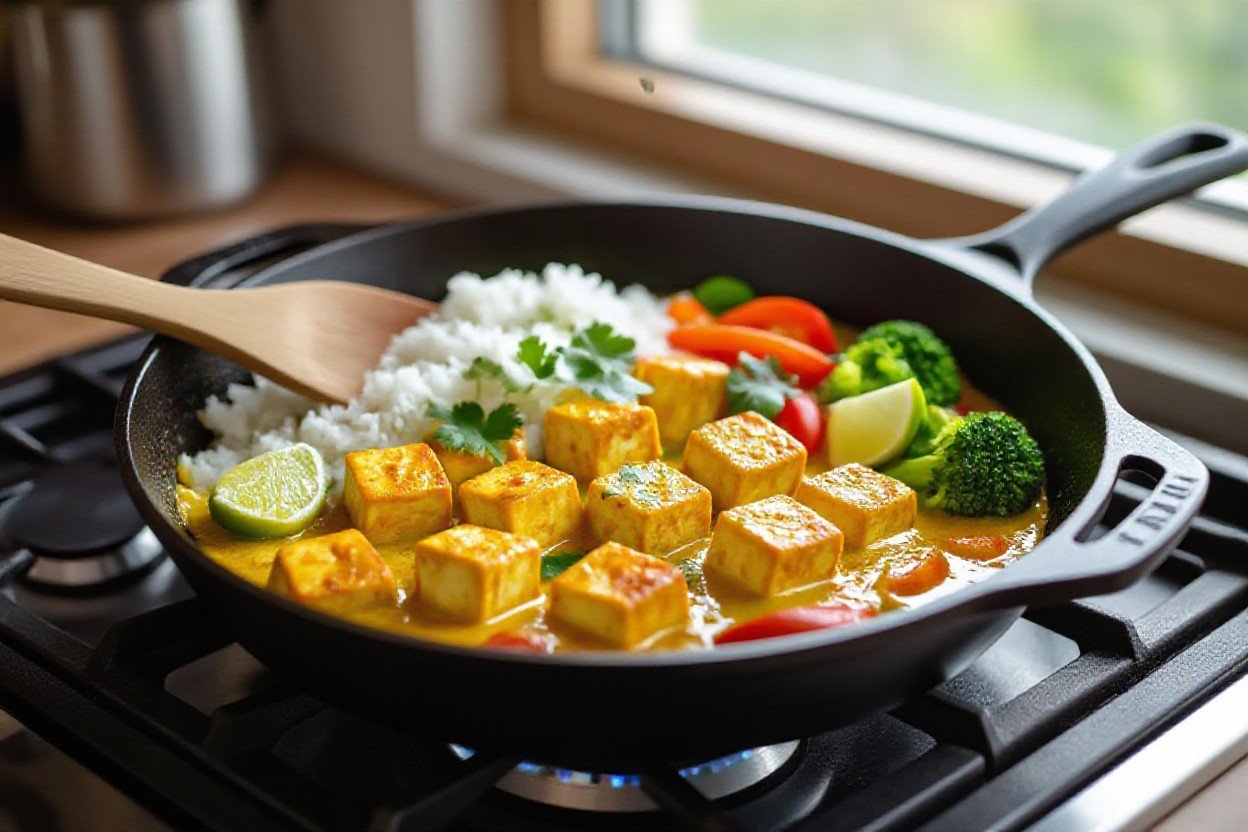
When building the curry, finish the tofu in the sauce for 3-5 minutes so it rehydrates and absorbs flavor without falling apart; deglaze the pan with 1/4-1/2 cup of coconut milk or stock to lift browned bits and concentrate taste by simmering 6-8 minutes. Choose a cast-iron or heavy stainless skillet if you want the most even browning and transfer finished cubes to a wire rack while you reduce the sauce to keep them crisp.
Sautéing the Tofu
If you want a superior sear, pat the pressed tofu completely dry and toss it with a pinch of salt and 1 tablespoon of starch; spread pieces in a single layer and avoid overcrowding so the surface temperature stays high. Let each side sit undisturbed for 3-4 minutes until a deep golden crust forms, then flip and repeat-this predictable 6-8 minute total gives a firm exterior and tender interior.
Adjust technique for your pan: use slightly less heat on nonstick so coatings don’t burn, and work in two batches if you’re cooking a whole 14 oz block to prevent steaming. After searing, place tofu on a rack or paper towel briefly; doing this buys you 2-3 minutes to finish the sauce without losing texture.
Layering Flavors
Start by sweating 1 small diced onion over medium heat for 4-5 minutes, then add 1 tablespoon grated ginger and 2 cloves minced garlic for 30-45 seconds before introducing ground spices-toast 1-2 teaspoons curry powder, 1/2 teaspoon turmeric, and 1/2 teaspoon cumin for 30-60 seconds in the oil to release fat-soluble aromas. Add 1 tablespoon tomato paste and cook 1-2 minutes to deepen the base, then pour in 1/4-1/2 cup coconut milk plus 1/4 cup stock and simmer until reduced by about 20-30% to concentrate flavors.
Season progressively: start with 1/2 teaspoon salt during the onion stage and adjust toward 1 teaspoon as the sauce reduces, finishing with 1 tablespoon lime juice or 2 teaspoons vinegar to lift the whole pan. For a balanced profile on keto, add 1 teaspoon erythritol or a scant 1 teaspoon tomato paste sweetness, and finish with 1/4 cup chopped cilantro or 1-2 tablespoons sliced green onion for freshness.
To get the most from whole or toasted spices, pulse them briefly in a spice grinder or crush with a mortar after dry-toasting 20-30 seconds-this intensifies oils that dissolve into your fat, so add them early in the oil rather than dropping them into the finished sauce. When you reintroduce the seared tofu, simmer gently for 3-5 minutes so it soaks up the curry without breaking apart, and adjust heat with 1/4-1/2 teaspoon cayenne or a chopped green chili if you want more kick.
Cooking Techniques
Stir-Frying
If you want tofu with a crisp exterior, press it for 15-30 minutes, cut into 1-inch cubes, and pat completely dry before it ever hits the pan. Heat a 12-inch skillet until an avocado or coconut oil sheen shimmers (roughly 350-375°F), then add tofu in a single layer so each piece gets 4-5 minutes of contact time per side to develop a deep golden crust.
When working with your curry aromatics, keep the tofu crisp by stir-frying aromatics in a separate spot in the pan or remove the tofu while you bloom spices-1-2 tablespoons curry powder and 1 teaspoon turmeric yield balanced heat and color for a 4-serving skillet. Return the tofu only after you’ve deglazed with a splash of broth or coconut milk to avoid steaming; that preserves texture while allowing sauce adhesion.
Simmering
After stir-frying, reduce heat to a low simmer-about 185-200°F-and allow the coconut milk and broth to meld with the spices for 8-12 minutes so the sauce reduces enough to coat the back of a spoon. You’ll see the sauce thicken by roughly 20-30% as water evaporates; that’s the window when you should taste and adjust salt and acidity rather than adding more later.
Use a partially covered pan if you’re adding low-water vegetables: keep the lid ajar so the sauce concentrates while spinach or zucchini still softens in 1-3 minutes. Finish simmering by stirring in delicate ingredients (fresh cilantro, lime juice, or a teaspoon of garam masala) off the heat so volatile aromatics don’t dissipate.
If you need a quicker thickening trick, whisk a pinch of xanthan gum (about 1/16-1/8 teaspoon for 2 cups of sauce) into a small amount of warm liquid before blending it into the pan; alternatively, simmer another 3-5 minutes and stir in 1 tablespoon ghee per 4 servings for sheen and mouthfeel.
Seasoning Tips
Scale your salt and umami to the coconut milk’s fat: for four servings start with ¾-1 teaspoon kosher salt, 1-2 teaspoons fish sauce (or 1 teaspoon soy alternative) for depth, and 1-2 tablespoons curry powder to anchor the profile. Add a finishing teaspoon of garam masala or ground cumin after simmering to lift the aroma without adding heat.
- Use 1-2 tablespoons curry powder and 1 teaspoon turmeric for color and warmth in a 4-serving skillet.
- Start with ¾-1 teaspoon kosher salt and 1-2 teaspoons fish sauce, then taste after the sauce reduces.
- Assume that you will need to adjust salt and acidity at the end rather than during the early simmer.
Balance heat and brightness by adding ¼-½ teaspoon red pepper flakes or 1 small minced serrano while simmering, and finish with 1 tablespoon fresh lime juice per 4 servings to brighten coconut’s richness. If you prefer a smoky note, toast ½ teaspoon cumin seeds and crush them into the sauce right before serving.
- For heat, ¼-½ teaspoon red pepper flakes or one small chopped serrano works for most palates.
- Finish with 1 tablespoon lime juice and a handful of cilantro to lift the dish at the end.
- Assume that you should always taste and adjust acidity and salt after finishing the sauce, not before.
Serving Suggestions
Pairing with Keto Sides
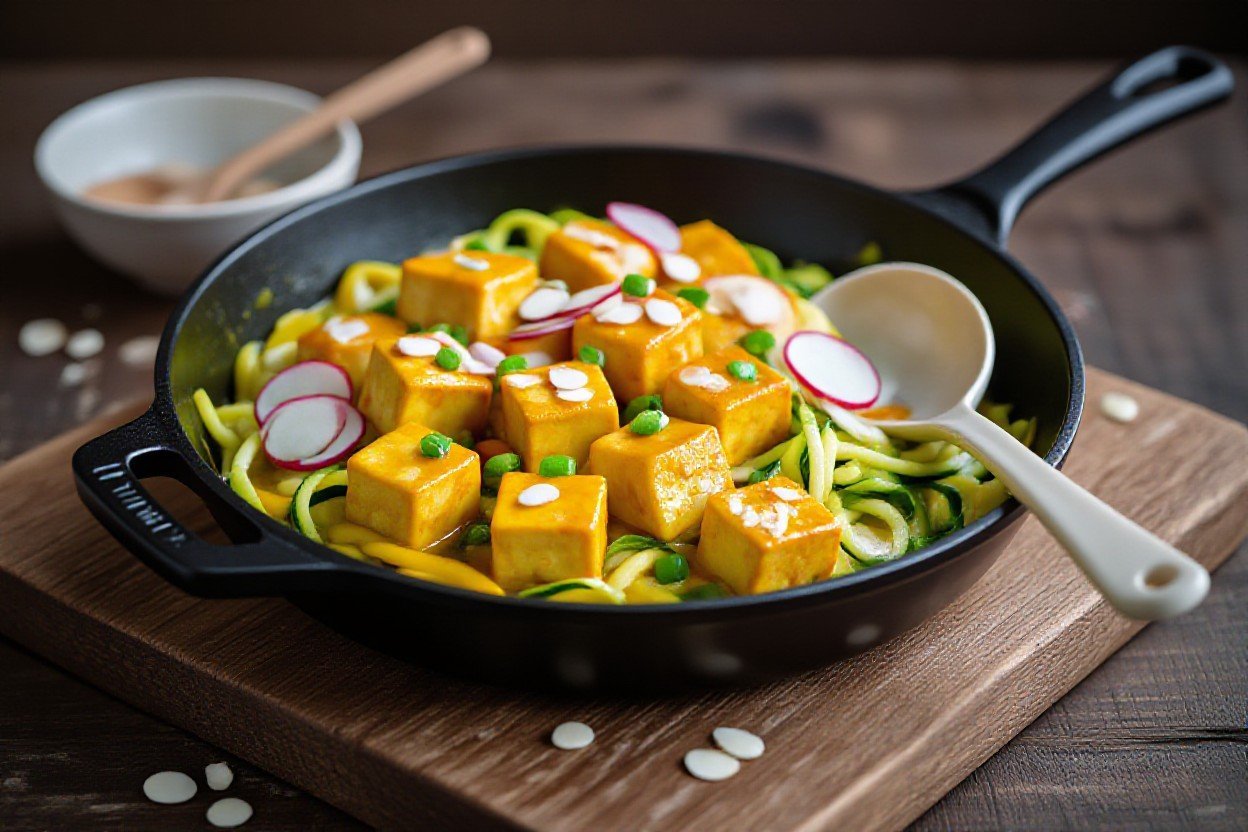
You can keep the meal low-carb and satisfying by serving the curry over cauliflower rice (about 1 cup cooked = ~4 g net carbs) or zucchini noodles (1 cup zoodles ≈ 3 g net carbs); both soak up sauce without adding heavy carbs. Try a coconut-lime cauliflower rice-pulse 4 cups riced cauliflower with 2 tbsp coconut cream, 1 tsp lime zest, and a pinch of salt, then sauté 4-5 minutes for a creamy bed that complements the curry’s spices.
For vegetables, roast broccoli or broccolini at 425°F for 12-15 minutes with 1 tbsp olive oil and sea salt to add a crunchy counterpoint, or blanch green beans 2-3 minutes and toss with garlic butter for a faster side. You can also add half an avocado per person (≈120-160 kcal, ~12-15 g fat, ~2 g net carbs) for extra creaminess and satiety without breaking your macros.
Garnishing Tips
Top the skillet with fresh herbs and textural contrasts: 2 tbsp chopped cilantro, 1-2 sliced scallions, and 1 tbsp toasted sesame seeds add aroma and crunch; sesame seeds (1 tbsp) contribute roughly 50 kcal and about 2 g carbs, so they’re keto-friendly in small amounts. Try thinly sliced red chili or 1 tsp chili flakes if you want heat-adding just 1-2 slices of Thai bird chiles gives noticeable spice without carbs.
Balance acid and fat at the end to lift flavors: squeeze half a lime per serving or drizzle 1 tbsp full-fat coconut cream to tame heat and add silkiness, which can change the dish’s macros by ~40-80 kcal depending on the amount. Place delicate garnishes like herbs and toasted nuts or seeds on top just before serving so they keep color and crunch.
- Toast 1 tbsp sesame seeds in a dry skillet 2-3 minutes until fragrant; cool before sprinkling.
- Fry 1 small shallot thinly in 2 tbsp oil for 3-4 minutes to make crispy shallots-drain on paper towel.
- The lime wedge is the easiest finish and makes the curry taste brighter with a single squeeze.
You can also prepare a quick chili oil for finishing: warm 3 tbsp neutral oil with 1 tsp red pepper flakes and 1 smashed garlic clove for 30-45 seconds, then cool and strain; a teaspoon drizzled per serving adds heat and mouthfeel without carbs. For nuts, chop 1 tbsp macadamias (≈1 g net carbs) and toast 2-3 minutes-sprinkle a small amount to add 60-100 kcal and a buttery crunch that complements tofu.
- Scatter 2 tbsp chopped macadamias or peanuts for crunch, choosing macadamias for lower net carbs.
- Add thin lime zest over the serving for aromatic oils that don’t add juice or extra acidity.
- The final sprinkle of herbs and seeds right before plating preserves color and texture for the best presentation.
Serving Suggestions
You can portion the skillet as a main for 3-4 people; plan on roughly 1 to 1¼ cups per person so the tofu and vegetables stay balanced on the plate. In practice that means a 9-10 inch skillet will comfortably serve four if you add a low‑carb side, or three if you want larger portions for higher protein/fat targets during a keto meal.
For meal prep, divide into four airtight containers and refrigerate up to 4 days or freeze portions for as long as 8-10 weeks for best quality. When reheating, warm gently in a skillet over medium-low for 3-5 minutes, stirring occasionally and adding a splash (1-2 tbsp) of water or coconut milk to loosen the sauce so the texture of the tofu stays silky rather than dry.
Accompaniments
Pair with cauliflower rice to keep carbs low-1 cup of cauliflower rice is about 5 g total carbs with roughly 2 g fiber, yielding ~3 g net carbs-so a generous cup per person complements the curry without blowing your daily carb limit. Zucchini noodles, shredded cabbage slaw tossed in apple-cider vinegar, or steamed broccolini are other high-fiber, low-carb vegetable sides that add bulk and color while keeping net carbs minimal.
For a bread-like option, serve almond‑flour flatbreads or cheese crisps for scooping; two 6‑inch almond flatbreads from a typical recipe often stay under 10 g net carbs, depending on ingredients. Add quick pickles-thinly sliced red onion or cucumber in 1:1 vinegar and water for 10 minutes-to introduce acidity and cut through the curry’s richness without significant carbs.
Presentation Ideas
You’ll get an immediate visual win by serving family-style in the skillet: a cast‑iron pan retains heat and showcases the curry’s color contrast-golden tofu, bright green herbs, and red chili slices. For individual plating, use shallow white bowls to make the hues pop; portion about 1 to 1¼ cups per bowl and finish with a lime wedge on the rim to invite guests to adjust acidity.
Garnishes make the dish feel elevated and add texture: scatter 1-2 tablespoons chopped cilantro or Thai basil per skillet, sprinkle 1 teaspoon toasted sesame seeds or crushed roasted peanuts for crunch, and place 2-3 thinly sliced red chilies or a few rings of pickled onion for a sharp color accent. If serving a group of four, reserve a small ramekin of extra chili oil or lime wedges so guests can personalize heat and brightness.
When you’re prepping for service, keep the skillet covered on the lowest heat setting for up to 10 minutes so everything stays warm; then remove the lid and add fresh herbs and citrus right before serving to preserve aroma and color. If you reheat single portions, give them a quick 1-2 minute sear on medium-high for the tofu cubes to recover some crispness, and add a teaspoon of coconut cream or water to revive the sauce’s gloss if it appears dry.
Nutritional Information
Macronutrient Breakdown
Per serving (assuming the recipe yields four servings), you’re typically getting roughly 400-450 kcal with about 32-36 g fat, 18-24 g protein, and 6-10 g total carbs; fiber sits around 3-5 g so net carbs are usually in the 3-7 g range. That puts the dish near a 65-75% fat, 18-25% protein, and 7-10% carbohydrate split-well within standard keto targets if you pair it with cauliflower rice or a leafy green salad instead of grains.
If you want to tweak those numbers, small swaps make big differences: one tablespoon of olive oil adds ~14 g fat and ~120 kcal, while adding 100 g extra-firm tofu contributes roughly 8-10 g protein and ~70-90 kcal. Increasing coconut milk or coconut oil will raise MCTs and total fat quickly, whereas bulking up on low-carb veggies (100 g extra spinach or cauliflower) raises fiber and micronutrients with only ~2-5 g net carbs.
Health Benefits of Ingredients
Tofu supplies high-quality plant protein and isoflavones; 200 g of firm tofu gives you around 16-20 g protein and a dose of soy isoflavones that studies link to modest LDL reductions (on the order of a few percent) and bone-density benefits in some populations. Coconut milk and added coconut oil bring medium-chain triglycerides (MCTs) such as lauric acid, which are more rapidly oxidized for energy and can support ketone production when you’re restricting carbs.
Spices and aromatics in the curry-turmeric, ginger, garlic-deliver concentrated phytochemicals: curcumin has been shown in trials (typical supplemental doses 500-2,000 mg/day) to lower inflammatory markers like CRP, while meta-analyses suggest garlic can reduce systolic blood pressure by several mm Hg in hypertensive subjects. Extra-virgin olive oil and leafy greens add monounsaturated fats and vitamins K/C and folate, contributing to cardiovascular and metabolic support without kicking you out of ketosis.
To maximize those benefits in practice, pair turmeric with a pinch of black pepper (piperine) to markedly increase curcumin absorption, serve the tofu with vitamin C-rich bell peppers or lemon to enhance non-heme iron uptake, and balance added fats so you get MCT-driven ketone support without overshooting your daily caloric goal.

Nutritional Benefits
Keto Diet Compliance
Because the skillet centers on firm tofu, full‑fat coconut milk and low‑carb vegetables, you can keep net carbs very low while getting substantial fat and protein. For example, 200 g of firm tofu provides about 16 g of protein and roughly 4 g net carbs, 100 ml of full‑fat coconut milk contributes about 3-4 g net carbs plus concentrated medium‑chain triglycerides, and 100 g of cauliflower adds only ~3 g net carbs; assembled, the whole skillet often totals around 8-10 g net carbs, so split into two servings you’re typically at ~4-5 g net carbs per serving.
To adjust macros for your specific keto targets, scale the coconut milk and added oil for higher fat or increase the tofu for more protein. Typical servings from this recipe yield roughly 15-25 g protein and 20-35 g fat per plate depending on portions, which aligns with a common ketogenic split where fat supplies about 70-75% of calories when portions are chosen accordingly.
Health Benefits of Tofu and Spices
Tofu gives you a complete plant protein that supports muscle maintenance on a low‑carb diet; firm tofu averages ~8 g protein per 100 g, so a typical 200 g portion supplies ~16 g. You also get isoflavones from soy, and meta‑analyses have found soy protein and isoflavone intake can lower LDL cholesterol in the range of about 3-10%, helping cardiovascular risk profiles when replacing higher‑saturated‑fat animal proteins.
Spices in the curry deliver concentrated bioactive compounds: turmeric provides curcumin, which has anti‑inflammatory effects in multiple trials, and combining turmeric with black pepper (piperine) can increase curcumin absorption dramatically (clinical reports indicate several‑fold increases in bioavailability). Ginger and cumin contribute antiemetic and digestive benefits respectively, plus antioxidants that support metabolic health even at the small culinary doses used in this skillet.
Because you’re cooking these spices in a high‑fat medium like coconut milk, the fat increases uptake of fat‑soluble compounds such as curcumin, and adding black pepper further boosts plasma levels, so the same spoonful you eat delivers more bioactive benefit than if eaten on a low‑fat base; clinical supplementation studies typically use 500-2,000 mg curcumin/day for measurable anti‑inflammatory outcomes, but culinary use combined with fat and piperine still meaningfully enhances absorption and effect.
Variations and Modifications
You can swap proteins, fats, and sides to tailor the skillet for texture, macros, or pantry limitations: press 200 g firm tofu for 15-30 minutes and pan-sear until golden (about 4-6 minutes per side), or replace it with 150-200 g tempeh (≈19 g protein/100 g) or 150 g seitan (≈25 g protein/100 g) for a firmer, meatier bite. For lower carbs swap a cup of steamed basmati/rice (≈45 g carbs per cup) with 150-200 g cauliflower rice, which contains roughly 3-4 g net carbs per 100 g, and boost fat by stirring in 1-2 tablespoons of coconut cream or avocado oil at the end.
Texture and cook-time adjustments change the outcome: roast chunks of eggplant or 150-200 g shiitake mushrooms until caramelized (20-25 minutes at 425°F/220°C) for a meaty, umami-rich version, or add a handful (30-50 g) of toasted almonds or macadamia nuts for crunch and extra fat. If you want a saucier skillet increase the tomato/coconut base by 50-100 ml and simmer 5-7 minutes longer, then check seasoning-salt and acid will need incremental tweaks to keep the curry balanced.
Spice Level Adjustments
To dial the heat precisely, measure chilies and ground spices rather than guessing: start with 1/4 teaspoon cayenne for a gentle warmth, 1/2-1 teaspoon for moderate heat, and 1-2 teaspoons for a spicy kick. Using fresh chiles gives more control-one sliced jalapeño (2,500-8,000 SHU) yields mild-to-medium heat, a serrano (10,000-23,000 SHU) raises it to medium-hot, and a single habanero (100,000-350,000 SHU) or cayenne-heavy blend will push the dish into very hot territory.
Bloom whole spices in 1-2 tablespoons of oil for 30-60 seconds before adding aromatics to amplify flavor without increasing heat; to reduce perceived heat remove seeds and membranes from fresh chilies (this can cut heat by roughly half) or add a tablespoon of full-fat coconut cream, which mellows capsaicin. If you overshoot the spice, balance it by adding a squeeze of lime and 1-2 tablespoons of plain full-fat yogurt or coconut cream per serving to tame the burn while keeping the curry keto-friendly.
Vegan and Vegetarian Options
The recipe adapts well if you want to keep it strictly plant-based: stick with firm or extra-firm tofu as the base, swap ghee or butter for 1-2 tablespoons avocado or coconut oil, and replace fish sauce with 1-2 tablespoons tamari plus a teaspoon of kelp powder or a half-teaspoon of miso diluted in warm water for umami. Nutritional yeast (1-2 tablespoons) adds savory depth and B vitamins while keeping carbs low; if you need higher protein, choose tempeh (about 19 g protein per 100 g) or seitan (about 25 g protein per 100 g) in place of tofu.
For a vegetarian but not strictly vegan take, stir in 1-2 tablespoons of ghee at the end for a buttery finish; vegans should use coconut cream (1-2 tablespoons) to achieve equivalent richness. Pay attention to hidden carbs in condiments-single teaspoons of maple syrup or sweet chili sauces can add 4-8 g carbs each, so prefer low-carb alternatives like a pinch of powdered monk fruit or a dash of apple cider vinegar to balance sweetness and acidity.
Cooking techniques matter: press tofu 15-30 minutes and pat dry before marinating for 10-30 minutes in a mix of 1 tablespoon soy/tamari, 1 teaspoon lime, and 1/2 teaspoon curry powder, then pan-sear for a crisp exterior; tempeh benefits from thin-slicing and either pan-frying 4-6 minutes per side or baking 18-22 minutes at 375°F (190°C) after marinating. These simple steps improve texture and help plant proteins absorb the curry flavors without adding carbs.
Variations and Substitutes
Alternative Proteins
If you want a meat-forward swap, chicken breast is the simplest: about 30-32 g protein per 100 g and virtually zero carbs, so cube 300-400 g, sear 3-4 minutes per side over medium-high heat, then finish in the skillet sauce for 6-8 minutes until internal temp hits 75°C (165°F). For a seafood twist, shrimp brings roughly 20-24 g protein per 100 g and cooks in 2-3 minutes per side-add them in the final 4 minutes so they stay tender and don’t overcook.
For plant-based options beyond tofu, tempeh offers a denser texture and about 18-20 g protein per 100 g with roughly 8-10 g carbs, so slice thin and pan-fry 3-4 minutes per side after a 10-15 minute tamari-lime marinade to cut bitterness. Paneer is another low-carb, high-fat option (around 15-20 g protein per 100 g); cube and brown it for 2-3 minutes per side to keep the exterior crisp. If you need a gluten-free, mushroom-forward route, use 200-300 g shiitake or portobello-sliced and seared until the moisture reduces-to add umami without spiking carbs.
Spice Adjustments
If you prefer less heat, dial cayenne to 1/8-1/4 teaspoon per 400 g base; for moderate heat go 1/2 teaspoon, and for seriously spicy serve go up to 1 teaspoon, or substitute 1 small chopped serrano for fresh-chile heat. Start with 1 tablespoon curry powder, 1 teaspoon ground cumin, and 1 teaspoon ground coriander for four servings-those ratios give you depth without overwhelming the tofu’s texture, and you can brighten the mixture with 1 tablespoon lime juice or 1-2 tablespoons full-fat coconut milk to tame heat while keeping it keto-friendly.
For a flavor-boosting technique, dry-toast whole spices first: 1/2 teaspoon cumin seeds and 1/2 teaspoon mustard seeds in a dry pan for 30-45 seconds until aromatic, then crush or grind and add to the oil before the aromatics; this increases volatile oils and gives richer curry notes. Finish the dish with 1 teaspoon garam masala sprinkled in the last minute and a pinch of fenugreek (1/8-1/4 teaspoon) if you like the slightly bitter, maple-like background that lifts the overall profile.
Summing up
With these considerations in mind, you can fine-tune the balance of spice, fat, and texture to keep the Keto Curry Tofu Skillet both richly flavored and aligned with your macros. Prioritize pressing and browning your tofu, using full-fat coconut milk or ghee for satisfying fat content, and choose low-carb vegetables so you maintain depth of flavor without compromising ketosis.
As you scale or meal-prep the recipe, control portion sizes, pack leftovers in airtight containers, and reheat gently to preserve tofu texture and sauce consistency; you’ll find the skillet adapts well to variations in spice level, protein swaps, or added greens while remaining a reliable, weeknight keto option.
To wrap up
Drawing together the key points, your Keto Curry Tofu Skillet delivers a satisfying, low‑carb meal that balances firm tofu for protein, coconut milk and spices for richness, and nonstarchy vegetables for volume and texture. You can scale servings, adjust heat and fat to fit your macros, and rely on this quick stovetop dish for reliable weeknight dinners without sacrificing depth of flavor.
For consistent results, cool and store leftovers promptly, reheat gently to preserve tofu texture, and brighten the dish with fresh herbs or a squeeze of lime before serving. Track portions to maintain your net‑carb goals and treat this skillet as a flexible template you can adapt to seasonal produce and your preferred spice profile.
Printable Recipe Card
Want just the essential recipe details without scrolling through the article? Get our printable recipe card with just the ingredients and instructions.