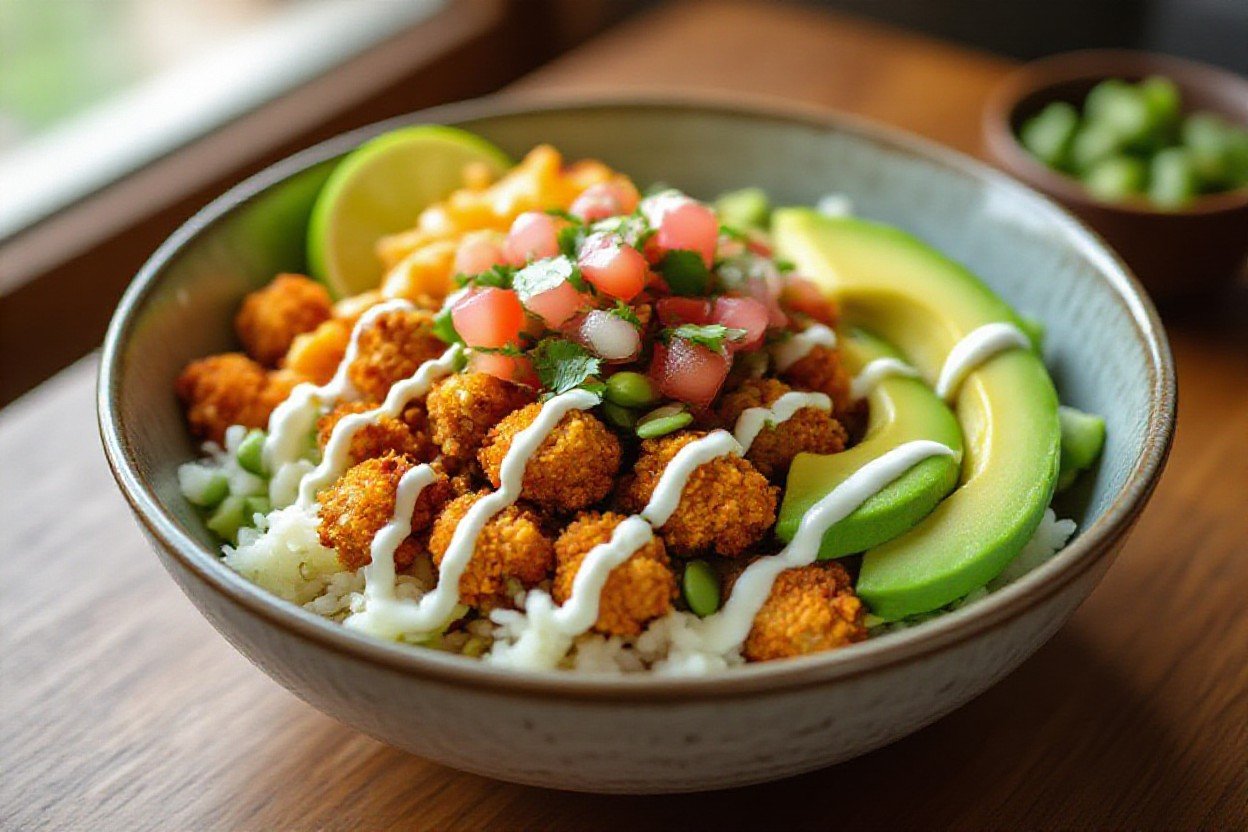
Keto Vegetarian Taco Bowl
Over a simple swap of carbs for high-fat, plant-based proteins, you can build a satisfying Keto Vegetarian Taco Bowl that keeps your macros on target; using cauliflower rice, seasoned tempeh or tofu, avocado, and low-carb vegetables, you control flavor, texture, and nutrient balance while keeping net carbs low and satiety high.
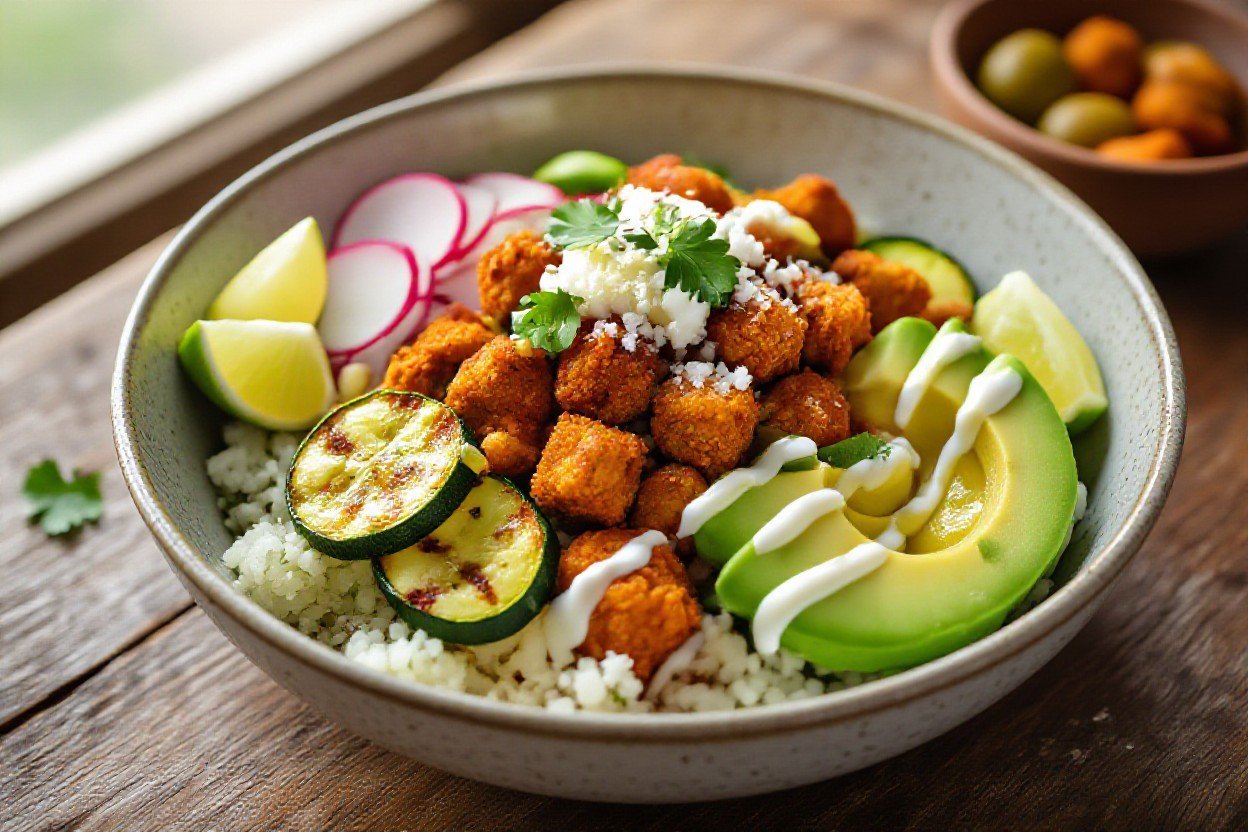
Understanding the Keto Diet
You’ll aim for a dramatic shift in macronutrient ratios rather than calorie counting: a typical keto target is roughly 70-75% of calories from fat, 20-25% from protein, and 5-10% from carbohydrates. For practical meal planning on a vegetarian keto, that means prioritizing whole-food fats (avocado, olive oil, coconut, nuts and seeds), moderate protein sources (eggs, full‑fat dairy, tempeh if you include it), and keeping your net carbs low-most people target under 20-30 g net carbs per day to reliably enter nutritional ketosis.
Metabolic changes begin quickly; you can enter ketosis within 2-4 days of strict carb restriction, while full metabolic adaptation may take 2-6 weeks. You’ll want to track net carbs (total carbs minus fiber and certain sugar alcohols) and consider measuring blood beta‑hydroxybutyrate (BHB) for objective feedback-levels above 0.5 mmol/L indicate nutritional ketosis, with many aiming for 1.0-3.0 mmol/L for consistent ketone availability.
Principles of Ketosis
When you cut carbs and lower insulin levels, your liver increases fatty acid oxidation and produces ketone bodies-mainly BHB, acetoacetate, and acetone-which serve as alternative fuels for muscle and brain. The shift reduces reliance on glucose, and because ketones are an efficient ATP source, many people experience steadier energy and less hunger; this is one reason keto often leads to early, rapid weight loss due to both fat mobilization and fluid loss from glycogen depletion.
Protein intake must be moderate: too little protein risks muscle loss, while too much can drive gluconeogenesis and impede ketone production, so most ketogenic plans allocate about 15-25% of calories to protein. You’ll also need to manage electrolytes and hydration proactively-sodium, potassium and magnesium losses increase as glycogen drops-so adjusting salt and including potassium-rich, low‑carb vegetables helps prevent headaches, muscle cramps and fatigue during the adaptation phase.
Health Benefits of Keto
You can expect measurable effects on weight and metabolic health: short- to mid-term trials frequently show greater initial weight loss versus low‑fat diets, and many participants see improvements in fasting glucose and insulin sensitivity. Clinical studies report HbA1c reductions of about 0.5-1.0% in people with type 2 diabetes over several months, and triglycerides often fall substantially-commonly 20-50%-while HDL cholesterol tends to increase by roughly 5-15%.
For specific conditions, evidence is strong for seizure control-ketogenic therapy can reduce seizure frequency by 50% or more in refractory pediatric epilepsy in many case series-and emerging research suggests possible cognitive benefits from ketones in mild cognitive impairment and neurodegenerative conditions, since BHB supplies an efficient brain fuel and may support mitochondrial function.
Because individual responses vary, you should monitor biomarkers: get a baseline lipid panel and metabolic panel, then recheck at about 3 months to assess LDL changes, triglycerides, liver and kidney markers, and adjust dietary fat quality or medication in consultation with your clinician; this is particularly important if you have diabetes, are on antihypertensives, or take anticoagulants.
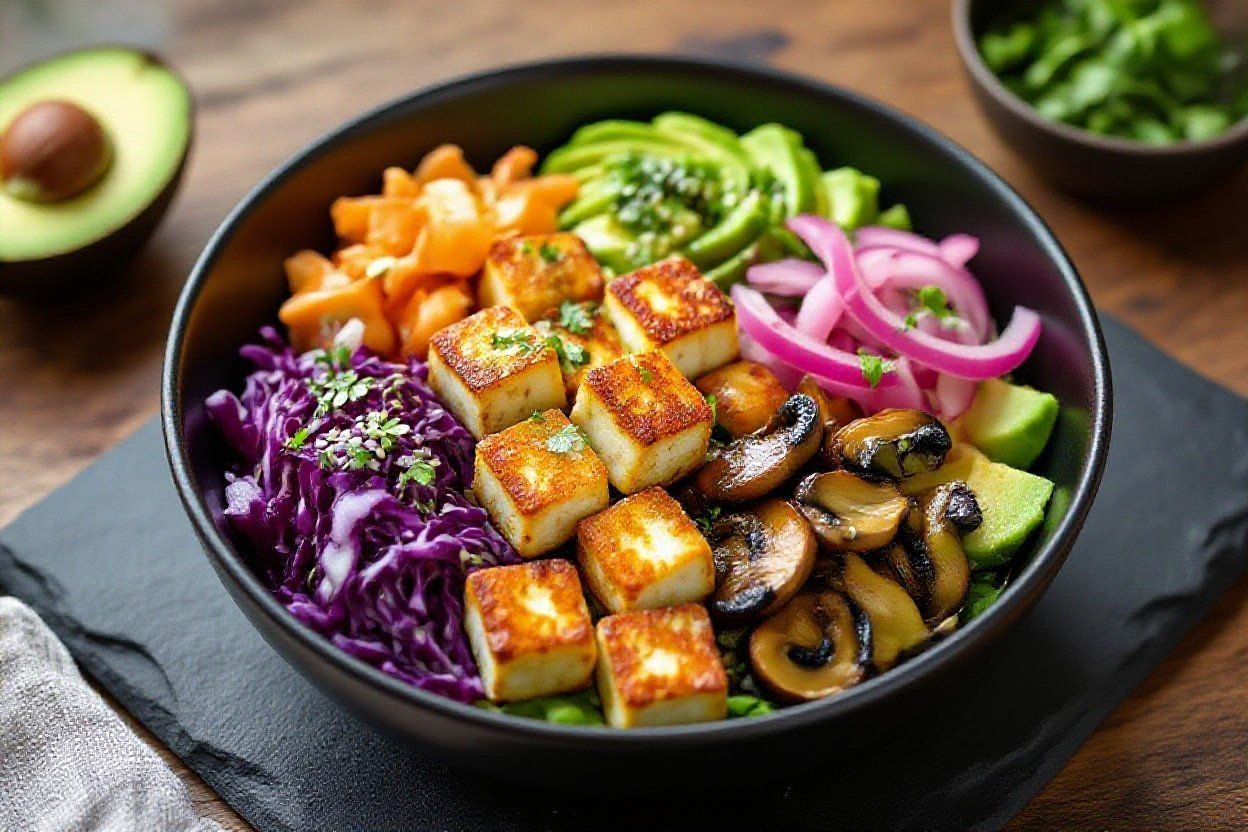
Vegetarian Considerations
Nutritional Balance
You’ll want to keep the bowl aligned with typical keto targets: roughly 65-75% of calories from fat, 20-30% from protein and under 25-30 g net carbs per day if you’re aiming for strict ketosis. For many vegetarians that means swapping starchy bases for cauliflower rice, doubling down on avocado and olive oil for fat, and structuring toppings so a single bowl delivers 10-20 g protein without blowing your carb allotment.
Pay attention to micronutrients that can be harder to get on a vegetarian keto plan: vitamin B12, iron, zinc and long-chain omega‑3s. You can mitigate gaps by choosing fortified foods (fortified nutritional yeast, DHA‑enriched algae oil), pairing plant iron sources with vitamin C to boost absorption, and tracking intake-supplementing B12 (e.g., 25-100 mcg daily or 1,000 mcg weekly as common regimens) if you don’t consume fortified dairy or eggs.
Protein Sources for Vegetarians
Tempeh and seitan are your high‑protein mains: tempeh supplies roughly 18-20 g protein per 100 g cooked, while seitan approaches 20-25 g per 100 g and is very low in carbs; both make excellent taco-style fillings when marinated and pan‑seared. If you include eggs or dairy, two large eggs add ~12 g protein and 1-2 g net carbs, and 100 g Greek yogurt or cottage cheese contributes ~8-11 g protein-use these to boost protein without significant carbs.
Plant concentrates also help: hemp seeds (~30 g per 100 g) and chia (~17 g per 100 g) add both protein and omega‑3s, and pea or soy protein isolates give concentrated protein with minimal carbs-one 30 g scoop of pea protein typically adds ~20-25 g protein and 1-3 g net carbs. Build combinations that reach your target: for example, 150 g tempeh (~27-30 g protein) plus 1/2 avocado and cauliflower rice yields a satiating, ~35-45 g protein bowl depending on additions.
To diversify amino acids and texture, mix firm tofu (about 8-12 g protein per 100 g) with seeds and a scoop of pea protein stirred into a spiced, savory yogurt dressing; this strategy both elevates protein density and keeps net carbs low while giving you more complete amino acid profiles per serving.
Ingredients for a Keto Vegetarian Taco Bowl
You should focus on low-carb vegetable bases, high-quality plant proteins, and fat-forward toppings so a single bowl stays under roughly 8-12 g net carbs – a target that helps you fit into a typical daily keto window. Use cauliflower or riced broccoli as the foundation (1 cup cauliflower rice ≈3-4 g net carbs), then layer in protein like firm tofu (100 g ≈8 g protein, ~2 g net carbs) or paneer (100 g ≈18 g protein, ~2 g net carbs) to keep the bowl satisfying without spiking carbs.
Balance is important: add a source of healthy fat such as half an avocado (≈2 g net carbs, 10-15 g fat) or 1 oz shredded cheddar (≈0.4-0.5 g net carbs, 9 g fat) to hit satiety and flavor. For a sample macro-friendly build, try 1 cup cauliflower rice + 100 g tofu + ½ avocado + 1 oz cheddar + 2 tbsp fresh pico – that combination typically lands in the low double-digit grams of net carbs and delivers ~20 g protein and 25-30 g fat depending on exact portions.
Base Ingredients
Cauliflower rice is your most reliable low-carb base: 1 cup raw cauliflower rice runs about 3-4 g net carbs and cooks in 3-5 minutes, making it perfect for meal prep. Rotate in leafy greens like 2 cups baby spinach (≈1 g net carb) or 1 cup riced broccoli (≈3-4 g net carbs) when you want more nutrients and fiber without adding many carbs.
For protein, choose options that keep carbs low while offering texture: firm tofu (100 g ≈8 g protein, ~2 g net carbs), tempeh if you can accommodate a little more carbs (100 g ≈19 g protein, ~8-9 g net carbs), or cubed paneer (100 g ≈18 g protein, ~2 g net carbs). Adding a soft-boiled egg (one large ≈0.6 g net carbs, 6 g protein) is another easy way to boost protein and fat.
Toppings and Flavor Enhancers
Fatty toppings both flavor and increase ketosis-friendly calories: half an avocado (≈2 g net carbs, 10-15 g fat), 1 oz pepitas (≈2 g net carbs, 5-6 g protein), or 1-2 tbsp olive oil-based dressings add concentrated fat without many carbs. Cheese choices like cheddar or cotija are great – 1 oz cheddar ≈0.4-0.5 g net carbs and adds about 7 g protein and 9 g fat.
Salsas and pickled items give brightness but vary in carbs; use fresh pico de gallo (about 1/4 cup ≈2-3 g carbs) rather than sugary jarred salsa, and limit pickled red onions to 1-2 tbsp if homemade (≈1-2 g carbs) to keep totals low. Don’t skip aromatics and spices: 1 tsp each of chili powder, cumin, and smoked paprika will dramatically increase perceived richness with virtually zero carbs, while 1 tbsp lime juice adds only ~1 g carbs and lifts flavor.
Portion control matters for higher-carb add-ins: 1/4 cup cooked black beans is ~9 g net carbs so treat legumes as occasional or small additions, and favor low-carb swaps like sautéed mushrooms, roasted zucchini, or a sprinkle of toasted pepitas to add texture without blowing your carb target.
Preparing the Taco Bowl
Step-by-Step Instructions
You’ll want to prep ingredients first: press 200 g firm tofu for 15-20 minutes or crumble 200 g tempeh, chop 1 medium bell pepper and 1 small red onion, and measure 3 cups (about 300 g) riced cauliflower. Heat 1 tbsp avocado or olive oil over medium-high and sauté the peppers and onions for 6-8 minutes until softened, then push them to the side of the pan.
Next, brown the protein: add the crumbled tofu or tempeh and cook 8-10 minutes until golden, stirring often. Stir in 1 tsp cumin, 1 tsp smoked paprika, ½ tsp chili powder and 1-2 tbsp tomato paste, cook 1-2 minutes; then fold in the cauliflower rice and cook 6-8 minutes until tender. Assemble bowls with 1-1½ cups cauliflower rice base, ¾ cup seasoned protein mixture, 2 tbsp guacamole, 2 tbsp salsa, and 1-2 tbsp toasted pepitas for texture. Store in airtight containers in the fridge for up to 4 days.
Cooking Steps & Timing
| Step | Notes / Timing |
|---|---|
| Prep | Press tofu 15-20 min; chop vegetables; measure cauliflower rice |
| Sauté Veggies | Medium-high heat, 6-8 minutes until softened |
| Cook Protein | Crumbled tofu/tempeh: 8-10 minutes until golden |
| Season | Add spices and tomato paste, 1-2 minutes to bloom flavors |
| Cauliflower Rice | Fold in and cook 6-8 minutes; finish with lime juice or cilantro |
| Assemble & Store | Portion as noted; refrigerate up to 4 days |
Tips for Customization
You can tailor macros and texture by swapping proteins and fats: use 200 g tempeh (pan-fry 6-8 minutes per side) for a firmer bite, or brown 150 g paneer for 3-4 minutes per side if you prefer dairy. If you want more calories from fat, add 1 tbsp olive oil (about 14 g fat) or top with half an avocado (roughly 75 g) for creaminess.
- Swap cauliflower rice for shredded cabbage for a crisper base and slightly higher fiber.
- Use 2 tbsp hemp seeds or 2 tbsp toasted pepitas to boost texture and add healthy fats.
- Add a spoonful of full-fat Greek yogurt as a cooling, protein-rich topper.
- Any leafy green-spinach or arugula-bulks the bowl with minimal carbs.
When you adjust portions, target about 20-30 g protein per serving if you’re aiming to maintain muscle on keto; 150-200 g tempeh or 200 g tofu will get you in that range. Swapping in marinades (tamari + lime + 1 tsp erythritol) changes flavor while keeping carbs low; try one marinade for 20 minutes before cooking as a simple case study that increases umami without adding sugar.
- Choose spicy (extra chili powder) or smoky (add ½ tsp chipotle) profiles to vary the bowl across meals.
- Mix in fermented options-2 tbsp kimchi or sauerkraut-for probiotics and tang.
- Top with a squeeze of lime and chopped cilantro for brightness that needs no added carbs.
- Any finishing squeeze of lime brightens flavors while adding negligible carbs.
Nutritional Information
Macronutrient Breakdown
Per a generous bowl – about 1 cup cauliflower rice, 3 oz (85 g) seasoned tempeh, ½ avocado, ¼ cup shredded cheddar, and 2 tbsp olive oil dressing – you’ll typically consume roughly 450-520 kcal: approximately 34-40 g fat, 18-24 g protein, and 8-12 g net carbohydrates. Fiber will run near 7-10 g from the cauliflower, avocado, and tempeh, so total carbs may be 15-20 g with net carbs (total minus fiber) kept keto-friendly.
Fats come predominantly from avocado, olive oil, and cheese; 35 g of fat supplies ~315 kcal, which gives you roughly 70% of calories in a 450 kcal bowl and aligns with typical ketogenic ratios. Protein stays moderate-18-24 g provides about 15-20% of calories-letting you support muscle maintenance without pushing total carbs beyond common keto limits of 20-25 g per day.
Serving Sizes and Portions
Treat one bowl as a single serving: that usually equals ~1-1.25 cups cauliflower rice, 3-4 oz cooked tempeh or paneer (85-115 g), half an avocado, and 1-4 tbsp cheese or seeds. If you weigh portions, aim for ~400-520 kcal per serving; increasing tempeh from 3 oz to 4 oz raises protein to roughly 24-28 g and adds about 60-80 kcal, which is useful when you need extra protein for recovery.
If you’re cutting calories for weight loss, drop the oil to 1 tbsp and keep tempeh at 3 oz to shave ~12 g fat and ~100 kcal; on high-activity days you can add another tablespoon of olive oil or a whole avocado to increase fat by ~10-15 g and add ~90-135 kcal without substantially changing net carbs. You can also swap tempeh for tofu-3 oz tofu will lower fat and protein (to ~10-12 g protein) and reduce overall calories by ~60-80 kcal if you need a lighter option.
To track net carbs precisely for your plan, calculate total carbs minus fiber: cauliflower rice ≈ 3 g net per cup, ½ avocado ≈ 2 g net, 3 oz tempeh ≈ 2-3 g net, and 2 tbsp salsa ≈ 1-2 g net, so your typical bowl lands around 7-10 g net carbs-leaving you room for a small keto-friendly snack while staying comfortably under a 20-25 g daily cap if that’s your target.
Meal Prep and Storage Tips
Preparing for the Week
You can streamline weekday bowls by batch-cooking the base components: cook 4-6 cups of riced cauliflower for four servings, roast 6 cups of mixed peppers and onions, and press and bake a 14‑16 oz block of extra‑firm tofu for 3-4 portions. Portion components into single‑serve containers so you only assemble what you’ll eat that day; keep greens and avocado separate to preserve texture. For dressings and salsas, make about 1 cup of salsa and ¾ cup of lime‑yogurt or tahini dressing and store in small jars to top each bowl as needed.
- Cauliflower rice: 1-1.5 cups per serving (batch 4-6 cups)
- Roasted veg: 1-1.5 cups total per bowl (batch 6 cups)
- Protein (tofu/tempeh): 3-4 oz per bowl (press and marinate 14-16 oz)
- Toppings (cheese, olives, salsa): store in 4-8 oz containers
- Dressing/guacamole: store separately in 4-8 oz jars
Sort containers by meal and date, label them if you prep for more than three days, and keep dressings in the coldest part of the fridge to extend freshness.
Proper Storage Methods
Cold temperature control matters: set your refrigerator at 40°F (4°C) or below and store cooked cauliflower rice, roasted vegetables, and cooked tofu in airtight glass containers; those components typically last 3-4 days refrigerated. Freeze extra portions in freezer‑safe bags or containers – riced cauliflower holds up well for 2-3 months and often up to 6 months if vacuum sealed, while roasted vegetables and cooked tofu are best within 2-3 months to avoid texture loss. Keep undressed greens separate and consume them within 2-3 days for peak texture.
When reheating, re-crisp tofu on a sheet pan at 400°F (200°C) for 6-8 minutes or pan‑sear cauliflower rice with a teaspoon of oil for 2-3 minutes; microwaving covered for 60-90 seconds works for quick lunches. Store add‑ons like shredded cheese in the fridge for 1-2 weeks, salsa for 5-7 days, and guacamole no more than 24-48 hours with an acid barrier (lime juice) and an airtight seal to limit browning.
To minimize waste, rotate older containers to the front of the fridge and freeze one meal portion every time you prep so you always have a fallback. Assume that storing components at 40°F (4°C) or below and consuming refrigerated bowls within 3-4 days will keep flavors and food safety optimal.
Conclusion
Following this, the Keto Vegetarian Taco Bowl gives you a practical, flavorful way to meet low‑carb goals while getting protein, healthy fats and fiber from ingredients like cauliflower rice, avocado, cheese or full‑fat dairy, and plant proteins such as tofu or tempeh; you can adjust spices and toppings to keep meals interesting and aligned with your macros. You should focus on portion control and net‑carb tracking so the bowl serves your energy needs and supports ketosis without sacrificing satiety.
As you refine your version, prioritize nutrient‑dense vegetables and varied textures, swap proteins and fats to avoid monotony, and use meal prep to save time while maintaining consistency; these steps will help your Keto Vegetarian Taco Bowl become a dependable, enjoyable component of your low‑carb routine.
Printable Recipe Card
Want just the essential recipe details without scrolling through the article? Get our printable recipe card with just the ingredients and instructions.