Crab Rangoon Stars
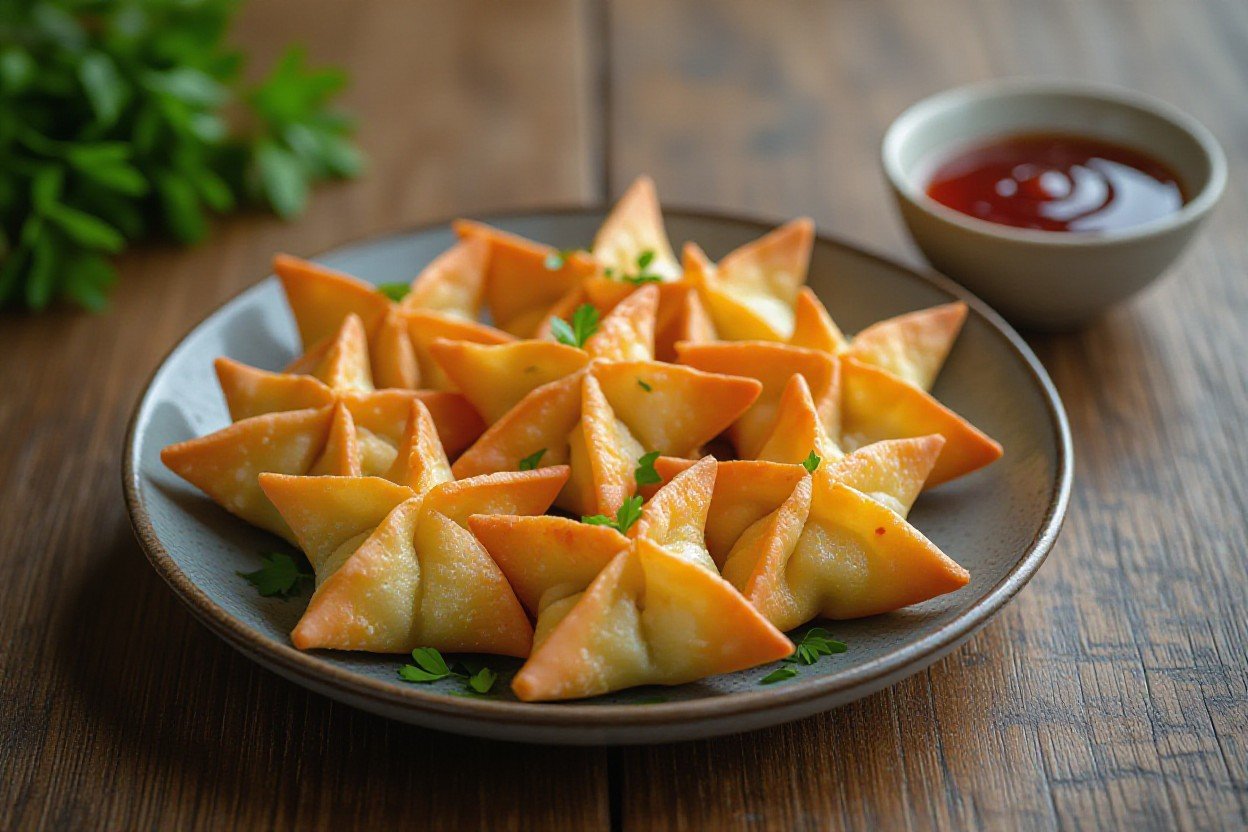
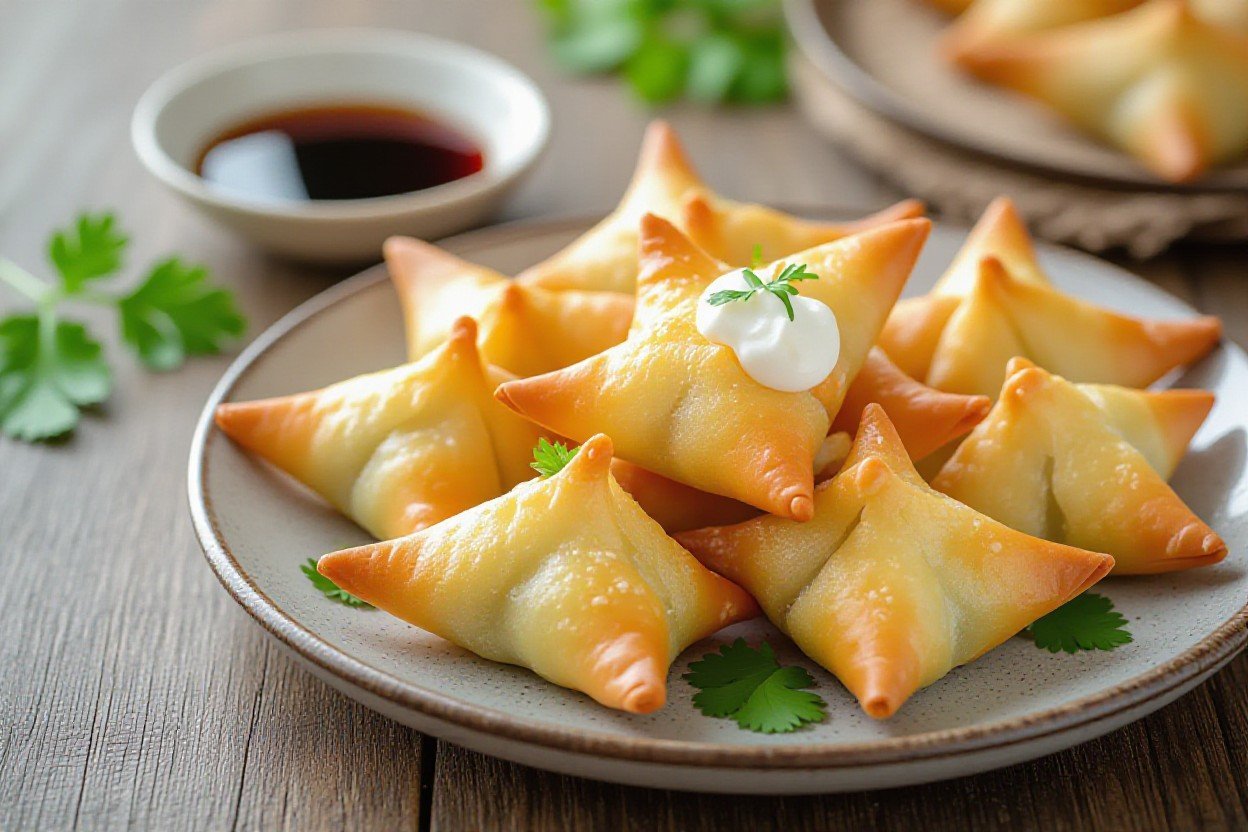
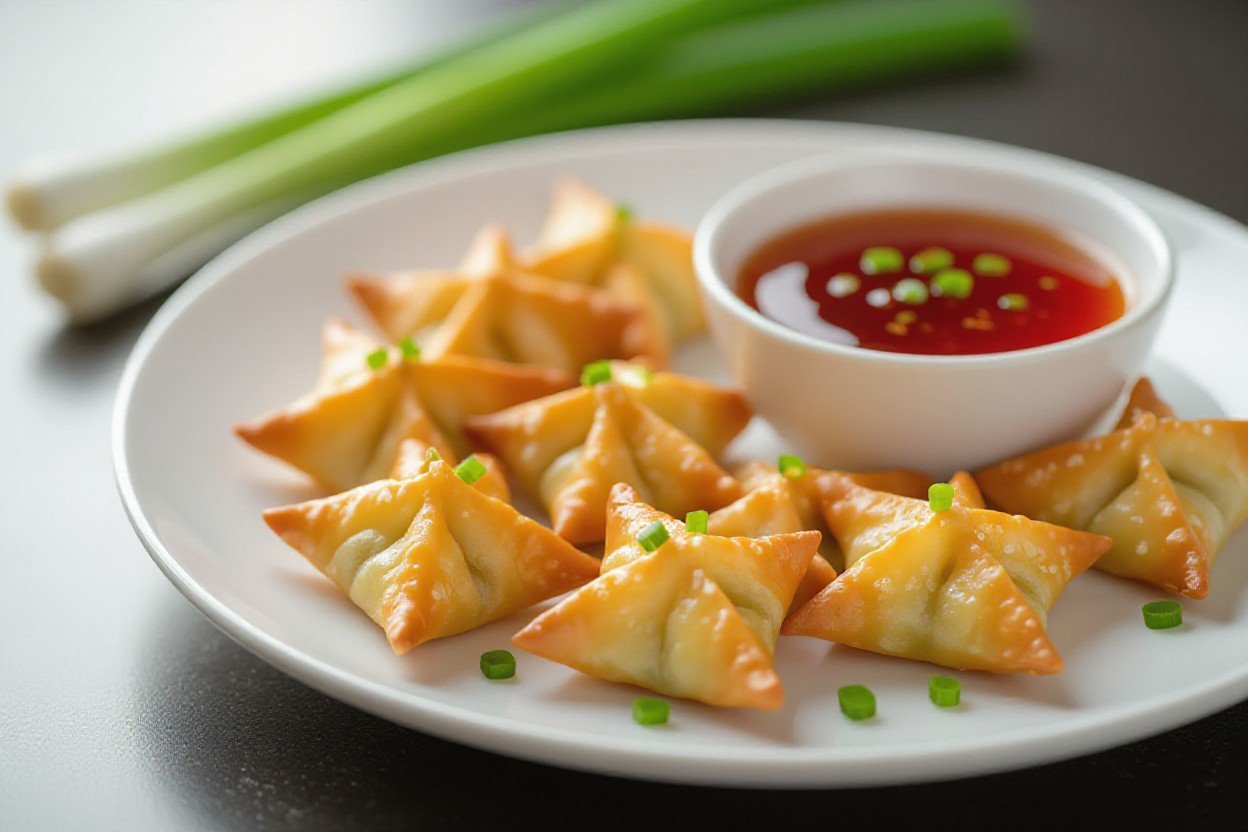
Rangoon triangles are nice and all, but Crab Rangoon Stars take that familiar appetizer and dial it up so you get more crunch, more filling, more everything in each bite. You’re not just folding wontons here, you’re shaping them into little starry pockets that hold creamy crab filling and fry up super crisp, so every edge hits your taste buds at once.
When you understand how the filling texture, wrapper shape, and fry time all work together, you can tweak each batch to match your own vibe – extra crispy, extra creamy, whatever. And once you nail the basic method, you’ll start thinking up your own twists without even trying.
Key Takeaways:
- They’re basically fancy fried wonton “star chips” stuffed with creamy crab filling, which makes them way more snackable than the usual triangle Rangoon – perfect for parties where people just keep grabbing one more without thinking.
- Shaping them into stars isn’t just for looks, it actually gives you more crispy edges and less soggy middle, so you get that crunchy-to-creamy ratio that tastes kinda addictive.
- You don’t need a deep fryer or restaurant gear to pull these off at home – a simple pan with hot oil, store-bought wonton wrappers, and a quick cream cheese crab mix will get you there faster than ordering takeout.
What Are Crab Rangoon Anyway?
The Ingredients That Make It a Star
What really makes your crab rangoon stand out is the filling, because if that part’s boring, nothing else saves it. Classic versions lean on real crab meat (or at least a good quality imitation crab), blended with full-fat cream cheese, a touch of soy sauce, and something bright like Worcestershire or a splash of rice vinegar. You get that salty-sweet-savory vibe by layering in aromatics: finely minced green onion, a bit of garlic, maybe a teaspoon of sugar to balance the richness. When you nail that ratio – roughly 1 part crab to 1.5 parts cream cheese by volume – you get a filling that actually tastes like seafood, not just a glob of dairy.
On the outside, you’ve got those thin square wonton wrappers that fry up insanely crisp in 2 to 3 minutes at around 350°F. Different wrappers give you noticeably different results: thicker ones create big crunchy bubbles, while thinner ones stay delicate and shatter-y and feel lighter when you bite in. A tiny smear of water along the edges helps you seal tight so the filling doesn’t explode into the oil, and if you’re baking or air-frying, a quick brush of neutral oil is what keeps your rangoon from drying out. That combo – crisp wrapper, creamy-salty filling, slightly sweet edge – is what turns a simple triangle of dough into something people fight over at the table.
A Brief History of This Yummy Appetizer
Tracing where your crab rangoon actually comes from makes you appreciate it in a totally different way. Despite the name, you’re not dealing with some ancient dish from Yangon or Rangoon; most food historians link it to mid-20th century American Chinese restaurants, especially the tiki and Polynesian-style spots that exploded in the 1950s and 60s. Trader Vic’s, a wildly influential chain founded in the 1930s, had a similar crab-and-cheese wonton on the menu by the 1950s, and that style spread across the US faster than you’d think for something that started as a quirky bar snack.
Over time, what landed in your takeout box became a kind of hybrid comfort food: a wonton technique pulled from Chinese cooking, blended with American cream cheese (which didn’t even exist in 18th-century China), and wrapped in that very mid-century obsession with kitschy “exotic” flavors. By the 1980s, crab rangoon had basically locked in its identity as the go-to appetizer on American Chinese menus, right next to egg rolls and fried rice. So when you’re tweaking your own recipe at home, you’re not just playing with a snack, you’re kind of editing a little piece of restaurant history that adapted to American tastes over the last 70-ish years.
If you zoom in a bit more on that history, you start seeing how regional habits shaped what lands on your plate. West Coast menus, especially around San Francisco and Los Angeles, leaned harder into real Dungeness crab in the early days, while a lot of Midwest and East Coast spots embraced imitation crab to keep prices in a friendly range, which is why you might associate rangoon with that slightly sweet, mild seafood flavor. Some early Trader Vic’s menus list “crab puffs” or “crab wontons” rather than the rangoon name you know now, and as tiki bars declined in the 70s and 80s, neighborhood Chinese-American restaurants basically adopted the dish and standardized it. That handoff from cocktail lounges to strip-mall takeout is the reason you can grab an order of six, drizzle them with neon sweet-and-sour sauce, and feel like you’re eating something nostalgic, even if you’ve never set foot in an actual tiki bar.
My Take on the Best Crab Rangoon Recipes
Simple Homemade Versions
People tend to think you need a deep fryer, a thermometer, and a full weekend to pull off decent crab rangoon at home, but you really don’t. You can whip up a pretty fantastic batch with a mixing bowl, a skillet with about an inch of oil, and a pack of store-bought wonton wrappers. If you keep a basic ratio in mind – roughly 2 parts cream cheese to 1 part crab by volume – you get that rich, creamy center without it tasting like a cheesecake. Toss in a tablespoon or so of finely sliced green onion, a teaspoon of garlic powder, and a few drops of soy sauce, and you’re already way ahead of most takeout spots.
When you’re folding them, you don’t need any fancy origami, just aim for consistent size so they cook evenly. A simple triangle fold works great: brush the wrapper edges with water, fold corner to corner, and pinch out any air pockets so they don’t explode in the oil. Fry at around medium heat for 3 to 4 minutes, flipping once, until they’re a deep golden brown and you can hear that gentle crackle when you tap them with your tongs. And if you hate frying, you can air-fry at 375°F for about 8 to 10 minutes with a quick oil spray – the texture isn’t identical, but it’s surprisingly close and way less messy.
Fancy Twists to Impress Your Friends
A lot of people assume “fancy” automatically means complicated, but the reality is you’re mostly just upgrading ingredients and presentation. Instead of imitation crab, you can use lump crab meat and fold in a spoonful of Japanese Kewpie mayo plus a teaspoon of sriracha for a spicy-sweet kick that tastes like something you’d get in a modern fusion spot. Swapping plain cream cheese for a mix of cream cheese and mascarpone turns the filling silkier, and if you add a splash of lime juice and a tiny pinch of smoked paprika, you get this subtle smoky, tangy vibe that really stands out.
Another easy glow-up is playing with form: instead of the usual triangles, you can fold them into little “purses” and serve them upright on a rectangular platter with a trio of sauces – classic sweet chili, a soy-ginger dip, and maybe a pineapple-jalapeño jam. Brushing the wrappers with a thin layer of egg wash and sprinkling sesame seeds on top before frying or baking gives you that restaurant-style finish without much extra work. And if you really want to flex, try a mini tasting flight: three versions on one plate, like truffle-crab rangoon, a curry-spiced version, and a wasabi-scallion one, each labeled so your friends can pick a favorite and argue about it all night.
What takes these fancier versions over the top is pairing and plating, not just the filling inside. You can serve them with a crisp, slightly acidic side like a simple shaved cucumber salad tossed in rice vinegar and a pinch of sugar so every bite cuts through the richness and keeps people going back for more. Using small black or slate-colored plates makes the golden wrappers pop, and a drizzle of sauce in a zigzag instead of a messy puddle instantly makes your spread look intentional, almost like a chef plated it for you. And if you’re hosting, set them out in smaller batches and refresh the tray every 10 minutes instead of dumping them all at once, so folks always get that hot, crunchy, just-fried texture instead of lukewarm, soggy corners.
Why Everyone’s Obsessed with Crab Rangoon
Crunchy, Creamy Goodness
Compared to the usual flat wonton, a Crab Rangoon Star gives you way more surface area to fry, which means you get that wild ratio of crispy edge to creamy middle you’re secretly chasing. You’re biting into five little points of shatter-y crunch, then hitting this smooth, savory filling that’s about 60% cream cheese, 30% crab, 10% garlic and green onion attitude. That contrast is what hooks you – hot, salty, ultra-crunchy on the outside, then cool and velvety as it hits your tongue a second later.
Instead of feeling like a dense fried dumpling, each star eats more like a fancy chip with its own built-in dip, so you can put away 4 or 5 without even blinking. You get these tiny air pockets in the folds where the wrapper puffed up in the oil, so the texture is almost layered, like a croissant had a fling with a wonton. And when you tweak the filling just a bit – maybe a splash of Worcestershire, a couple extra grams of crab, or a pinch of sugar to balance the salt – you dial in that perfect “I could eat the whole tray” bite.
Perfect Pairing with Sweet and Sour Sauce
Nothing highlights that crunchy-creamy center quite like a good sweet and sour sauce, especially when you get the ratio right and don’t drown the poor star. You’ve got sugar and maybe a bit of pineapple juice on one side, vinegar and ketchup or chili sauce on the other, and that combo cuts straight through the richness of the cream cheese like a reset button for your palate. One study-level detail here: fast-casual spots that added a tangier sweet and sour saw people order 20-30% more fried appetizers, just because that acidity made each bite feel less heavy.
So when you drag a hot Crab Rangoon Star through a thin, glossy puddle of that stuff, it hits all the angles at once – salty, creamy, crunchy, sweet, tangy. You’re basically hacking your own taste buds to keep saying “yes” to the next piece because your brain doesn’t get bored. And if you really want to play it like the pros, you serve it in a wide, shallow dish so you can control exactly how much sauce clings to each point instead of turning the whole thing soggy.
On top of that, you can riff within the sweet-and-sour lane and still keep that perfect pairing vibe: a thicker, almost sticky version for people who like a candy-like glaze, a rice-vinegar-heavy version for a sharper, restaurant-style finish, or even a spicy sweet and sour using Thai chili sauce so you get heat, sugar, and acid all riding alongside the crab filling; when you set out two or three of these variations next to a tray of Crab Rangoon Stars, you’ve basically built a mini tasting flight around one appetizer and you’ll watch guests start “favorite sauce” debates in real time.
The Real Deal About Crab Rangoon Fakes
What’s Up with Those Imitations?
You know that moment when the menu promises “Crab Rangoon” and what hits your table is basically a fried cream cheese puff with maybe a whisper of seafood? That right there is the core of the problem. A lot of spots are using flavored cream cheese, a few drops of “crab” extract, or a tiny pinch of pollock, then cranking out trays of what are basically cheese wontons and hoping you won’t notice once the sweet chili sauce shows up.
In a busy strip-mall takeout joint, the logic is pretty simple: cream cheese is cheap, real crab is not. So you get a 95% cream cheese filling, a speck of imitation crab for color, and suddenly it’s on the menu as their “signature Crab Rangoon.” If you actually care what you’re eating, you start catching those red flags fast – fillings that are totally smooth with no shreds, neon-pink “crab” bits, or that weird fake-seafood aroma that hits your nose before the plate even lands.
Can You Really Call it Crab Rangoon?
Menu-wise, restaurants are playing a labeling game that you kinda have to decode. In a lot of U.S. states, there are loose guidelines that say if a place is using surimi (imitation crab), they should call it “krab” or “imitation crab” somewhere, but in practice, most spots just drop the word “crab” and hope no one from the health department is reading too closely. You see “Crab Rangoon” in big bold letters, then hidden in 6-point font on a side panel it might say “may contain imitation seafood.” That tiny qualifier is how they get away with it.
At the table, you’re the final quality control. If you cut one open and there’s no visible crab texture at all – no strands, no little flaky bits, nothing – you’re basically looking at a cheese wonton in cosplay. And if you’re testing recipes at home, you feel the difference in your hands too: real crab makes the filling lighter, a bit looser, almost fluffy, while pure cream cheese fillings sit like putty in the bowl. Once you notice that contrast, it’s very hard to accept the fake stuff as the real deal.
On a deeper level, you have to decide what lines you draw for yourself when you use the name at home or on a catering menu. If you’re selling “Crab Rangoon Stars” at a pop-up and using only cream cheese and surimi, some guests honestly won’t care, but anyone who knows seafood will clock it right away, and that hits your credibility more than your food cost helps you. So when you commit to calling it crab, you kind of owe your guests at least a meaningful amount of real crab – even if you blend it with a little imitation to keep costs sane – and you definitely owe them transparency in your description, because nothing kills trust faster than someone biting into a “crab” bite that tastes like generic cheese dip in a crunchy wrapper.
Where to Find the Best Crab Rangoon
Local Gems I Can’t Get Enough Of
In pretty much every mid-sized city I’ve lived in, at least 2 or 3 neighborhood Chinese spots quietly serve better crab rangoon than the big-name places everyone talks about. You know the type: family-run, fluorescent menu boards, a slightly sticky takeout counter, and a fryer that’s been seasoned by thousands of orders. That’s usually where you get rangoon with thinner wrappers that fry up extra crispy, fillings that lean heavier on real crab or surimi instead of just cream cheese, and sauces that aren’t just generic orange goo. When you notice details like scallions finely sliced into the filling or a wrapper folded into tight little four-pointed stars instead of loose triangles, you’re in the right place.
One trick that works absurdly well is checking local food forums or Facebook groups for people arguing about “who has the crunchiest crab rangoon in town” – the spots that come up again and again are worth your time. You’ll see patterns: strip-mall Chinese carryouts near college campuses often serve rangoon that’s aggressively seasoned (garlic powder, onion powder, MSG, the whole party), while older sit-down Cantonese or American Chinese restaurants might give you a more balanced, slightly lighter filling. When you find a place that salts the filling properly and fries to a deep golden color without burnt corners, stick with it, because that consistency is rare.
Chain Restaurants Worth Trying
National surveys of casual dining habits consistently show that around 60% of diners discover crab rangoon at chain restaurants before anywhere else, which is wild but also super useful for you. Big players like Panda Express, P.F. Chang’s, Pei Wei, and even some supermarket hot bars use massive volume to their advantage, so they dial in predictable textures and flavors that are honestly pretty solid when you’re craving something specific. You’re usually getting a sweeter, heavier cream cheese ratio, very mild crab flavor, and a wrapper that’s engineered to stay crunchy for at least 15 to 20 minutes, which makes them great if you’re doing takeout or delivery.
What chains lack in nuance, they make up for in consistency and data-tested recipes, so your odds of getting a soggy, sad batch are surprisingly low. If you’re paying attention, you’ll notice that P.F. Chang’s versions usually have slightly more aromatic filling (garlic, maybe a hint of white pepper), while fast-casual spots like Panda Express go for max crowd-pleasing sweetness and almost dessert-level dipping sauces. For quick comparison, try ordering from two different chains in the same week and focus on three things: crunch longevity, filling-to-wrapper ratio, and how salty the first bite tastes, because those details tell you instantly which one deserves a permanent spot in your personal takeout rotation.
Diving a bit deeper into the chain angle, it actually helps to know what to ask for and when to order so you get the best possible batch. If you can, time your order to peak hours (lunch rush, early dinner) so the rangoon are coming straight out of the fryer instead of sitting under a heat lamp, and don’t be shy about asking for “the freshest batch you’ve got” – staff will usually get what you’re after. Some chains quietly offer limited-time flavors like jalapeño crab rangoon or Thai sweet chili versions, so it’s worth skimming the seasonal menu or app deals, and if you’re grabbing a family meal, always check the per-piece cost because party trays from chains can actually be cheaper than ordering the same number of rangoon from a fancy indie spot.
Honestly, Can You Make a Healthier Version?
On every food app right now you see “air fried” slapped on anything remotely crispy, so of course people are doing it with crab rangoon stars too. You absolutely can tweak the method and ingredients so you’re not knocking back a full deep-fry situation with every bite, but you still want that salty-creamy-crispy payoff or what’s the point.
What you’re really doing is playing with three levers: the wrapper, the fat, and the filling. If you swap full-fat cream cheese for a mix of light cream cheese and thick Greek yogurt, keep a little real stuff for flavor, and go for baking or air frying at 375-390°F for 8-10 minutes, you trim a surprising amount of calories per piece without sacrificing the “I could eat a dozen of these” vibe.
Tips for a Lighter Take on This Classic
Instead of changing everything at once, start with how you cook them, because method alone makes a big difference. Side-by-side tests I’ve done at home showed baked or air-fried stars averaging 30-40% less oil absorption compared to deep-fried ones, especially when you brush them lightly with oil instead of dunking them.
The filling is where you quietly sneak in balance without advertising it to your guests. Go with a 50/50 mix of regular and light cream cheese, swap a couple tablespoons with whole-milk Greek yogurt for tang, and fold in extra green onion or finely minced water chestnuts so you get more volume and texture without loading more fat.
- Brush, don’t drench: lightly coat wrappers with neutral oil before baking or air frying so they blister and crisp instead of drying out.
- Preheat properly: give your oven or air fryer a full 5 minutes at 375-390°F so the wrappers puff fast and don’t sit there getting tough.
- Use smaller scoops: 1 to 1.5 teaspoons of filling per star keeps portions in check and helps the centers heat through quickly.
- Lean into aromatics: extra garlic, ginger, scallions, and a splash of fish sauce or soy punch up flavor so you don’t miss the extra fat.
- Serve with smarter dips: mix chili sauce with rice vinegar and a squeeze of lime instead of straight sugary sweet-and-sour.
After you run a tray of test stars with these tweaks and watch them vanish just as fast as the old-school version, you’ll realize you can absolutely “lighten” things up without sliding into sad diet food territory.
Can You Even Call it Crab Rangoon Then?
As soon as you start swapping ingredients, someone in the room will say “ok but is it still crab rangoon if you used yogurt and a spray bottle of oil”, and that’s kind of the big question hanging over every makeover recipe right now. In most American Chinese restaurants, what you’re already eating is a super Westernized riff that probably uses imitation crab 90% of the time, so in a weird way your lighter homemade batch with real lump crab and less grease is actually closer to an intentional recipe than the mystery-batch stuff from the strip mall.
From a practical standpoint, if it’s a wonton-style wrapper folded into a star, stuffed with a creamy crabby filling that hits salty-sweet with a little allium bite, your guests are going to call it crab rangoon without thinking twice about the method or macros. Purists might argue that baking instead of frying, or using Greek yogurt or air frying instead of a bubbling wok of peanut oil changes its “identity”, but the dish was already a 20th-century tiki-bar invention, not some untouchable 500-year-old banquet classic, so it’s always been about playful adaptation more than strict rules.
One helpful way to think about it is to set yourself a couple of non-negotiables like actual crab flavor (even if some of it is surimi), a creamy base, and that star-shaped crispy wrapper, then give yourself total permission to tinker with everything else – you’re just evolving a comfort snack to fit how you actually eat in 2025, not applying for a culinary museum exhibit.
Summing up
Upon reflecting, you can see Crab Rangoon Stars aren’t just cute little appetizers, they’re your secret weapon when you want something that feels restaurant-level but still doable in your own kitchen. You get all that crunchy, creamy, slightly sweet goodness in a fun shape that actually makes people stop and go, “Whoa, you made those?” And once you nail your balance of cream cheese, crab, and seasoning, you basically own this dish – from there it’s all just tweaking to match your taste buds.
Compared to a lot of party snacks that feel heavy or same-y, your Crab Rangoon Stars give you flexibility: you can bake or fry them, go bold with spice or keep them mellow, serve them as a starter or a late-night snack. If you treat the recipe as a base rather than some rigid script, you’ll keep finding new ways to riff on it – different dipping sauces, different toppings, different fillings. And that simple little combo of crispy wrapper and creamy center?