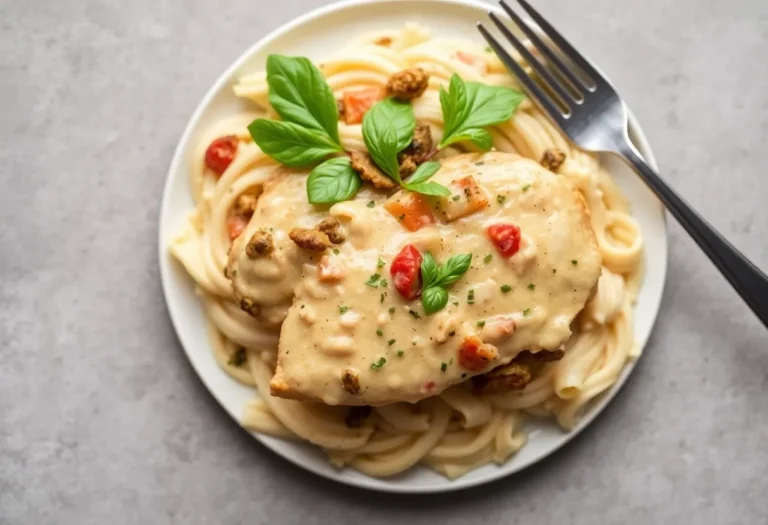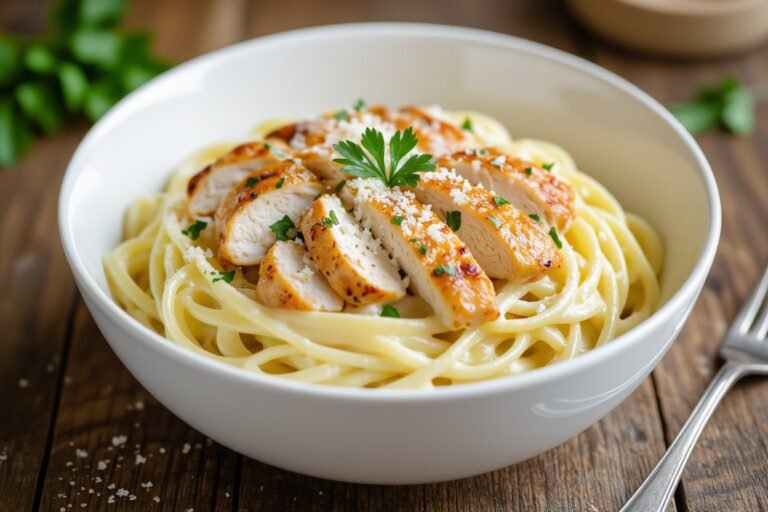
Chicken Enchilada Pasta
Pasta takes on a bold new identity when you combine it with the vibrant flavors of Mexican cuisine in this Chicken Enchilada Pasta dish. You’ll discover a perfect fusion meal that brings together tender chicken, creamy enchilada sauce, and your favorite pasta shape for a weeknight dinner that satisfies both Italian and Mexican food cravings. This one-pot wonder streamlines your cooking process while delivering all the classic enchilada flavors you love—melted cheese, zesty spices, and rich sauce—without the time-consuming rolling and baking. Your family will appreciate this comforting dish that’s ready in under 30 minutes.
Key Takeaways:
- This fusion dish combines the bold flavors of chicken enchiladas with the comfort of pasta, creating a creamy, satisfying one-pot meal
- The recipe typically features tender chicken, enchilada sauce, cream cheese or sour cream, and Mexican cheese blend tossed with penne or rotini pasta
- It’s a quick weeknight dinner option that delivers authentic Mexican-inspired taste while being easier to prepare than traditional rolled enchiladas
Ingredients
The beauty of chicken enchilada pasta lies in how each ingredient serves a dual purpose, bringing both the comfort of Italian pasta dishes and the bold flavors of Mexican cuisine to your table. You’ll need about 12 ounces of pasta, 1.5 pounds of boneless chicken breasts, 2 cups of enchilada sauce (red or green based on your preference), 1 cup of heavy cream, 2 cups of shredded Mexican cheese blend, 1 diced onion, 3 minced garlic cloves, 1 tablespoon of chili powder, 1 teaspoon of cumin, and fresh cilantro for garnish. Salt, pepper, and olive oil round out your shopping list.
The ingredient ratios here are designed to serve 6 people generously, with enough sauce to coat every piece of pasta without making the dish soupy. You can scale these measurements up or down depending on your needs, though the sauce-to-pasta ratio should stay consistent at roughly 3 cups of liquid (enchilada sauce plus cream) to 12 ounces of dried pasta. This ensures the pasta absorbs the flavors properly while maintaining the creamy consistency that makes this dish so addictive.
Pasta Selection
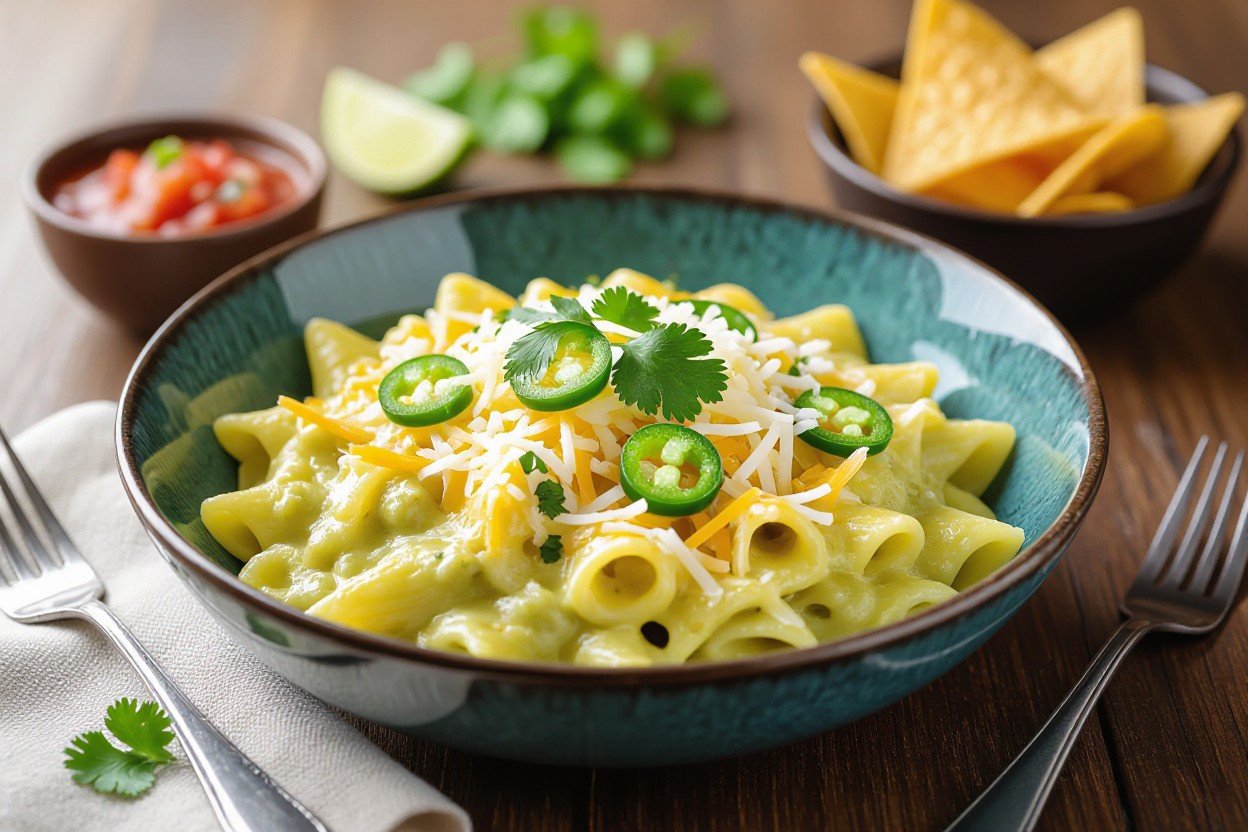
Penne and rigatoni work exceptionally well for this recipe because their tubular shape and ridged exterior trap the creamy enchilada sauce in every bite. The hollow centers fill with sauce, while the ridges provide texture and help the cheese cling to each piece. You’ll want to cook your pasta to just under al dente—about 1 minute less than the package directions—since it will continue cooking when you combine it with the hot sauce. This prevents the mushy texture that ruins many baked pasta dishes.
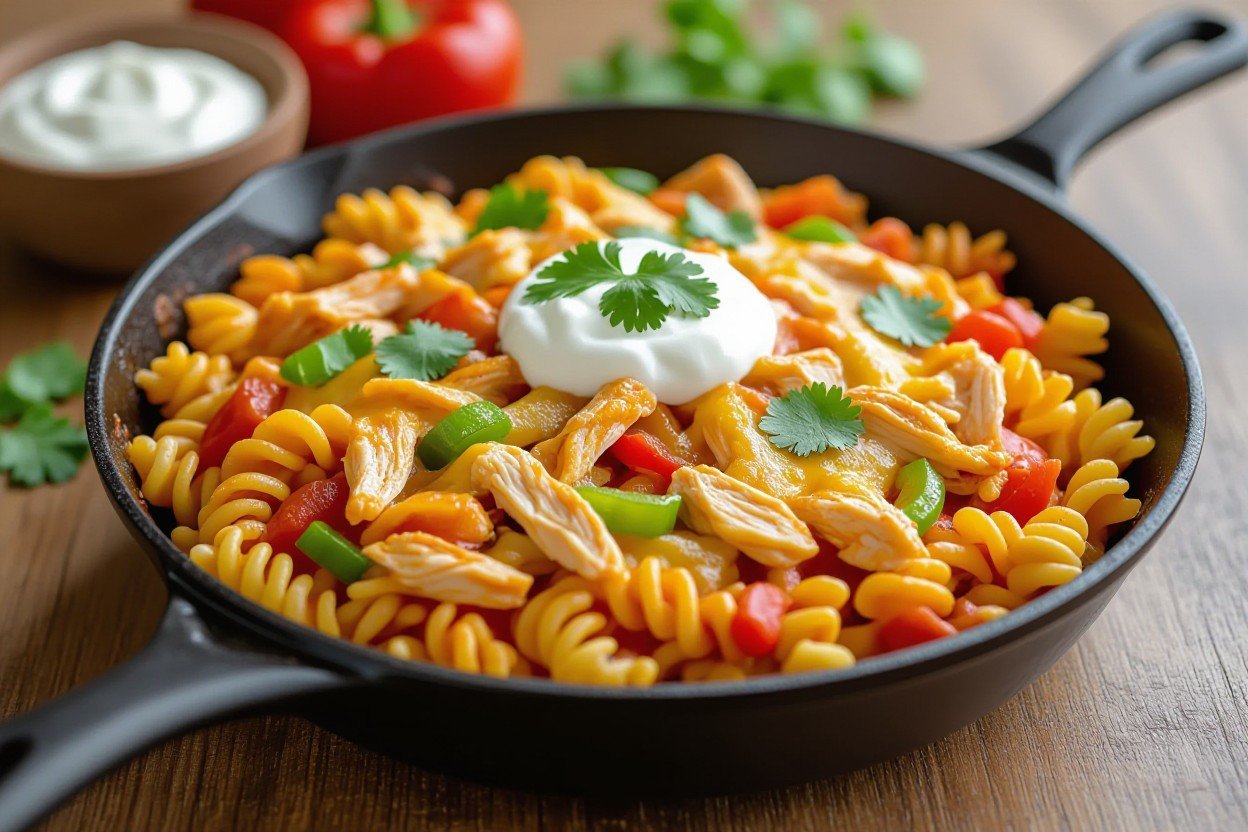
Rotini and fusilli serve as excellent alternatives if you prefer spiral shapes, as their twists create even more surface area for the sauce to adhere to. Avoid delicate pasta shapes like angel hair or thin spaghetti, which can’t stand up to the thick, hearty sauce and tend to clump together. Short pasta shapes between 1.5 to 2 inches in length give you the best fork-to-mouth experience with this particular dish.
Chicken Preparation
Boneless, skinless chicken breasts offer the leanest option, though chicken thighs bring more flavor and stay juicier during cooking. You’ll cut the chicken into bite-sized cubes of roughly 1-inch pieces before cooking, which ensures even browning and makes the final dish easier to eat. Season the raw chicken cubes with half your chili powder and cumin before they hit the pan—this builds flavor from the ground up rather than trying to add it later.
Searing the chicken in batches prevents overcrowding, which causes steaming instead of browning. Your pan should be hot enough that the chicken sizzles immediately when it touches the surface, and you should see golden-brown edges developing within 2-3 minutes per side. The chicken doesn’t need to cook through completely at this stage since it will finish cooking when combined with the sauce and pasta.
Rotisserie chicken provides a convenient shortcut that cuts your active cooking time by 15 minutes. You’ll need about 3 cups of shredded rotisserie chicken to replace the 1.5 pounds of raw chicken breasts. Simply remove the skin, shred the meat, and add it directly to your sauce without any pre-cooking required. This method works particularly well for weeknight dinners when time is tight.
Sauce Components
Red enchilada sauce delivers the classic flavor profile most people associate with enchiladas, with its base of dried red chilies, tomatoes, and warming spices. Las Palmas and Hatch are reliable grocery store brands that provide consistent heat levels and authentic flavor without overwhelming spiciness. Green enchilada sauce, made from tomatillos and green chilies, offers a tangier, brighter alternative that pairs beautifully with the cream. The heat level varies significantly between brands, so check the label if you’re sensitive to spice.
Heavy cream balances the acidity and heat of the enchilada sauce while creating the luscious, coating consistency
Cooking Instructions
Preparing the Pasta
Bring a large pot of salted water to a rolling boil—you’ll want at least 4 quarts of water for a pound of pasta. Add two tablespoons of salt to the water; this is your only opportunity to season the pasta itself from the inside out. Drop your penne or rotini into the boiling water and cook it for exactly 2 minutes less than the package directions suggest. For most pasta shapes, this means pulling them at the 7 or 8-minute mark instead of the full 9 to 10 minutes.
Drain the pasta immediately but save one full cup of the starchy cooking water before you pour it into the colander. This cloudy, salty liquid becomes your secret weapon for creating a silky sauce that clings to every piece of pasta. The pasta will look slightly undercooked and feel firm when you bite into it—that’s exactly what you want since it will continue cooking when you combine everything together in the final steps.
Cooking the Chicken
Heat two tablespoons of olive oil in your largest skillet over medium-high heat until it shimmers but doesn’t smoke. Pat 1.5 pounds of boneless, skinless chicken breasts completely dry with paper towels—any moisture on the surface will cause the meat to steam rather than brown. Season both sides generously with salt, pepper, cumin, and chili powder before laying the chicken in the hot pan. Let each piece cook undisturbed for 6 to 7 minutes on the first side until a golden-brown crust forms.
Flip the chicken only once and cook for another 5 to 6 minutes until the internal temperature reaches 165°F on an instant-read thermometer. Transfer the cooked chicken to a cutting board and let it rest for 5 minutes—this allows the juices to redistribute throughout the meat instead of running out onto your cutting board. After resting, dice the chicken into bite-sized pieces roughly three-quarters of an inch square.
Don’t wipe out your skillet after removing the chicken. Those brown bits stuck to the bottom of the pan, known as fond, contain concentrated flavor that will enrich your sauce. You’ll deglaze this pan in the next step, scraping up all those caramelized proteins to add depth to your dish.
Combining Ingredients
Return your skillet to medium heat and add one diced onion and three minced garlic cloves to the chicken drippings. Sauté for 3 to 4 minutes until the onion turns translucent and the garlic becomes fragrant. Pour in one 10-ounce can of red enchilada sauce along with half a cup of the reserved pasta water, using a wooden spoon to scrape up all the browned bits from the bottom of the pan. Stir in one cup of sour cream and 8 ounces of cream cheese cut into cubes, whisking constantly until the cheese melts completely and the sauce becomes smooth and velvety.
Add the undercooked pasta and diced chicken to the sauce, tossing everything together with tongs until each piece is thoroughly coated. The pasta will absorb the sauce as it finishes cooking, typically taking 2 to 3 minutes of stirring over medium heat. If the mixture looks too thick, add the remaining pasta water a quarter cup at a time until you achieve a creamy consistency that coats the back of a spoon.
Fold in 2 cups of shredded Mexican cheese blend, stirring just until it begins to melt into glossy streaks throughout the pasta. Turn off the heat while some of the cheese is still visible—the residual heat will finish melting it without making the sauce greasy or separated. Taste and adjust your seasonings, adding more salt, cumin, or a squeeze of fresh lime juice to brighten the flavors.
Serving Suggestions
Presentation Ideas
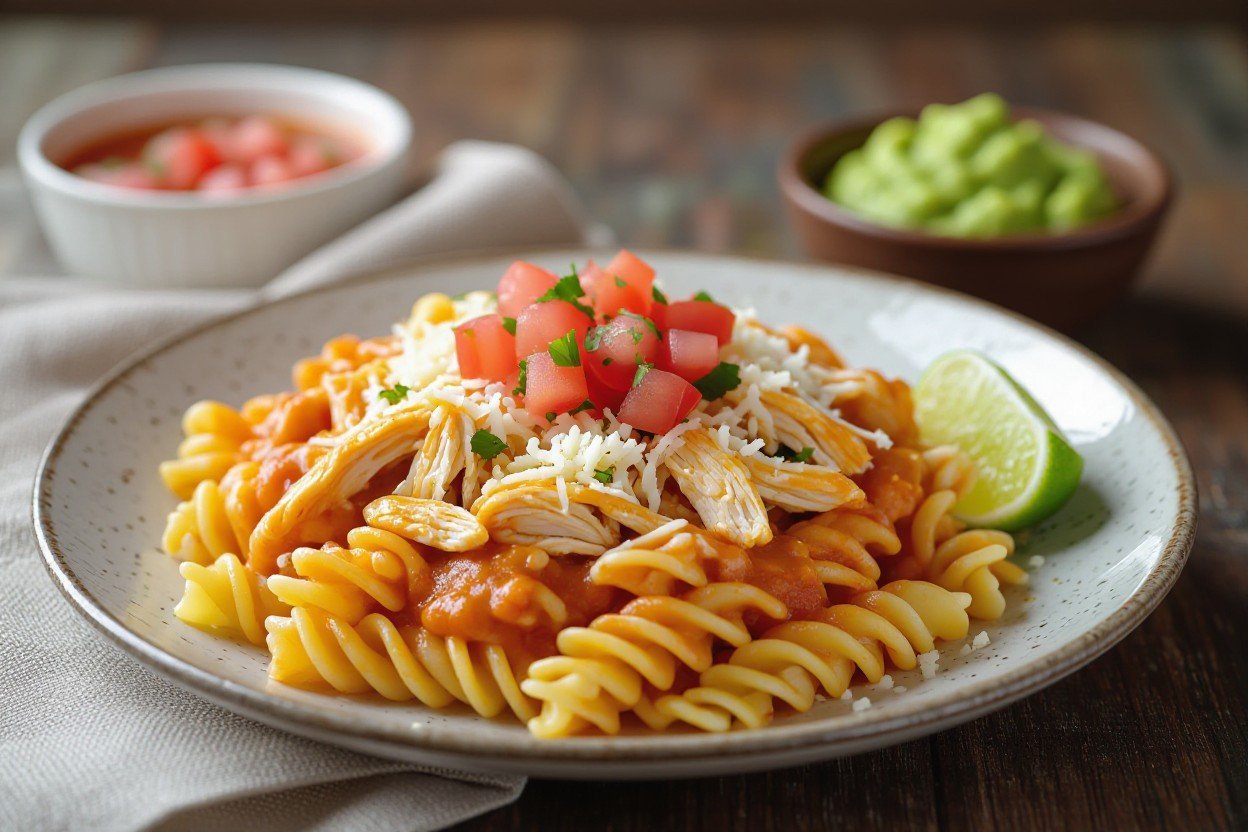
You’ll want to serve this Chicken Enchilada Pasta in wide, shallow bowls that showcase the creamy sauce and vibrant colors. Garnish each portion with a generous sprinkle of fresh cilantro, a dollop of sour cream, and a handful of crushed tortilla chips for added texture. The contrast between the warm pasta and cool toppings creates visual appeal that makes your dish Instagram-worthy. For family-style serving, transfer the pasta to a large ceramic serving dish and arrange lime wedges around the perimeter, allowing guests to add a bright citrus squeeze according to their preference.
Your plating becomes even more impressive when you add colorful elements like diced avocado, sliced jalapeños, or a sprinkle of cotija cheese on top. Consider serving the pasta in individual cast-iron skillets if you’re hosting a dinner party—this restaurant-style presentation keeps portions hot and adds a rustic touch to your table. You can also create a toppings bar with separate bowls of shredded cheese, pico de gallo, sliced black olives, and diced green onions, letting everyone customize their bowl to their liking.
Pairing Options
A crisp green salad with lime-cilantro vinaigrette cuts through the richness of this pasta dish beautifully. You can prepare a simple romaine salad with cherry tomatoes, red onion, and pepitas, dressed with a tangy citrus dressing that complements the Mexican-inspired flavors. Mexican street corn (elote) also makes an excellent side dish, offering a smoky, charred flavor that balances the creamy pasta. For a lighter option, serve chilled cucumber spears sprinkled with Tajín seasoning alongside the meal.
Warm flour tortillas or cornbread muffins work perfectly for soaking up any extra sauce left in the bowl. Black beans seasoned with cumin and garlic provide additional protein and fiber, making the meal more substantial for hungry families. Spanish rice or cilantro-lime rice adds another layer of authenticity to your Mexican-fusion dinner spread.
Your beverage choices should complement the dish’s spicy and creamy elements—a cold Mexican lager, fresh agua fresca, or a pitcher of classic margaritas all work wonderfully. For non-alcoholic options, hibiscus tea (jamaica) or horchata provides the perfect sweet contrast to the savory pasta, while sparkling water with lime keeps things light and refreshing.
Tips for the Perfect Dish
The key to achieving restaurant-quality Chicken Enchilada Pasta lies in timing your pasta cooking perfectly. You’ll want to undercook your pasta by exactly 2 minutes less than the package directions suggest, as it will continue cooking when you combine it with the hot enchilada sauce. This prevents the mushy texture that plagues so many pasta dishes and ensures each piece maintains that ideal al dente bite even after baking.
Your cheese selection makes or breaks this dish. While pre-shredded cheese offers convenience, freshly grated cheese from a block melts significantly better due to the absence of anti-caking agents. A combination of sharp cheddar and Monterey Jack in a 2:1 ratio creates the perfect balance of flavor and meltability. For the creamiest results, bring your cream cheese to room temperature at least 30 minutes before cooking – cold cream cheese forms lumps that refuse to incorporate smoothly no matter how vigorously you stir.
- Salt your pasta water generously – it should taste like the ocean
- Reserve at least one cup of pasta water before draining to adjust sauce consistency
- Let the dish rest for 5 minutes after baking for easier serving
- Toast your cumin and chili powder in the pan for 30 seconds before adding liquids
- Thou shall not skip the fresh cilantro garnish, as it brightens the entire dish
Adjusting Spice Levels
Your spice tolerance determines which enchilada sauce you choose as your base. Mild enchilada sauce typically registers around 500-1,000 Scoville units, while medium ranges from 1,000-2,500, and hot versions can climb above 5,000. For families with mixed preferences, start with mild sauce and offer diced jalapeños, hot sauce, or cayenne pepper as table condiments. You can always add heat, but you can’t take it away once it’s incorporated into the dish.
Green enchilada sauce provides a tangier, slightly milder alternative to red sauce and works beautifully with the chicken and pasta combination. If you’ve accidentally made the dish too spicy, stir in an additional half cup of sour cream or heavy cream – the dairy fats bind to capsaicin molecules and reduce the burning sensation. Adding a tablespoon of sugar or honey also helps balance excessive heat without diluting the overall flavor profile.
Storage and Leftovers
Store your Chicken Enchilada Pasta in airtight containers for up to 4 days in the refrigerator. The flavors actually deepen and meld together after 24 hours, making day-two leftovers arguably better than the fresh dish. Divide larger batches into individual portions before refrigerating – this speeds up cooling time and makes reheating more convenient for quick lunches throughout the week.
Freezing works exceptionally well with this recipe for up to 3 months. Portion the cooled pasta into freezer-safe containers, leaving a half-inch of headspace to allow for expansion. Thaw overnight in the refrigerator rather than at room temperature to maintain food safety standards and preserve texture.
Reheating requires adding moisture since pasta absorbs liquid as it sits. Microwave individual portions with 2-3 tablespoons of chicken broth, milk, or water, stirring halfway through the heating cycle. For oven reheating, cover the dish with foil and bake at 350°F for 20-25 minutes, adding a splash of liquid and sprinkling fresh cheese on top during the last 5 minutes. The pasta may seem slightly dry when you first take it from the fridge, but proper reheating with added liquid restores its creamy consistency perfectly.
Nutritional Information
Each serving of this Chicken Enchilada Pasta delivers approximately 485 calories, making it a satisfying main dish that won’t derail your daily calorie goals. You’ll get 32 grams of protein per serving from the chicken and cheese, which supports muscle maintenance and keeps you feeling full for hours after your meal. The dish contains about 18 grams of fat, with 8 grams coming from saturated sources primarily in the cheese and sour cream. Your carbohydrate intake sits at around 42 grams per serving, with 3 grams of fiber from the beans, tomatoes, and peppers.
The sodium content reaches approximately 890 milligrams per serving, which accounts for about 39% of your recommended daily intake. You can reduce this by using low-sodium chicken broth and rinsing your canned beans thoroughly before adding them to the dish. This recipe provides 15% of your daily calcium needs and 20% of your iron requirements, thanks to the dairy products and fortified pasta. The bell peppers and tomatoes contribute vitamin C and vitamin A, offering immune support and eye health benefits. If you’re watching your macros, you can easily adjust the recipe by using whole wheat pasta for added fiber, Greek yogurt instead of sour cream for extra protein, or reduced-fat cheese to lower the overall fat content without sacrificing the comforting flavors you’re looking for.
Variations of Chicken Enchilada Pasta
You can transform this dish into a white chicken enchilada pasta by swapping the red enchilada sauce for a creamy verde sauce made with sour cream, green chiles, and chicken broth. This variation cuts the acidity significantly and creates a milder flavor profile that works particularly well if you’re serving kids or anyone sensitive to spicy foods. Add a cup of frozen corn and some diced poblano peppers to enhance the verde version, and you’ll end up with a dish that tastes remarkably similar to white chicken enchiladas but comes together in half the time.
For a protein boost, you can incorporate black beans or pinto beans directly into the pasta—about one 15-ounce can works perfectly for a standard recipe serving six people. If you’re looking to increase the vegetable content, diced bell peppers, zucchini, or spinach blend seamlessly into the sauce without disrupting the enchilada flavor you’re after. A seafood variation using shrimp instead of chicken requires just a 3-4 minute cook time for the protein, and you’ll want to add the shrimp at the very end to prevent them from becoming rubbery. Some home cooks have even experimented with ground beef or turkey as the base protein, browning it first with taco seasoning before adding the pasta and sauce components for a heartier, more budget-friendly version.
Summing up
Drawing together the best elements of Mexican enchiladas and Italian pasta, Chicken Enchilada Pasta offers you a fusion dish that delivers bold flavors with practical weeknight convenience. You’ve learned how this one-pot meal combines tender chicken, al dente pasta, and creamy enchilada sauce to create a satisfying dinner that typically takes under 30 minutes from start to finish. The versatility of this recipe allows you to adjust the spice level to your preference, swap proteins, or add extra vegetables to suit your family’s tastes.
When you prepare Chicken Enchilada Pasta, you’re choosing a dish that provides excellent value through its use of pantry staples and leftover chicken while delivering restaurant-quality taste. Your ability to customize the toppings—from fresh cilantro and sour cream to diced tomatoes and sliced jalapeños—means each serving can be tailored to individual preferences. This recipe proves that comfort food doesn’t require complicated techniques or hard-to-find ingredients, making it an ideal addition to your regular meal rotation.
Printable Recipe Card
Want just the essential recipe details without scrolling through the article? Get our printable recipe card with just the ingredients and instructions.