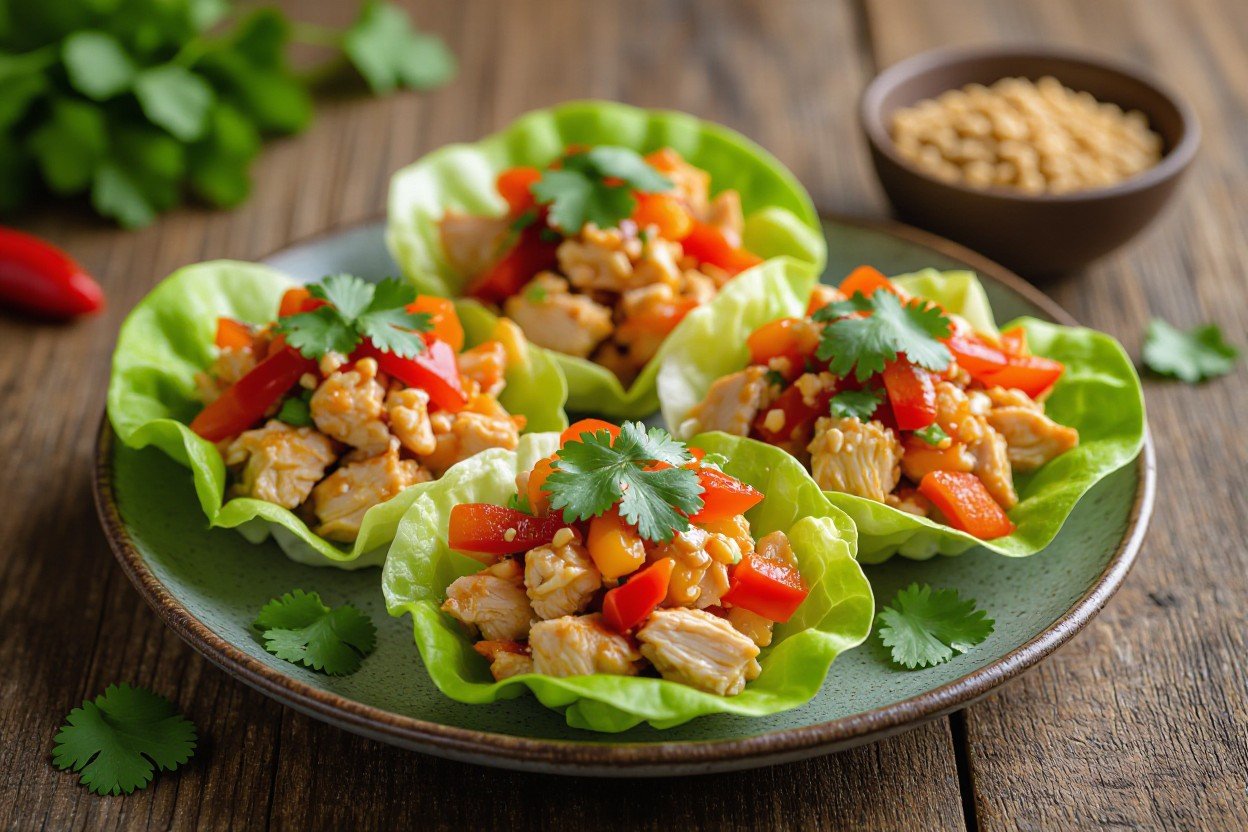
Spicy Chicken Lettuce Cups
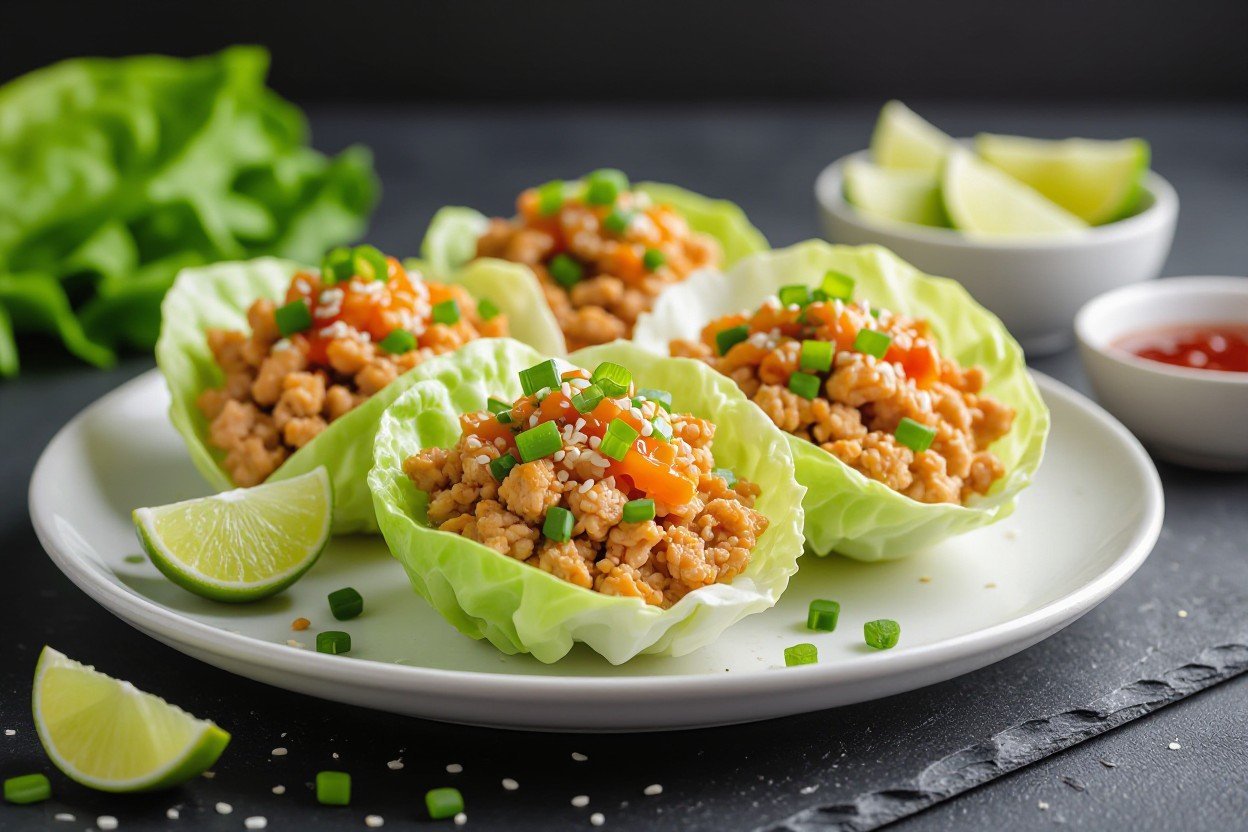
You’ll discover that Spicy Chicken Lettuce Cups offer the perfect balance of bold flavors and healthy eating in one delicious bite. This Asian-inspired dish combines seasoned ground chicken with aromatic vegetables, wrapped in crisp lettuce leaves for a refreshing, low-carb meal. Whether you’re looking for a quick weeknight dinner or an impressive appetizer for your next gathering, these lettuce cups deliver satisfying heat and crunch that will keep you coming back for more. The best part is that you can easily customize the spice level to match your preferences.
Key Takeaways:
- Spicy chicken lettuce cups offer a light, low-carb alternative to traditional wraps while delivering bold Asian-inspired flavors with customizable heat levels.
- The dish comes together quickly in under 20 minutes, making it an ideal weeknight dinner or appetizer that’s both healthy and satisfying.
- Butter lettuce or romaine leaves work best as vessels, providing a crisp, refreshing contrast to the warm, savory chicken filling topped with crunchy vegetables and herbs.
Ingredients
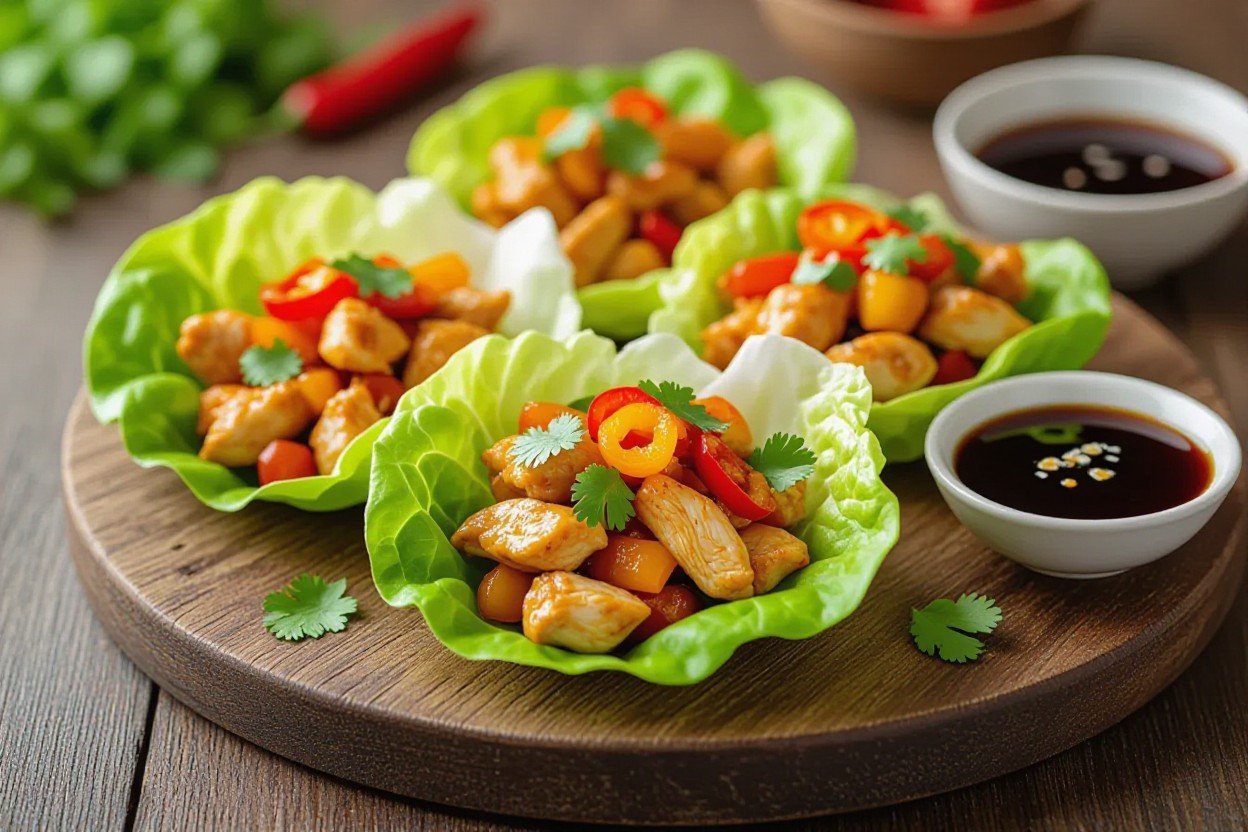
The beauty of spicy chicken lettuce cups lies in their simplicity—you need just a handful of fresh ingredients that come together in under 30 minutes. Your shopping list divides neatly into three categories: protein, vegetables, and the flavor-building spices and sauces that transform this dish from basic to restaurant-quality.
You’ll want to gather everything before you start cooking, since the actual preparation moves quickly once you heat your wok or skillet. Most ingredients are pantry staples or readily available at your local grocery store, though you might need to make a quick stop at an Asian market for specialty items like Chinese five-spice powder or authentic chili garlic sauce.
Chicken
Ground chicken forms the protein base of this dish, and you’ll need approximately 1 to 1.5 pounds to serve four people generously. Your best option is ground chicken thigh meat rather than breast meat—the higher fat content (around 7-10% compared to breast’s 3-5%) keeps the filling moist and flavorful even after high-heat cooking. If you can’t find pre-ground chicken thigh, you can ask your butcher to grind boneless, skinless thighs for you, or pulse them in your food processor at home until they reach a coarse, ground texture.
Some recipes call for diced chicken breast instead of ground meat, which creates a chunkier texture with more distinct pieces of protein. This variation works well if you prefer a heartier bite, but you’ll need to increase your cooking time by 3-4 minutes to ensure the larger pieces cook through completely to an internal temperature of 165°F.
Vegetables
Water chestnuts provide the signature crunch that makes these lettuce cups so texturally satisfying—you’ll need one 8-ounce can, drained and finely chopped. Their mild, slightly sweet flavor and crisp bite remain intact even after cooking, creating a pleasant contrast to the soft ground chicken. Fresh water chestnuts offer even better texture if you can find them at Asian markets, though they require peeling and take about 15 minutes of extra prep time.
Shiitake mushrooms add an earthy, umami-rich depth that balances the heat from your spices. You’ll want 8 ounces of fresh shiitakes, stems removed and caps diced into quarter-inch pieces. Fresh shiitakes contain natural glutamates that enhance the savory qualities of your dish—dried shiitakes actually contain even more concentrated umami compounds, so if you substitute dried mushrooms, use only 1 ounce rehydrated in warm water for 20 minutes.
Green onions serve double duty as both an aromatic base and a fresh garnish—plan on using 6-8 stalks total. You’ll mince the white and light green parts to cook with your chicken, releasing their sharp, pungent oils into the dish, while you’ll slice the dark green tops thinly on a bias for sprinkling over your finished cups. Fresh ginger and garlic round out your vegetable lineup, with 2 tablespoons of minced ginger and 4-5 cloves of minced garlic creating the aromatic foundation that defines Asian-inspired cuisine.
Spices and Sauces
Soy sauce and hoisin sauce form your liquid seasoning base, with 3 tablespoons of soy sauce providing salty depth and 2 tablespoons of hoisin adding sweet, fermented complexity. Low-sodium soy sauce gives you better control over your final salt level, especially since hoisin already contains significant sodium. Rice vinegar (2 tablespoons) cuts through the richness with bright acidity, while sesame oil (1 tablespoon) contributes its distinctive nutty aroma—add sesame oil at the end of cooking rather than using it as your cooking fat, since its delicate flavor compounds break down above 350°F.
Your heat comes from chili garlic sauce or sambal oelek, and you’ll start with 1-2 tablespoons depending on your spice tolerance. Sriracha works in a pinch, though it’s sweeter and less g
Preparation
You’ll need about 20 minutes of active prep time to get everything ready for this dish. Start by gathering your ingredients on the counter—this mise en place approach prevents scrambling mid-cook when the chicken needs immediate attention. Dice your chicken thighs into half-inch cubes rather than strips; the smaller pieces absorb the spicy marinade better and cook more evenly in the hot wok. Mix your sauce components in a small bowl beforehand, combining two tablespoons of soy sauce, one tablespoon of rice vinegar, one teaspoon of sesame oil, and your preferred chili paste to taste.
Your vegetables need precise cutting to match the chicken’s size and ensure uniform cooking. Mince three cloves of garlic and a thumb-sized piece of fresh ginger as finely as possible—larger chunks won’t distribute their flavor properly throughout the dish. Dice one red bell pepper and a can of drained water chestnuts into quarter-inch pieces. Slice four scallions, separating the white and green parts since you’ll add them at different stages of cooking. Have everything within arm’s reach of your stove before you turn on the heat.
Cooking the Chicken
Heat your wok or large skillet over high heat until a drop of water sizzles and evaporates within two seconds. Add two tablespoons of neutral oil like avocado or grapeseed—these oils withstand the 400°F temperature you need for proper searing without smoking excessively. Toss in your chicken cubes in a single layer, resisting the urge to stir for 90 seconds. This initial sear creates the caramelized edges that give your filling its depth of flavor. Flip the pieces and let them cook undisturbed for another minute before breaking them apart with your spatula.
Add your garlic, ginger, and the white parts of your scallions to the pan, stirring constantly for 30 seconds until fragrant. Push the chicken to the sides and pour your prepared sauce into the center of the wok, letting it bubble for 10 seconds before mixing everything together. Toss in your bell peppers and water chestnuts, cooking for two more minutes until the vegetables soften slightly but retain their crunch. The entire cooking process takes just six minutes from the moment the chicken hits the pan—any longer and you’ll end up with rubbery meat and mushy vegetables.
Preparing the Lettuce Cups
Select a head of butter lettuce or iceberg lettuce based on your texture preference. Butter lettuce provides tender, pliable cups that fold easily around the filling, while iceberg offers a satisfying crunch and sturdier structure that holds more filling without tearing. Peel off 12 to 16 individual leaves, choosing the outer layers for their natural cup shape. Rinse each leaf under cold water and pat them completely dry with paper towels—excess moisture will make your cups soggy and dilute the sauce’s intensity.
Trim the thick stem portion at the base of each leaf with kitchen scissors, cutting in a V-shape to remove about an inch of the rigid core. This modification makes the cups easier to fold and bite into without the filling spilling out the sides. Arrange your prepared leaves on a large serving platter with the cup side facing up, ready to receive the hot chicken mixture. You can prepare these lettuce cups up to four hours ahead if you store them between damp paper towels in the refrigerator.
The size of your lettuce cups directly affects the eating experience—aim for leaves that measure four to five inches across at their widest point. Smaller leaves require too many cups per person and make the dish feel insubstantial, while oversized leaves become unwieldy and messy to eat. If you’re serving these at a dinner party, consider setting up a DIY station where guests can assemble their own cups, allowing them to control the filling-to-lettuce ratio according to their preferences.
Assembly
Filling the Lettuce Cups
Start by placing your prepared lettuce cups on a serving platter with the curved side facing up, creating natural bowls for the filling. Spoon approximately 3-4 tablespoons of the warm spicy chicken mixture into the center of each lettuce leaf, being careful not to overfill—you want your guests to be able to fold and eat these without the filling spilling out the sides. The moisture from the chicken should settle into the lettuce cup without making it soggy, which is why you’ll want to serve these within 15 minutes of assembly.
Position the filling slightly toward the stem end of each leaf rather than dead center. This placement gives you a better grip when eating and prevents the heavier portion from causing the lettuce to tear. If you notice any excess liquid pooling in your chicken mixture, use a slotted spoon for filling to avoid waterlogged cups. You can prepare about 12-16 lettuce cups from two heads of butter lettuce, making this recipe perfect for serving 4-6 people as an appetizer or 3-4 as a main course.
Garnishing
Scatter thinly sliced green onions over the filled cups immediately after assembly—the contrast of the bright green against the golden-brown chicken creates visual appeal that makes these cups Instagram-worthy. Add a small handful of chopped roasted peanuts or cashews to each cup for textural contrast; the crunch plays beautifully against the tender chicken and crisp lettuce. Fresh cilantro leaves work as both garnish and flavor enhancer, so don’t be shy about adding a generous pinch to each cup.
Lime wedges served on the side allow each person to customize their flavor intensity with a squeeze of fresh citrus just before eating. Some cooks like to add a drizzle of sriracha mayo or extra hoisin sauce in a thin zigzag pattern across the top, though this works best when serving immediately since the sauces can cause the lettuce to wilt if they sit too long. Sesame seeds—either white or black—provide a final touch of sophistication and a subtle nutty flavor that complements the Asian-inspired seasoning profile.
Your garnish choices can transform these lettuce cups from simple weeknight dinner to elegant entertaining fare. Pickled vegetables like julienned carrots or daikon radish add a tangy element that cuts through the richness of the chicken, while crispy wonton strips contribute an extra layer of crunch that many restaurant versions feature. The key is balancing colors, textures, and flavors so each bite delivers a complete sensory experience.
Variations
You can transform this recipe into countless variations by swapping proteins, adjusting heat levels, or incorporating seasonal vegetables. Ground turkey works beautifully as a leaner alternative, reducing the fat content by approximately 30% while maintaining the dish’s satisfying texture. If you’re looking to dial up the heat, add fresh Thai bird’s eye chilies or increase the sriracha to 2-3 tablespoons—just be aware that these small peppers pack 50,000-100,000 Scoville units compared to jalapeños’ modest 2,500-8,000. During summer months, you’ll find that adding diced water chestnuts and fresh mint creates a refreshing contrast to the spicy elements, while winter variations benefit from shiitake mushrooms and a touch of five-spice powder.
Your choice of lettuce also dramatically impacts the eating experience. While butter lettuce provides the classic tender cup, romaine hearts offer more structural integrity for those who prefer less spillage, and iceberg delivers maximum crunch with its sturdy leaves. You can even experiment with the sauce base by substituting hoisin with black bean sauce for a deeper, earthier flavor profile, or try gochujang instead of sriracha for a Korean-inspired twist that brings fermented complexity alongside the heat.
Alternative Proteins
Ground pork stands out as the most authentic Asian variation, delivering a richer, slightly sweeter flavor that pairs exceptionally well with the ginger and garlic aromatics. You’ll need to cook it slightly longer than chicken—about 8-10 minutes—to ensure the higher fat content renders properly and the meat develops those coveted caramelized edges. Shrimp offers another excellent option, requiring just 3-4 minutes of cooking time and bringing a delicate sweetness that complements the spicy sauce without competing with it. When using shrimp, you’ll want to chop them into roughly ½-inch pieces to mimic the ground meat texture.
Beef enthusiasts can opt for 93% lean ground beef, which creates a heartier, more substantial filling reminiscent of Korean beef bulgogi when you add a tablespoon of sesame oil to the mix. Duck meat, though less common, provides an incredibly rich alternative that’s worth seeking out at Asian markets—its higher fat content means you should drain excess oil after browning, but the resulting flavor depth is unmatched. For pescatarians, flaked salmon or tuna mixed with the sauce creates an omega-3-rich version that works particularly well when you add a squeeze of fresh lime juice at the end.
Vegetarian Options
Crumbled firm tofu absorbs the spicy sauce beautifully while providing 10 grams of protein per half-cup serving. You’ll want to press the tofu for at least 15 minutes before cooking to remove excess moisture, then crumble it into pea-sized pieces and pan-fry in a tablespoon of oil until golden and slightly crispy on the edges—this takes about 6-8 minutes over medium-high heat. The texture closely mimics ground meat, especially when you add finely diced mushrooms to create more depth and umami. Tempeh works equally well and brings a nuttier flavor along with 15 grams of protein per serving, though you’ll need to steam it for 10 minutes first to remove any bitterness.
Plant-based ground meat substitutes like Beyond Meat or Impossible have come remarkably far in replicating the texture and browning properties of actual ground chicken. These products cook in just 5-6 minutes and absorb seasonings readily, making them virtually indistinguishable from the original when mixed with the bold Asian flavors. For a whole-food approach, finely chopped cauliflower combined with black beans creates a surprisingly satisfying filling that’s high in fiber and maintains the dish’s light, fresh character.
Lentils deserve special mention as a budget-friendly vegetarian option that adds exceptional nutritional value—one cup of cooked brown lentils delivers 18 grams of protein and 16 grams of fiber for under a dollar. You’ll need to cook them separately until just tender, then fold them into your sauce mixture with some finely minced walnuts to add a meaty texture and healthy fats
Serving Suggestions
You’ll want to arrange the lettuce cups on a large platter with the spicy chicken mixture in a separate bowl, allowing your guests to assemble their own portions. This interactive serving style keeps the lettuce crisp and prevents sogginess, while giving everyone control over how much filling they prefer. Place small bowls of toppings like chopped peanuts, fresh cilantro, lime wedges, and extra sriracha around the platter to create an appealing spread. For a family-style dinner, you can also serve the chicken mixture in individual lettuce leaves already assembled, garnished with a sprinkle of sesame seeds and thinly sliced green onions.
The ideal serving temperature for these lettuce cups is when the chicken mixture is still warm but not piping hot, as excessive heat will wilt the lettuce leaves. You’ll get the best texture contrast when you serve them within 10-15 minutes of cooking the chicken. Plan on 3-4 lettuce cups per person as an appetizer, or 6-8 cups per person if you’re serving them as a main course.
Side Dishes
Asian-inspired rice dishes complement the lettuce cups perfectly without competing with their bold flavors. Coconut jasmine rice adds a subtle sweetness that balances the spice, while a simple ginger-scallion fried rice provides additional texture and depth. You can also serve chilled sesame noodles tossed with cucumber ribbons and a light soy-vinegar dressing, which offers a refreshing contrast to the warm, spicy chicken. For a lighter option, miso soup with tofu and wakame seaweed makes an excellent starter that prepares your palate for the main dish.
Vegetable sides should focus on crisp, fresh textures that mirror the lettuce cups’ appeal. A cucumber salad dressed with rice vinegar, a touch of sugar, and red pepper flakes takes just five minutes to prepare and cuts through the richness of the chicken. Steamed edamame sprinkled with sea salt provides protein and a pop of color, while pickled vegetables like daikon radish, carrots, and jalapeños add tangy notes that enhance the overall flavor profile of your meal.
Pairing Beverages
Light, crisp beverages work best with spicy chicken lettuce cups, as they cleanse your palate between bites without overwhelming the dish’s complex flavors. A cold Japanese lager like Sapporo or Asahi cuts through the heat while complementing the Asian-inspired seasonings. For wine lovers, an off-dry Riesling or Gewürztraminer offers just enough sweetness to tame the spice while their acidity refreshes your taste buds. Green tea, served either hot or iced, provides a traditional pairing that enhances the ginger and garlic notes in the chicken.
Sparkling water with fresh lime or a splash of ginger adds sophistication without calories, making it perfect for those watching their intake. Thai iced tea brings authentic Southeast Asian flair to your meal, though its sweetness means you should serve it in smaller portions. For a creative mocktail option, muddle fresh mint with lime juice, add a splash of coconut water, and top with sparkling water for a refreshing drink that mirrors the dish’s bright, zesty character.
The carbonation in sparkling beverages serves a functional purpose beyond refreshment—it actually helps reset your taste receptors between the spicy, savory bites. Studies show that carbonated drinks can reduce the burning sensation from capsaicin by up to 30%, making them particularly valuable when you’ve added extra heat to your chicken mixture. Your guests will appreciate having both alcoholic and non-alcoholic sparkling options available, especially if you’ve prepared the spicier version of this recipe.
Nutritional Information
Each serving of spicy chicken lettuce cups contains approximately 185-210 calories, making them an excellent choice for your meal planning whether you’re managing your weight or simply seeking lighter dinner options. The calorie count varies slightly depending on the amount of sauce you use and whether you opt for ground chicken breast versus ground chicken thigh. You’ll find that using chicken breast keeps the total closer to 185 calories per serving, while thigh meat pushes it toward the 210-calorie mark due to its higher fat content.
The beauty of this dish lies in its impressive nutrient density relative to its calorie count. You’re getting substantial protein, necessary vitamins from the vegetables, and healthy fats from the sesame oil without the empty calories that come from refined carbohydrates. The lettuce cups themselves contribute virtually no calories while adding satisfying crunch and volume to your meal. This means you can enjoy 3-4 lettuce cups in one sitting and still stay well within a reasonable calorie budget for a main course.
Calorie Breakdown
Your calorie distribution in this recipe comes primarily from the protein source, with ground chicken accounting for roughly 120-140 calories per serving. The sauce components—including hoisin sauce, soy sauce, and sesame oil—contribute another 40-50 calories, while the vegetables add minimal calories despite their substantial volume. The water chestnuts, mushrooms, and green onions combined add only about 15-20 calories per serving, demonstrating how you can maximize portion size without significantly impacting your calorie intake.
Breaking it down further, you’ll notice that the cooking oil used for sautéing adds approximately 20-25 calories per serving if you measure carefully. Many home cooks underestimate this component, but using a measured tablespoon of oil for the entire recipe keeps your calorie count accurate and predictable. The garlic and ginger, despite their powerful flavor contribution, add less than 5 calories per serving, proving that bold taste doesn’t require caloric density.
Macronutrients
Your macronutrient profile for spicy chicken lettuce cups skews heavily toward protein, with each serving delivering 22-26 grams depending on your chicken choice. This represents roughly 45-50% of the total calories, making these cups an ideal post-workout meal or a satisfying option when you need sustained energy. The carbohydrate content stays remarkably low at 8-12 grams per serving, with most coming from the vegetables and the small amount of hoisin sauce in your mixture. Fat content ranges from 8-11 grams per serving, primarily from the sesame oil and the natural fat in your ground chicken.
The protein-to-carb ratio makes this dish particularly valuable for anyone following lower-carbohydrate eating patterns or managing blood sugar levels. You’re consuming a complete protein source that includes all necessary amino acids your body needs for muscle maintenance and repair. The fats present are predominantly unsaturated, especially if you use sesame oil and lean chicken breast, contributing to heart health rather than working against it.
Your fiber intake from one serving sits at approximately 2-3 grams, coming entirely from the vegetables and water chestnuts. While this isn’t exceptionally high, you can easily boost it by adding extra mushrooms, diced bell peppers, or shredded cabbage to your chicken mixture without significantly altering the flavor profile or calorie count. The sodium content typically ranges from 450-600 milligrams per serving, which you can reduce by using low-sodium soy sauce and limiting the amount of hoisin sauce in your recipe.
Conclusion
To wrap up, spicy chicken lettuce cups offer you an exceptional combination of bold flavors, satisfying textures, and nutritional benefits that make them stand out as a versatile meal option. You can easily customize the spice level to match your preferences, adjust the vegetables based on what’s in season, and even prepare the components ahead of time for quick assembly during busy weeknights. The beauty of this dish lies in its flexibility—you can serve it as a light lunch, an appetizer for entertaining, or a complete dinner that won’t leave you feeling weighed down.
When you master this recipe, you’ll have a go-to dish that impresses guests while keeping your cooking process straightforward and stress-free. The fresh lettuce provides the perfect crisp vessel for the warm, aromatic chicken filling, creating a delightful contrast that keeps every bite interesting. Whether you’re following a low-carb lifestyle, looking to incorporate more vegetables into your diet, or simply seeking a delicious meal that comes together in under 30 minutes, these spicy chicken lettuce cups deliver on all fronts. Your culinary repertoire will benefit from this restaurant-quality dish that you can now confidently prepare in your own kitchen.