Maple Dijon Vinaigrette That Makes Bagged Salad Taste Like a $20 Entrée
You don’t need a culinary degree to make food taste expensive—you need this dressing. Maple Dijon Vinaigrette is the five-ingredient power move that flips boring greens into a craveable, sweet-tangy situation in 90 seconds flat. It’s the kind of sauce that sneaks onto roasted veggies, chicken, grain bowls, and then disappears because you “accidentally” licked the spoon.
The ratio is dialed. The flavor? Loud in the best way.
Make it once, and you’ll start side-eyeing store-bought bottles like, “why did I ever?”
What Makes This Special
Contrast is king. The maple brings warm, caramel sweetness while Dijon delivers sharp, complex heat. Together, they create a balanced punch that elevates everything it touches.
It emulsifies like a champ. Dijon mustard acts as the built-in emulsifier, giving you that silky, clingy texture that coats every leaf. No sad puddles at the bottom of the bowl.
It’s versatile. This isn’t just for lettuce.
Use it on roasted Brussels sprouts, salmon, sweet potatoes, or drizzled over a grain bowl with farro and feta. It works hot, cold, and everything in between.
It’s fast and cheap. Pantry staples. No equipment drama.
Shake, taste, adjust—done. Bonus: you control the sweetness and acidity instead of guessing what “natural flavors” mean on a label.
Ingredients
- 3 tablespoons extra-virgin olive oil (choose a smooth, fruity one for best flavor)
- 1.5 tablespoons Dijon mustard (traditional, not whole grain—unless you like more texture)
- 1.5 tablespoons pure maple syrup (grade A amber for a balanced sweetness)
- 2 tablespoons apple cider vinegar (or white wine vinegar for a lighter profile)
- 1 small garlic clove, finely grated or minced
- 1/4 teaspoon fine sea salt, plus more to taste
- Freshly ground black pepper (8–10 twists)
- Optional: 1–2 teaspoons water to lighten; a squeeze of lemon for brightness; a pinch of red pepper flakes if you like heat
Let’s Get Cooking – Instructions
- Prep your jar. Grab a small mason jar or lidded container. Less cleanup, more shaking.
Bowl and whisk works too, but the jar is peak efficiency.
- Add the flavor base. Into the jar, add Dijon, maple syrup, vinegar, garlic, salt, and black pepper. This combo is your emulsifying engine.
- Whisk or shake with intention. If whisking, drizzle in the olive oil while whisking fast. If shaking, pour in the oil, seal tight, and shake like you mean it for 20–30 seconds until glossy and thick.
- Taste the balance. You want sweet-tangy with a peppery finish.
Too sharp? Add 1/2 teaspoon more maple. Too sweet?
Add a splash of vinegar or a squeeze of lemon.
- Adjust the texture. For a lighter drizzle, whisk in 1–2 teaspoons of water. It makes the dressing clingy but not heavy—a pro move for delicate greens.
- Serve smart. Dress salads right before serving. Start with less than you think, toss, then add a touch more.
Overdressing is the silent salad killer.
Storage Tips
- Fridge life: Keeps well for 5–7 days in a sealed jar. Shake before each use to re-emulsify.
- Garlic warning: Fresh garlic can intensify over time. If you’re storing for the week, consider halving the garlic or using 1/4 teaspoon garlic powder.
- Too thick after chilling? Olive oil firms up in the fridge.
Let the jar sit at room temp for 10 minutes, then shake. Add 1 teaspoon water if needed.
Why This is Good for You
- Healthy fats: Extra-virgin olive oil delivers monounsaturated fats that support heart health and help your body absorb fat-soluble vitamins from veggies. Win-win.
- Smarter sugar: Maple syrup is still sugar, but it contains trace minerals and a more nuanced sweetness, so you can use less and still taste more.
- Gut-friendly acidity: Apple cider vinegar may aid digestion and adds brightness without excess sodium.
- Flavor equals more veggies: The best nutrition hack is wanting to eat the healthy stuff.
If dressing makes greens irresistible, that’s not just tasty—it’s strategic.
Avoid These Mistakes
- Using harsh olive oil. Ultra-peppery oils can dominate and turn bitter. Choose a balanced EVOO for a smoother finish.
- Skipping the emulsification step. If you just stir and pray, you’ll get separation and sad flavor distribution. Shake or whisk properly; it matters.
- Overdressing your salad. This dressing is potent.
Start small, toss thoroughly, then reassess. Soggy lettuce is a crime, IMO.
- Using pancake syrup. Not the same as real maple syrup. It’s corn syrup with perfume.
Get the real deal for depth and clean sweetness.
- Adding garlic chunks. Big bits overpower bites and can burn on hot foods. Mince or grate finely for even flavor.
Mix It Up
- Whole-grain twist: Swap half the Dijon for whole-grain mustard for extra texture and a mellow mustard note.
- Citrus pop: Add 1 tablespoon fresh orange juice and a little zest. Amazing on fennel, beets, and arugula.
- Smoky heat: Add 1/4 teaspoon smoked paprika and a pinch of red pepper flakes.
Perfect for sweet potatoes and grilled chicken.
- Herb upgrade: Whisk in 1 tablespoon finely chopped tarragon, parsley, or chives. Fresh, green, and chef-y with fish.
- Creamy version: Stir in 1 tablespoon Greek yogurt or tahini. You’ll get a silky, clingier dressing ideal for kale or grain bowls.
FAQ
Can I make this without mustard?
You can, but the texture won’t be as stable.
Mustard is the emulsifier that keeps oil and vinegar playing nice. If you must skip it, blend the dressing or swap in 1 teaspoon mayonnaise to help bind.
Is there a good substitute for maple syrup?
Honey works well, though it’s thicker and a touch more floral. Start with 1 tablespoon and adjust.
For a vegan alternative with a lighter profile, try agave, but you’ll lose some of maple’s depth.
Which vinegar is best?
Apple cider vinegar gives warmth and a friendly tang that loves maple. White wine vinegar is brighter and more delicate. Balsamic will make it richer and slightly sweeter—great on roasted vegetables but heavier on greens.
Can I use this as a marinade?
Absolutely.
It’s excellent on chicken, salmon, tofu, or pork. Marinate for 20–30 minutes (not hours) to avoid the acids starting to “cook” the proteins. Reserve a clean portion for drizzling after cooking.
How do I keep it from separating?
Properly whisk or shake to form the emulsion, and include the Dijon.
If it still separates after chilling, that’s normal—olive oil firms up. Let it warm slightly and shake again. No drama.
What greens pair best?
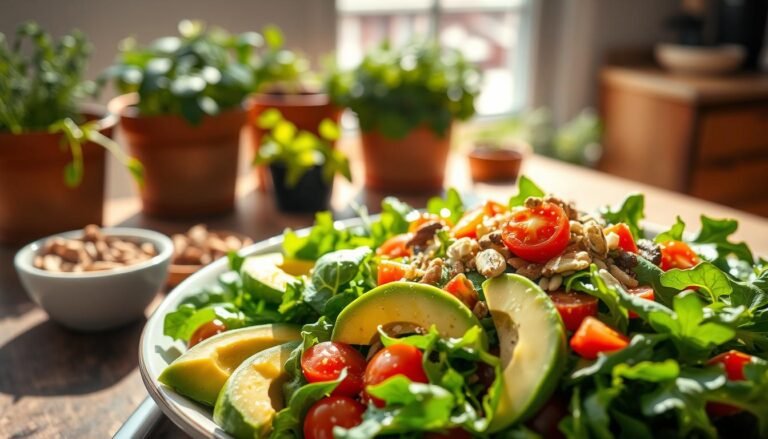
Arugula, spinach, and mixed spring greens are great because they complement the sweet-tangy profile.
For sturdier greens like kale, massage the leaves with a spoonful of dressing for 30 seconds to soften and season.
Is it kid-friendly?
Yes. The maple softens the acidity, making it more approachable. If kids are sensitive to mustard heat, reduce Dijon slightly and add a splash more maple.
How do I scale it for a crowd?
Keep the ratio roughly 3 parts oil to 2 parts acid to 1 part sweet, plus Dijon to emulsify.
Multiply everything evenly and mix in a large jar or blender. Taste before serving—big batches can mute flavors.
Final Thoughts
Maple Dijon Vinaigrette is the small hinge that swings a big door. It turns weeknight salads into something you actually crave and pulls roasted veggies into “wow, who made this?” territory.
It’s affordable, fast, and flexible—basically the culinary version of compound interest. Make a jar, tweak it to your taste, and watch your fridge leftovers mysteriously disappear. FYI: the “secret” is balance—and now you’ve got it on lock.
Printable Recipe Card
Want just the essential recipe details without scrolling through the article? Get our printable recipe card with just the ingredients and instructions.