Lemon Herb Chicken Skillet That Wins Dinner in 20: Crispy, Saucy, Unbelievably Easy
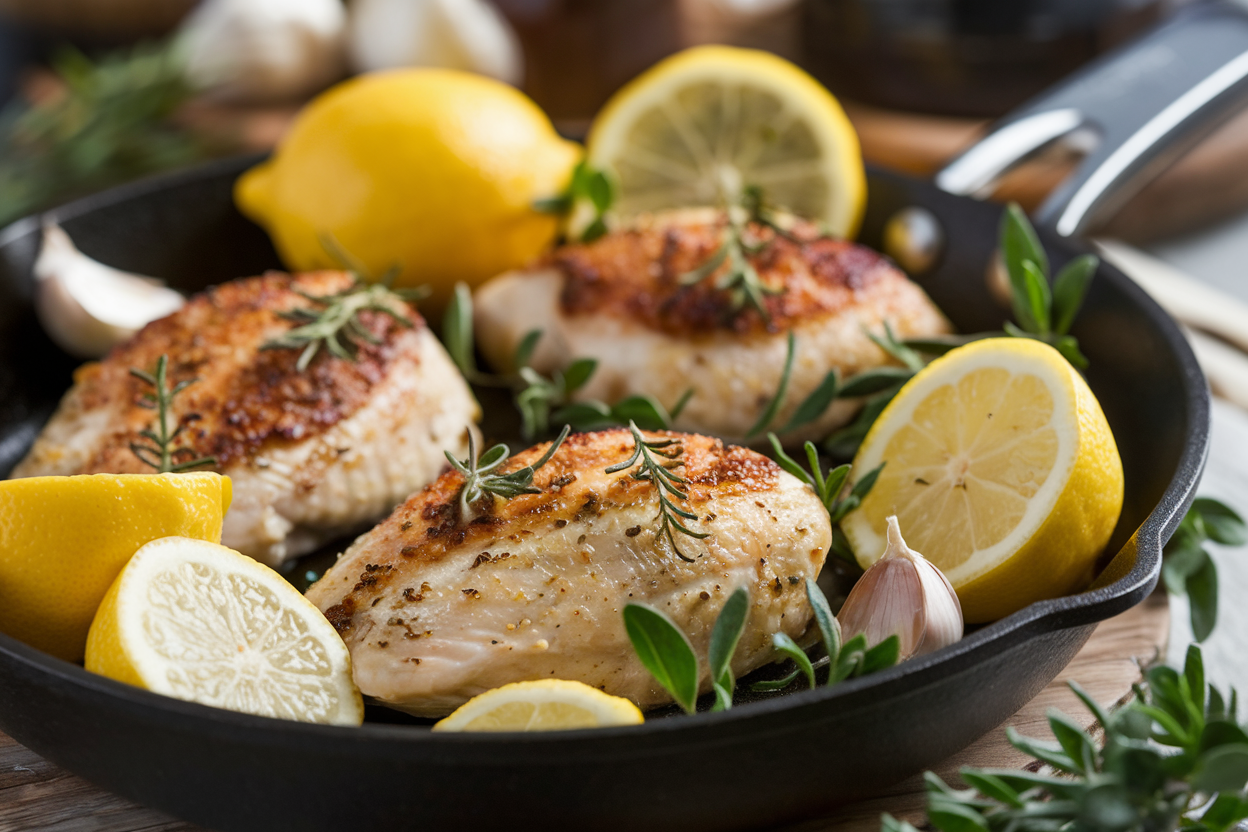
You don’t need three pans, a culinary degree, or a trust fund to cook like a pro—just one skillet and this lemon herb chicken that makes weeknights taste like a flex. It’s bright, garlicky, and seared to golden perfection with a sauce that practically drinks itself. The secret isn’t magic; it’s smart technique and a few ingredients you already own.
Dinner shockingly good, minimal mess, and Instagram-level pretty? Yes, chef.
Why This Recipe Works
Great chicken is about contrast: golden crust outside, juicy center inside. A hot skillet creates Maillard magic, then a quick pan sauce of lemon, stock, and butter keeps it tender and glossy.
Fresh herbs bring brightness that cuts through richness, so every bite tastes balanced—not bland.
We use thin-cut or evenly pounded chicken to cook fast and avoid dry edges. Deglazing lifts all those browned bits (aka free flavor) into the sauce. Finish with cold butter to emulsify and boom—restaurant texture with grocery store effort.
What You’ll Need (Ingredients)
- 1.5 pounds boneless, skinless chicken breasts (thin-cut or pounded to 1/2 inch)
- 1 teaspoon kosher salt, plus more to taste
- 1/2 teaspoon black pepper
- 1 teaspoon garlic powder
- 1 teaspoon onion powder
- 1 teaspoon dried oregano
- 1/2 teaspoon dried thyme
- 1/4 teaspoon red pepper flakes (optional, for mild heat)
- 2 tablespoons olive oil
- 2 tablespoons unsalted butter, divided
- 3 cloves garlic, minced
- Zest of 1 lemon
- Juice of 1–1.5 lemons (about 3–4 tablespoons)
- 1/2 cup low-sodium chicken stock
- 2 tablespoons chopped fresh parsley
- 1 tablespoon chopped fresh basil (or 1 teaspoon dried)
- 1 tablespoon chopped fresh dill (optional but awesome)
- Lemon slices for serving (optional)
The Method – Instructions
- Prep the chicken: If using regular breasts, slice horizontally or pound between plastic to about 1/2 inch thickness.
Pat dry—moisture kills browning.
- Season like you mean it: In a small bowl, mix salt, pepper, garlic powder, onion powder, oregano, thyme, and red pepper flakes. Rub evenly over both sides of the chicken.
- Heat the skillet: Place a large skillet (stainless or cast iron preferred) over medium-high heat. Add olive oil and 1 tablespoon butter.
When shimmering and just starting to brown, you’re ready.
- Sear to golden: Add chicken in a single layer (work in batches if needed). Don’t move it for 3–4 minutes until deeply golden. Flip and cook another 2–3 minutes, until internal temp hits 160–165°F.
Transfer to a plate; tent loosely with foil.
- Sauce time: Lower heat to medium. Add remaining 1 tablespoon butter and the minced garlic. Stir 20–30 seconds until fragrant—don’t burn it unless you enjoy sadness.
- Deglaze: Pour in chicken stock and scrape up brown bits.
Simmer 1–2 minutes to reduce slightly.
- Brighten it up: Stir in lemon zest and juice. Simmer 30–60 seconds. Taste and adjust salt/pepper.
If too tart, add a pinch of sugar or another pat of butter.
- Finish with herbs: Off heat, stir in parsley, basil, and dill. Return chicken (plus its juices) to the skillet, turning to coat in the sauce.
- Serve: Top with extra herbs and lemon slices. Spoon sauce over everything like you paid for it.
Keeping It Fresh
Store leftovers in an airtight container for up to 4 days.
The sauce keeps the chicken moist, so the microwave won’t betray you—reheat gently at 50–60% power. For best texture, rewarm in a skillet with a splash of stock.
You can also meal-prep: cook the chicken, cool completely, and portion with roasted veggies or rice. Freeze for up to 2 months.
Thaw overnight in the fridge and reheat slowly to keep that tenderness intact.
Nutritional Perks
- Lean protein: Chicken breast delivers solid protein with minimal fat, ideal for muscle repair and satiety.
- Lower-carb friendly: The sauce is flavor-forward without flour, so it plays nice with low-carb goals.
- Vitamin C boost: Lemon juice supports immunity and helps with iron absorption. Your body says thanks.
- Anti-inflammatory herbs: Parsley, basil, and dill bring antioxidants and micronutrients with zero effort.
Common Mistakes to Avoid
- Overcrowding the pan: If pieces touch, they steam. Steam is the enemy of crisp.
Cook in batches.
- Skipping the pat-dry: Wet chicken equals weak browning. Paper towels are your best friend here.
- Overcooking: Pull at 160–165°F. Residual heat finishes the job.
No need to turn it into sawdust.
- Scorched garlic: Add garlic after searing and keep the heat moderate. Burnt garlic = bitter sauce.
- Unbalanced sauce: Too tart? Add a little butter or a pinch of sugar.
Too flat? More lemon or salt.
Recipe Variations
- One-pan veggie upgrade: After searing chicken, sauté asparagus or green beans in the skillet, then finish with the sauce.
- Creamy twist: Stir in 1/4 cup heavy cream or coconut cream after deglazing for a silky, lush finish.
- Mediterranean mode: Add capers and chopped sun-dried tomatoes to the sauce. Salty, tangy, dreamy.
- Crispy cutlets: Lightly dredge chicken in seasoned flour before searing for a delicate crust.
Deglaze a bit more aggressively to manage the fond.
- Grill-to-skillet hybrid: Grill the chicken for smoke, then finish in the skillet with sauce for best-of-both-worlds flavor.
- Herb swap: No basil or dill? Use cilantro and mint for a fresh, punchy spin. It slaps, IMO.
FAQ
Can I use chicken thighs instead of breasts?
Absolutely.
Boneless, skinless thighs are juicier and forgiving. Sear 4–5 minutes per side and take to 175°F for best texture. You may need an extra splash of stock to balance the richer juices.
What if I don’t have fresh herbs?
No problem.
Use 1–2 teaspoons total of dried herbs (oregano, thyme, basil). Add them with the stock so they bloom. Finish with a little extra lemon zest for brightness.
Is this recipe gluten-free?
Yes, as written—no flour required.
If you decide to dredge cutlets, use a gluten-free flour blend. Double-check your stock label, FYI.
How do I prevent the chicken from sticking?
Preheat the skillet well, use enough oil, and don’t flip early. When a proper crust forms, the chicken releases naturally.
If it’s fighting you, give it another 30–60 seconds.
Can I make it dairy-free?
Replace butter with olive oil or ghee (if tolerated). For a richer finish without dairy, whisk in a teaspoon of Dijon at the end to help emulsify the sauce.
What sides go best?
Top picks: garlicky rice, orzo, mashed potatoes, roasted asparagus, green beans, or a crunchy arugula salad. The sauce loves carbs, but it’s also great over cauliflower rice.
How can I meal-prep this for the week?
Cook as directed, cool, then portion with a starch and veggie.
Keep sauce separate if you like maximum texture. Reheat gently and add a squeeze of fresh lemon to revive the flavors.
Wrapping Up
This Lemon Herb Chicken Skillet is the weeknight cheat code: fast, flavorful, and fancy without the fuss. You get golden sear, zesty sauce, and fresh herbs doing the heavy lifting—no complicated steps or culinary drama.
Keep it classic, remix it with veggies or cream, and watch it slide into your weekly rotation like it was always meant to be there. Your skillet’s about to become the MVP of dinner, and yes, your taste buds are invited to the celebration.
Printable Recipe Card
Want just the essential recipe details without scrolling through the article? Get our printable recipe card with just the ingredients and instructions.