Spinach Avocado Keto Salad
Most keto salads fall short on flavor and nutrients, but this Keto Spinach Avocado Salad gives you creamy avocado, iron-rich spinach, healthy fats, and a tangy dressing that supports ketosis while keeping meals satisfying; you’ll learn simple swaps, portion guidance, and quick assembly tips so you can enjoy a balanced, low-carb meal without guesswork.
Ingredients
You should focus on ingredients that maximize healthy fats while keeping net carbs low; a typical two-serving portion of this salad will land around 4-6 g net carbs when you stick to the amounts below. For balance, pair leafy greens and avocado with a high-quality oil and an acid-those three components supply most of the calories and flavor while keeping the carb count minimal.
Think in terms of portions: aim for roughly 5 oz (140 g) of baby spinach per two servings, one medium avocado, and 2 tablespoons of extra-virgin olive oil as the base. Small adjustments-adding 1-2 tablespoons of cheese or a few nuts-will change macros quickly, so weigh or measure if you track carbs closely.
Main Ingredients
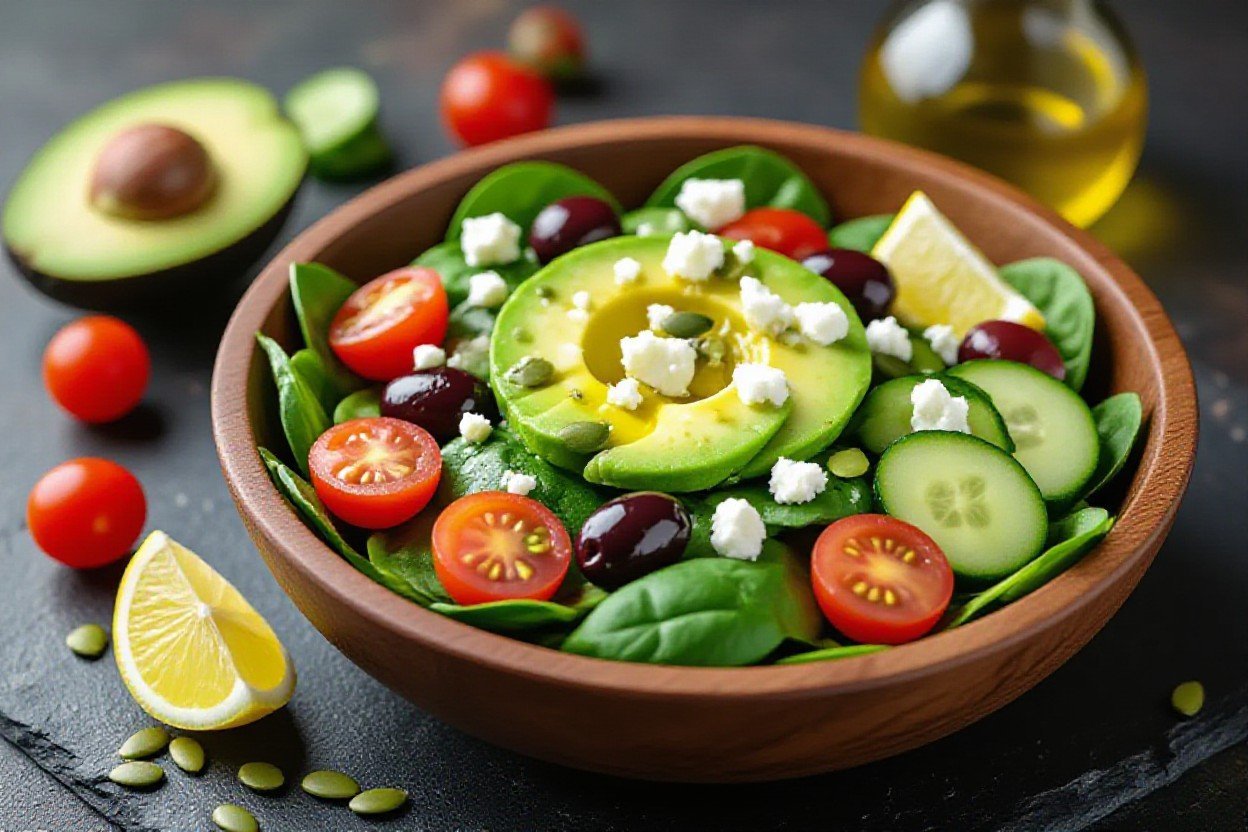
Use 5 oz (140 g) baby spinach as the green base because it’s tender and low in carbs, then add 1 medium ripe avocado (about 150 g whole, ~2 g net carbs after fiber) for creamy texture and roughly 12-15 g of monounsaturated fat. Dress with 2 tablespoons extra-virgin olive oil and 1 tablespoon fresh lemon juice or apple cider vinegar; that amount of oil supplies ~28 g of fat and helps you hit keto fat targets. Include 30 g (about 1 oz) crumbled feta or goat cheese for 3-4 g protein and a salty counterpoint, and season with 1/4 teaspoon fine sea salt and freshly cracked black pepper.
For aromatics and texture, add 1 small clove garlic (minced) or 1 tablespoon chopped green onion-both add minimal carbs but punch up flavor more than raw red onion, which is higher in sugars. If you want extra protein, top the salad with 3 oz grilled chicken breast (about 21 g protein) or two slices of crispy bacon (about 6 g fat), depending on whether you prefer lean or richer macros.
Optional Add-Ins
Choose add-ins that contribute fat or protein without pushing carbs: 1-2 tablespoons chopped pecans or macadamia nuts (about 1-2 g net carbs per tablespoon), 5-6 halved cherry tomatoes for a slight sweet pop (limit to keep carbs low), or 10-12 kalamata olives for briny fat and about 1-2 g net carbs. Fresh herbs-1 tablespoon chopped dill, basil, or cilantro-add bright flavor with negligible carbs, and a sprinkle of sesame seeds or hemp hearts (1 tablespoon) gives a nutty finish plus 3-4 g protein per serving when used sparingly.
If you want to boost protein further without many carbs, add 3-4 oz seared salmon (about 22-25 g protein and 10-14 g fat) or 2 hard-boiled eggs (12 g protein, 10 g fat for both). Avoid starchy vegetables like corn or high-sugar dressings; they can push the salad out of ketogenic range quickly.
When dicking out optional items, prioritize portion control and net-carb math: limit nuts to 1-2 tablespoons, reserve tomatoes to 5-6 halves, and treat fatty proteins as primary calorie sources. Weighing or using a food-tracking app during the first few times you make the recipe will show how each add-in shifts your per-serving net carbs and fat-to-protein ratio so you can dial the salad to fit your daily targets.
Preparation Instructions
Step-by-Step Guide
You should wash and dry about 6 cups (180-200 g) of baby spinach thoroughly-use a salad spinner to remove excess water so the dressing clings. Whisk the dressing in a small bowl: 2 tbsp extra-virgin olive oil, 1 tbsp fresh lemon juice, 1 tsp Dijon mustard, 1/4 tsp fine sea salt and a pinch of black pepper; whisk for 20-30 seconds until emulsified. Slice 1 medium avocado (about 150 g) lengthwise, remove the pit, then cut into 1/2-inch slices to keep pieces intact.
Toss the spinach with roughly 2 tbsp of the dressing first so leaves are evenly coated, then fold in avocado slices gently to avoid mashing. Add 2 tbsp toasted pepitas (toast 3-4 minutes at 350°F/175°C), 30 g crumbled feta or 2 tbsp chopped chives if you want extra savory notes. The recipe yields about 2 side servings or 1 large entree; estimated macros per full recipe are ~22-28 g fat, 6-8 g net carbs, and 6-8 g protein depending on additions.
Prep Breakdown
| Task | Details |
|---|---|
| Wash & dry | 6 cups baby spinach; spin dry 15-20 seconds until leaves are damp but not wet |
| Dressing | 2 tbsp EVOO, 1 tbsp lemon, 1 tsp Dijon, pinch salt & pepper; whisk 20-30 seconds |
| Avocado prep | 1 medium avocado; slice into 1/2-inch pieces, brush with 1 tsp lemon if not using immediately |
| Toasting seeds | Pepitas or almonds: 3-4 minutes at 350°F (175°C) or stovetop medium heat for 2-3 minutes |
| Assembly order | Toss spinach with dressing first, add add-ins, finish with avocado and gentle fold |
Tips for Success
Drying the spinach well will keep the dressing from diluting; spin for at least 15 seconds and blot any remaining moisture with paper towel. You should use a ripe-but-firm avocado (yields when gently pressed are soft but not mushy) so slices hold their shape-if the avocado is too ripe, dice and gently fold instead of slicing.
- Toast pepitas or sliced almonds for 3-4 minutes to boost crunch and flavor; cool completely before adding so they don’t steam the salad.
- Season in layers: a light pinch of salt on the avocado and a final taste-adjusted sprinkle after tossing helps balance flavors.
- This will help maintain texture and keep the salad visually appealing when serving.
If you’re prepping ahead, keep components separate: store dressed spinach in an airtight container for up to 4 hours in the fridge and add avocado within 10-15 minutes of serving to prevent color change; using lemon in the dressing provides modest anti-browning protection without altering flavor significantly.
- Chill bowls for 10 minutes before serving if you want the salad to stay cool longer during a meal.
- Use a shallow bowl when tossing so you can coat leaves evenly without crushing avocado.
- This will help you serve a crisp, well-composed salad every time.
Nutritional Benefits
Health Benefits of Spinach
With about 23 calories per 100 g, spinach packs a surprising amount of micronutrients: roughly 2.9 g protein, 2-3 g fiber, and several hundred micrograms of vitamin K per 100 g-providing well over 400% of the daily vitamin K need in a small serving. You also get roughly 2.7 mg of iron and near-half your daily folate in a 100 g portion, so it supports red blood cell formation and DNA synthesis while staying keto-friendly because of its very low net carb content.
Beyond the numbers, spinach delivers bioactive compounds that impact real outcomes: lutein and zeaxanthin concentrations contribute to macular health and can reduce age-related vision decline, and dietary nitrates found in leafy greens have been shown to lower systolic blood pressure by a few mm Hg in short-term trials. When you include spinach in this salad, you add vitamin A precursors, magnesium for muscle and nerve function, and a potent, low-calorie source of nutrients that complement the healthy fats from avocado.
Health Benefits of Avocado
A medium Hass avocado (~150 g) supplies about 240 calories, roughly 22 g of mostly monounsaturated fat (primarily oleic acid), and around 10 g of fiber-leaving net carbs near 2 g, which fits very well into most ketogenic targets. You also gain roughly 700 mg of potassium per fruit, which helps balance electrolytes on a low-carb plan and supports normal blood pressure and muscle function.
Functionally, the fats in avocado do more than provide calories: they improve blood lipid profiles by increasing HDL and can lower the LDL/HDL ratio when substituted for saturated fats. Moreover, adding avocado to your salad markedly boosts absorption of fat-soluble nutrients from spinach-research demonstrates that mixing avocado or avocado oil with carotenoid-rich vegetables significantly raises uptake of lutein and beta‑carotene compared with eating the vegetables alone.
Finally, avocado enhances satiety and glycemic control-its combination of fiber and monounsaturated fats slows gastric emptying and blunts postprandial glucose spikes, and that single fruit delivers roughly one-third of a typical daily fiber goal, supporting digestion and appetite regulation on keto.
Variations of the Salad
You can shift the base greens to change flavor and carb load: swap half the baby spinach for 2 cups arugula for a peppery kick, or use 1-2 cups chopped kale (massage with 1 tsp olive oil) for a sturdier texture that holds up to creamy dressings. Most leafy greens add only about 1-2 g net carbs per cup, so you can customize bulk and bite without blowing your daily carb target.
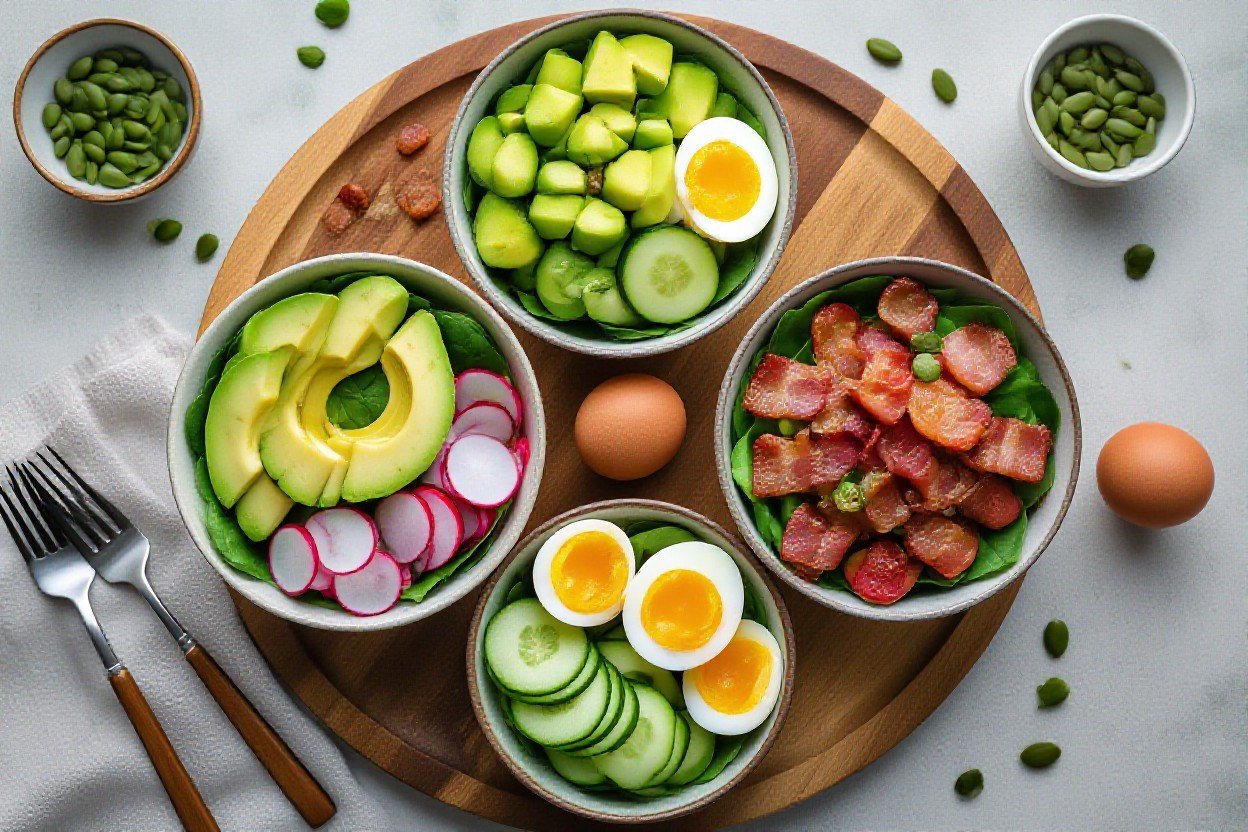
Texture plays a big role too: add 1 oz (28 g) toasted walnuts for roughly 4 g protein, 2 g net carbs and 18 g fat, or sprinkle 1-2 tbsp pumpkin seeds for extra crunch and micronutrients. You can also roast thinly sliced radishes or zucchini to introduce warm, caramelized notes while keeping total carbs low.
Different Dressing Options
For a quick classic, whisk 2 tbsp extra-virgin olive oil (≈27 g fat, 240 kcal) with 1 tbsp lemon juice and 1 tsp Dijon – this keeps fat high and carbs near zero while letting the spinach-avocado flavors shine. If you prefer creamy, blend 1/2 avocado with 1 tbsp lime juice, 1 tbsp olive oil and a pinch of salt for a dressing that adds about 120-180 kcal and 10-15 g fat depending on portion size.
If you want stronger savory notes, make a keto Caesar using 1 egg yolk, 1 tbsp olive oil, 1 tsp anchovy paste and 1 tsp lemon juice for a rich, emulsified dressing that also contributes vitamin A and healthy fats. Alternatively, stir 2 tbsp full-fat Greek yogurt into 1 tbsp olive oil and herbs for a tangy, lower-fat option that still keeps carbs minimal (roughly 2-3 g carbs per serving).
Protein Additions
Hard-boiled eggs are the simplest boost: two large eggs give you about 12 g protein and 10 g fat, and they pair perfectly with avocado. Grilled chicken breast at a 3 oz (85 g) serving delivers roughly 26 g protein and about 128 kcal, turning the salad into a filling lunch without excessive carbs.
Seafood is another excellent route: 3 oz (85 g) cooked salmon supplies ~22 g protein and 10-12 g fat, plus omega-3s, while 3 oz shrimp provides ~18-20 g protein with very little fat. For a quick pantry option, a 3 oz can of tuna in olive oil yields ~20 g protein and keeps prep time under five minutes.
When you assemble a meal-sized salad, aim for about 20-30 g protein per portion; in practice that means adding roughly 3-4 oz of cooked protein (chicken, salmon, or shrimp) or combining smaller items such as two eggs plus 1 oz nuts to reach your target while keeping fats aligned with your keto goals.
Serving Suggestions
You can serve this salad as a light main or a hearty side; plan on about 1-1.5 cups of dressed salad per person when it’s the main course, and 1/2 cup to 1 cup when it accompanies other dishes. For a balanced keto plate, top each portion with 3-4 oz of protein-grilled salmon (4 oz ≈ 22 g protein), seared chicken breast, or a 3-4 oz steak all work well-and let the avocado supply the bulk of the healthy fats.
Texture and temperature matter: serve the spinach slightly chilled and the protein warm for contrast, and add a tablespoon of nuts or seeds per serving for crunch. You can also boost calories without carbs by drizzling roughly 1 tbsp of olive oil-based dressing per plate and finishing with a sprinkle of flaky salt and freshly cracked black pepper.
Pairing with Other Dishes
Pair the salad with low-carb, high-fat mains such as herb-roasted chicken thighs, pan-seared salmon, or a fattier cut like ribeye; aim for a total plate target of about 20-30 g protein and 20-40 g fat if you’re keeping strict keto macros. For vegetable sides, choose cauliflower rice, roasted Brussels sprouts, or sautéed zucchini-each adds fiber and volume without pushing carbs above typical 20-30 g daily targets for keto.
When planning a multi-course meal, include a simple, low-sugar starter like bone broth or a creamy mushroom soup (made with heavy cream instead of flour) and finish with a keto dessert such as a 2-3 tbsp mascarpone mousse sweetened with erythritol and topped with a few raspberries. Beverage-wise, pick unsweetened iced tea, sparkling water with a lime wedge, or a dry spirit with soda water to keep carb counts minimal.
Presentation Ideas
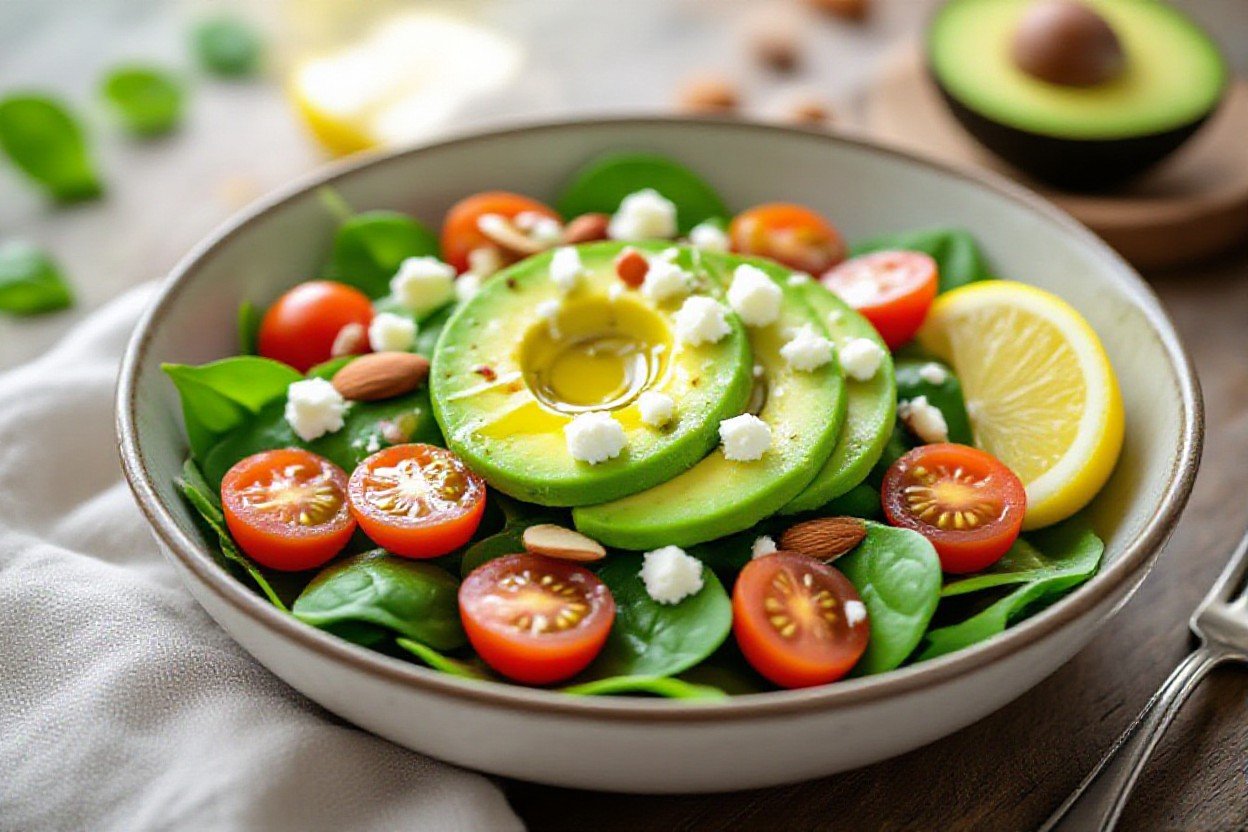
You can elevate the dish visually by fanning avocado slices across a bed of baby spinach, arranging 3-4 oz protein slices on one side, and sprinkling 1 tbsp of toasted pumpkin seeds or chopped walnuts for contrast. Use a ring mold for individual portions at dinner parties; pack the base with dressed spinach, layer avocado and protein, then lift the mold to reveal a tidy, restaurant-style stack.
Color and finishing touches make a difference: add thinly sliced radishes or microgreens for pops of color, shave a small curl of Parmesan with a vegetable peeler, and apply a controlled zigzag of dressing (about 1 tbsp per plate) rather than pouring it on to keep the look clean. Serve on white or dark matte plates to make the greens and avocado color read vividly under warm lighting.
For larger gatherings, assemble components buffet-style so guests can customize: keep the dressing in a squeeze bottle, provide pre-portioned protein (3-4 oz per serving), and offer garnishes-2 tbsp crumbled bacon, 1 tbsp seeds, lemon wedges-so each person controls fat and flavor while maintaining visual appeal.
Common Mistakes
You often over-dress the salad, which drowns the delicate spinach and pushes the fat calories far above keto targets – aim for 1-2 tablespoons of vinaigrette per serving and reserve extra on the side so you can control portions. Another frequent issue is piling on high-carb add-ins like dried fruit or sweetened nuts; a quarter-cup of dried cranberries can add 20-25 g of carbs, quickly turning a low-carb meal into a moderate-carb one.
Failing to manage texture also undermines the dish: wet spinach makes the salad soggy, under-ripe avocado is hard and flavorless, and over-toasted nuts become bitter. Dry your greens in a salad spinner, use avocados that yield slightly to gentle pressure, and toast nuts 3-5 minutes at 350°F (or 2-3 minutes in a skillet) to hit the sweet spot between crunchy and bitter.
Ingredient Substitutions
If you swap spinach for kale, plan on extra prep – kale needs 1-2 minutes of massaging with a little oil or acid to soften the fibers, otherwise it will feel tough and chew-heavy. Substituting arugula adds a peppery bite that pairs well with lemon-based dressings, while butter lettuce keeps things milder and juicier but increases water content, so pat leaves dry before tossing.
When switching dressings, use olive oil or avocado oil to keep carbs at zero per tablespoon; full-fat Greek yogurt can add creaminess but contributes roughly 1-2 g carbs per tablespoon, so account for that in your totals. Swap honey or maple for keto-friendly sweeteners like erythritol or a touch of stevia if you want sweetness without a 10-20 g carb hit from a single tablespoon of honey.
Preparation Errors
Applying dressing too early causes wilted greens and soggy textures; dress the salad within 5-10 minutes of serving and toss gently to coat, not saturate. Cutting avocado more than 10-15 minutes ahead of plating leads to brown edges – slow oxidation by slicing right before service or tossing the slices in 1 teaspoon of lemon or lime juice per avocado half.
Overprocessing crunchy toppings is another slip-up: grinding nuts into a meal loses the contrast that makes the salad interesting, so pulse them coarsely for 10-15 quick pulses in a food processor or chop by hand to maintain roughly 1/4-1/2 inch pieces. Also, slicing shallots too thick can overpower the balance; shave them paper-thin (about 1 mm) or soak for 5 minutes in cold water to tame the bite.
Timing and order matter: assemble greens, add avocado and toppings, then drizzle no more than 1-2 tablespoons of dressing per portion and toss gently. If you plan to serve later, keep components separate (dressing, avocado, nuts) and finish assembly at the last minute to preserve texture, flavor, and macro control.
Final Words
With these considerations in mind, your Keto Spinach Avocado Salad becomes a reliable low-carb meal that supplies healthy fats, fiber, and necessary micronutrients while keeping net carbs low. You can boost protein and satiety by adding grilled chicken, hard‑boiled eggs, or salmon; choose dressings with minimal sugar and use extra‑virgin olive oil or avocado oil to preserve the keto profile.
To keep the salad convenient and fresh, prep components ahead and dress just before serving, and practice portion control to track your macros accurately and avoid hidden carbs in store‑bought sauces or sweetened toppings. With simple swaps and attention to ingredient quality, you can make this salad a versatile, everyday part of your keto routine that supports steady energy and satisfying flavors.
Printable Recipe Card
Want just the essential recipe details without scrolling through the article? Get our printable recipe card with just the ingredients and instructions.