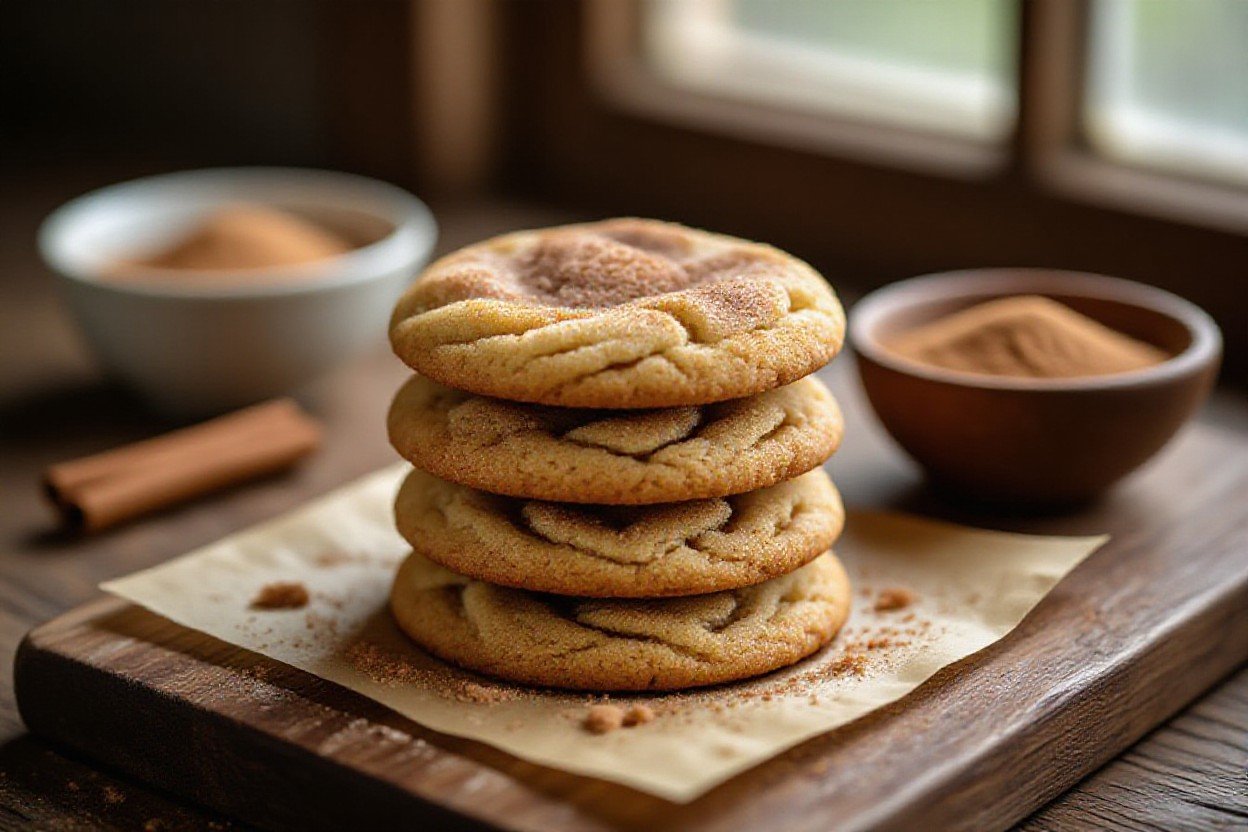
Keto Snickerdoodle Cookies
There’s a simple way to enjoy classic snickerdoodle flavor while staying low-carb: you can make soft, cinnamon-coated cookies using almond or coconut flour, erythritol, and xanthan gum for structure; your technique-cream the butter and egg well, chill the dough briefly, and bake until edges set-controls chewiness and crackle, and small adjustments to sweetener or bake time let you tailor texture to your preference.
Ingredients
Your ingredient list should prioritize low‑carb substitutes that preserve the snickerdoodle’s tender crumb and tangy finish. For example, using about 2 cups (192 g) blanched almond flour as the base gives you a finely textured dough; pairing that with 1/2 cup (100 g) granular erythritol (or 3/4 cup powdered erythritol) keeps sweetness but adds no net carbs, while 1 large egg and 1/2 cup (113 g) unsalted butter provide structure and richness. If you divide the batch into 24 cookies, expect roughly 1-3 g net carbs per cookie depending on the exact sweetener and add‑ins you choose.
Pay attention to small quantities that change how the cookies behave: 1/4-1/2 teaspoon cream of tartar recreates the classic snickerdoodle tang, while 1/2 teaspoon baking soda or 3/4 teaspoon baking powder controls spread. You’ll also want 1 teaspoon vanilla extract and a pinch of fine sea salt to round flavors; using room‑temperature butter and sifting almond flour or powdered sweetener will improve texture and consistency in the finished cookie.
Essential Keto Ingredients
Almond flour is nonnegotiable for a classic texture-about 2 cups (192 g) works well-but you can combine 1-2 tablespoons of coconut flour if you need a slightly denser, less oily crumb (coconut flour absorbs roughly 4-6 times its weight in liquid). For sweeteners, blends that include erythritol plus monk fruit or a 1:1 baking sweetener replace sugar without the cooling aftertaste; alternatively, allulose (use slightly more brown‑sugar equivalent amounts) promotes better browning but can be softer and more hygroscopic. Use 1 large egg (or 2 yolks for extra chew) and 1/2 cup (113 g) butter for structure and mouthfeel-swapping up to half the butter for cream cheese will yield a denser, moister cookie.
Leavening and acids matter: 1/4-1/2 teaspoon cream of tartar plus 1/4-1/2 teaspoon baking soda imitates the tang and chew of a traditional snickerdoodle, while 1/2 teaspoon baking powder is a convenient substitute if you don’t have cream of tartar. You should also use 1-2 teaspoons ground cinnamon in the dough and a cinnamon-sweetener blend for rolling; finely ground powdered erythritol for the coating dissolves on the surface faster and gives a better crackle when baked.
Optional Add-Ins
You can personalize the batch with mix‑ins that change texture and macros: 1/4 cup chopped pecans or walnuts adds crunch and roughly 1 g extra net carb per 6‑cookie serving; 1/4 cup sugar‑free chocolate chips (made with erythritol/monk fruit) contributes chocolate flavor without significant net carbs but may alter spread. For a creamier bite, fold in 2-3 tablespoons softened cream cheese or 1/4 cup ricotta-both increase fat and moisture, reducing spread and producing a tender interior.
Keep add‑in totals modest-about 1/4 cup per batch-to maintain dough balance and keep per‑cookie carbs low; for instance, adding 1/4 cup chopped pecans to a 24‑cookie batch increases fat and calories but only adds roughly 0.1-0.3 g net carbs per cookie. Also consider functional additions: 1 tablespoon psyllium husk will firm dough and improve chew without adding digestible carbs, while 1 tablespoon allulose in the dough improves browning if you want deeper color on the cookie tops.
Preparation
Mixing the Dough
Start by creaming 1/2 cup (113 g) softened unsalted butter with 3/4 cup (150 g) granulated erythritol or allulose for 2-3 minutes until light and slightly fluffy; then beat in 1 large egg and 1 teaspoon vanilla for 20-30 seconds. In a separate bowl whisk 2 cups (192 g) blanched almond flour, 2 tablespoons (10 g) coconut flour, 1 teaspoon cream of tartar, 1/2 teaspoon baking soda, 1/2 teaspoon fine salt, and 1 teaspoon ground cinnamon to ensure even distribution of leavening and spice.
Combine the wet and dry ingredients just until a cohesive dough forms – overmixing will make the cookies dense. If the dough is tacky and spreads too much, fold in 1 tablespoon coconut flour at a time (up to 2 tablespoons); if it feels crumbly, add 1 teaspoon melted butter or 1-2 teaspoons water. Chill the dough 20-30 minutes so you can scoop consistent balls that hold their shape when flattened.
Shaping the Cookies
Use a 1-tablespoon cookie scoop (or a #40 scoop) for uniform cookies; that size yields roughly 18-20 cookies from this batch, while a 1.5-tablespoon scoop yields about 12-14 larger cookies. Roll each portion between your palms into a smooth ball, then toss in a coating of 3 tablespoons granulated erythritol mixed with 2 teaspoons ground cinnamon for the classic snickerdoodle finish.
Flatten each coated ball to about 1/2 inch (12 mm) thick with the bottom of a glass or your palm, leaving 1.5-2 inches (4-5 cm) between cookies on the sheet to account for gentle spread. If the dough softens while you work, return the tray to the fridge for 10 minutes so the cookies keep their shape and bake up with defined edges.
For more control over texture and timing, portion and freeze extra scooped balls on a lined tray for 30-60 minutes, then store in a zipper bag; bake straight from frozen, adding 1-2 minutes to the bake time and increasing spacing slightly to prevent sticking. You can also press an indentation for a thumbprint jam version before baking – plan on adding 1-2 extra minutes if you fill them prior to the oven.
Baking Instructions
Oven Temperature and Timing
Set your oven to 325°F (163°C) for the most reliable results with almond-flour keto snickerdoodles: plan on 10-12 minutes for soft centers and lightly golden edges. If you prefer crisper edges and a slightly denser bite, bump the oven to 350°F (177°C) and target 8-10 minutes; at 300°F (149°C) you’ll need 12-14 minutes and will get a cakier texture. Always preheat fully and place the rack in the center so heat distributes evenly across the sheet.
Use an oven thermometer to account for variance-many home ovens run 10-25°F off setpoint. Rotate the baking sheet once, about halfway through baking, especially if your oven has hot spots; carryover heat will firm the centers, so pull the cookies when edges are set but centers still look slightly soft. Tent the sheet for 5-10 minutes before transferring cookies to a wire rack to finish cooling.
Quick Temperature Guide
| Setting | When to Use / Timing |
|---|---|
| 325°F (163°C) | Soft, chewy centers – 10-12 minutes |
| 350°F (177°C) | Crispier edges, shorter bake – 8-10 minutes |
| 300°F (149°C) | Thicker, cakier cookies – 12-14 minutes |
| Cooling | Tent on the baking sheet 5-10 minutes, then transfer to a rack |
Tips for Perfect Cookies
Weigh your almond flour when possible-1 cup almond flour ≈ 96 g-so your dough consistency stays consistent batch to batch. You should use room-temperature butter and eggs to help the dough emulsify; if the batter looks loose, chill for 20-30 minutes to reduce spread (chilling also deepens flavor). Add about 1/4 teaspoon xanthan gum per cup of almond flour to improve chew and structure when needed.
Aim to pull cookies when the edges are set and the centers still look a touch underbaked; with keto dough, residual heat finishes the interior without drying it out. Use a silicone mat or parchment for predictable bottoms, and give each cookie 2 inches of space so they don’t merge as they spread.
- Measure almond flour by weight (96 g per cup) rather than volume for reproducible results.
- Chill dough 20-30 minutes if your kitchen is warm or if you prefer thicker cookies.
- Use 1/4 tsp xanthan gum per cup almond flour to boost chew and hold.
- Any dough you freeze should be portioned into balls and thawed 10-15 minutes before baking to maintain shape.
When you tweak sweeteners (erythritol, allulose, monk fruit blends), adjust total volume by about 10-15% only if a blend has bulk differences; allulose browns faster, so reduce bake time by 1-2 minutes at higher sugar browning. You should test one tray first if switching sweeteners or oven settings, then scale adjustments for subsequent trays.
- Use an oven thermometer – if your oven runs hot, lower temperature by 10-15°F and add 1-2 minutes to timing.
- Rotate sheets halfway through baking to avoid uneven coloring from hot spots.
- Let cookies rest slightly on the warm sheet to finish cooking instead of overbaking on the tray.
- Any adjustments you make (temperature, sweetener, chill time) should be recorded so you can replicate the exact result next bake.
Flavor Variations
You can push the snickerdoodle profile beyond the classic cinnamon-sugar by introducing citrus, nuts, or chocolate: add 1 teaspoon finely grated lemon or orange zest to the dough for brightness, fold in 1/3 cup chopped toasted pecans or walnuts for crunch, or stir 1/4 cup sugar-free dark chocolate chips for a richer bite. For a warm, bakery-style cookie, swap 1/2 teaspoon of the vanilla for 1/2 teaspoon almond extract and reduce your sweetener by about 10-15% to keep the flavors balanced without overpowering the spices.
Experimentation with savory-sweet accents works well too; for example, add 1/2 teaspoon instant espresso powder to the dough to deepen the cinnamon notes, or create a Mexican-inspired variation with 1/2 teaspoon ground cinnamon plus a 1/8 teaspoon pinch of cayenne or ancho chili powder. When you try mix-ins, keep quantities modest-about 1/4-1/3 cup per standard batch (roughly 18-24 cookies)-so the dough structure and bake time remain consistent.
Spice Adjustments
If you prefer a bolder cinnamon presence, increase the cinnamon in the dough from 1-2 teaspoons up to 1 tablespoon for a batch sized around 18-24 cookies, and adjust the rolling coating to 1-2 tablespoons cinnamon mixed with your sweetener. For a subtler, more aromatic profile, halve the cinnamon and add 1/4 teaspoon ground cardamom; cardamom’s floral citrus notes play very well with the tangy edge of snickerdoodle dough.
Other spices you can layer in include nutmeg (1/8-1/4 teaspoon), ground ginger (1/4 teaspoon), or a teaspoon of pumpkin pie spice in place of cinnamon for an autumn version. You’ll get the most pronounced flavor if you grind whole spices fresh or pulse pre-ground spices in a spice grinder for 5-10 seconds-ground spice potency does fall off after 6-12 months, so small adjustments often make a big difference in the final cookie.
Alternative Sweeteners
Erythritol, allulose, monk fruit blends, and stevia each behave differently in cookie dough. Erythritol is about 60-70% as sweet as sugar and can give a cooling sensation and slight grittiness unless you use powdered erythritol; allulose is roughly 70% as sweet but browns and caramelizes similarly to sugar, producing better chew and color. Practical swaps: for 1 cup sugar-equivalent try 1 cup erythritol blended with 1/4 cup allulose, or use a labeled 1:1 monk fruit/erythritol blend at a straight 1:1 replacement for minimal adjustment.
Be aware of tolerance and texture trade-offs: many people start noticing digestive effects from sugar alcohols like erythritol at doses above ~30-50 grams, so keep that in mind if you plan to consume several cookies. When using high-intensity sweeteners (pure stevia or concentrated monk fruit extract), use them sparingly and prefer pre-blended 1:1 products for ease-start with 1/8-1/4 teaspoon concentrated extract per cup sugar-equivalent and adjust to taste.
For best baking results, blend sweeteners rather than relying on a single substitute: a 2:1 ratio of erythritol to allulose (by volume) often minimizes cooling and graininess while preserving brownness and moisture, and if you switch to a higher-allulose mix expect faster browning-reduce your oven temperature by 10-15°F or check the cookies 1-2 minutes earlier on a typical 10-14 minute bake to avoid over-darkening.
Storage Tips
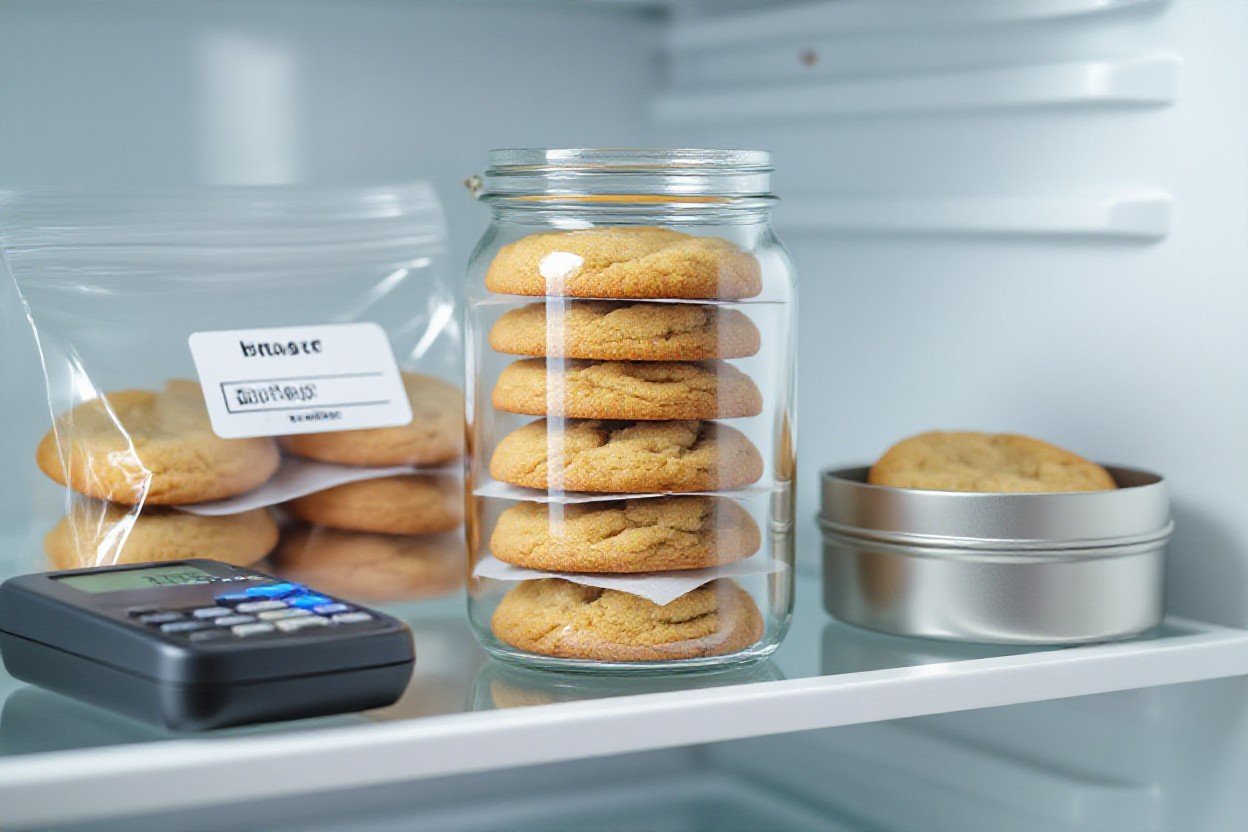
Store the cookies based on how soon you’ll eat them: at room temperature they stay soft for about 24-48 hours in an airtight container, in the refrigerator they keep well for 7-10 days, and in the freezer you can preserve quality for up to 3 months. Use airtight containers or heavy-duty freezer bags to limit air exposure; for example, I pack batches into 2-cup portions so you only thaw what you need.
Layer cookies with parchment to prevent sticking and avoid overpacking, which squashes the cinnamon-sugar crust and alters chewiness. If you plan to reheat, preheat an oven to 300°F (150°C) and warm chilled or thawed cookies for 5-7 minutes to restore a fresh-baked texture.
- Room temp: 24-48 hours in airtight container
- Refrigerator: 7-10 days, wrapped or in a sealed container
- Freezer: up to 3 months in a double-wrapped or vacuum-sealed bag
- Reheat: 300°F/150°C for 5-7 minutes after thawing
Short-Term Storage
If you plan to eat the cookies within a day or two, keep them at room temperature in a shallow airtight container on the counter away from heat and sunlight; stacking with a single sheet of parchment between layers prevents flattening and maintains surface crackle. For added chewiness, place a slice of bread in the container to retain moisture for 24-48 hours-swap the bread daily if you store beyond a day.
Refrigeration is an option if your kitchen runs warm or you need to hold them for several days: tuck the cookies into a sealed container and let them sit in the fridge for up to 7-10 days, but allow them to come to room temperature or warm briefly before serving so the texture softens and flavors open up.
Long-Term Storage
Freeze the cookies on a baking sheet in a single layer for 45-60 minutes until firm, then transfer them to labeled, airtight freezer bags or vacuum-seal pouches to prevent freezer burn; this flash-freeze method stops them from fusing together and preserves the cinnamon-sugar coating. Store in portions you’ll actually eat at once-individual or 4-6 cookie packs thaw more conveniently and reduce waste.
When you’re ready to use frozen cookies, thaw them overnight in the refrigerator or at room temperature for 1-2 hours, then warm in a 300°F (150°C) oven for 5-7 minutes to refresh the exterior and bring back chewiness; avoid microwaving, which can make them rubbery and unevenly warmed.
The final steps that make long-term storage work are labeling each bag with date and contents, double-wrapping with parchment plus a heavy-duty bag or vacuum sealing for up to six months, and portioning before freezing so you only thaw what you’ll eat. The
Nutritional Information
Macronutrient Breakdown
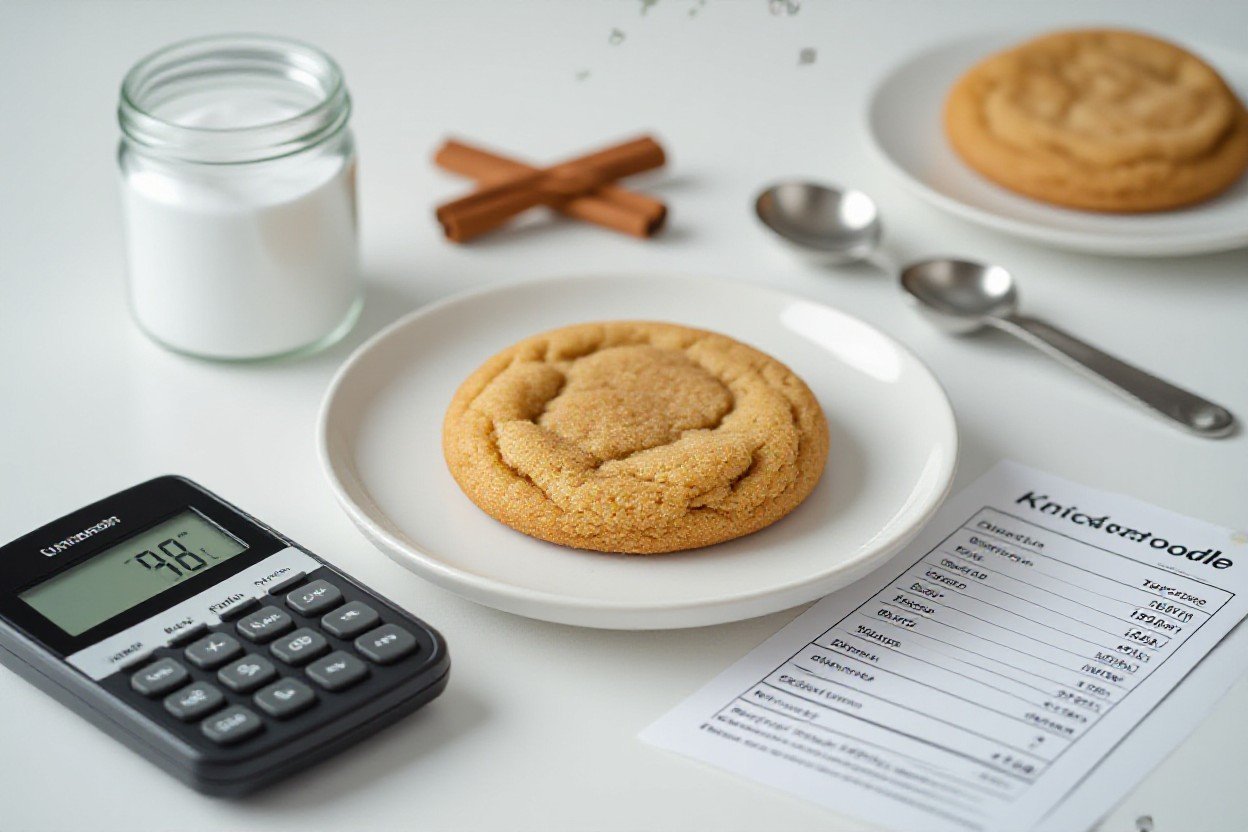
Using a typical batch that yields 18 cookies, each cookie contains roughly 110-130 kcal, about 9-11 g fat, 3-4 g protein, 2-3 g total carbs and roughly 1 g net carb after subtracting fiber and erythritol. If you count a two‑cookie serving, expect approximately 220-260 kcal, 18-22 g fat, 6-8 g protein and 2-4 g net carbs – figures that fit neatly into most 20-30 g/day keto targets.
Totals will shift if your batch size or ingredients change (for example, swapping some butter for coconut oil raises MCTs; using 12 larger cookies roughly ups calories and carbs per cookie by 50%). When tracking, subtract erythritol and fiber from total carbs – so if a cookie lists 3 g total carbs and 2 g fiber plus 1 g erythritol, the net carbs you log are effectively 0 g.
Health Benefits of Ingredients
Almond flour supplies vitamin E and healthy monounsaturated fats while giving you about 6 g protein and ~7 mg vitamin E per ounce (28 g), which supports antioxidant defenses and satiety. Cinnamon contributes cinnamaldehyde and polyphenols; clinical trials using 1-6 g/day have shown modest reductions in fasting glucose and improved postprandial glycemic responses, so a cinnamon‑forward cookie can help blunt sugar spikes compared with traditional recipes.
Erythritol provides sweetness with negligible glycemic impact because most of it is absorbed and excreted unchanged, so it adds almost no usable calories and doesn’t raise blood glucose in most people. Eggs bring around 6 g protein and ~147 mg choline each, supporting muscle maintenance and brain function, while butter or ghee contributes fat‑soluble vitamins (A and K2 in some cases) that help you meet daily fat and micronutrient needs on a low‑carb plan.
Because these ingredients combine high fat, moderate protein and very low net carbs, you get better satiety and a lower post‑meal insulin response than with standard sugar cookies; that metabolic profile is what lets you enjoy a treat and still stay within a strict 20 g net‑carb daily limit when you portion appropriately.
Final Words
To wrap up, keto snickerdoodle cookies prove that you can enjoy the classic cinnamon-sugar comfort without derailing low-carb goals. By using almond or a mix of almond and coconut flour, a low-carb sweetener like erythritol or allulose, and a touch of cream of tartar for that signature tang, you get a chewy, slightly crisp cookie that satisfies cravings while fitting your macros.
You can fine-tune texture by adjusting egg and butter ratios, chilling the dough to prevent spreading, and watching the oven closely so they brown but stay soft inside. Store them airtight at room temperature for a few days, freeze for longer keeping portions measured, and treat them as a reliable, flexible dessert option when you want flavor without excess carbs.
Printable Recipe Card
Want just the essential recipe details without scrolling through the article? Get our printable recipe card with just the ingredients and instructions.