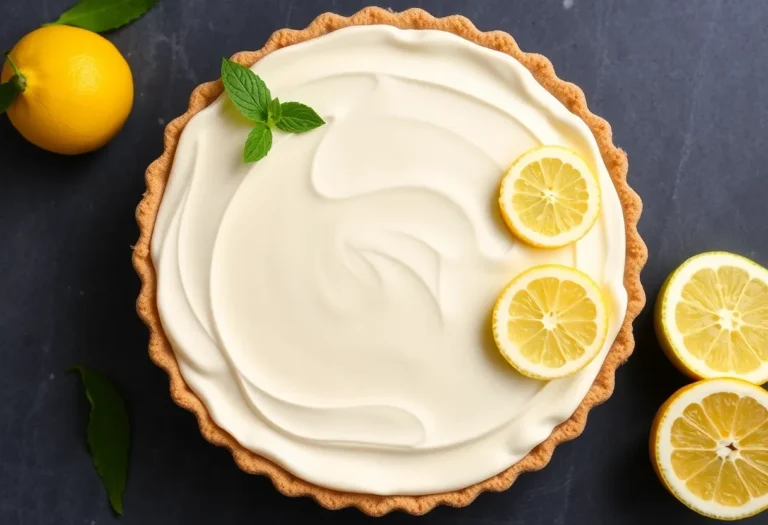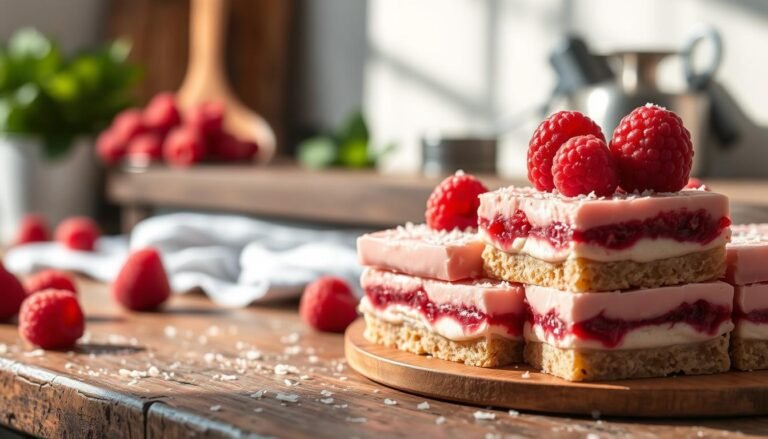
Keto Lemon Bars Low Carb
Over the past decade of low-carb innovation, you can enjoy tangy lemon bars that fit your macros without sacrificing flavor; this post guides you through ingredient choices, baking techniques, and carb-smart substitutions so you can confidently make moist, zesty bars with minimal net carbs and maximum satisfaction.
Understanding the Keto Diet
What is the Keto Diet?
When you restrict carbohydrates to roughly 20-50 grams per day, your body shifts from burning glucose to producing ketone bodies (beta-hydroxybutyrate and acetoacetate) in the liver; that metabolic state-ketosis-is typically confirmed by blood ketone levels of about 0.5-3.0 mmol/L. Standard macronutrient targets you’ll see for a ketogenic approach are roughly 70-80% of calories from fat, 15-25% from protein, and 5-10% from carbohydrates, though athletes or those using targeted ketogenic strategies may adjust those numbers upward for carbs around workouts.
Different keto protocols change how strict you need to be: the Standard Ketogenic Diet (SKD) keeps carbs very low and fat high, while the Targeted (TKD) or Cyclical Keto (CKD) allow periodic carb increases. For practical cooking decisions-like adapting lemon bars-you’ll typically plan recipes so a single serving lands in the 3-8 gram net-carb range, keeping you within daily limits without derailing ketone production.
Benefits of a Low Carb Lifestyle
You’ll often see faster initial weight loss on a low-carb ketogenic plan because reducing carbs lowers insulin and prompts glycogen depletion, which releases water weight and can translate into 2-5 kg more loss in the first 3-6 months compared with low-fat approaches in several clinical trials. Metabolic effects extend beyond the scale: studies report average HbA1c drops around 0.5-1.0% in people with type 2 diabetes, triglyceride reductions commonly in the 20-30% range, and increases in HDL cholesterol, all of which improve cardiometabolic markers.
Beyond measurable lab changes, you’ll likely notice appetite suppression and steadier energy-many people report fewer mid-afternoon crashes because ketones provide a more constant fuel source than glucose spikes and drops. Clinical examples include epilepsy management, where ketogenic protocols have reduced seizure frequency by up to about 50% in pediatric cases, and emerging data showing cognitive benefits and improved focus for some adults; practical dessert swaps (erythritol or monk fruit for sugar, almond or coconut flour for wheat) let you enjoy treats like lemon bars while keeping your daily net carbs aligned with your goals.

Key Ingredients for Keto Lemon Bars
Your choice of sweetener and flour will determine whether the bars taste like an indulgent citrus bar or a flat, grainy keto experiment. For an 8×8 pan you’ll typically see 1-1½ cups of almond flour for the crust and 2-3 large eggs in the filling; those eggs provide the coagulation needed to set the lemon curd while almond flour gives a tender, nutty base. Butter contributes both flavor and structure – use unsalted and cold for a short, flaky crust – and lemon zest plus 2-4 tablespoons of fresh lemon juice deliver the acid and brightness that cut through the fat.
Texture control often comes down to small additions: a tablespoon or two of a low-carb powdered sweetener in the crust helps with browning, while a sugar-like sweetener in the filling keeps the curd silky. You’ll also want to consider a tiny amount of stabilizer (gelatin, powdered egg white, or a pinch of xanthan) if you plan to slice neat bars for serving, since the acidity from lemon can make a pure-egg set slightly looser than conventional recipes.
Low Carb Sweeteners
Erythritol, allulose, stevia and monk fruit are the go-to options, but they behave very differently. Erythritol is about 60-70% as sweet as sucrose, provides bulk, and often comes in 1:1 baking blends like Swerve; it’s great for crusts but can leave a cooling sensation on the tongue and may recrystallize over time. Allulose is roughly 70% as sweet as sugar too, yet it dissolves and browns more like sucrose and produces a smoother, more sugar-like mouthfeel – making it an excellent choice for the lemon filling where you want a glossy, set curd.
High-intensity sweeteners such as stevia (≈200-400× sweeter) and monk fruit (≈150-250× sweeter) are best used in blends because they lack bulk and can taste bitter at higher concentrations. In practice you’ll often combine erythritol or allulose with a monk fruit/stevia extract to get both texture and sweetness: a 1:1 erythritol-monk fruit blend replaces sugar cup-for-cup in crusts, while a higher proportion of allulose in the filling (or a straight allulose substitution) gives better browning and a smoother finish. Watch personal tolerance: some people experience digestive effects from polyols if consumed in large amounts.
Keto-Friendly Flour Alternatives
Almond flour is the primary base for most keto lemon bars because it mimics the crumb and fat content of wheat flour; use finely ground, blanched almond flour for the lightest texture. Coconut flour behaves very differently – it’s highly absorbent and fibrous – so you’ll only use about ¼-⅓ cup of coconut flour for every 1 cup of almond flour and you’ll need to add extra eggs or liquid to compensate. Blended mixes (almond flour plus a small percentage of coconut or oat fiber) can give you a crust that presses and bakes like a traditional shortbread without getting gummy.
You can also explore specialty flours: lupin flour and sunflower seed flour are lower-carb alternatives with distinct flavors, while psyllium husk or flaxseed meal are useful as binders that improve sliceability. When swapping flours, adjust the moisture and baking time; for example, a crust using 1½ cups almond flour often bakes 10-12 minutes at 350°F to set before adding the filling, whereas coconut-heavy crusts need less time but require more egg in the mix to hold together.
Practical tips: press the crust firmly into the pan and blind-bake until edges are golden to avoid a soggy bottom, use powdered almond flour (not coarse almond meal) for a smoother mouthfeel, and if you use sunflower seed flour be aware it can sometimes react with baking soda or acidic components to produce a greenish tint – swap to baking powder or reduce the alkaline component if that happens. You should also chill the finished bars for at least 2 hours; that step firms the filling and makes slicing much cleaner when you serve your bars.
The Perfect Lemon Flavor
Balance in keto lemon bars comes down to precise ratios and how your sweetener interacts with acidity: for a standard 9×9 pan aim for about 1/3-1/2 cup (80-120 ml) fresh lemon juice combined with 3-4 large eggs and 1/2 to 3/4 cup erythritol or a monk fruit blend to match the perceived sweetness of sugar. If your bars taste thin, increase the fat or yolk-adding a single extra egg yolk or 1 tablespoon of butter will round the edges and tame harsh acidity without raising carbs significantly.
Always taste and adjust before baking by heating a tablespoon of the curd mixture until it sets (you can do this in a small saucepan or microwave for 15-20 seconds) to judge final sweetness and brightness. When you test, adjust in small increments-1/8 teaspoon of zest, 1 tablespoon more sweetener, or a drop of vanilla extract-so the finished set won’t be overcorrected.
Choosing the Right Lemons
You’ll get very different results depending on variety: Meyer lemons are sweeter and more floral with thinner skin, so using two Meyers often substitutes for 3-4 standard Eureka/Lisbon lemons in both juice and aroma; Eueka/Lisbon types are tangier and juicier, typically yielding about 2 tablespoons (30 ml) of juice per medium fruit. For a bright, classic lemon bar use Eureka/Lisbon for punch; if you want a softer, dessert-like profile go with Meyers.
Pick fruit that feels heavy for its size (that indicates high juice content) and has smooth, unwrinkled skin. Store lemons at room temperature if you’ll use them within a week, and move them to the fridge for up to 3-4 weeks when you need longer storage-cold fruit will yield slightly less juice, so bring it to room temperature before zesting and juicing for maximum yield.
Enhancing Flavor with Zest
Zest delivers concentrated important oils that give lemon bars their immediate aroma; for a 9×9 pan grate the outer peel of 1-2 medium lemons (about 1-2 teaspoons) with a microplane, avoiding the bitter white pith. Use half the zest in the crust or butter mix to perfume the base and fold the remainder into the filling so the flavor carries through every bite.
To amplify oils, briefly warm the zest with the butter you’re using for the crust or the filling-20-30 seconds in a warm pan or microwave releases volatile oils without cooking them, producing a brighter, more integrated lemon note. Zest before you juice to make grating easier and to capture the oils while the peel is intact.
If fresh lemons aren’t available, freeze-grated zest in an airtight container for up to six months or substitute 1/4-1/2 teaspoon pure lemon extract per lemon’s zest intensity; when you freeze zest, portion it into teaspoon amounts so you can add exactly what you need without thawing a large block.

Step-by-Step Recipe for Keto Lemon Bars
Quick Reference: Steps & Timing
| Crust | 2 cups (192 g) blanched almond flour, 1/3 cup (66 g) powdered erythritol, 6 tbsp (85 g) melted butter; press into 8×8 pan; bake 12-14 min at 350°F (175°C). |
| Filling | 3 large eggs, 3/4 cup (150 g) powdered erythritol, 1/2 cup (120 ml) fresh lemon juice (~3-4 lemons), 2 tbsp zest, 4 tbsp (57 g) melted butter; whisk and pour over warm crust. |
| Bake & Chill | Bake 18-22 min at 325°F (160°C) until mostly set; cool to room temp, then chill ≥2 hours (or overnight) before slicing into 12 bars. |
| Notes | Use powdered (confectioners-style) sweetener to avoid grit; an 8×8 pan yields ~12 bars; store refrigerated up to 5 days. |
Preparing the Crust
You’ll mix 2 cups (192 g) blanched almond flour with 1/3 cup (66 g) powdered erythritol and a pinch of salt, then stir in 6 tablespoons (85 g) melted unsalted butter and 1/2 teaspoon vanilla until the dough holds when pressed. Press it evenly into an 8×8-inch pan lined with parchment so the crust is about 1/2 inch thick; an even thickness yields consistent bake and clean slices.
Preheat the oven to 350°F (175°C) and par-bake the crust for 12-14 minutes until the edges turn light golden-the visual cue helps avoid a soggy bottom once the filling goes in. After removing the crust, let it cool for 5-10 minutes so the hot surface won’t scramble the filling when you pour it in.
Making the Lemon Filling
Whisk 3 large eggs with 3/4 cup (150 g) powdered erythritol until smooth and slightly frothy, then add 1/2 cup (120 ml) fresh lemon juice (about 3-4 lemons), 2 tablespoons lemon zest, and 4 tablespoons (57 g) melted butter; a fine-mesh sieve over the bowl will catch seeds and most pulp for a silky texture. Use powdered sweetener specifically-granulated erythritol or monk fruit blends can leave a detectable grit unless they’re powdered or labeled confectioners-style.
Pour the filling over the warm crust and reduce oven temperature to 325°F (160°C); bake 18-22 minutes until the center is mostly set but still has a slight jiggle. Let the pan cool to room temperature, then chill at least 2 hours (longer is better) so the custard firms to a sliceable consistency-this also sharpens the lemon flavor.
For a smoother, more stable custard, strain the filling before pouring and consider heating the mixture gently to 160-165°F (71-74°C) off the heat while whisking, which helps the eggs set evenly; you can also add 1/2 teaspoon xanthan gum if you want a silkier, less fragile bar, and adjust sweetener by 10-15% to taste depending on your lemon tartness.
Tips for Baking Success
You should calibrate your oven with an oven thermometer and set it to 325°F (163°C) for the filling stage-many home ovens run 25-50°F hot or cold, which will change set time dramatically. For an almond‑flour crust, prebake at 350°F (175°C) for 12-15 minutes until the edges are lightly golden; then pour in the lemon custard and bake 18-22 minutes at 325°F, checking for a slight jiggle in the center rather than a firm, cakey texture.
Use weight measurements when possible: one cup of almond flour is about 96 grams, which improves consistency across batches. Press the crust evenly (use the bottom of a measuring cup), and chill the pan for at least 1-2 hours-ideally overnight-to let the filling fully set and reduce leaking when you cut slices.
- Use powdered erythritol or a superfine monk fruit blend in the filling to avoid gritty texture.
- Line your pan with parchment and leave an overhang for easy removal and clean edges.
- Warm a sharp knife under hot water, dry it, then slice for cleaner bars without crumbling.
- Weigh ingredients, especially almond flour and butter, for repeatable results.
Preventing Common Mistakes
If your filling is grainy or has a cooling aftertaste, swap granular erythritol for powdered or blend it in a spice grinder until superfine; that removes the crystalline mouthfeel and yields a smoother lemon curd. Overbaking is the top cause of dry, cakey bars-check at 18 minutes and plan on residual heat to finish setting the center, or aim for an internal temperature near 150°F (65°C) if you use an instant‑read thermometer.
You should also avoid underbaking: a runny center often means the pan was too small or the oven temp too low. If you see cracks, lower the baking temperature by 10-15°F and extend time; cracks typically form when the surface dries out too quickly. When using whole eggs, temper them by whisking a few spoonfuls of the hot lemon mixture into the eggs before combining to prevent curdling and a scrambled texture.
Storing and Serving Suggestions
Store bars in an airtight container in the refrigerator for 5-7 days; place parchment between layers to prevent sticking. For longer storage, freeze individual bars wrapped in parchment and foil for up to 8 weeks-thaw in the refrigerator overnight, then bring to room temperature 20-30 minutes before serving for optimal flavor and texture.
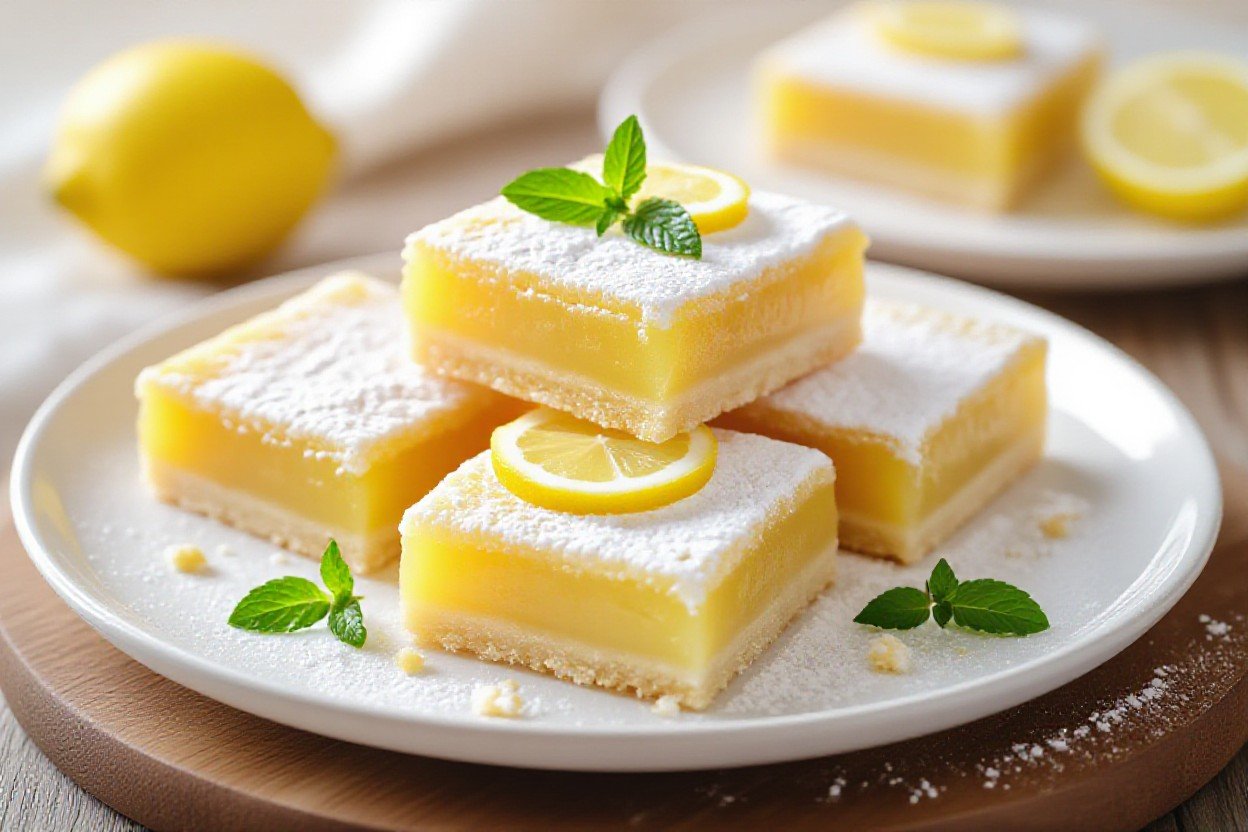
When serving, dust lightly with powdered erythritol or a 1:1 powdered erythritol‑monk fruit mix to mimic confectioners’ sugar without carbs; garnish with fresh raspberries or a dollop of unsweetened whipped cream sweetened to taste. If you want restaurant‑style presentation, cut the chilled slab into 16 bars and warm the knife between each cut for razor‑sharp edges.
For make‑ahead entertaining, bake the bars up to 48 hours in advance and keep them refrigerated-the flavors actually meld and brighten after 24 hours, and chilling prevents weeping during transport.
Thou will get the cleanest slices if you chill the bars until fully set (ideally overnight) and use a hot, dry knife for each cut.
Nutritional Information and Serving Size
Macros per serving
Per a 2×2-inch bar (cut from a 9×13 pan into 12 pieces) you’re looking at roughly 210 calories, about 20 g fat, 4 g protein and 7 g total carbohydrates; of those carbs roughly 3 g are fiber and about 2 g come from erythritol, leaving an estimated 2 g net carbs per bar when you subtract fiber and erythritol. If you prefer using a sugar alcohol-free calculation, count the full 7 g total carbs, but most keto trackers let you deduct erythritol – that 2 g difference can meaningfully lower the net-carb tally on your log.
Serving size and how it fits your day
If you slice the pan into 12 pieces, one bar will represent about 10% of a 20 g daily net-carb limit (2 g net carbs) and about 15-20% of a 1,200-1,400 kcal meal plan, so you’ll want to factor it into the rest of your day’s meals; cutting the pan into 16 pieces drops each piece to roughly 165 calories and about 1.5 g net carbs, which can be a better fit if you’re tracking calories tightly. You can store bars in the refrigerator up to a week or freeze portions for up to 3 months, which helps you control portions and avoid overindulging when you’re trying to stay within a specific macro target.
Conclusion
Summing up, Keto Lemon Bars Low Carb provide you with a bright, tangy dessert that fits within a low‑carb lifestyle without sacrificing texture or flavor. By using almond or coconut flour, a low‑glycemic sweetener, and fresh lemon juice, you can create bars that set firmly, slice cleanly, and satisfy sweet cravings while keeping net carbs low; bake until the filling is just set and chill thoroughly to achieve the ideal consistency.
You can adapt the recipe to your preferences-adjust sweetness, experiment with citrus zest, or add a shortbread crust variant-and store the bars in the refrigerator for a week or freeze portions for longer keeping. With attention to ingredient quality and portion control, these lemon bars let you enjoy a classic treat while staying aligned with your carbohydrate goals.
Printable Recipe Card
Want just the essential recipe details without scrolling through the article? Get our printable recipe card with just the ingredients and instructions.