Keto Egg & Spinach Power Bowl
Keto Egg & Spinach Power Bowl delivers a nutrient-dense, low-carb meal that supports sustained energy and satiety; you’ll get high-quality protein, healthy fats, and iron-rich greens to fuel your day. Simple prep and versatile ingredients let you customize macros and flavors while keeping carbs minimal, so you can confidently meet your dietary goals without sacrificing taste or convenience.
Ingredients
Essential Ingredients
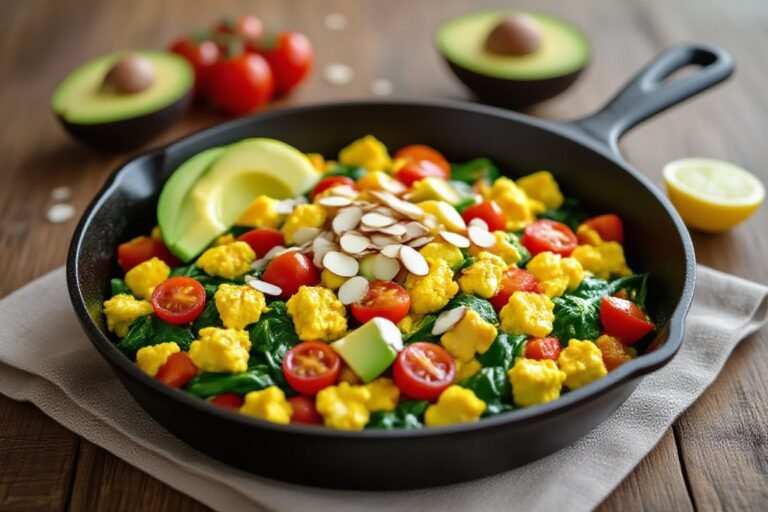
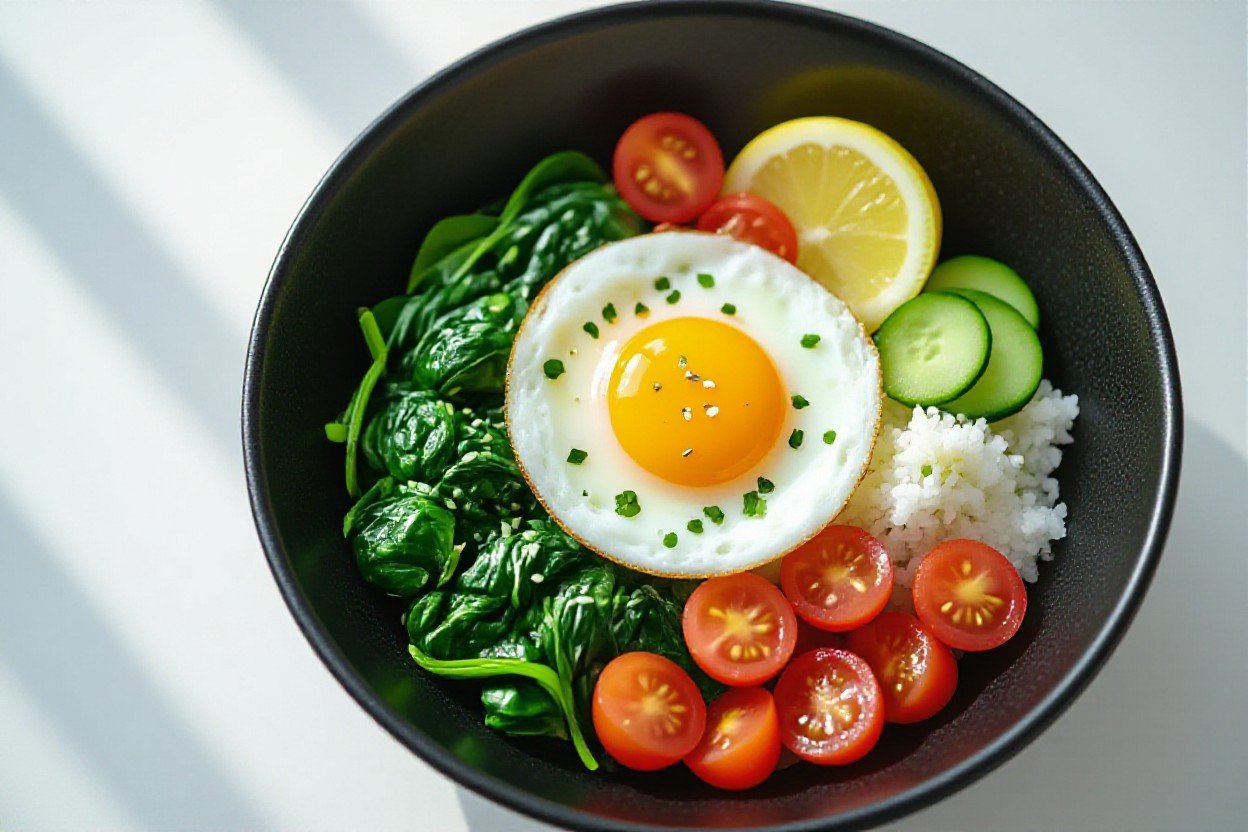
Start with 2 large eggs (each about 6 g protein and 5 g fat) and roughly 2 packed cups of baby spinach (about 40-60 g raw, ~1-2 g net carbs) as the foundation; those two ingredients deliver the protein and low-carb greens that define the bowl. Add one tablespoon of olive oil or 1 tablespoon of butter/ghee for sautéing – that single tablespoon supplies roughly 14 g fat and ~120 kcal, which helps keep the meal ketogenic.
Include a high-fat garnish to round macros: half an avocado (about 120-140 kcal, 10-15 g fat, 2-3 g net carbs) or 1/4 cup shredded cheddar (≈28 g; ~110 kcal, 9 g fat, <1 g carbs) are reliable choices. Seasonings like 1/4 teaspoon sea salt, a pinch of black pepper, and a squeeze of lemon (10-15 g, ~1-2 g carbs) add brightness without pushing carbs up.
Optional Add-ins
Enhance texture and calories with proteins or crunch: 2 slices of cooked bacon (≈6-8 g fat and 6-8 g protein), 2 oz smoked salmon (≈10-12 g protein, 2-4 g fat), or 3 oz cooked shrimp (≈18-20 g protein, negligible carbs) all work well. For fat-forward add-ins, try 1 tablespoon hemp seeds (≈3 g protein, 5 g fat) or 1 tablespoon pumpkin seeds (≈4-5 g fat, 2-3 g protein) to add omega fats and a nutty bite.
For flavor-forward options, olives (6-8 large, ~5 g fat), 1-2 tablespoons crumbled feta, or a tablespoon of full-fat Greek yogurt can shift the profile to Mediterranean; alternatively, 1-2 tablespoons kimchi or sauerkraut introduce probiotics with only ~1-2 g net carbs per serving. Keep total net carbs in mind if you’re targeting strict keto – aim to keep the bowl’s carbs under about 8-12 g depending on your daily limit.
Pair add-ins intentionally: Mediterranean combinations (feta + olives + smoked salmon) typically add 8-12 g fat and 6-12 g protein per suggested portion, while Tex‑Mex choices (chorizo 1 oz ≈80-100 kcal, 6-8 g fat + avocado) push the fat even higher and remain low-carb. Adjust portions – for example, swap 1/2 an avocado for a tablespoon of seeds if you want fewer calories but similar fats – and track net carbs from any fermented veggies or fruit to keep the bowl within your keto targets.
Nutritional Benefits
Combining eggs and spinach in this bowl delivers a high-protein, low-net-carb profile that supports satiety and steady blood glucose on keto-two large eggs provide about 12-14 g of complete protein and roughly 140-150 kcal, while a generous cup of raw spinach adds only ~7 kcal and about 1 g net carbohydrate. You get concentrated micronutrients without the carb load, so the bowl often totals well under 10 g net carbs depending on extras like oil or cheese.
Beyond macros, the pairing amplifies micronutrient absorption and function: the fats from the eggs help your body absorb fat-soluble vitamins and carotenoids from the spinach, and the combination supplies key nutrients for muscle, brain, and vascular health in a single, easy meal.
Health Benefits of Eggs
You get a complete amino acid profile from eggs, making them exceptionally effective for muscle maintenance and recovery-one large egg supplies about 6-7 g of high-quality protein. Eggs are also a notable source of choline (roughly 147 mg per large egg), which supports neurotransmitter synthesis and liver function, and they provide vitamin D (around 40 IU per egg) and bioavailable lutein and zeaxanthin for eye health.
Satiety and metabolic effects matter on a restrictive plan: eggs are calorie-efficient and promote fullness, helping reduce snacking and total daily energy intake. In practical terms, choosing eggs as the protein base can make it easier for you to stay within your daily keto targets while still meeting amino acid and micronutrient needs.
Advantages of Spinach
Spinach packs high-value micronutrients with minimal carbs-one cup raw contains roughly 7 kcal, about 1 g net carb, ~145 µg vitamin K (well over 100% of the daily reference for many adults), ~58 µg folate, and small amounts of iron and magnesium. The leafy nitrate content also supports vascular function; pooled analyses of dietary nitrate interventions show average systolic blood pressure reductions on the order of about 3-4 mmHg, an effect that can support cardiovascular risk reduction when combined with an overall healthy diet.
Because spinach is so low in carbs, you can load your bowl with a large volume to increase fiber and micronutrient density without jeopardizing ketosis; pairing it with the eggs’ fat also significantly increases absorption of carotenoids like lutein and zeaxanthin, enhancing the eye- and antioxidant-related benefits you get from the greens.
Cooking Instructions
Preparation Steps
Start by portioning ingredients: plan on 2 large eggs and 1 to 1.5 cups packed baby spinach per bowl; for two bowls use 4 eggs and about 3 cups packed spinach. Wash and spin the greens dry-excess water will steam the spinach and dilute textures-then roughly chop if the leaves are large. Mince one small garlic clove and thinly slice a shallot or half a small red onion if you want a sharper base flavor.
Measure fats and seasonings next: 1 tablespoon olive oil or butter per two servings and 1/4 teaspoon kosher salt per two eggs plus a pinch of black pepper work well. If adding extras-half an avocado, 6 cherry tomatoes halved, or 2 slices of crisped bacon per bowl-prepare those before you heat the pan so assembly is seamless.
Cooking Methods
For quick scrambled eggs, heat a nonstick skillet over medium and add 1 tablespoon butter or oil; sauté garlic and shallot 30-45 seconds until fragrant, then add spinach and toss 60-90 seconds until just wilted. Whisk eggs with 1 tablespoon water or cream per two eggs for a fluffier texture, pour into the pan, and stir gently for 2-3 minutes until curds form but remain moist-total stovetop time about 5 minutes.
If you prefer fried eggs, use medium-low heat and 1 teaspoon oil per egg; cook sunny-side for 3-4 minutes for set whites and jammy yolks, or 2 minutes per side for over-easy. For a baked option, preheat oven to 375°F, combine wilted spinach and beaten eggs in an oven-safe skillet, and bake 10-12 minutes for a 4-egg frittata that’s set but still slightly glossy in the center.
Pay attention to heat control and carryover cooking: stainless or cast-iron retains heat so reduce stovetop temperature by one notch to avoid overcooking, and let baked eggs rest 2 minutes before slicing to finish setting. If spinach releases excess liquid, drain and press it in a towel-this keeps the bowl from becoming watery and concentrates the flavors.
Serving Suggestions
When plating your egg and spinach power bowl, aim for a balance of textures and visual contrast: silky scrambled or soft-poached eggs over wilted spinach, a quarter to half an avocado sliced on the side, and a sprinkle of toasted seeds or crumbled feta for crunch and salt. You can finish with 1 tablespoon of extra-virgin olive oil or a 1-2 teaspoon smear of chili oil to boost fat content; that small drizzle adds roughly 40-120 kcal and intensifies flavor without pushing carbohydrate counts above the typical keto target.
If you want to prepare ahead, portion components separately – eggs cooked fresh, spinach dressed lightly, avocado halved just before serving – and assemble in under 5 minutes. Typical single-serving nutrition for the bowl as written lands around 400-550 kcal, roughly 30-40 g fat, 20-30 g protein and about 5-8 g net carbs, which makes it easy to slot into a daily ketogenic plan or a targeted low-carb day.
Meal Pairings
Pair the bowl with low-carb sides to round out the meal: 1 cup cauliflower rice (≈25 kcal, 3-4 g carbs) or a 3 oz portion of smoked salmon (≈100 kcal, 17 g protein) both complement the flavors and raise protein without adding many carbs. For a quick morning boost, add a cup of black coffee or a cup of unsweetened green tea; for extra electrolytes after a workout, sip 8-12 oz of homemade bone broth (≈40 kcal) alongside the bowl.
When serving for dinner, consider a small fermented side like ¼ cup sauerkraut or kimchi to aid digestion and deliver probiotics while adding only 2-4 g net carbs. If you need more calories for recovery, add 1-2 tablespoons of full-fat Greek yogurt or a 1-ounce handful of macadamia nuts; those choices bump fat by 10-22 g and calories by roughly 100-200 depending on amount, keeping the meal keto-friendly.
Portion Sizes
You should tailor portion sizes to your daily energy and macro targets: for weight loss, aim for a 350-450 kcal bowl; for maintenance, 450-600 kcal; for muscle gain, 600+ kcal depending on total intake. Use 2-3 large eggs (12-18 g protein), 1-2 cups raw spinach (yields about 1 cup cooked), 1/4-1/2 medium avocado, and 1 tablespoon of olive oil as a baseline – that combo typically provides about 25-35 g fat, 18-26 g protein, and 4-7 g net carbs.
If you track macros precisely, adjust fat sources in 1-tablespoon increments (1 tbsp olive oil ≈120 kcal; 1 tbsp mayonnaise ≈100 kcal) and protein with 3-ounce portions of salmon, chicken, or tofu (≈20-25 g protein per 3 oz). Keep your daily net carbs under your personal keto threshold-commonly 20-30 g-to ensure this bowl remains compatible with strict low-carb goals.
Practical examples: if you weigh 70 kg and target 1.2-1.6 g protein/kg, you need about 84-112 g protein daily; making the bowl with 3 eggs plus a 3 oz salmon side delivers roughly 40-45 g protein, covering about 40-50% of that target. For a 1,500 kcal weight-loss plan, build the bowl to ~400 kcal and add a 100 kcal snack later; for a 2,500 kcal muscle-gain plan, increase avocado to 1/2, add 1 tablespoon oil, and include a 4-6 oz protein side to push the meal toward 650-800 kcal.
Variations
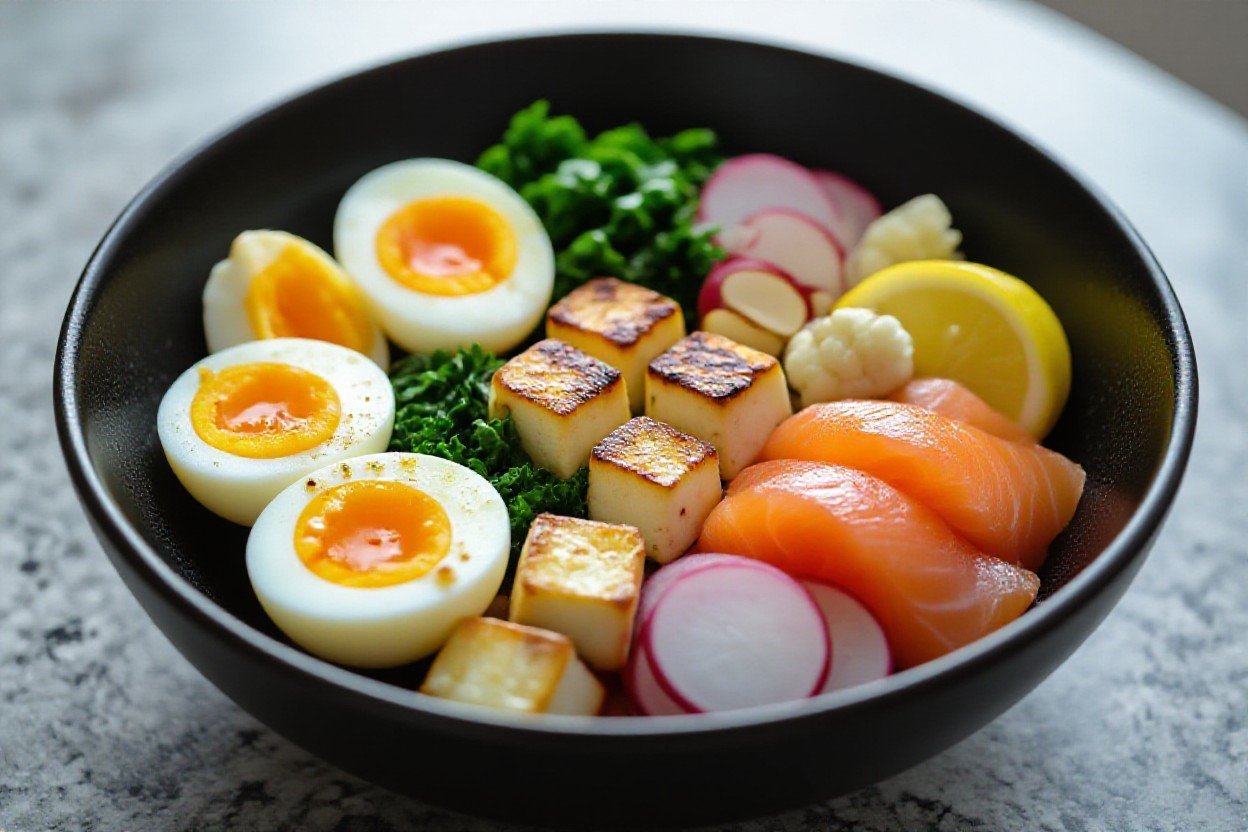
You can shift the bowl toward richer, creamier textures by increasing high-fat elements: add 1/2 avocado (about 120 kcal, ~11-12 g fat, ~2 g net carbs) or stir 1 Tbsp extra-virgin olive oil into the spinach for another ~120 kcal and 14 g fat. For more protein density without raising carbs, swap in 50 g smoked salmon (~70 kcal, ~10-12 g protein, 0 g carbs) or top with 2 slices of crisp bacon (~80-90 kcal, ~7-8 g fat, ~0.3 g carbs) while keeping the spinach base intact.
Texture and mouthfeel matter for satiety, so you might add 30 g crumbled feta (~75 kcal, ~6 g fat, ~1 g carbs) for tang, or 2 Tbsp toasted pumpkin seeds (~90 kcal, ~8 g fat, ~3 g protein) for crunch and extra magnesium. If you want a lighter plate, reduce eggs from two to one and increase leafy greens to 2 cups-this drops calories roughly 80-100 kcal while keeping net carbs low (typically under 6 g).
Flavor Enhancements
If you favor herb-forward notes, stir fresh chopped basil, dill, or chives into the warm eggs-1-2 Tbsp fresh herbs add negligible calories but significantly lift aroma and perceived freshness. For smoky depth, sprinkle 1/2 tsp smoked paprika or a pinch of chipotle powder; these dry spices add flavor without altering macros and pair especially well with bacon or smoked salmon.
Sauces transform the bowl: 1 Tbsp basil pesto contributes roughly 70-90 kcal and about 1 g net carb while adding basil, pine-nut fat, and umami from Parmesan; alternatively, 1 tsp chili crisp gives you concentrated heat and fat with minimal carbs. You can also finish with a few drops of lemon juice and 1/2 tsp lemon zest to brighten flavors and cut through fattiness without adding measurable carbs.
Dietary Adaptations
For pescatarian versions you can replace one egg with 50-75 g smoked salmon or canned sardines-those add 10-20 g protein while keeping carbs near zero. Vegetarians who keep eggs already have an easy path, but if you want to boost fat while keeping eggs, add 2 Tbsp hemp seeds (~110 kcal, ~9 g fat, ~6 g protein) or 1 Tbsp olive oil for an extra 14 g fat; both maintain ketogenic ratios without raising net carbs appreciably.
For dairy-free or nut-free needs, swap feta or pesto for mashed avocado or a simple tahini-lemon drizzle (1 Tbsp tahini ≈ 89 kcal, ~8 g fat, ~1.4 g carbs) and avoid nut-based pestos-use sunflower seed pesto or extra herbs instead. If you require an egg-free keto option, scramble 100 g firm tofu with 1 Tbsp olive oil (to reach keto fat targets) and add kala namak for an eggy sulfur note; you’ll need to add extra fat (about 1 Tbsp oil) because tofu is lower in fat than eggs.
As an example of how swaps affect macros: a standard bowl (2 large eggs, 1 cup spinach, 1/2 avocado, 1 oz feta, 1 Tbsp olive oil) totals approximately 460 kcal, ~40-42 g fat, ~16-18 g protein and ~4-6 g net carbs. If you convert that to a tofu-based, dairy-free version (100 g firm tofu, 1/2 avocado, 1 Tbsp olive oil, 1 cup spinach, plus 2 Tbsp hemp seeds), the totals shift to roughly 420-450 kcal, ~34-36 g fat, ~14-18 g protein and a similar net-carb range-so you preserve ketosis-friendly macros while accommodating dietary restrictions.
Tips for Success
You can optimize texture and macros by portioning intentionally: use 2 large eggs (~12 g protein) plus 1-2 oz of avocado or feta to hit 20-25 g protein and 18-25 g fat per bowl, and sauté 3-4 cups of baby spinach down for 1-2 minutes in 1 tbsp olive oil to reduce bulk by roughly 60-70% without losing nutrients. For egg doneness, poach for 3-4 minutes for a runny yolk, soft-scramble over low heat for 3-5 minutes to keep creaminess, or pan-fry 2-3 minutes per side for over-easy; timing adjustments of 30-60 seconds shift texture noticeably, so test once and note the stove and pan you use.
You should assemble bowls to preserve contrast: warm base (eggs) on bottom, cold/fresh elements (raw spinach, herbs) on top, and keep dressings or acidic components in a separate small container until serving to prevent sogginess. Use these practical steps to meal-prep efficiently:
- Batch-cook eggs: hard-boil or sous-vide 6-8 eggs at once for 3-4 days of breakfasts.
- Portion into 1-2 cup servings so reheating is even and quick; glass containers reheat faster and retain heat better than plastic.
- This prevents limp greens and keeps the bowl tasting fresh when you eat it later.
Common Mistakes to Avoid
You often overcook eggs by leaving them on residual heat; pull them off the pan 10-20 seconds before your target doneness since carryover cooking continues. Crowding the pan or using a cold pan causes eggs to steam and stick-cook 2-3 eggs at a time in a 10-12-inch nonstick skillet for even heat distribution, and wipe the pan between batches if you’re doing multiples.
Another common error is overdressing the spinach: a tablespoon of dressing per bowl is usually enough-more will dilute flavors and add unnecessary carbs. If you use pre-washed bagged spinach, pat it dry with paper towels or spin it in a salad spinner; excess water causes dressings and oils to separate and makes textures flat.
Storage Tips
Store components separately when possible: keep cooked eggs in an airtight container and raw or lightly sautéed spinach in another, both chilled at or below 4°C (40°F). Cooked egg bowls will keep 3-4 days in the fridge; if you add cheese or avocado, eat within 48-72 hours for best texture. For reheating, microwave on medium power for 60-90 seconds or reheat on low stovetop for 1-2 minutes until just warmed through.
Label containers with the date and stack them so older meals are used first; vacuum-sealed glass jars extend freshness by reducing oxygen exposure. When freezing, freeze spinach-only portions for up to one month, but avoid freezing whole cooked eggs as yolk texture degrades and becomes rubbery after thawing.
- Separate dressings into small containers to add just before eating; this preserves crunch and bright flavors.
- Keep a thermometer in your fridge to ensure it stays at or below 4°C (40°F) to maximize shelf life.
- Perceiving any off-odors, sliminess, or discoloration is a clear signal to discard the portion rather than risk foodborne illness.
For extra longevity, flash-chill warm components before sealing: spread eggs on a shallow tray until they reach room temperature (under 1 hour) then refrigerate in shallow containers to bring them down to safe temperatures faster; this step cuts bacterial growth and helps maintain texture when you reheat.
- Use shallow, airtight glass containers (max 2-inch fill depth) to speed cooling and reheating.
- Freeze-only ingredients like cooked spinach or roasted veggies in 1-cup portions to make defrosting predictable.
- Perceiving any gelatinous or overly dry textures after reheating usually means the component won’t recover well and should be replaced.
To wrap up
Summing up, the Keto Egg & Spinach Power Bowl gives you a compact, nutrient-dense meal that balances high-quality protein from eggs, healthy fats from olive oil or avocado, and low-carb, fiber-rich spinach to support steady energy and satiety while keeping carbohydrate intake minimal. Its components deliver key micronutrients-iron, B vitamins, and magnesium-and are easy to adjust to your caloric needs, making the bowl suitable for quick breakfasts or efficient meal-prep lunches.
To get consistent results, control portion sizes and vary healthy fats and seasonings to maintain flavor and fullness; swap greens, add a handful of nuts or seeds, or include a bit of full-fat cheese when you need extra calories. With simple prep and flexible ingredients, you can use this bowl to support ketosis, manage hunger, and streamline your weekly meal planning.
Printable Recipe Card
Want just the essential recipe details without scrolling through the article? Get our printable recipe card with just the ingredients and instructions.