Keto Creamy Spinach Bake
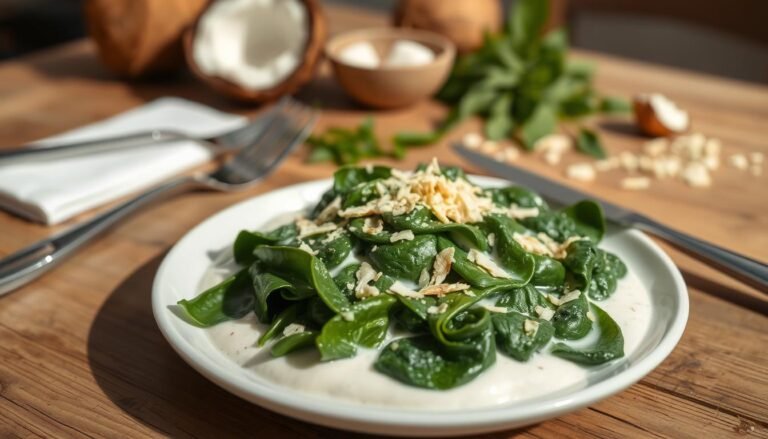
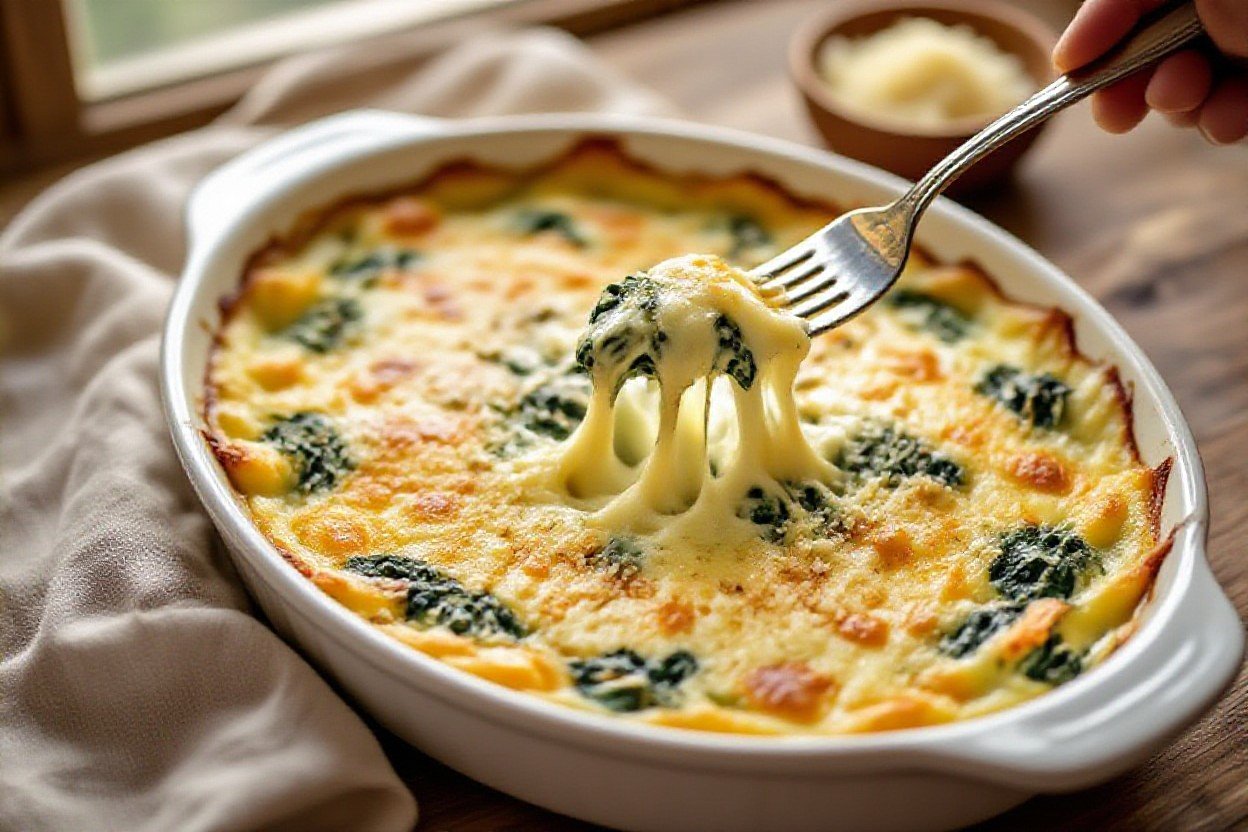
Over a handful of simple ingredients you can make Keto Creamy Spinach Bake that delivers rich, low‑carb comfort while keeping your macros on target. This guide explains ingredient choices, baking technique, and practical swaps for full‑fat dairy and added protein, so you can prep, portion, and serve a silky, satisfying dish that supports a ketogenic lifestyle.
Ingredients
Main Components
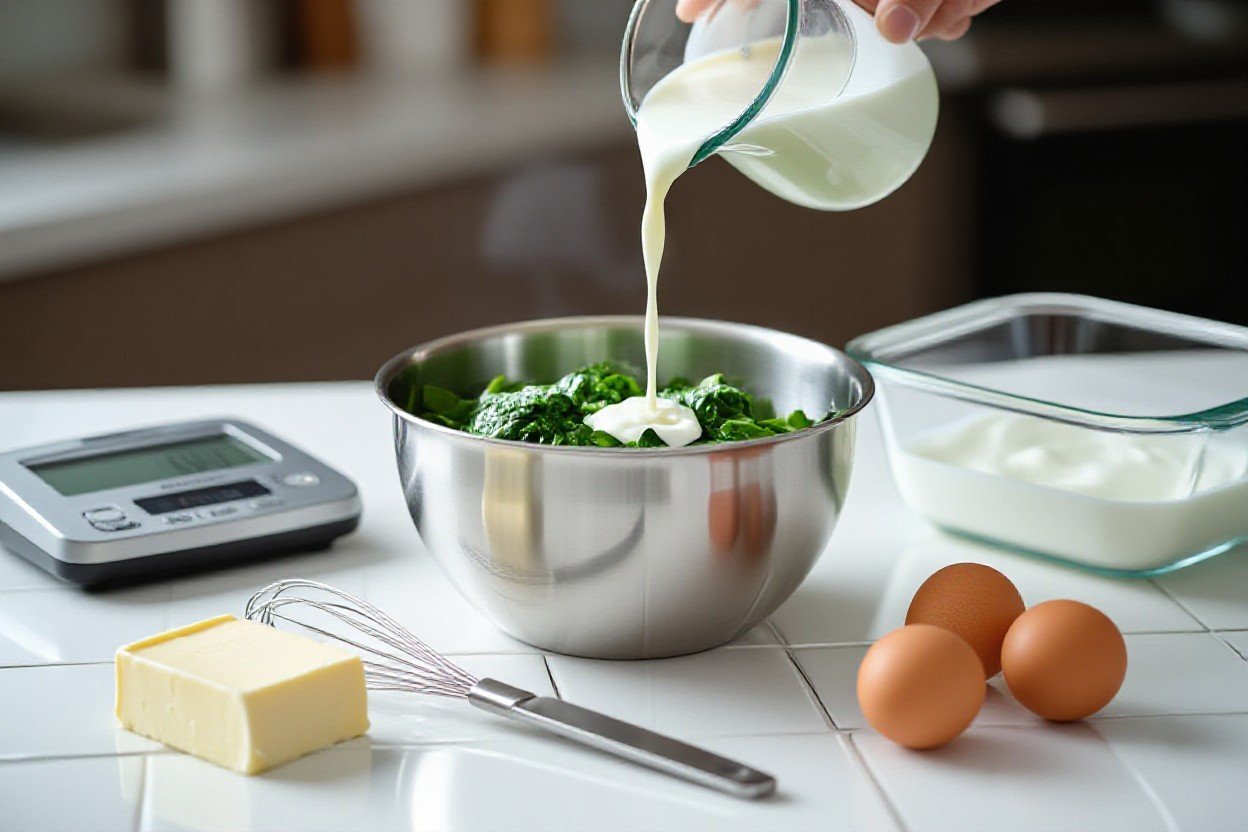
You’ll want a base of leafy greens and full‑fat dairy: use 10-12 oz fresh spinach (about 300-340 g) or one 10 oz (285 g) package of frozen spinach that’s thawed and well‑drained, 8 oz (225 g) cream cheese at room temperature, and 1/2 cup (120 ml) heavy cream to keep the bake silky. Add two large eggs to bind the filling and 1½ to 2 cups (150-200 g) shredded cheese – a blend of mozzarella for stretch and sharp cheddar for flavor works well.
Seasoning and aromatics are simple but purposeful: 2 cloves of minced garlic, 1/2 small onion or 2 tbsp finely chopped shallot if you like, 1/2 tsp salt and 1/4 tsp black pepper, plus a pinch of nutmeg or smoked paprika for depth. You can swap the heavy cream for 1/2 cup sour cream if you prefer tang, and if using frozen spinach plan on squeezing out at least 1/4-1/3 cup of liquid so the texture stays custardy rather than watery.
Optional Add-ins
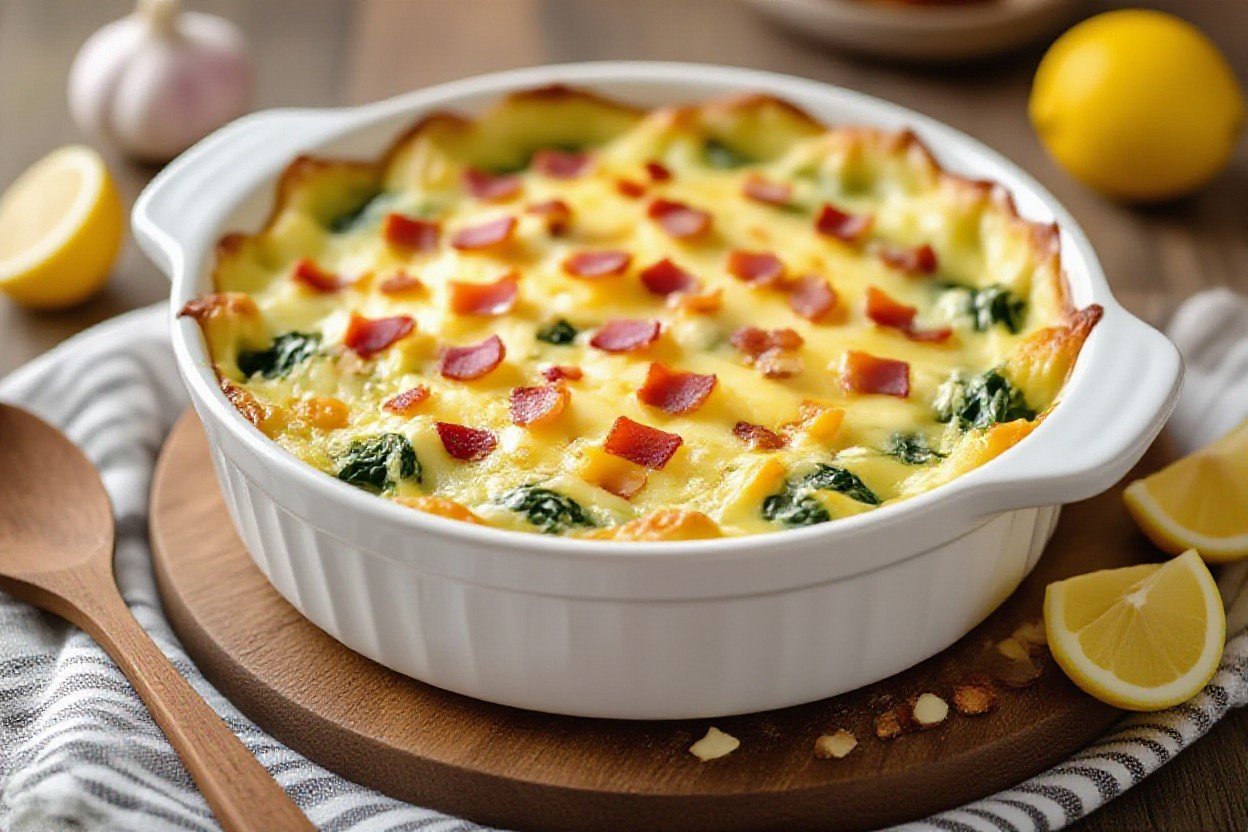
To vary texture and flavor you can fold in about 1-1½ cups total of mix‑ins: 4 slices of cooked, chopped bacon for smoky fat; 8 oz (225 g) sautéed mushrooms; 1 cup chopped marinated artichoke hearts (drained); or 1/4 cup chopped sun‑dried tomatoes (oil‑packed, drained) for brightness. For a tangier profile try 4 oz (115 g) crumbled goat cheese or feta in place of some shredded cheese, and add 1/4 cup thinly sliced green onions for freshness.
When you include proteins or wet items, keep proportions controlled so the bake sets properly – aim for no more than 150-225 g (1-1½ cups) of add‑ins combined for an 8×8‑inch dish. Also, always precook mushrooms and bacon and drain any oil or liquid from jarred items; this prevents excess moisture that will lengthen baking time and dilute the custard.
If you track carbs closely, prioritize low‑starch choices: cooked mushrooms, artichoke hearts and olives add minimal net carbs compared with sun‑dried tomatoes or roasted red peppers, so select add‑ins based on your daily carb target and portion size rather than leaving everything in.
Preparation
Prepping the Spinach
If you’re using fresh spinach, work with about 300-350 g (10-12 oz) of baby leaves; blanching 30-60 seconds in rapidly boiling water then shocking in an ice bath stops the cooking and preserves color. For frozen, thaw a 10-12 oz packet in the microwave for 2-3 minutes or in the fridge overnight, then drain-frozen will typically release 4-6 tablespoons of liquid once thawed.
After blanching or thawing, squeeze the spinach dry in a nut-milk bag or several layers of cheesecloth until it’s damp but not dripping; that should leave roughly 200-250 g of tightly packed spinach. Chop finely by knife or pulse 2-3 times in a food processor so the leaves distribute evenly through the custard and don’t create watery pockets during baking.
Assembling the Bake
Preheat the oven to 350°F (175°C) and choose your pan: an 8×8-inch (20×20 cm) dish yields a thicker, creamier bake while a 9×13-inch pan stretches this into 8-10 servings. In a mixing bowl, beat together 225 g (8 oz) softened cream cheese, 1 cup (about 100 g) shredded mozzarella, ½ cup (45-50 g) grated Parmesan, 3 large eggs, and ⅓ cup (80 ml) heavy cream until smooth; season with ½ tsp salt and ¼ tsp black pepper, adding ¼ tsp ground nutmeg if you like a warmer background note.
Fold the well-drained, chopped spinach into the cheese-egg mixture until evenly combined, then transfer to the prepared dish and smooth the top with a spatula. Scatter an additional ¼ cup mozzarella and 2 tbsp Parmesan over the surface for a golden finish, cover loosely with foil for the first 15 minutes to prevent over-browning, then bake uncovered another 10-20 minutes until the center barely jiggles and the edges pull away from the dish; allow to rest 10 minutes before slicing into 6-8 portions.
If the mixture seems looser than expected, stir in 1-2 tablespoons almond flour or 2 tablespoons finely crushed pork rinds to tighten the custard without changing the flavor profile. You can also assemble this in individual ramekins (about 6-8, depending on size) and bake for 18-22 minutes; for a crisp, browned top, broil on high for 1-2 minutes at the end while watching closely.
Cooking Instructions
Baking Time and Temperature
Preheat the oven to 375°F (190°C) for a standard 9×13-inch dish and plan on 25-30 minutes until the center is set and the top is lightly golden; the internal temperature should reach about 160°F (71°C) for a safely set egg-based bake. For individual ramekins or smaller portions, reduce the time to 18-22 minutes at 375°F; a deep-dish or very full casserole may need 30-35 minutes at 350°F to avoid over-browning the top while the center finishes cooking.
If the surface browns too quickly, tent foil over the dish for the last 10-15 minutes, or lower the oven by 25°F and extend baking by 5-7 minutes-convection ovens typically require a 25°F reduction and 5-10 minutes less time. For an ultra-creamy texture, place the baking dish in a shallow water bath (1 inch of hot water in a larger pan) and bake at 350°F for 30-35 minutes; finish with a 1-2 minute broil if you want a browned, bubbly cheese crust.
Quick reference
| Scenario | Time & Notes |
|---|---|
| 9×13 casserole | 375°F for 25-30 min; target 160°F internal; let rest 10 min before serving |
| Individual ramekins | 375°F for 18-22 min; check for slight jiggle at center |
| Deep or very full dish | 350°F for 30-35 min; tent with foil if top browns early |
| Convection oven | Reduce temp by 25°F and shorten time by ~5-10 min |
| Broil finish | Broil 1-2 min to brown cheese-watch closely to avoid burning |
Serving Suggestions
Serve the bake in generous wedges alongside a crisp green salad dressed with lemon vinaigrette to cut the richness; for a higher-protein meal, pair with 4-6 oz grilled chicken breast or pan-seared salmon. If you want a lower-carb starch alternative, offer cauliflower rice or roasted radishes-each adds texture without pushing carbs above typical keto targets (keep portions of any added starch to about 1/2 cup per person).
Store leftovers in an airtight container in the fridge for up to 4 days and reheat at 325°F for 10-15 minutes or microwave at 800W for 60-90 seconds per serving; frozen portions will keep up to 2 months-thaw overnight before reheating. Finish plated servings with a sprinkle of chopped parsley, a few grinds of black pepper, or a squeeze of lemon to brighten flavors just before you eat.
Nutritional Information
Per serving values will depend on portion size, but using the recipe as written (six servings), you can expect roughly 360 kcal per portion. That estimate reflects the dense calories from dairy and eggs, balanced by low-carbohydrate spinach; total carbohydrates run about 6 g with approximately 2 g fiber, yielding roughly 4 g net carbs per serving-well within typical ketogenic limits of 20-30 g net carbs per day.
Beyond macros, the bake contributes meaningful micronutrients: a single serving delivers significant vitamin K and vitamin A from spinach, plus calcium and phosphorus from the cheeses. If you track electrolytes for keto adaptation, the recipe also supplies sodium and some potassium; you can tweak salt and add a pinch of salt-free bouillon if you need to raise your sodium intake for performance or symptom control.
Caloric Breakdown
One serving (1/6 of the pan) provides about 360 kcal. Of those, approximately 270 kcal come from fat (about 30 g fat), 72 kcal from protein (around 18 g protein), and 16 kcal from net carbohydrates (about 4 g net carbs). That produces an energy distribution near 75% fat, 20% protein, and 5% carbohydrates-aligned with many standard ketogenic targets.
As a concrete example, adding an extra ounce of cheddar to a serving increases calories by ~110 kcal and fat by ~9 g, shifting that serving closer to 82% fat; conversely, swapping full‑fat dairy for a lower-fat alternative can drop the fat percentage substantially while raising the protein-to-fat ratio.
Macronutrient Profile
Fats in this dish come primarily from cream cheese, heavy cream, and cheddar, giving you a mix of saturated and monounsaturated fats-roughly 30 g total fat per serving. Protein is supplied by eggs and cheese, providing about 18 g of complete protein with all vital amino acids. Carbohydrates are minimal and come from spinach and optional aromatics like shallot or onion; net carbs hover around 4 g per serving after subtracting fiber.
If you need to tailor the macronutrient split, small swaps make a big difference: adding one tablespoon of butter (+11 g fat, +100 kcal) or an extra ounce of cheese (+9 g fat, +7 g protein, +110 kcal) will raise the fat percentage, while removing one egg and increasing cream moderately will lower protein relative to fat.
To calculate net carbs for your tracking, subtract fiber from total carbs-so a 6 g total carb, 2 g fiber serving equals 4 g net carbs-and use that figure against your daily cap; because this bake is low in carbs, you can portion it with other higher‑fat keto sides or a protein boost depending on whether you prioritize higher fat or higher protein for the meal.
Variations and Substitutions
You can swap key ingredients without sacrificing the creamy, low-carb profile of the bake: replace 1 cup (240 ml) heavy cream with 3/4-1 cup (180-240 ml) canned coconut cream for a dairy-free version, or use 8 oz (225 g) cream cheese plus 1/4 cup (60 ml) sour cream to boost body and tang. For binding, if you prefer fewer eggs, add 2 tablespoons almond flour and 1 tablespoon psyllium husk to maintain structure; conversely, adding an extra egg will make the set firmer and easier to slice. Baking time shifts only slightly-expect an additional 5-10 minutes if you incorporate higher-moisture vegetables or dense cheeses.
If you need to lower sodium or adjust texture, swap half the shredded cheese with 1/4 cup (25 g) grated Parmesan and 1/4 cup (60 ml) unsweetened Greek yogurt to keep creaminess with less salt. You can also add flavor without carbs by stirring in 1-2 teaspoons smoked paprika, 1/2 teaspoon ground nutmeg, or 1 tablespoon chopped fresh dill; use these sparingly-1 teaspoon changes the profile significantly. When scaling the recipe, follow a simple ratio: for every 4 servings, plan on 10-12 oz (280-340 g) cooked leafy greens and about 8 oz (225 g) total cheese.
Cheese Options
You’ll get different melt and flavor profiles depending on the cheese: for a classic stretchy top use 6-8 oz (170-225 g) shredded mozzarella per 4 servings, while 6-8 oz (170-225 g) sharp cheddar adds bold flavor and a quicker browning crust. Mixing 4 oz (115 g) cream cheese into the custard gives a silkier mouthfeel and helps stabilize the bake, especially useful if you plan to slice it for meal prep. A combination of 1/2 cup (50 g) grated Parmesan plus 6 oz (170 g) shredded fontina creates a nutty, well-browned finish that’s still low in carbs.
If you’re watching lactose or prefer a tangier profile, choose aged cheeses-12-month cheddar or Pecorino Romano-because aging reduces lactose and concentrates flavor, so you can use 20-30% less cheese and keep intensity. Goat cheese (4-6 oz/115-170 g crumbled into the mix) brightens the dish and pairs well with lemon zest and garlic; blue cheese is potent, so limit to 2-3 oz (55-85 g) for 4 servings if you want its character without overpowering the spinach.
Vegetable Alternatives
Substituting the spinach is straightforward: use 8-10 oz (225-280 g) chopped kale (stems removed) for every 10 oz fresh spinach called for, but sauté kale 6-8 minutes to soften; for Swiss chard use 10-12 oz (280-340 g) and include stems finely chopped and cooked 4-5 minutes before the leaves. Broccoli or cauliflower florets work well-blanch 2-3 minutes then chop so they integrate; plan on 10-12 oz (280-340 g) cooked florets per 4 servings to match the bake’s volume. Zucchini can be used (about 2 medium, ~400 g), but you must salt and drain or roast first to avoid a watery casserole.
Frozen vegetables are convenient: use one 10-12 oz (280-340 g) package of frozen chopped spinach, fully thawed and squeezed dry, or equivalent frozen kale, and reduce added liquid by roughly 25% because frozen greens tend to compact when cooked. If you mix vegetables (for example, 6 oz broccoli + 6 oz spinach), expect slightly longer bake time-add 5-8 minutes-and consider increasing oven temperature by 10°F (5-6°C) for the last 5 minutes to encourage browning.
Tips for Success
Use full‑fat dairy and room‑temperature ingredients to prevent separation and to help the bake set evenly; cold cream cheese straight from the fridge can create lumps, while a little extra heavy cream (1-2 tbsp) can rescue a dry mixture. For spinach, 10-12 oz frozen spinach (thawed and squeezed) or 10-12 cups fresh leaves wilted and chopped gives the right green-to-cream ratio-aim for about 3-4 cups of packed spinach in the final mix. Preheat your oven to 350°F (175°C) and bake in a shallow 8×8 or 9×9 pan for 20-25 minutes until bubbly and just golden on top.
- Press thawed spinach in a fine mesh strainer or cheesecloth until less than 1/4 cup of liquid remains.
- Grate hard cheeses like Parmesan yourself for better melting; use 3/4-1 cup total for a nicely browned crust.
- Season in layers-1/2 tsp salt with the spinach, 1/4-1/2 tsp in the dairy mix, plus 1/4 tsp black pepper-and taste the raw mix before baking.
- If you want extra body, stir in 1 large beaten egg or 2 tbsp almond flour to help bind without carbs.
Adjust bake time if your mixture looks wetter than usual; a wetter bake needs an extra 5-10 minutes covered with foil to finish without burning the top. Recognizing how much water your spinach holds will let you judge whether to stick with 20-25 minutes at 350°F or extend the bake to 30 minutes for a firmer set.
Common Mistakes to Avoid
Overloading the pan with spinach or failing to remove excess moisture are the most frequent errors-you should expect wilted fresh spinach to reduce by about 80%, so start with 10-12 cups raw or use a single 10-12 oz block of frozen spinach; otherwise the bake turns watery and won’t brown. Using low‑fat dairy can lead to a separated, grainy texture during baking; stick with full‑fat cream, cream cheese, or mascarpone to maintain a silky mouthfeel.
Under‑seasoning is another pitfall because spinach dulls saltiness; if your base tastes flat before baking, increase salt in 1/4‑tsp increments. Also avoid overbaking: pull the dish when the center reads about 165°F and the edges are golden-overbaked keto casseroles get dry and crumbly, so let it rest 8-10 minutes before cutting to finish setting.
Storage and Reheating
Cool the bake completely before transferring to airtight containers; stored this way, it will keep 3-4 days in the refrigerator. For longer storage, portion into freezer‑safe containers or resealable bags and freeze up to 3 months-label portions with the date and leave a little headspace if using glass for expansion. Thaw overnight in the fridge before reheating to keep texture consistent.
Reheat in the oven at 325-350°F for 10-20 minutes (covered with foil the first half to retain moisture) until the center reaches 165°F, or microwave individual portions covered for 1-2 minutes, stirring halfway. To restore creaminess, stir in 1 tbsp heavy cream or sprinkle 1-2 tbsp grated cheese on top before finishing under the broiler for 1-2 minutes to refresh the crust.
For freezer technique: portion the bake into 1‑cup servings on a sheet tray and flash‑freeze 1-2 hours, then transfer to labeled bags to prevent freezer burn and allow you to reheat only what you need-this method keeps reheated portions tasting closer to freshly baked.
Conclusion
Following this, you have a reliable keto-friendly dish that delivers rich, creamy spinach with minimal carbs and satisfying fats-ideal for staying within your macros while enjoying bold flavor. You can serve it as a hearty side to grilled proteins, spoon it over roasted vegetables, or make it the centerpiece of a low-carb meal, and you’ll appreciate how easily it adapts to weeknight cooking and meal prep routines.
You can store leftovers in an airtight container in the fridge for 3-4 days or freeze portions for up to 2 months; reheat gently to preserve creaminess and stir in a splash of cream or broth if it tightens. To tailor it to your tastes, add cooked bacon, mushrooms, or shredded cheeses, and adjust herbs and spices to keep variety without sacrificing your ketogenic goals.
Printable Recipe Card
Want just the essential recipe details without scrolling through the article? Get our printable recipe card with just the ingredients and instructions.