Keto Asian Beef Bowl
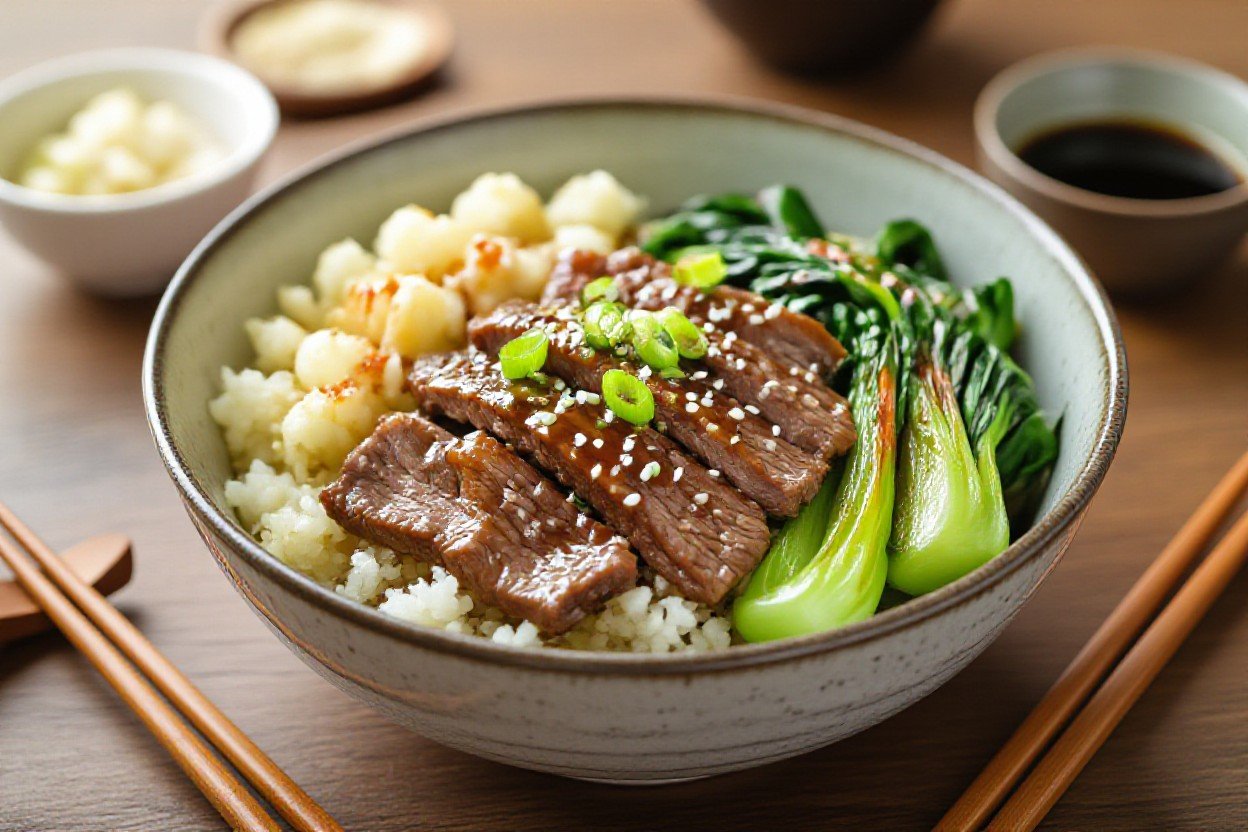
It’s a flavorful low-carb meal that combines savory marinated beef, crisp vegetables, and a tangy, sugar-free sauce to keep your macros on track while delivering bold Asian-inspired taste; you can customize the veg and heat level, track portions to stay within your daily carb limit, and enjoy a satisfying, protein-rich dinner that supports ketosis without sacrificing flavor.
Understanding the Keto Diet
Key Principles of Keto
Aim for roughly 70-75% of your calories from fat, 20-25% from protein, and about 5-10% from carbs, which usually means keeping net carbs in the 20-50 g/day range to enter and maintain ketosis; many people target 20-30 g initially. Track net carbs (total carbs minus fiber and certain sugar alcohols), and set protein to a moderate level-often 1.2-1.7 g/kg body weight or around 20-25% of calories-so you preserve muscle without driving excess gluconeogenesis.
Also pay attention to electrolytes and hydration because the diuretic phase can lower sodium, potassium and magnesium; common guidance is to increase sodium intake and aim for roughly 300-400 mg magnesium and 2-3 g potassium daily, adjusted to your needs. You can choose standard, targeted (carbs around workouts), or cyclical keto approaches depending on activity levels, and use high-fat, low-carb ingredients like sesame oil, fatty fish, cauliflower rice and avocado to keep meals satisfying while staying within your macros.
Benefits of a Low-Carb Diet
Many people experience faster initial weight loss on low-carb plans because glycogen depletion and water loss occur quickly, and studies often show an additional 1-3 kg loss over 3-6 months compared with low‑fat diets. You’ll likely notice reduced appetite-ketone bodies and stable blood sugar blunt hunger signals-so adherence improves for a lot of people, which translates into sustained calorie reduction without constant hunger.
Metabolic markers typically improve as well: triglycerides frequently fall by 20-50% and HDL cholesterol often rises, while fasting blood glucose and insulin levels decline, which can lower HbA1c in people with type 2 diabetes by roughly 0.3-1.0 percentage points in controlled trials. Athletes sometimes use targeted or cyclical variations to balance performance and ketosis, and therapeutic applications (for example, epilepsy) demonstrate that metabolic shifts from carbohydrate restriction have measurable physiological effects.
In practical terms, you gain more stable energy between meals and fewer glucose-driven cravings, so incorporating flavorful, low-carb dishes like this Asian beef bowl makes it easier to stick to your goals while still getting protein, healthy fats and micronutrients that support long-term adherence and metabolic improvements.
Ingredients for a Keto Asian Beef Bowl
Core Ingredients
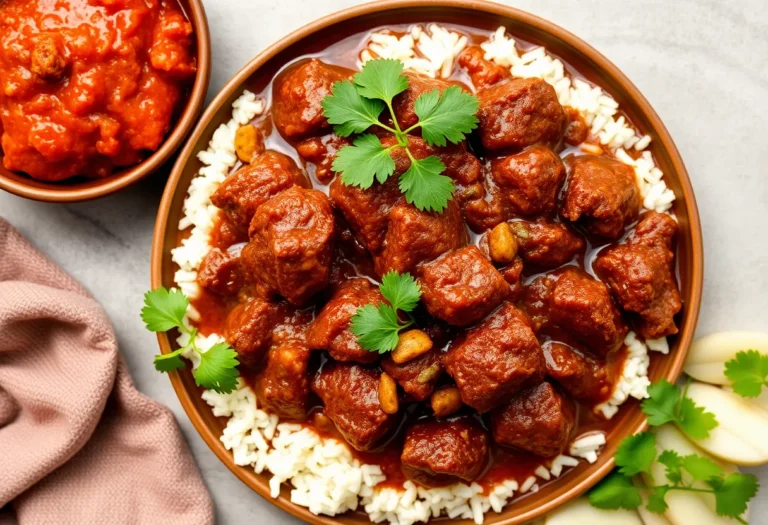
You’ll want 1 lb (450 g) ground beef-85-90% lean works well for both flavor and fat balance-seared until browned, which yields about 3-4 servings. For the low-carb base, plan on 2 cups cauliflower rice (roughly 6 g net carbs total) or a cup per serving if you prefer smaller portions; cauliflower keeps the bowl hearty without the carbs of rice. Aromatics that drive the profile include 2 cloves garlic, 1 tbsp grated fresh ginger, and 2-3 tbsp tamari or coconut aminos for salt and umami.
Round out the core with 1 tbsp toasted sesame oil for finishing fat, 2 tbsp chopped scallions for brightness, and 1-2 cups of quick-steamed green vegetables (bok choy, spinach, or broccoli) to add fiber and micronutrients. If you want extra richness, a soft- or hard-boiled egg per bowl adds about 6-7 g protein and 5-6 g fat with virtually zero carbs; alternatively swap some beef for thinly sliced flank steak (about 8-10 minutes total cooking) for a more textured bite.
Optional Add-Ins for Flavor
To amplify flavor without blowing your carb count, you can add 1 tsp chili oil or a few dashes of hot sauce for heat, 1 tbsp sesame seeds for nuttiness, and a handful of cilantro or Thai basil for herbal lift. Pickled or quick-preserved garnishes-sliced cucumbers, daikon, or a small scoop of kimchi-bring acidity and crunch; keep portions small (1-2 tbsp) if you’re tracking carbs closely since fermented items vary by batch.
For saucing alternatives, try 1 tbsp fish sauce for deep umami (negligible carbs) or 1-2 tbsp coconut aminos as a soy-free swap-both concentrate flavor, so adjust salt accordingly. If you prefer creamier elements, a sliced avocado half per bowl adds ~10-12 g fat and 2-3 g net carbs, and a sesame-ginger mayo (1 tbsp mayo mixed with ½ tsp grated ginger and ¼ tsp sesame oil) provides a rich finish with minimal carbs.
When combining add-ins, balance intensity and carb impact: a tablespoon of toasted sesame seeds (about 1 g net carb) plus a soft-boiled egg keeps the bowl nourishing and under typical keto limits, whereas larger quantities of sweetened pickles or commercial sauces can add unexpected sugar-check nutrition labels and aim for whole-food garnishes you can portion precisely.
Preparation Steps
Before you heat the pan, set up a clear mise en place: slice 8-12 ounces (225-340 g) of beef per serving into 1/8-1/4 inch strips against the grain, julienne your low-carb veg (about 1 cup cabbage, 1/2 cup bell pepper per two servings), and measure out sauces so they’re ready to go. If you have a small block freezer, chill the beef 20-30 minutes first to make thin, even slices easier; that step typically cuts your slicing time in half and improves texture when seared.
Plan timing around the marinade: a minimum of 30 minutes will impart noticeable flavor, but 2-12 hours gives the best balance of taste and tenderness without breaking down the meat (avoid marinating over 24 hours). Organize your workstation so you can cook in 2-3 batches to prevent overcrowding the pan, which drops surface temperature and adds 2-3 minutes per batch to total cook time.
Marinating the Beef
For 1 pound (450 g) of thinly sliced beef, combine 2 tablespoons tamari or coconut aminos, 1 tablespoon sesame oil, 1 tablespoon rice wine or 1 teaspoon rice vinegar, 2 minced garlic cloves, 1 teaspoon grated ginger, and a pinch of black pepper; add 1 teaspoon erythritol or monk fruit if you want a touch of sweetness without carbs. You can add 1/2 teaspoon xanthan gum to the marinade for a silkier glaze that clings to the meat once cooked; whisk it into the liquid base first to avoid clumps.
Vacuum-sealing or using a zip-top bag with air pressed out speeds penetration and lets you marinate in as little as 30-60 minutes; when time allows, refrigerate for 2-8 hours for deeper flavor. If you prefer a tenderizing boost, briefly velvet the beef with 1/2 teaspoon baking soda dissolved in 1 tablespoon water for 15 minutes, then rinse and proceed with the marinade-this technique shortens cook time and yields a tender bite for stir-fry cuts.
Cooking Techniques
Heat a heavy skillet or cast-iron pan over medium-high so the surface reaches roughly 400-450°F; add 1-2 tablespoons avocado oil or ghee until it shimmers, then sear thin slices in a single layer for about 30-60 seconds per side for 1/8-inch strips (1-2 minutes per side for 1/4-inch). Work in small batches to maintain high surface temperature-crowding causes steaming and tacky, pale meat instead of the desirable brown sear-then transfer cooked portions to a warm plate and tent lightly for 3-5 minutes.
If you’re using a wok for stir-frying, crank the heat and keep the beef moving: high heat and constant motion produce tender edges and prevent overcooking. Deglaze each batch with 1-2 tablespoons beef broth or the reserved marinade diluted 1:3 with water, then whisk in 1/8 teaspoon xanthan gum dissolved in 1 tablespoon cold water to build a glossy, low-carb sauce; finish with 1 teaspoon toasted sesame oil and 1/4 cup chopped scallions for aroma.
For alternative methods, broil on high (about 500°F) for 2-3 minutes per side on a wire rack to mimic a quick char when cooking larger amounts, or sous-vide at 130°F for 1-2 hours then quickly sear for consistent doneness across batches. Allow a short rest so juices redistribute, slice against the grain if larger cuts were used, and keep sauce portions modest-1-2 tablespoons per serving-to preserve the bowl’s low-carb profile.
Nutritional Information
Per serving this Keto Asian Beef Bowl runs roughly 560 kcal, with about 42 g fat, 38 g protein, 8 g total carbs and approximately 3 g fiber (net carbs ≈ 5 g). Compared to a traditional beef-and-rice bowl that can top 800-900 kcal with 70-100 g carbs, this version keeps you well within typical ketogenic targets while still delivering satisfying protein and savory flavor.
Micronutrient-wise the beef supplies vitamin B12 and heme iron that support energy metabolism, while the added greens and avocado contribute potassium and small amounts of vitamin C. Expect sodium around 700-1,000 mg per serving depending on how much coconut aminos or soy sauce you use; you can lower that number by choosing low‑sodium condiments.
Macronutrient Breakdown
Breaking it down by calories: fat accounts for about 378 kcal (42 g, ~67-68% of calories), protein about 152 kcal (38 g, ~27%), and carbohydrates roughly 32 kcal (8 g, ~6%). Net carbs sit near 5 g per bowl, which keeps the meal compatible with most keto daily limits of 20-30 g net carbs.
If you want to tweak these numbers, simple swaps make a measurable difference: using 90/10 ground beef instead of 80/20 typically trims ~10 g fat (~90 kcal) per serving and shifts fat percentage downward, while adding a half avocado adds ~11 g fat (+100 kcal) to push the fat ratio higher. Increasing protein by 3 oz of extra beef adds ~21 g protein and ~95 kcal if you need a muscle-repair boost.
Serving Suggestions
Pair the bowl with 1-1.5 cups of cauliflower rice or 2 cups of leafy greens to bulk up volume without adding carbs; a side of kimchi (1-2 tbsp) adds probiotics and flavor for only 1-2 g net carbs. For sauces choose coconut aminos or a sugar-free sriracha to avoid hidden sugars, and consider finishing with 1 tsp toasted sesame oil or 1 tbsp chopped avocado for an extra 10-14 g fat.
For meal prep store individual portions in the fridge up to 4 days and reheat in a skillet over medium to preserve texture-microwaving works for convenience but can soften vegetables more. If you track macros tightly, weigh your protein and vegetable portions when packing and use low‑sodium condiments or rinse marinated items to control sodium while keeping the bowl aligned with your targets.
Variations and Substitutions
You can swap elements of the bowl to suit macros, allergies, or pantry limits without losing the dish’s flavor profile; aim to keep each serving under roughly 10-12 g net carbs if you’re targeting strict keto. If you change the protein, adjust cooking times and marinade ratios (for example, use 6-8 oz/170-225 g portions for most proteins), and if you alter the veg, track net carbs by weight-100 g cauliflower is about 3 g net carbs while 100 g broccoli is about 4 g net carbs-so you can mix and match to hit your target.
Protein Alternatives
You can replace beef with chicken thighs, salmon, shrimp, pork belly, or firm tofu depending on preference and dietary needs; a 6 oz (170 g) cooked chicken thigh or salmon fillet delivers comparable satiety to a 6 oz beef portion while keeping carbs near zero. When using tofu (100 g ≈ 2 g net carbs), press for 20-30 minutes and marinate longer-30-60 minutes-to improve flavor uptake, whereas shrimp and thin salmon fillets only need brief marinades (10-15 minutes) and high-heat searing for 1-3 minutes per side to stay tender.
When you opt for ground pork or pork belly, reduce added fats in the pan since they render quickly; conversely, leaner proteins like chicken breast may need an extra tablespoon of oil or a butter finish to match the mouthfeel of beef. For accurate macro tracking, note that a 6 oz (170 g) serving of cooked lean beef contains about 42-48 g protein and necessaryly zero carbs, so substitute portions to keep protein and fat targets consistent.
Low-Carb Vegetable Options
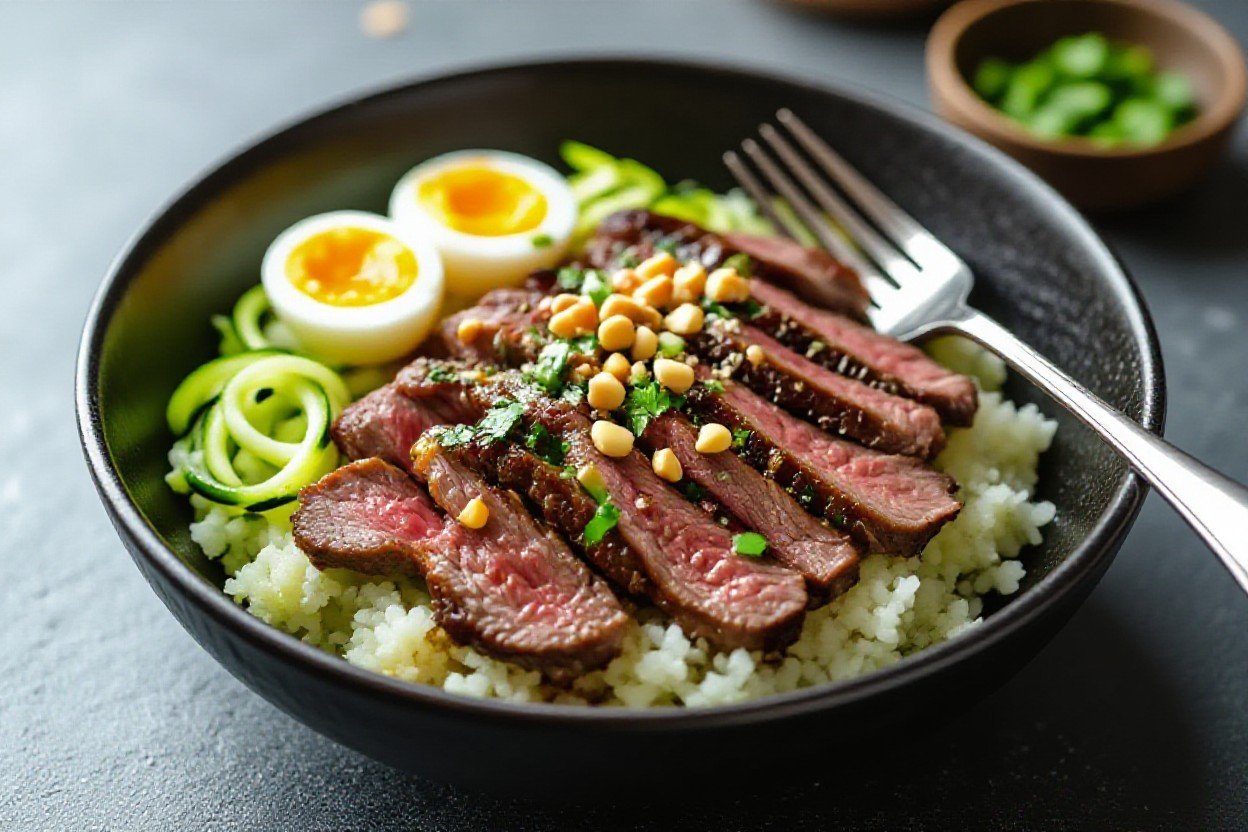
You can swap rice for cauliflower rice (100 g ≈ 3 g net carbs) or zucchini noodles (100 g ≈ 3 g net carbs) and still maintain the bowl’s volume and texture; cauliflower rice needs 5-8 minutes over medium-high heat to brown and release moisture, while zucchini noodles require only 2-3 minutes to avoid sogginess. Bok choy and spinach are excellent low-carb greens-100 g bok choy ≈ 1 g net carb and 100 g spinach ≈ 1.4 g net carbs-and both wilt quickly into the sauce, adding bulk and micronutrients without pushing carb counts up.
For a meatier, lower-carb vegetable option, mushrooms (100 g shiitake ≈ 2 g net carbs) or thinly sliced cabbage (100 g ≈ 3 g net carbs) provide umami and texture; roast mushrooms at 425°F/220°C for 12-15 minutes to concentrate flavor, or char cabbage wedges 4-6 minutes per side on high heat for caramelization. When you combine vegetables, weigh portions so the total vegetable contribution stays within your personal carb limit-mixing 100 g cauliflower rice with 50 g bok choy keeps the veg portion low in net carbs while boosting fiber and volume.
For planning, aim for 150-250 g total vegetables per serving depending on your carb allowance: that typically keeps the bowl between 6-12 g net carbs from veg while delivering 5-10 g of fiber and substantial micronutrients like vitamin C and potassium, helping you stay full and nutritionally balanced on a low-carb meal.
Tips for Success
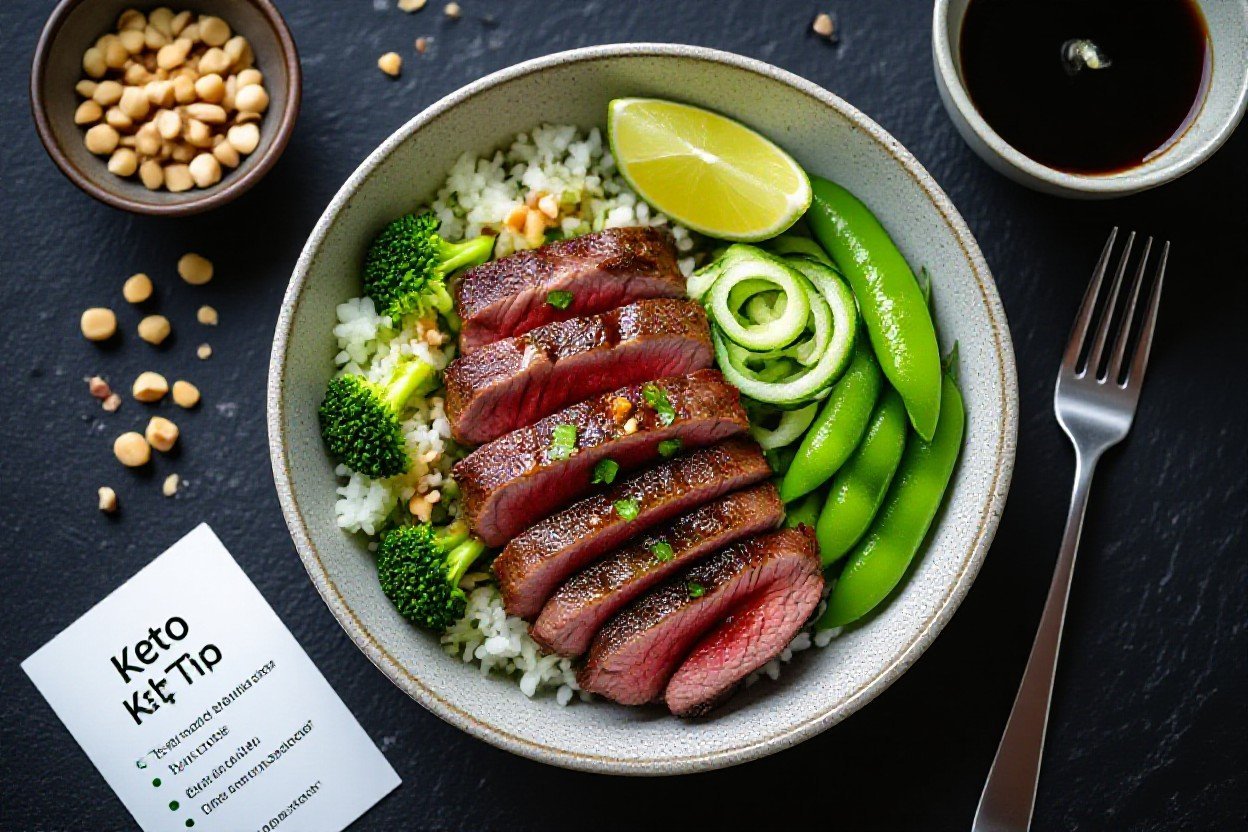
Slice beef thin (about 1/8-1/4 inch) against the grain so strands stay tender; for flank or skirt steak that means cutting perpendicular to the muscle fibers. Marinate at least 30 minutes and up to 12 hours-use 2 tbsp coconut aminos, 1 tbsp rice vinegar, 1 tsp sesame oil, 1 tsp grated ginger, and 1 clove crushed garlic per pound of beef to build umami without adding carbs. When you cook, get your cast-iron skillet smoking hot (around 400-450°F); give each slice 60-90 seconds per side for medium-rare, or sear in batches to prevent steaming.
Balance macros and flavor by measuring your sauces: 1 tbsp of erythritol equals roughly 0g net carbs but tastes sweeter than sugar, so start with 1 tsp if you’re adjusting recipes; a light splash (1/2 tsp) of fish sauce per pound amplifies savory notes without making the dish salty. If you want crisp vegetables, stir-fry broccoli or snap peas separately at high heat for 2-3 minutes and add them back at the end so they stay bright and crunchy.
- Use a mandoline or a sharp knife for consistent 1/8-1/4″ slices, which cook evenly.
- Pat beef dry before searing to maximize the Maillard reaction and color.
- Deglaze the pan with 2 tbsp water or broth before adding sauce to capture fond for richer flavor.
- Weigh portions for tracking: 4 oz cooked beef + 1 cup cauliflower rice is a reliable single-serving template.
Meal Prep and Storage
Portion the bowl into 3-4 airtight containers right after cooling; cooked beef will keep 3-4 days in the fridge and cauliflower rice about the same. Freeze full meals for up to 3 months in vacuum-sealed or heavy-duty freezer bags-thaw overnight in the fridge before reheating to preserve texture. Store sauces separately in 4-oz mason jars to avoid soggy vegetables; a little sauce added after reheating keeps the bowl fresh.
When reheating, use a microwave on medium power (about 2 minutes for a 12-oz container) or re-crisp components in a 400°F oven for 5-7 minutes. If cauliflower rice dries out, add 1-2 tbsp water and cover for 30-45 seconds to steam; this restores moisture without adding carbs. Label containers with date and meal contents; this helps you rotate stock so nothing sits past the 4-day mark.
Common Mistakes to Avoid
Slicing with the grain makes beef tough-cut across the grain in thin strips to reduce chew by up to 50%. Overcrowding the pan is another frequent error: if the skillet is more than two-thirds full, beef will steam instead of sear; cook in 2-3 batches for a deep brown crust. Using too much sweetener masks savory balance-start with half the sweetener called for and adjust, since many people find 25-50% less still satisfies the palate while lowering carbs.
Skipping the deglaze step wastes flavor; those brown bits on the pan contain concentrated beefy taste, so add 2 tbsp water or broth and scrape them up before finishing the sauce. Also, overcooking vegetables removes vitamin C and folate-stir-fry at high heat for 2-3 minutes so they stay crisp and retain nutrients. If your sauce reduces too far, dilute with 1 tbsp water at a time until the consistency is saucy rather than gluey.
Test a single strip of beef and a spoonful of sauce before serving the whole batch so you can adjust salt, acidity, or sweetness; if the sauce tastes flat, a squeeze of lime (about 1/2 a lime per 2 cups sauce) brightens it immediately, and if it tastes too salty, add 1-2 tsp of water and a pinch of erythritol to rebalance.
Thou can treat the recipe as a template-scale marinades at a 2 tbsp coconut aminos to 1 lb beef ratio and cut sweetener by at least 25% to better align with your carb goals while preserving the bowl’s signature flavor.
Final Words
Following this Keto Asian Beef Bowl approach, you can enjoy bold, savory flavors while staying within your carb goals; by focusing on high-quality beef, low-carb vegetables, and a tamari- or coconut aminos-based sauce, you simplify meal planning and control portions to meet your macros. The method scales easily for meal prep, so you can batch-cook and portion into containers to keep your week on track without sacrificing taste.
You can customize spice level, swap vegetables based on seasonal availability, and use alternative proteins like chicken or pork while keeping net carbs low; pay attention to sauce quantities and choose sugar-free options to maintain ketosis. Serve over cauliflower rice or a bed of leafy greens, garnish with scallions and sesame seeds, and store in airtight containers for up to four days to make this dish a reliable, satisfying staple in your keto rotation.
Printable Recipe Card
Want just the essential recipe details without scrolling through the article? Get our printable recipe card with just the ingredients and instructions.