Hungarian Goulash That Slaps: The Paprika-Packed Stew You’ll Crave All Winter
You want a dinner that tastes like a hug and flexes like a powerlifter? Hungarian Goulash is that bowl. Big flavors, low effort, maximum cozy.
It’s rustic peasant food that accidentally became elite. One pot, cheap ingredients, and a sauce so rich you’ll wonder why you ever paid $18 for takeout. If you’re into deep, smoky paprika vibes and beef so tender it practically apologizes, keep reading.
The Secret Behind This Recipe
Authentic goulash is built on a simple but crucial duo: good Hungarian sweet paprika and gentle, slow simmering.
The paprika isn’t optional—it’s the flavor backbone. Using stale, generic paprika? That’s how you turn a legend into a meh stew.
Fresh, high-quality Hungarian paprika gives sweetness, warmth, and that iconic brick-red color. The other secret is timing the onions. You’ll use a lot of onions, cooked low until translucent and soft, not browned.
This forms a silky base that melts into the sauce. Add spices off the heat so they bloom without burning, then let everything simmer until the beef relaxes. Goulash rewards patience like few dishes can.
What Goes Into This Recipe – Ingredients
- 2.5 pounds beef chuck, cut into 1.5-inch cubes
- 3 tablespoons lard or neutral oil (lard is traditional)
- 3 large yellow onions, finely chopped
- 4 cloves garlic, minced
- 3 tablespoons Hungarian sweet paprika (fresh and vibrant)
- 1 teaspoon hot Hungarian paprika or crushed red pepper (optional, for heat)
- 1 teaspoon caraway seeds, lightly crushed
- 2 tablespoons tomato paste
- 1 red bell pepper, diced
- 2 medium carrots, sliced into coins
- 1.5 teaspoons kosher salt (plus more to taste)
- Freshly ground black pepper, to taste
- 4 cups beef stock or water (traditionalists often use water; stock adds depth)
- 2 bay leaves
- 1-2 medium potatoes, peeled and cubed (optional, more common in soupier versions)
- 1 tablespoon apple cider vinegar or a squeeze of lemon, to finish
- Chopped parsley, for garnish
- Sour cream, for serving (optional but awesome)
How to Make It – Instructions
- Prep the beef properly. Pat the cubes dry with paper towels.
Wet beef won’t brown; it will steam. Season lightly with salt and pepper.
- Sweat the onions. Heat lard or oil in a heavy pot over medium heat. Add onions with a pinch of salt and cook 10–12 minutes until soft and glassy, not browned.
Stir often.
- Bloom the aromatics. Add garlic and cook 30 seconds. Pull the pot off the heat, then stir in sweet paprika, hot paprika (if using), and crushed caraway. This prevents the paprika from burning.
- Build the base. Return to medium heat.
Add tomato paste and stir 1–2 minutes until it darkens slightly. Toss in bell pepper and carrots; cook 2 minutes.
- Add the beef. Stir in the beef cubes to coat with the paprika-onion mix. Let them mingle for 2–3 minutes.
- Liquid + leaves. Pour in beef stock or water to just cover.
Add bay leaves. Bring to a gentle simmer.
- Low and slow. Cover partially and simmer on low for 1.5–2 hours, stirring occasionally, until the beef is fork-tender. Skim any excess fat if needed (or keep it; flavor lives there).
- Potatoes, if using. Add cubed potatoes in the last 30 minutes so they cook through but don’t disintegrate.
- Finish the flavor. When the beef is tender, taste and adjust salt.
Stir in vinegar or lemon to brighten. The sauce should be rich, slightly thick, and glossy.
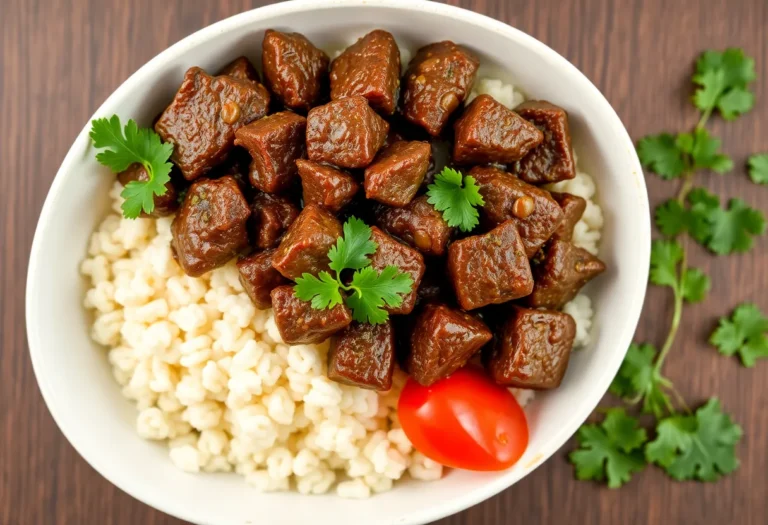
- Serve. Ladle into bowls, garnish with parsley, and add a spoon of sour cream if you like. Serve with crusty bread, buttered noodles, or nokedli/spaetzle.
Happiness unlocked.
How to Store
- Fridge: Cool completely, then store in an airtight container for up to 4 days. It tastes even better on day 2—science and magic agree.
- Freezer: Freeze in portions for up to 3 months. Thaw overnight in the fridge, then reheat gently.
- Reheat: Low heat on the stovetop with a splash of water or stock to loosen.
Avoid boiling to keep the beef tender.
Why This is Good for You
- Protein and iron: Beef provides high-quality protein and essential minerals for muscle repair and energy.
- Antioxidants: Paprika brings vitamin A and carotenoids that support vision and immunity.
- Fiber and vitamins: Onions, carrots, and peppers offer fiber, vitamin C, and phytonutrients. Your gut will send a thank-you note.
- Balanced comfort: It’s hearty without being a grease bomb, especially if you skim excess fat and go easy on sour cream.
Avoid These Mistakes
- Using old paprika. If it smells like dust, that’s what your stew will taste like. Buy fresh Hungarian paprika and store it airtight.
- Browning the onions too hard. You’re not making a French onion soup.
Keep them soft and sweet; that’s the classic texture.
- Boiling aggressively. High heat toughens beef. Gentle simmer = melt-in-your-mouth.
- Skipping the acid. A touch of vinegar or lemon at the end wakes everything up. Without it, the stew can feel heavy.
- Overloading potatoes. This isn’t mashed potato cosplay.
Add modestly so the sauce stays rich and not starchy.
Alternatives
- Meat swaps: Use pork shoulder for a slightly sweeter, faster-cooking version. Venison works beautifully for a leaner, gamey twist.
- Paprika profile: Mix sweet and hot Hungarian paprika to your heat tolerance. Smoked paprika is not traditional but can add a BBQ note—use sparingly.
- Thick vs. soupy: For a stew-like version, keep liquid just covering the beef.
For a more soup-style goulash (gulyásleves), add extra water and more potatoes.
- Gluten-free sides: Serve with potatoes or rice. If you need noodles, choose GF pasta; nobody will riot, IMO.
- Vegetarian riff: Swap beef for mushrooms (cremini + porcini) and hearty veggies like parsnips and eggplant. Use vegetable stock and keep the paprika/caraway combo.
FAQ
Is Hungarian Goulash the same as beef stew?
No.
Goulash is paprika-forward with a silky onion base and caraway, making it aromatic and slightly sweet. Beef stew leans on browning, wine, and herbs like thyme—different vibe, different comfort.
Do I have to use Hungarian paprika?
You’ll get the best flavor with Hungarian paprika. Spanish or generic paprika will work in a pinch, but you’ll miss the signature depth.
If you care about authenticity and taste, go Hungarian.
Can I make this in a slow cooker?
Yes. Sweat onions and bloom spices on the stovetop, transfer to the slow cooker with beef and liquid, and cook on low 7–8 hours. Finish with acid at the end.
Lazy-day win.
What cut of beef is best?
Chuck is ideal—well-marbled and forgiving. Avoid super-lean cuts; they go dry and chewy. Collagen is your friend here because it turns into silky gelatin as it cooks.
How spicy is it?
Traditional goulash isn’t very spicy.
It’s warm and aromatic. Add a bit of hot paprika or chili flakes if you want kick, but keep the sweet paprika as the star.
Can I add sour cream directly to the pot?
Better to dollop on individual bowls. If you want it mixed in, temper it: whisk some hot liquid into the sour cream first, then stir back in off heat to prevent curdling.
What should I serve with it?
Crusty bread, buttered egg noodles, nokedli/spaetzle, or boiled potatoes.
A simple cucumber salad with dill and vinegar on the side is an elite pairing, FYI.
Final Thoughts
Hungarian Goulash is proof that simple ingredients plus patience equals knockout flavor. Nail the onions, use real-deal paprika, and keep the simmer gentle. You’ll end up with a bowl that’s bold, comforting, and low-key addictive.
Make extra—future you will absolutely high-five present you when that leftover container winks from the fridge.
Printable Recipe Card
Want just the essential recipe details without scrolling through the article? Get our printable recipe card with just the ingredients and instructions.