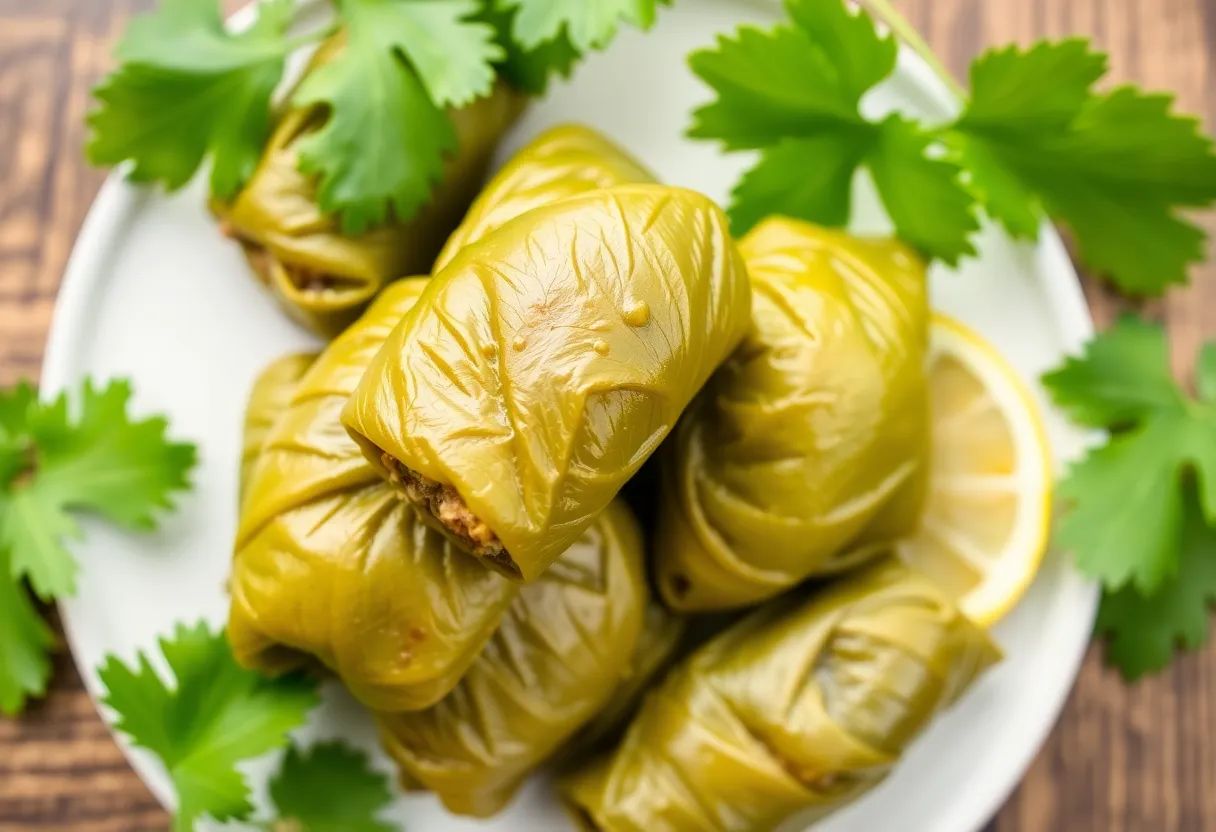
Grape leaves stuffed with a savory mixture
You’ve been scrolling through food videos for an hour. Your stomach is growling. You want something that looks impressive, tastes incredible, and makes you feel like a culinary genius.
Forget the complicated stuff. Stuffed grape leaves are your secret weapon.
This isn’t just another recipe. It’s a power move.
It’s the dish that makes people’s eyes go wide. They’re perfectly portable, surprisingly healthy, and pack a flavor punch that’s been winning for centuries. Ready to level up your kitchen game?
What Makes This Recipe So Good
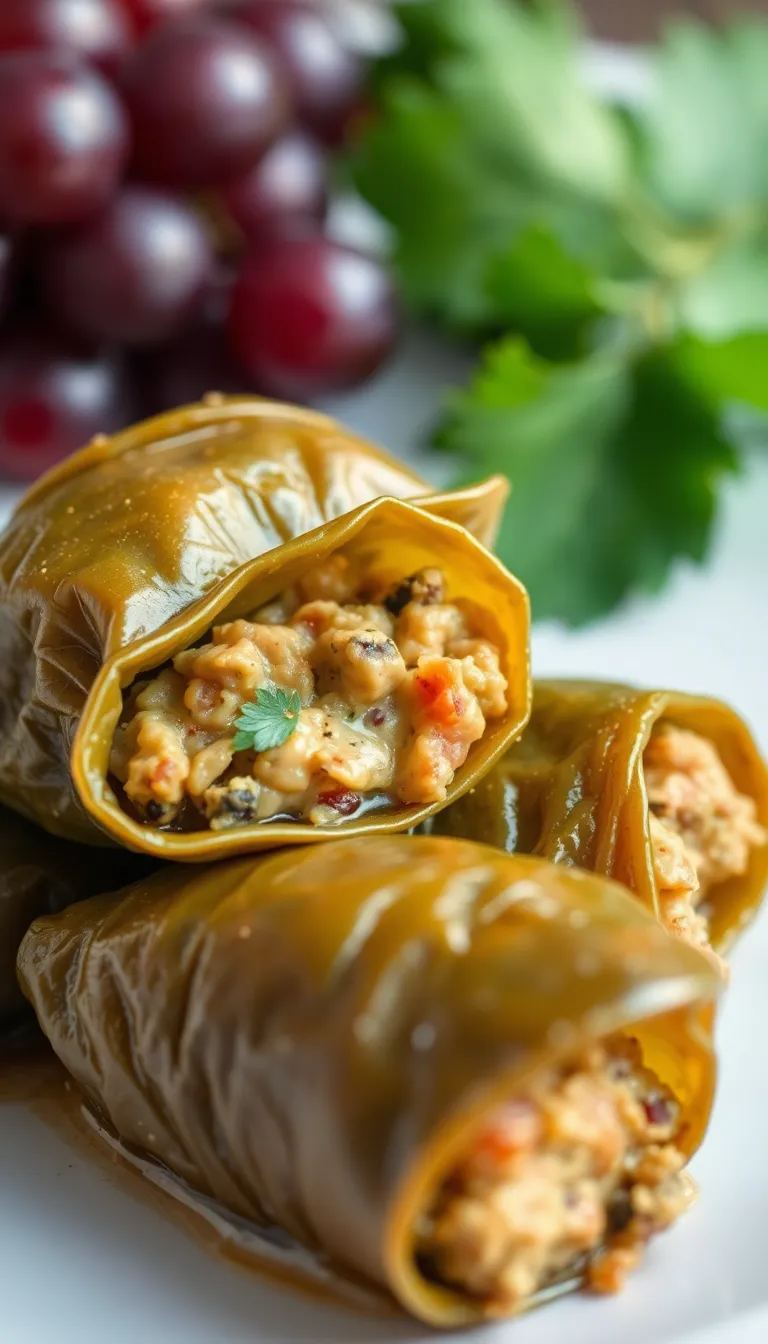
This recipe is a masterclass in flavor layering.
The tangy grape leaf, the savory rice filling, the bright lemon, and the earthy herbs create a symphony in your mouth. Each bite is a perfect balance of texture and taste.
It’s also deceptively simple. You don’t need fancy equipment or a culinary degree.
With a little patience, you can create a dish that looks and tastes like it came from a professional kitchen. Who doesn’t love that kind of ROI?
Best of all, it’s a complete meal. Protein, carbs, and veggies are all rolled into one neat, delicious package.
It’s the ultimate all-in-one solution for a satisfying lunch or dinner.
Ingredients
Gather these components for your culinary triumph. Pro tip: using a high-quality olive oil is non-negotiable here.
- 1 jar (16 oz) grape leaves, rinsed and drained
- 1 cup uncooked long-grain white rice
- 1 lb ground lamb or beef (or use 1.5 cups lentils for a vegetarian option)
- 1 large yellow onion, finely diced
- 1/4 cup fresh parsley, chopped
- 1/4 cup fresh dill, chopped
- 1/4 cup fresh mint, chopped
- 1/3 cup olive oil, plus more for drizzling
- 1/4 cup lemon juice (about 2 lemons)
- 2 cups chicken or vegetable broth
- 1 tbsp tomato paste
- 1 tsp allspice
- Salt and black pepper to taste
Step-by-Step Instructions
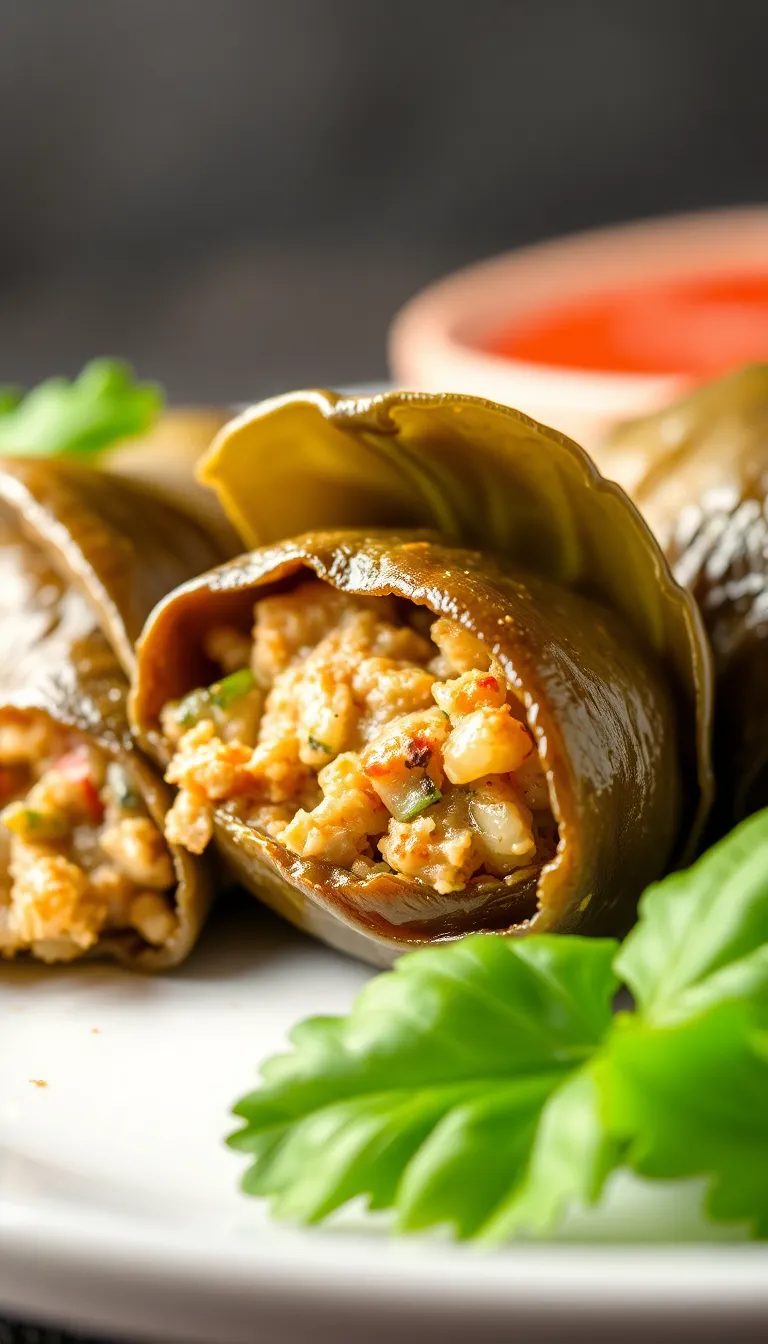
- Prep the leaves. Carefully separate the grape leaves and rinse them under cold water to remove the brine. Pat them dry with a towel.
Snip off any long stems.
- Make the filling. In a large bowl, combine the uncooked rice, ground meat (or lentils), onion, herbs, half the olive oil, tomato paste, allspice, salt, and pepper. Mix it with your hands—it’s the best tool you have.
- Start rolling. Lay a leaf vein-side up on a cutting board. Place about a teaspoon of filling near the stem end.
Fold the bottom over the filling, then fold in the sides, and roll it up tightly like a tiny burrito. Don’t overstuff it, or it will burst—a common rookie error.
- Layer the pot. Line the bottom of a heavy pot with a few torn or leftover grape leaves. This prevents burning.
Neatly arrange your rolls seam-side down in concentric circles, packing them tightly so they don’t unravel.
- Cook them. Whisk the lemon juice and broth together and pour over the rolls. Place an inverted plate on top to keep them submerged. Bring to a boil, then reduce heat to low, cover, and simmer for 50-60 minutes until the rice is cooked and the liquid is absorbed.
- Serve. Let them cool slightly before removing them from the pot.
Drizzle with the remaining olive oil and an extra squeeze of lemon. Serve warm or at room temperature. Prepare for compliments.
Storage Instructions
Let the stuffed grape leaves cool completely to room temperature.
Do not leave them out for more than two hours.
Transfer them to an airtight container. They will keep in the refrigerator for up to 5 days. The flavors actually improve after a day or two.
For long-term storage, they freeze beautifully.
Arrange them in a single layer on a baking sheet to freeze solid, then transfer to a freezer bag. They will keep for up to 3 months. Thaw in the fridge overnight.
Benefits of the Recipe
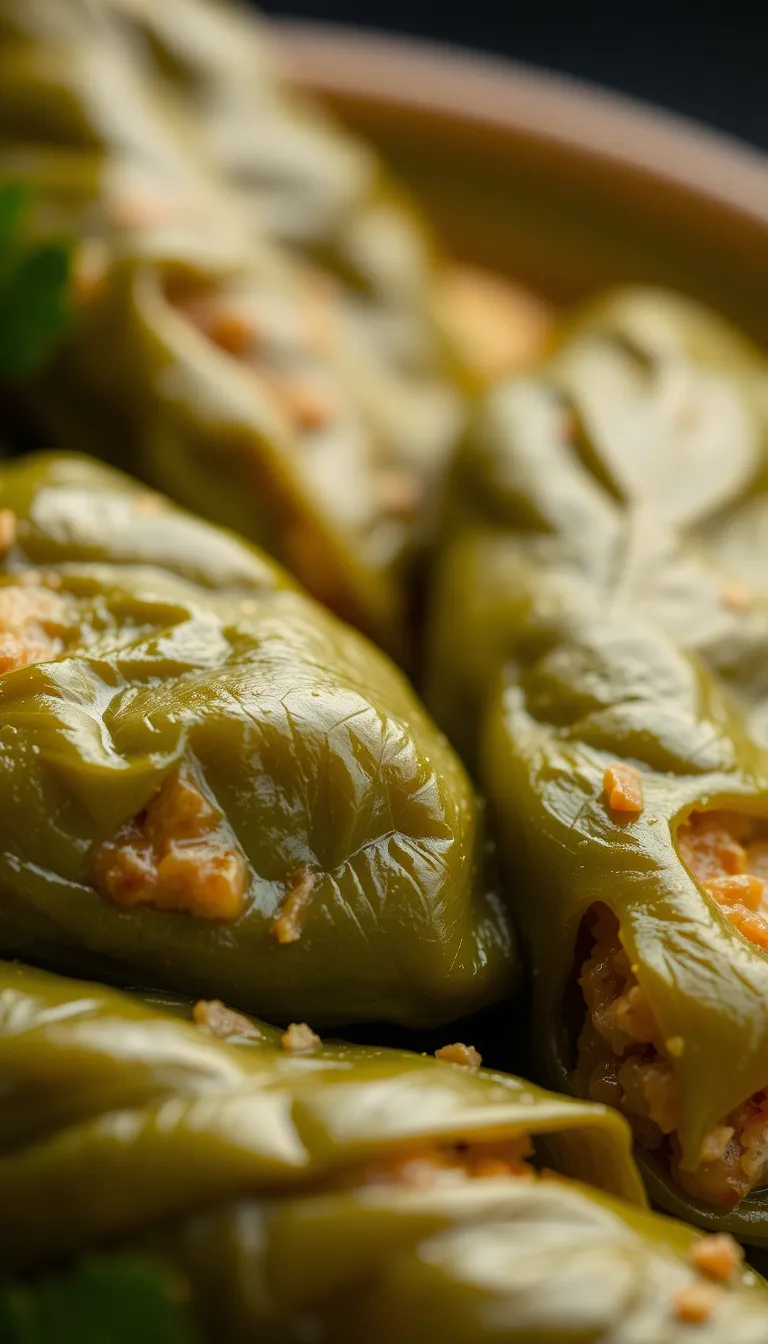
These little flavor bombs are packed with nutrition.
Grape leaves are a great source of vitamins A, C, and K, plus fiber. The olive oil provides healthy fats, and the herbs are loaded with antioxidants.
They are perfect for meal prep. Make a big batch on Sunday, and you have a grab-and-go lunch for the entire week.
They are satisfying, portable, and won’t get soggy.
They are also incredibly versatile. Serve them as an appetizer, a side dish, or the main event. They are always the first thing to disappear at a potluck.
IMO, they’re a superfood that doesn’t taste like one.
Common Mistakes to Avoid
Overstuffing the leaves. This is the number one mistake. Too much filling and the leaf will tear during rolling or the rice will burst out during cooking. A teaspoon is usually perfect.
Not packing them tightly in the pot. If the rolls are loose, they will unravel while cooking.
Pack them in like sardines; they need the support.
Using old, brittle jarred leaves. Some jars contain leaves that are too tough or torn. Try to find a reputable brand, and handle them gently when rinsing and separating.
Skipping the plate. That inverted plate is not a suggestion. It keeps the rolls weighted down so they cook evenly and don’t float around and come undone.
Alternatives
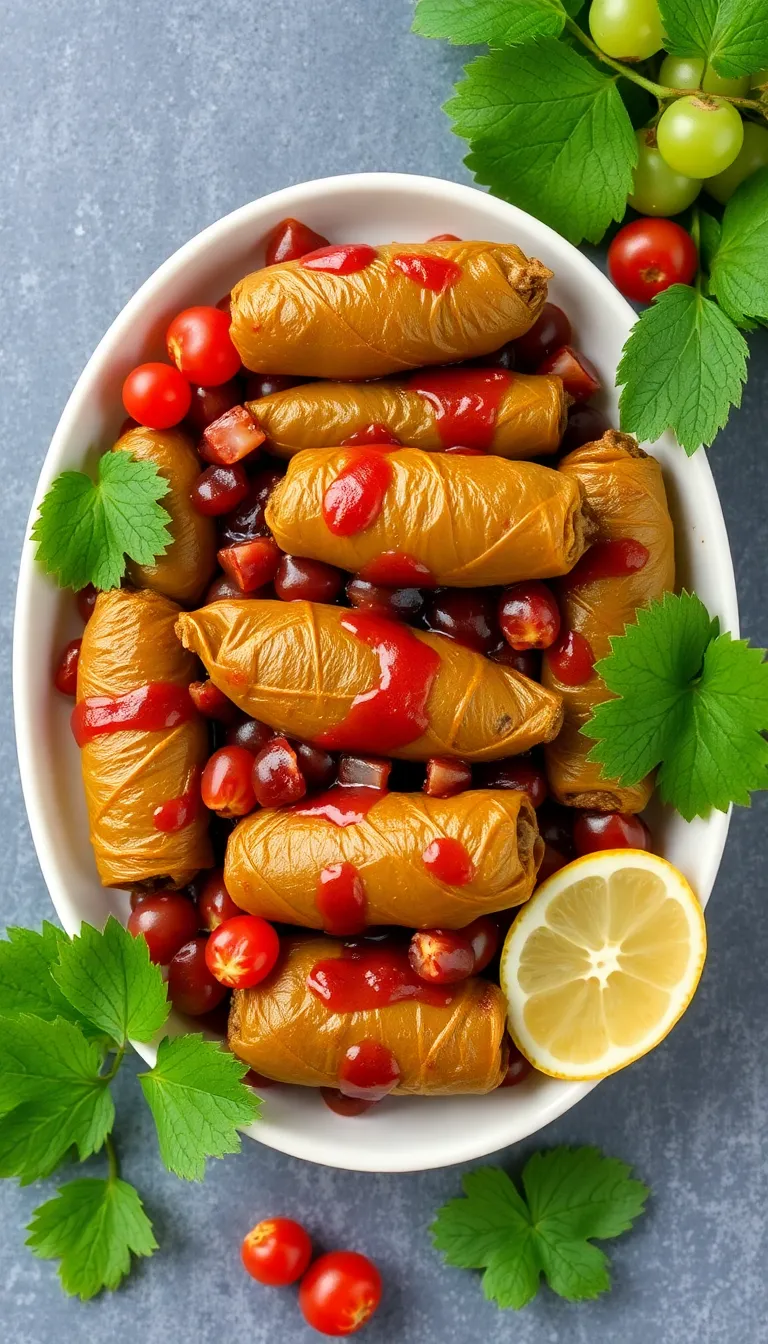
No grape leaves?
No problem. You can use large Swiss chard or collard green leaves. Blanch them in boiling water for a minute to soften them first.
For a grain-free version, swap the rice for cauliflower rice.
Sauté it first to remove moisture. FYI, the texture will be different but still delicious.
Not a fan of lamb? Use ground turkey, chicken, or a plant-based ground meat alternative.
The spice profile works with almost any protein.
Want to make it vegan? Use cooked lentils or crumbled firm tofu instead of meat and vegetable broth. The result is just as hearty and flavorful.
FAQ
Can I use canned grape leaves?
You absolutely can.
Jarred grape leaves are the most common and accessible option. Just be sure to rinse them thoroughly to wash away the salty brine. The canned version is typically what you’ll find in most supermarkets.
Why are my stuffed grape leaves tough?
This usually happens if you didn’t simmer them long enough or if you didn’t use enough liquid.
The rice needs time and moisture to soften properly. Also, older leaves from the jar can be tougher, so cooking them low and slow is key.
Can I make these ahead of time?
Yes, and you should! Stuffed grape leaves are arguably better the next day.
The flavors have more time to meld together. Make them a day in advance, store them in the fridge, and simply bring them to room temperature before serving.
Do you eat stuffed grape leaves hot or cold?
You can enjoy them either way! They are traditionally served at room temperature or slightly chilled in many Mediterranean countries.
However, serving them warm right after cooking is also completely acceptable and delicious.
Final Thoughts
Stuffed grape leaves are more than food; they’re an experience. They require a bit of effort, but the payoff is massive. You get a dish that impresses everyone, fuels your body, and teaches you a valuable kitchen skill.
This isn’t a trend.
It’s a timeless classic for a reason. So, roll up your sleeves—literally—and give it a shot. Your future self, enjoying a delicious homemade lunch, will thank you.
Printable Recipe Card
Want just the essential recipe details without scrolling through the article? Get our printable recipe card with just the ingredients and instructions.