Ginger-Sesame Soy Dressing That Turns Boring Salads Into “Wait, What Is THIS?”
You don’t need another dusty bottle of dressing from the back shelf. You need a flavor bomb that makes vegetables taste like a cheat code. This Ginger-Sesame Soy Dressing is salty-sweet, tangy, nutty, and loud in all the right ways—like your favorite hype song but edible.
It takes five minutes, no fancy tools, and it wins every time: drizzled, dipped, or marinated. Make it once and you’ll start side-eyeing every restaurant salad, because now you know better.
What Makes This Recipe So Good
- Balanced flavor profile: Fresh ginger brings heat and brightness, toasted sesame adds nuttiness, soy sauce brings umami, and rice vinegar cuts clean through. Nothing muddies; everything snaps.
- Ridiculously versatile: Dressing, marinade, noodle sauce, dumpling dip—pick a lane or don’t.
It handles all of them.
- Meal-prep friendly: Whisks together in minutes and keeps for days, which means weekday you gets weekend-level flavor.
- Customizable: Sweeten it, spice it, citrus it up. It’s a framework, not a fence.
- Better-than-takeout vibes: Big flavor without mystery ingredients or a delivery fee.
Ingredients Breakdown
- Soy sauce: The umami backbone. Use low-sodium if you’re salt-sensitive.
- Rice vinegar: Light, clean acidity.
Unseasoned is best to control sweetness.
- Toasted sesame oil: Deep, nutty aroma. A little goes a long way.
- Fresh ginger, finely grated: Zingy heat and perfume. Fresh is non-negotiable here.
- Garlic, minced: Sharp, savory punch.
Don’t overdo it or it hijacks the dressing.
- Honey or maple syrup: Balances acidity and salt. Sugar works too, but dissolve it well.
- Lime juice (optional): Adds brightness and a touch of complexity beyond vinegar.
- Neutral oil (optional): Avocado or grapeseed helps emulsify for a silkier texture.
- Sesame seeds: Texture and toasted crunch. White, black, or mixed.
- Red pepper flakes or chili oil (optional): For heat.
Chili crisp if you’re feeling extra.
- Scallions, thinly sliced (optional): Fresh herbal note and color.
- Water: To thin to desired consistency without altering flavor too much.
How to Make It – Instructions
- Prep your aromatics: Grate the ginger finely and mince the garlic. The finer the cut, the smoother the dressing.
- Whisk the base: In a bowl, combine soy sauce and rice vinegar. Add honey (or maple) and whisk until fully dissolved.
- Add the flavor drivers: Stir in toasted sesame oil, ginger, garlic, and lime juice if using.
Keep whisking until cohesive.
- Adjust texture: If you want a thicker, clingy dressing, whisk in a tablespoon or two of neutral oil. For a lighter drizzle, add a splash of water.
- Turn up the heat (optional): Sprinkle in red pepper flakes or a teaspoon of chili oil. Taste as you go—no heroics necessary.
- Finish with crunch: Fold in sesame seeds and sliced scallions.
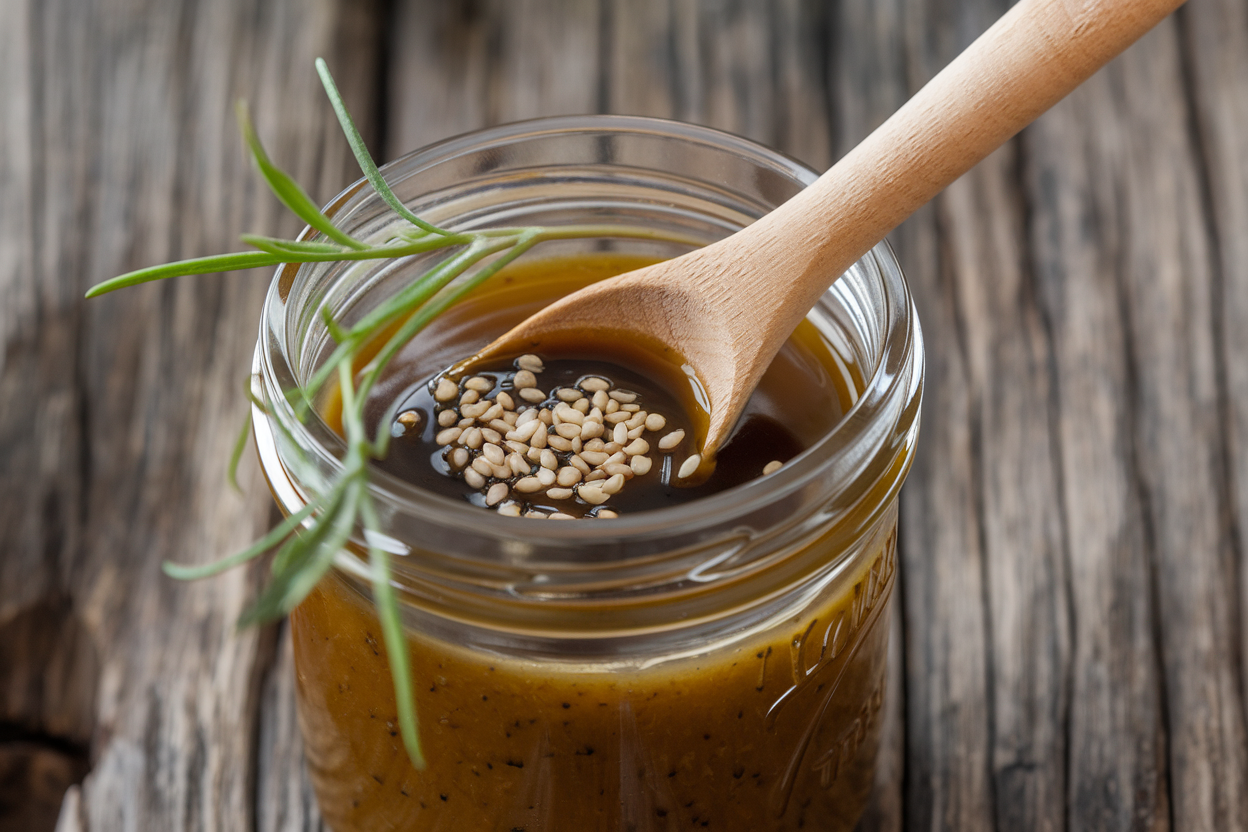
They’ll float to the top like confetti, which is the vibe.
- Taste and calibrate: Need more acidity? Add a touch of vinegar. Too salty?
A bit more honey or water. Not enough punch? More ginger.
- Let it sit: Rest 5–10 minutes.
The flavors mingle, the ginger blooms, and everything gets more delicious.
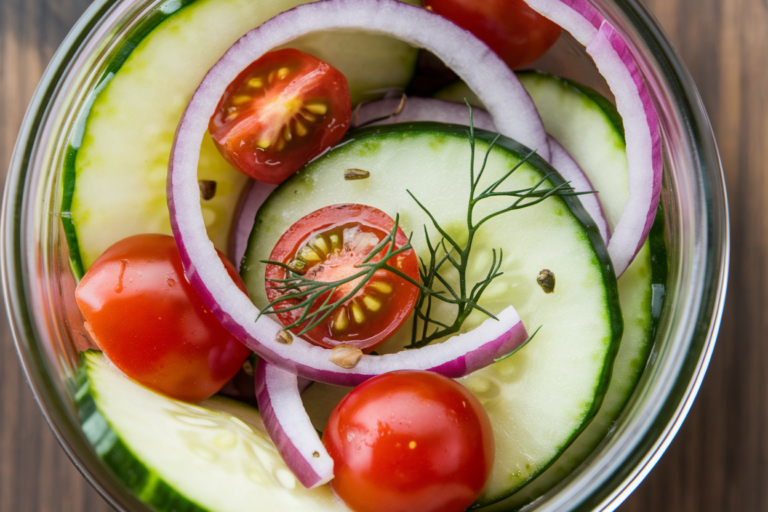
- Serve smart: Toss with greens, spoon over rice bowls, glaze grilled salmon, drizzle on cucumbers, or dip dumplings. It doesn’t miss.
Storage Tips
- Refrigeration: Store in a sealed jar up to 6–7 days. Shake before using; separation is normal.
- Flavor improves: Day 2 is peak harmony.
Ginger and garlic mellow while sesame blooms.
- Freezing: Not recommended. Fresh ginger and sesame oil lose their edge and texture shifts.
- Food safety: Always use clean utensils and keep chilled. If it smells off or turns cloudy beyond normal separation, toss it.
What’s Great About This
- Time-efficient: Faster than preheating an oven.
Honestly, faster than scrolling to find another recipe.
- Budget-friendly: Pantry staples doing heavy lifting. No overpriced “special sauce” needed.
- Nutrition-friendly: Big flavor means you’ll actually crave vegetables. Wild concept, right?
- Works across cuisines: Asian-inspired at heart, but it plays nice with roasted carrots, quinoa bowls, even grilled steak.
Pitfalls to Watch Out For
- Using un-toasted sesame oil: Toasted is non-negotiable for that deep, nutty aroma.
Check the label.
- Overdoing the garlic: Raw garlic is spicy. Start small; you can always add more. Your coworkers will thank you.
- Skipping the sweetener: This isn’t dessert, but a hint of sweetness balances the salt and acid.
Don’t omit entirely unless you like harsh edges.
- Not tasting as you go: Soy sauces vary. Adjust salt, acid, and sweet to your brand and your palate.
- Watery greens: If dressing a salad, dry your greens well. Water dilutes flavor and ruins the cling.
Alternatives
- Gluten-free swap: Use tamari or coconut aminos instead of regular soy sauce.
Tamari keeps the umami; aminos trend sweeter.
- Sugar-free option: Use a few drops of liquid monk fruit or stevia. Add gradually to avoid aftertaste.
- Citrus twist: Sub half the vinegar with fresh orange or yuzu juice for a brighter, fruit-forward version.
- Nutty upgrade: Whisk in a teaspoon of tahini or peanut butter for body and creaminess—great for noodle salads.
- Extra heat: Gochujang or sambal oelek adds thickness and a savory burn. Start with 1 teaspoon.
- Allium-free: Skip garlic and scallions; lean on ginger, sesame, and a touch more vinegar for lift.
FAQ
Can I use ground ginger instead of fresh?
Fresh ginger is strongly preferred for brightness and heat.
If you must, use 1/4 to 1/2 teaspoon ground ginger and know it’ll taste flatter. A tiny splash of lime can help wake it up.
Is there a low-sodium version?
Yes. Use low-sodium soy sauce and bump up rice vinegar and water slightly.
Taste and add a little sweetener to keep it balanced.
How do I make it thicker for dipping?
Whisk in 1–2 tablespoons neutral oil or 1 teaspoon tahini/peanut butter. You can also reduce the water and add a pinch of xanthan gum if you’re fancy, but IMO, oil or tahini is perfect.
Can I use this as a marinade?
Absolutely. It’s excellent on chicken, tofu, salmon, or mushrooms.
Marinate 20–30 minutes for fish/tofu, up to 2 hours for chicken—then cook and brush with fresh dressing to finish.
What if I don’t have rice vinegar?
Use apple cider vinegar or white wine vinegar in a pinch. Start with a little less, since they’re sharper, and adjust with a touch more sweetener.
Why did my dressing taste bitter?
Likely from burnt sesame oil or old oil. Also, over-minced garlic can get harsh.
Use fresh toasted sesame oil and don’t let garlic sit exposed to air too long before mixing.
Can I blend it instead of whisking?
Yes, but blend briefly. Over-blending can make ginger and garlic taste hot and raw. A few short pulses are plenty.
Is it vegan?
Use maple syrup or sugar instead of honey and you’re good.
Everything else is plant-based.
Wrapping Up
This Ginger-Sesame Soy Dressing is the five-minute upgrade that makes everything taste intentional. It’s bold, flexible, and built to live in your fridge on repeat. Keep the base formula, tweak to your vibe, and watch your “just a salad” turn into a craveable meal.
FYI: once you start putting it on grain bowls, cucumbers, and crispy tofu, you’ll wonder how you ever ate in grayscale.
Printable Recipe Card
Want just the essential recipe details without scrolling through the article? Get our printable recipe card with just the ingredients and instructions.