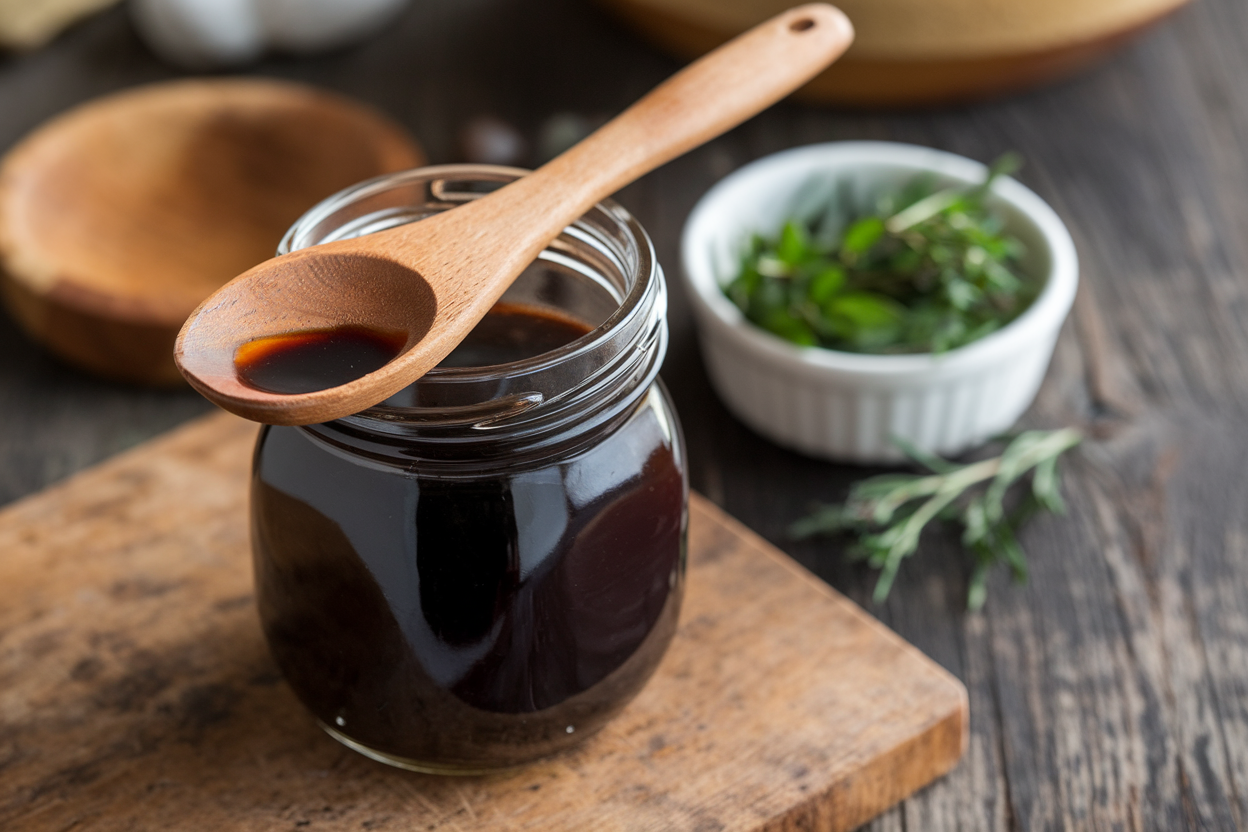
Classic Balsamic Vinaigrette That Makes Sad Salads Irresistible (And Takes 5 Minutes)
You don’t need a chef’s coat to make salads taste like a million bucks—you just need a ruthless little bottle of flavor. Classic Balsamic Vinaigrette is the kind of sauce that turns basic greens into an actual craving. It’s sharp, silky, and quietly flexes on store-bought dressings with real ingredients and zero weird aftertaste.
Make it once, and you’ll want it on everything: salads, grilled chicken, roasted veggies, even that mozzarella you swore you’d save for pizza night. Ready to upgrade your food with a tiny, delicious habit that costs pennies?
Why This Recipe Works
Balanced acidity and fat: The 3:1 ratio of oil to vinegar creates a velvety dressing that’s tangy without burning your taste buds.
Emulsifiers for cling: Dijon mustard and a touch of honey help the vinaigrette emulsify, so it hugs your greens instead of puddling at the bottom of the bowl.
Layered flavor: Garlic, black pepper, and balsamic’s natural sweetness build complexity fast—no fancy techniques required.
Flexible by design: The base is classic, but you can tweak it for different cuisines in seconds (hello, Italian, French, or Mediterranean vibes).
Ingredients Breakdown
- Extra-virgin olive oil (1/2 cup): Use good, fresh EVOO for a clean, peppery finish. It’s the backbone of the dressing.
- Balsamic vinegar (3 tablespoons): Choose a decent mid-range balsamic—syrupy, not watery.
Avoid super cheap, overly acidic versions.
- Dijon mustard (1 teaspoon): Helps emulsify and adds gentle heat.
- Honey or maple syrup (1–2 teaspoons): Balances acidity. Start with 1 teaspoon; adjust to taste. Skip if your balsamic is naturally sweet.
- Garlic (1 small clove, finely minced or grated): Brings punch.
Use roasted garlic for a mellower vibe.
- Kosher salt (1/2 teaspoon): Enhances flavor without harshness. Adjust to taste.
- Freshly ground black pepper (1/4 teaspoon): Adds warmth and bite. Freshly ground matters—FYI, pre-ground is sleepy.
- Optional add-ins: A squeeze of lemon (1 teaspoon) for brightness, a splash of water (1–2 teaspoons) for a lighter texture, or a pinch of red pepper flakes for heat.
Step-by-Step Instructions
- Prep your tools: Grab a small bowl and whisk, or a jar with a tight lid.
Jars make shaking and storing easier—less cleanup, more winning.
- Build the base: Add balsamic vinegar, Dijon mustard, honey, garlic, salt, and pepper to the bowl or jar. This lets the flavorings dissolve evenly before the oil joins the party.
- Whisk or shake to dissolve: Combine until smooth. You want the salt and mustard fully mixed so the dressing emulsifies like a pro.
- Stream in the oil: While whisking, slowly drizzle in the olive oil to form a stable emulsion.
Using a jar? Add the oil, seal, and shake vigorously for 20–30 seconds.
- Taste and tune: If it’s too sharp, add a touch more honey or water. If it’s too flat, add a pinch of salt or a splash more vinegar.
- Let it rest (1–2 minutes): Flavors meld fast.
Stir again before serving for peak silkiness.
- Serve smart: Dress greens lightly and toss with your hands so every leaf gets glossy without drowning. Start with 1–2 tablespoons per large salad.
Storage Tips
- Refrigerate in a sealed jar for up to 1 week. The garlic flavor grows over time—in a good way.
- Oil may solidify in the fridge.
Let it sit at room temperature for 10–15 minutes, then shake. A quick warm-water bath around the jar also works.
- Shake before each use to re-emulsify. Separation is normal; drama is not.
- For longer storage, skip fresh garlic and use 1/4 teaspoon garlic powder to reduce microbial risk.
Benefits of This Recipe
- Healthier than store-bought: No seed oils, gums, or stabilizers—just real ingredients you recognize.
- Budget-friendly: Costs a fraction of premium bottled dressings and tastes better, IMO.
- Versatile: Works as a salad dressing, marinade, or finishing sauce for roasted veg, steak, or grain bowls.
- Customizable macro profile: Adjust sweetness, acidity, or oil content to match your nutrition goals.
- Fast: Under five minutes, zero cooking, infinite payoff.
Common Mistakes to Avoid
- Using low-quality oil: Old or bitter oil will ruin the dressing.
Smell and taste your EVOO first.
- Skipping emulsifiers: Without Dijon or honey, the dressing separates faster and slides off greens like Teflon.
- Over-garlicking: Raw garlic gets stronger over time. Start small, especially if you’re storing it.
- Wrong ratios: Too much vinegar equals harshness. Stick close to 3:1 oil-to-vinegar, then tweak.
- Drowning the salad: You’re dressing leaves, not conducting a swimming lesson.
Add gradually and toss well.
Recipe Variations
- Italian Herb Vibe: Add 1 teaspoon dried Italian seasoning, 1 tablespoon grated Parmesan, and a pinch of red pepper flakes.
- Raspberry Balsamic: Swap honey for 1 tablespoon raspberry preserves; fantastic on spinach, goat cheese, and walnuts.
- Lemon-Balsamic Hybrid: Replace 1 tablespoon balsamic with fresh lemon juice for brighter acidity.
- Maple-Tahini Twist: Add 1 tablespoon tahini and use maple syrup for a creamy, nutty finish—great on roasted squash or grain bowls.
- Shallot Upgrade: Stir in 1 tablespoon minced shallot for a gentle, restaurant-style bite.
- Smoky Version: Add 1/4 teaspoon smoked paprika and a dash of Worcestershire for savory depth.
FAQ
Can I make this without mustard?
Yes. The dressing will separate more quickly, but you can compensate with extra honey (for stickiness) or a teaspoon of mayo or tahini to help emulsify. Just shake before serving.
What’s the best balsamic to use?
Look for a mid-price bottle labeled Aceto Balsamico di Modena IGP with a slightly syrupy texture.
You don’t need a $50 aged bottle for dressing, but avoid ultra-thin, harsh vinegars.
How do I make it lower in calories?
Whisk in 1–2 tablespoons water or lemon juice to lighten the texture and reduce oil per serving. You’ll keep flavor while trimming calories—sneaky and effective.
Is this good as a marinade?
Absolutely. Use it on chicken, flank steak, or portobello mushrooms.
Marinate for 30 minutes (poultry) to 2 hours (beef), then pat dry before cooking for better browning.
Can I use a different oil?
Yes. For a milder flavor, use light olive oil or avocado oil. Avoid strongly flavored or old oils—they’ll dominate the dressing.
How do I prevent the garlic from overpowering?
Use a small clove, microplane it finely, and let the dressing rest briefly.
For super mild garlic, swap in roasted garlic or use 1/4 teaspoon garlic powder.
What greens pair best with balsamic vinaigrette?
Arugula, spinach, spring mix, or romaine all shine. For heartier salads, toss with kale, farro, toasted nuts, and roasted veggies—the vinaigrette stands up to big flavors.
Wrapping Up
Classic Balsamic Vinaigrette is proof that small tweaks change everything. With a few pantry staples and two minutes of effort, you can make food taste brighter, richer, and way more intentional.
Keep a jar in the fridge, tweak it to match your menu, and watch “just a salad” turn into your favorite part of the meal. Simple, bold, and repeatable—that’s the win.
Printable Recipe Card
Want just the essential recipe details without scrolling through the article? Get our printable recipe card with just the ingredients and instructions.