Chicken Lollipops
Most food enthusiasts recognize chicken lollipops as one of the most popular Indo-Chinese appetizers you’ll find at restaurants and parties. You create these flavorful treats by frenching chicken wingettes, pushing the meat down to form a lollipop shape that’s both visually appealing and easy to eat. Your chicken lollipops feature a crispy, spiced coating with a juicy interior, making them perfect for your gatherings or as a restaurant-style snack at home. Whether you prefer them with a dry rub or tossed in sauce, you’ll discover they’re surprisingly simple to prepare in your own kitchen.
Key Takeaways:
- Chicken lollipops are made from chicken wingettes or drumettes, where the meat is pushed down to one end of the bone to create a lollipop-like appearance
- This popular Indo-Chinese appetizer is typically marinated in spices, coated in batter, deep-fried until crispy, and served with sweet or spicy sauces
- The dish offers an appealing presentation that makes it easy to eat as finger food at parties and gatherings
What are Chicken Lollipops?
Definition
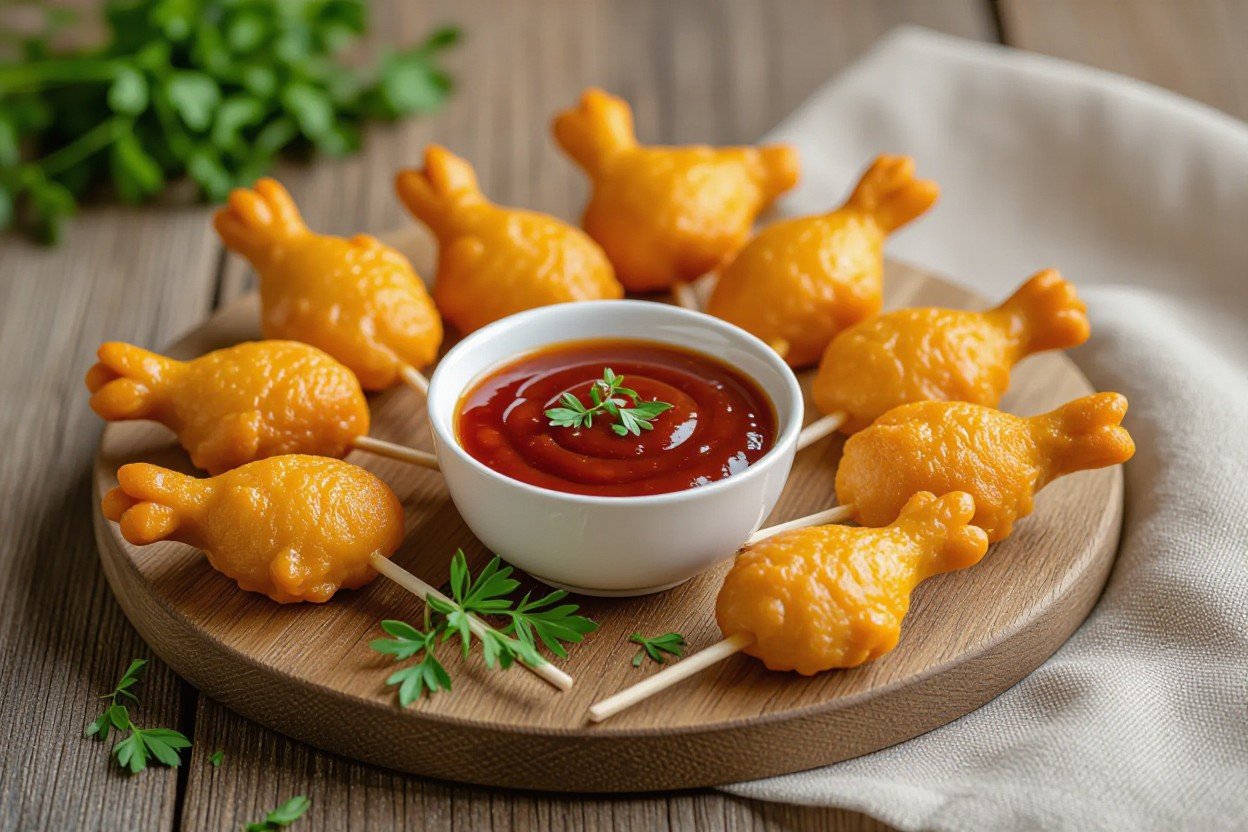
Chicken lollipops are appetizers made from chicken wingettes or drumettes that have been frenched—a technique where the meat is pushed down to one end of the bone, creating a handle-like appearance similar to a lollipop. You’ll find this popular Indo-Chinese dish features a single exposed bone with a rounded ball of marinated, seasoned meat at the top. The presentation transforms an ordinary chicken wing into an elegant finger food that’s both visually appealing and easy to eat at parties or gatherings.
The dish originated in the 1970s when Chinese restaurants in India began adapting traditional recipes to suit local tastes. You’re vitally getting a chicken wing that’s been restructured for maximum convenience—the meat stays juicy and flavorful while the exposed bone serves as a built-in handle. Most restaurants and home cooks prepare them using the middle section of the wing (wingette) rather than the drumette, though both cuts work equally well depending on your preference for meat-to-bone ratio.
Cooking Techniques
Deep frying remains the most popular method for achieving that signature crispy exterior that defines authentic chicken lollipops. You’ll need to heat your oil to 350-375°F and fry the marinated pieces for 8-10 minutes until they reach a golden-brown color and an internal temperature of 165°F. The double-frying technique—where you fry once at a lower temperature, let them rest, then fry again at higher heat—creates an exceptionally crunchy coating that stays crisp even after tossing in sauce.
Air frying has emerged as a healthier alternative that still delivers impressive results. You’ll want to preheat your air fryer to 380°F and cook the lollipops for 12-15 minutes, flipping them halfway through. Baking works well too, requiring a 425°F oven and approximately 25-30 minutes of cooking time, though you’ll need to broil them for the final 2-3 minutes to achieve that desirable crispy finish.
Your choice of cooking method directly impacts the final texture and flavor profile. Deep-fried lollipops absorb more of the marinade flavors and develop a richer taste, while air-fried versions offer a lighter bite with less oil content—typically reducing fat by 70-80% compared to traditional frying. Baked chicken lollipops tend to have a firmer texture and work better when you’re preparing large batches for parties, since you can cook 20-24 pieces simultaneously on a single baking sheet.
Ingredients Required
You’ll need just a handful of ingredients to create restaurant-quality chicken lollipops at home. The beauty of this dish lies in its simplicity – the main components focus on quality chicken pieces and a well-balanced marinade that infuses flavor while tenderizing the meat. Most ingredients are pantry staples you likely already have, making this an accessible recipe for weeknight dinners or special occasions.
Getting the proportions right makes all the difference between mediocre and exceptional results. For every pound of chicken, you’ll want approximately 2-3 tablespoons of marinade base, along with your chosen seasonings. This ratio ensures each piece gets thoroughly coated without becoming soggy or losing its crispy texture during cooking.
Chicken Parts
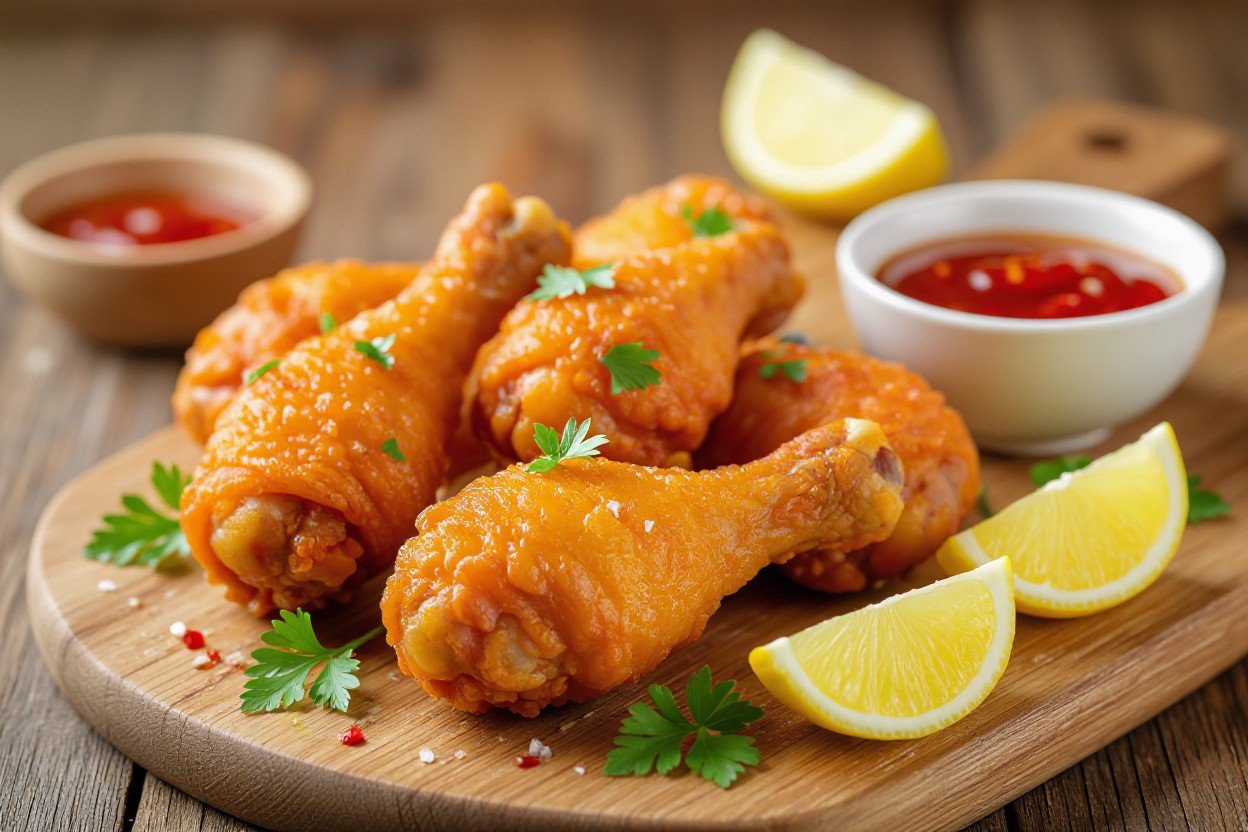
Chicken drumettes work best for authentic lollipops, though wingettes serve as an excellent alternative. You’ll want to source fresh, medium-sized pieces rather than extra-large ones – pieces weighing between 2-3 ounces each provide the ideal meat-to-bone ratio. Fresh chicken yields better results than frozen, as the texture remains firmer during the meat-pushing process. Plan on 4-5 lollipops per person for appetizer portions, or 6-8 pieces as a main course serving.
Look for chicken with pinkish flesh and avoid any pieces with gray discoloration or strong odors. The skin should appear smooth and slightly moist, not slimy or dry. Many butchers will sell drumettes separately, which saves you the time of breaking down whole wings. If you’re buying whole wings, you’ll get approximately 12 drumettes from a 2-pound package.
Marinades and Seasonings
Your marinade base should combine an acid component with oil and aromatics. Yogurt works exceptionally well as it contains lactic acid that tenderizes the meat while creating a coating that crisps beautifully when fried. Mix 1 cup of plain yogurt with 2 tablespoons of ginger-garlic paste, 1 tablespoon of lemon juice, and 2 tablespoons of oil for every pound of chicken. This combination penetrates the meat within 30 minutes, though marinating for 2-4 hours develops deeper flavor.
The seasoning blend typically includes red chili powder (1-2 teaspoons depending on heat preference), turmeric (½ teaspoon), garam masala (1 teaspoon), and salt to taste. Kashmiri chili powder gives you vibrant color without excessive heat, while regular cayenne pepper delivers more intensity. Black pepper, cumin powder, and coriander powder each add layers of complexity – use ½ teaspoon of each for balanced flavor.
You can customize your marinade based on regional preferences or dietary needs. Soy sauce and rice vinegar create an Asian-fusion version, while buttermilk substitutes perfectly for yogurt in Southern-style preparations. Adding a tablespoon of cornstarch or rice flour to your marinade creates an extra-crispy coating that stays crunchy even after the lollipops cool slightly.
Preparation Process
The transformation of chicken wings into lollipops requires precision and patience, but the technique becomes second nature after preparing just a few pieces. You’ll find that the entire preparation process, from cleaning to the final marinating stage, takes approximately 45 minutes for a batch of 12-15 wings. This hands-on approach ensures each piece develops the signature lollipop shape while maintaining the meat’s integrity and moisture.
Professional chefs in Asian restaurants often prepare hundreds of these daily, developing a rhythm that allows them to clean, cut, and marinate within minutes per piece. Your first attempt might take longer, but the investment in proper preparation directly impacts the final texture and presentation of your chicken lollipops.
Cleaning and Cutting
Start by rinsing the chicken wings under cold running water and patting them completely dry with paper towels. Any excess moisture will interfere with the cutting process and prevent the marinade from adhering properly later. You’ll need to separate each wing into three sections: the drumette, the wingette (or flat), and the tip. Use a sharp knife or kitchen shears to cut through the joints—the drumette is what you’ll transform into the lollipop shape, while you can save the other sections for making stock or a different recipe.
Hold the drumette vertically with the narrower end facing down on your cutting board. Using a sharp paring knife, carefully cut around the circumference of the meat at the narrow end, about half an inch from the bottom. Push the meat downward toward the wider end using your fingers and the back of the knife, scraping away any tendons or connective tissue as you go. The meat should gather at the top, creating a ball-like shape above the exposed bone. You may need to use kitchen shears to trim any stubborn tendons—the bone should be completely clean and white, resembling a handle. This process typically yields a lollipop that’s roughly 2-3 inches in length with the meat portion measuring about 1.5 inches in diameter.
Marinating the Chicken
Mix your marinade in a large bowl, combining 3 tablespoons of soy sauce, 2 tablespoons of ginger-garlic paste, 1 tablespoon of red chili powder, 1 teaspoon of black pepper, 1 teaspoon of garam masala, and 2 tablespoons of cornstarch. The cornstarch serves a dual purpose: it helps the marinade cling to the meat and creates an extra crispy coating when fried. Add the prepared chicken lollipops to this mixture, ensuring each piece is thoroughly coated. Use your hands to massage the marinade into the meat, working it into all the crevices for maximum flavor penetration.
Cover the bowl with plastic wrap and refrigerate for a minimum of 2 hours, though overnight marination yields significantly better results. The longer marinating time allows the spices to break down the meat fibers slightly, resulting in more tender chicken with deeper flavor throughout. During this resting period, the salt in the soy sauce draws moisture from the chicken, which then gets reabsorbed along with all the aromatics and spices—a process known as equilibrium brining.
Professional kitchens often marinate their chicken lollipops for up to 24 hours, and some recipes call for a two-stage marination process where you apply a dry rub first, refrigerate for an hour, then add the wet ingredients. You can experiment with marination times based on your schedule, but anything less than 90 minutes won’t give the flavors sufficient time to develop. The meat should appear darker and slightly sticky when properly marinated, with the cornstarch forming a paste-like coating that will crisp up beautifully during cooking.
Cooking Methods
The way you cook your chicken lollipops dramatically affects their final texture, flavor, and nutritional profile. Deep frying delivers that authentic restaurant-style crunch and golden exterior that made these appetizers famous in Indo-Chinese cuisine, while baking offers a lighter alternative that still achieves impressive results. Your choice depends on your dietary preferences, available equipment, and desired outcome—though both methods can produce lollipops worthy of any dinner party when executed properly.
Temperature control makes or breaks either cooking method. Whether you’re working with hot oil or a preheated oven, maintaining consistent heat ensures even cooking throughout the meat while developing that coveted crispy coating. You’ll need to monitor your chicken closely during the cooking process, as the exposed bone acts as a heat conductor that can cause the meat to cook faster than traditional chicken pieces.
Frying
Heat your oil to exactly 350°F (175°C) in a deep, heavy-bottomed pot or dedicated deep fryer. You’ll need at least 3 inches of oil to allow the lollipops to float freely without touching the bottom, which prevents uneven browning. Fry in small batches of 4-5 pieces to avoid dropping the oil temperature—overcrowding leads to greasy, soggy coating instead of that signature crispy shell. Each batch takes approximately 8-10 minutes, and you’re looking for a deep golden-brown color with an internal temperature of 165°F (74°C).
The double-fry technique elevates your lollipops from good to exceptional. After the initial fry, let the pieces rest on a wire rack for 5 minutes, then return them to oil heated to 375°F (190°C) for just 2 minutes. This second fry shatters the coating into ultra-crispy shards while keeping the interior juicy. Drain on paper towels for 30 seconds only—leaving them longer creates steam that softens your hard-won crunch.
Baking
Preheat your oven to 425°F (220°C) and position the rack in the upper third where heat circulates most intensely. Arrange your marinated and coated lollipops on a wire rack set over a baking sheet, which allows hot air to circulate completely around each piece. Spray the lollipops lightly with cooking oil before baking—this step is non-negotiable for achieving any browning and crispness. Bake for 25-30 minutes, flipping once at the halfway mark.
The convection setting on your oven transforms baked lollipops from pale and soft to genuinely crispy. Convection fans circulate air at high speed, mimicking the heat distribution of hot oil and reducing cooking time by about 5 minutes. If your oven lacks convection, boost the temperature to 450°F (230°C) for the final 5 minutes of cooking to intensify browning.
Broiling for the last 2-3 minutes adds restaurant-quality char marks and caramelization that standard baking can’t achieve. Watch closely during this step, as the sugars in your marinade can burn quickly under direct heat. Rotate the pan once during broiling to ensure even charring across all pieces, and you’ll achieve those appealing dark spots that signal deep flavor development.
Serving Suggestions
The presentation of your chicken lollipops can elevate them from a simple appetizer to a show-stopping centerpiece. Arrange them vertically in a tall glass or mason jar, bones pointing upward, to create an eye-catching display that encourages guests to grab and enjoy. For a more elegant approach, place them on a white rectangular platter lined with fresh lettuce leaves, with small bowls of various dipping sauces positioned strategically around the plate. You’ll want to serve them immediately after frying while they’re still piping hot and the coating maintains its signature crunch.
Temperature matters significantly when serving these appetizers. Studies show that fried foods lose approximately 30% of their crispiness within the first 10 minutes of cooling, so timing your service is vital. If you’re hosting a party, consider frying them in batches and keeping finished lollipops warm in a 200°F oven on a wire rack. This method preserves the texture for up to 20 minutes without making them soggy. For outdoor gatherings, a warming tray set to low heat works perfectly to maintain that just-fried quality throughout your event.
Sauces and Dips
Classic sweet chili sauce remains the most popular pairing, but you can expand your flavor profile with a homemade honey-sriracha glaze that combines 3 tablespoons honey with 2 tablespoons sriracha and 1 tablespoon lime juice. Korean gochujang mayo has become increasingly trendy, mixing 4 tablespoons mayonnaise with 1 tablespoon gochujang paste for a creamy, spicy kick. For an Indian-inspired twist, mint-coriander chutney blended with yogurt creates a cooling contrast to the hot, crispy exterior. You can also offer a tangy tamarind sauce, which complements the savory spices in the marinade beautifully.
Setting up a dipping station with three to four sauce options gives your guests variety and makes the experience interactive. Ranch dressing mixed with a teaspoon of garlic powder appeals to those who prefer milder flavors, while a peanut satay sauce adds a Thai-inspired dimension. Blue cheese dip works surprisingly well, especially if you’ve added cayenne to your coating. Pour each sauce into small individual ramekins rather than communal bowls to maintain hygiene standards—a practice that’s become standard at restaurants, where portion control studies show individual servings reduce waste by up to 40%.
Side Dishes
French fries might seem like an obvious choice, but sweet potato fries cut into thin matchsticks provide a more sophisticated accompaniment that won’t overpower the main attraction. Asian-style coleslaw dressed with rice vinegar, sesame oil, and a touch of sugar offers a refreshing crunch that cuts through the richness of the fried chicken. Steamed jasmine rice works beautifully for a more substantial meal, while pickled vegetables—particularly daikon radish and carrots—add a tangy element that cleanses your palate between bites. For a fusion approach, garlic naan bread torn into pieces serves as both a side and an alternative to utensils.
Corn on the cob brushed with chili-lime butter creates a complementary flavor profile that echoes the spices in your chicken lollipops. Cucumber salad with red onion and a light vinaigrette provides a cooling effect, particularly welcome if you’ve made your lollipops extra spicy. Edamame sprinkled with sea salt offers a protein-rich option that keeps the meal balanced, while grilled vegetable skewers add color and nutrition to your spread. The key is balancing textures and temperatures—pairing hot, crispy chicken with cool, crisp vegetables creates the most satisfying eating experience.
You’ll find that portion sizes matter when planning your sides. Restaurant industry standards suggest 4-6 chicken lollipops per person as an appetizer, which pairs well with approximately ¾ cup of coleslaw or one medium ear of corn. For a main course presentation, increase the lollipop count to 8-10 pieces per person and add two different sides. Grain-based sides like fried rice or quinoa salad transform the
Variations of Chicken Lollipops
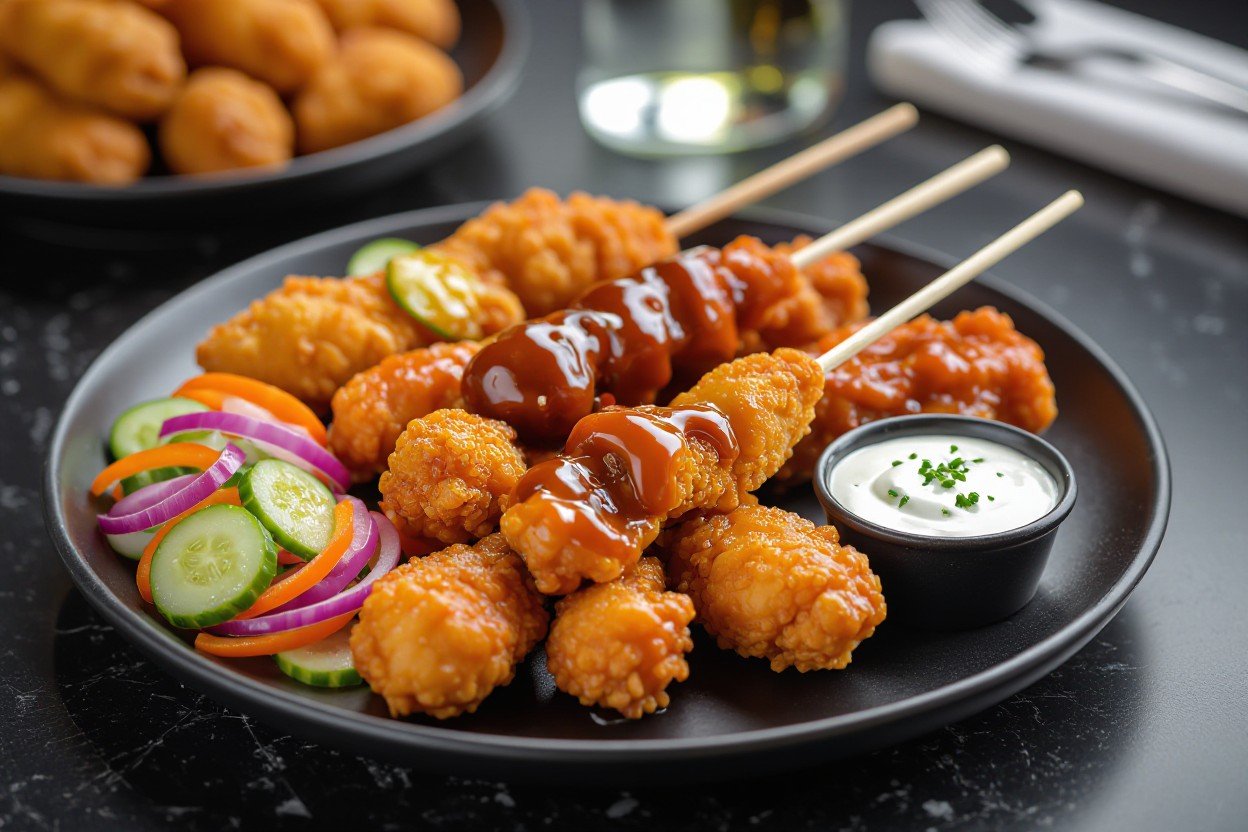
The beauty of chicken lollipops lies in their adaptability to countless flavor profiles and cooking techniques. You can transform this appetizer from a mild crowd-pleaser to an adventurous culinary experience by adjusting your marinade, coating, or sauce. Regional preferences have given rise to distinct styles—some prefer a light, crispy coating that lets the chicken shine through, while others embrace heavily spiced versions with layers of complex flavors. The drumette’s unique shape makes it an ideal canvas for glazes and sauces, as the exposed bone serves as a natural handle while the meat absorbs marinades more effectively than traditional wings.
Your choice of preparation method also opens up new possibilities. Deep-frying remains the most popular technique for achieving that signature crunch, but air-frying has gained traction among health-conscious cooks, reducing oil content by up to 75% while maintaining a satisfying texture. Grilling adds a smoky dimension that pairs exceptionally well with tangy or sweet glazes, while baking offers a hands-off approach perfect for large batches. Each method requires slight adjustments to cooking time and temperature—air-fried lollipops need 18-20 minutes at 380°F, while grilled versions benefit from 6-7 minutes per side over medium-high heat.
Spicy Versions
Heat enthusiasts have elevated chicken lollipops into fiery territory by incorporating peppers ranging from 2,500 to 100,000+ Scoville units. You can create a Nashville-style hot chicken lollipop by combining cayenne pepper with brown sugar and paprika in your coating, then finishing with a cayenne-infused oil drizzle. Korean gochugaru flakes offer a different heat profile—fruity and smoky rather than purely burning—and work exceptionally well when mixed into a gochujang-based glaze. For extreme heat seekers, ghost pepper or Carolina Reaper powders added to the marinade (start with just 1/4 teaspoon per pound of chicken) deliver intense spiciness that builds gradually.
Balancing the heat requires strategic pairing with cooling or sweet elements. Your spicy marinade benefits from additions like honey, which tempers the burn while caramelizing beautifully during cooking, or buttermilk, which both tenderizes the meat and provides a tangy counterpoint. A cilantro-lime crema or blue cheese dipping sauce gives your guests relief between bites without diminishing the overall impact. Many restaurants have found success with a “heat scale” menu approach, offering mild, medium, and extra-hot versions that let diners choose their adventure while using the same base recipe with varying amounts of chili components.
International Influences
Asian cuisines have particularly influenced chicken lollipop preparations, with Chinese five-spice powder, star anise, and Shaoxing wine creating aromatic depth in the marinade. Japanese-inspired versions feature a panko coating mixed with toasted sesame seeds, finished with a teriyaki glaze that caramelizes into a glossy shell. Thai interpretations incorporate lemongrass, galangal, and kaffir lime leaves into the marinade, while Vietnamese variations might include fish sauce and garlic in a nuoc cham-style dipping sauce. You’ll find that Indian restaurant-style lollipops typically use a tandoori marinade with yogurt, ginger-garlic paste, and Kashmiri chili powder, achieving that characteristic red-orange color and smoky flavor profile.
Mediterranean and Latin American influences have introduced entirely different flavor directions. Greek-style lollipops marinated in lemon juice, oregano, and olive oil pair beautifully with tzatziki sauce, while Mexican versions incorporate chipotle peppers, cumin, and lime with a cotija cheese coating. Peruvian aji amarillo paste brings a unique fruity heat that’s become increasingly popular in fusion recipes, and Brazilian churrasco-style preparations use a simple salt crust that highlights the meat’s natural flavor after grilling over high heat.
Middle Eastern spice blends have opened up another dimension entirely for your lollipop preparations. Za’atar-crusted versions offer herbaceous notes from thyme and sumac, while baharat
To Wrap Up
As a reminder, chicken lollipops offer you an exceptional combination of visual appeal and delicious flavor that makes them stand out at any gathering. You’ve learned that these drumettes, with their meat pushed down to create that distinctive lollipop shape, provide your guests with an easy-to-hold, mess-free eating experience. Whether you choose to marinate them in Asian-inspired sauces, coat them in buffalo seasoning, or experiment with your own flavor combinations, you now have the knowledge to create restaurant-quality appetizers in your own kitchen.
When you prepare chicken lollipops, you’re not just making another finger food—you’re crafting an experience that elevates your entertaining game. The techniques you’ve discovered, from the proper frenching method to achieving that perfect crispy exterior, will serve you well for years to come. Your attention to marination time, cooking temperature, and presentation will determine the difference between good and outstanding results. With practice, you’ll find that these impressive appetizers become one of your signature dishes that guests specifically request at your events.