Chicken Leg Quarters with Herbs
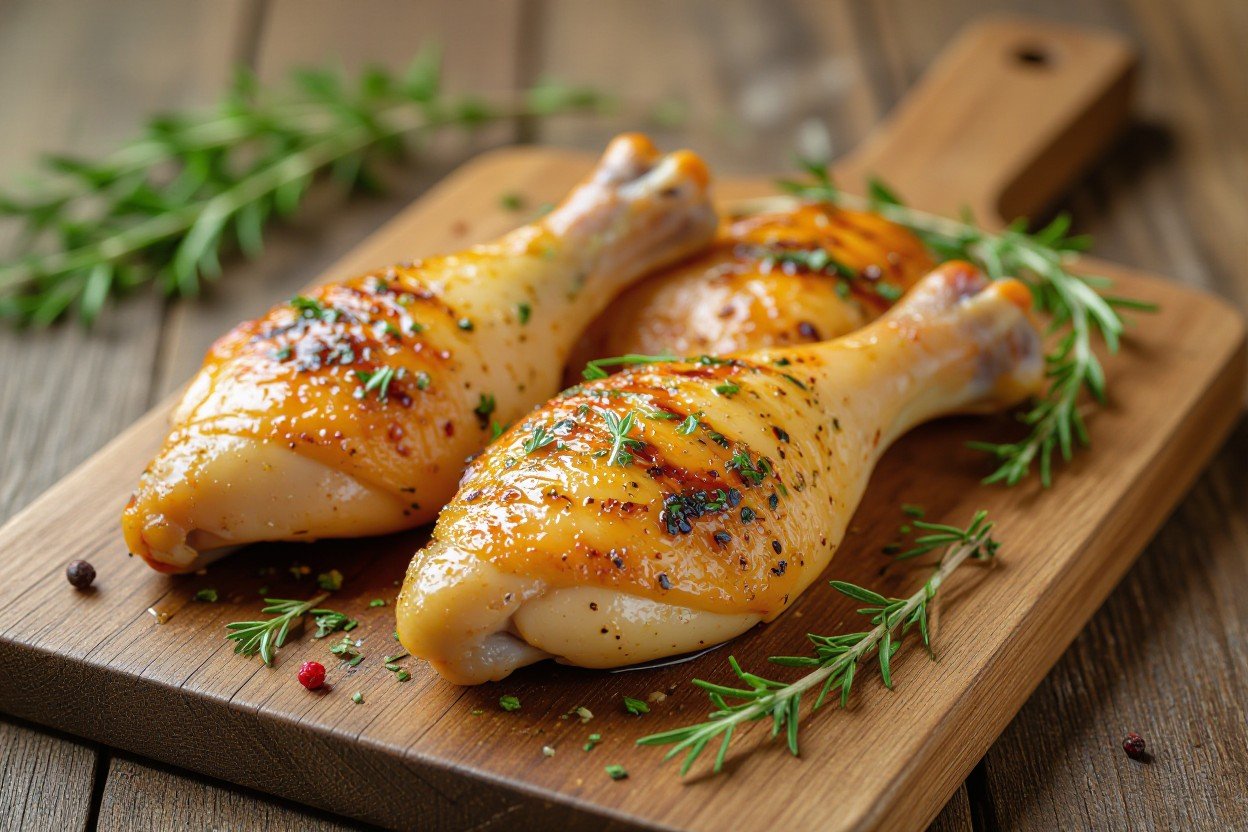
Leg quarters offer you an economical and flavorful option for preparing delicious chicken dinners that your whole family will enjoy. When you combine these juicy, dark meat portions with aromatic herbs like rosemary, thyme, and sage, you create a dish that’s both simple and impressive. You’ll find that chicken leg quarters are naturally more forgiving than white meat, staying moist and tender even if you slightly overcook them. This recipe teaches you how to properly season and roast these cuts to achieve crispy, golden skin while infusing the meat with herbaceous flavors that elevate your everyday cooking.
Key Takeaways:
- Chicken leg quarters are an affordable and flavorful cut that includes both the drumstick and thigh, making them ideal for feeding families or meal prepping.
- Fresh or dried herbs like rosemary, thyme, sage, and oregano pair exceptionally well with chicken leg quarters, enhancing their rich, dark meat flavor when rubbed under the skin or mixed into marinades.
- Roasting leg quarters at 400-425°F for 40-50 minutes produces crispy, golden skin while keeping the meat tender and juicy, especially when seasoned with herbs, garlic, and olive oil.
What are Chicken Leg Quarters?
Chicken leg quarters represent one of the most economical and flavorful cuts you’ll find at your local butcher or grocery store. This cut includes the drumstick, thigh, and a portion of the back, all connected as one substantial piece. You’re importantly getting about a quarter of the whole chicken, hence the name. The leg quarter typically weighs between 10 to 12 ounces, making it a generous single serving or enough to feed two people when paired with hearty sides.
The dark meat in leg quarters contains more myoglobin than white meat, which gives it that characteristic deeper color and richer taste. This same quality makes leg quarters incredibly forgiving during cooking – they stay moist and tender even if you accidentally leave them on the heat a bit longer than intended. You’ll pay roughly 40-60% less per pound compared to chicken breasts, yet you’re getting meat that many chefs and home cooks actually prefer for its superior flavor and texture.
Anatomy of Chicken Leg Quarters
The drumstick portion connects to the thigh at a ball-and-socket joint, creating that distinctive L-shape you’ll recognize immediately. Your leg quarter includes the fibula and tibia bones running through the drumstick, while the femur bone extends through the thigh. The back portion attached to the thigh contains part of the spine and sometimes a kidney, which you can easily remove if you prefer. This bone-in structure serves a purpose beyond just anatomy – those bones conduct heat and release collagen during cooking, enriching your dish with deeper flavor and creating natural pan drippings.
The skin covering your leg quarter varies in thickness, with the thigh having a slightly thicker layer than the drumstick. Between the skin and meat, you’ll find pockets of fat that render during cooking, basting the meat from within. The thigh meat itself consists of several muscle groups that work harder during the chicken’s life than breast muscles do, resulting in more connective tissue. This tissue breaks down beautifully when you apply proper cooking techniques, transforming into gelatin that gives the meat its signature succulent texture.
Nutritional Benefits
A single 4-ounce serving of roasted chicken leg quarter with skin provides approximately 25 grams of protein, meeting nearly half of your daily protein requirements. You’re also getting significant amounts of B vitamins, particularly niacin (B3) at about 40% of your daily value and vitamin B6 at roughly 25%. The dark meat contains twice as much iron and zinc compared to chicken breast – one serving delivers about 1.4 mg of iron and 2.5 mg of zinc. These minerals support your immune function and help transport oxygen throughout your body.
The fat content in leg quarters often raises questions, but the profile tells an interesting story. While a 4-ounce portion contains about 15 grams of fat with skin on, roughly 60% of that fat is unsaturated – the heart-healthy kind found in olive oil and avocados. Your leg quarter also provides selenium, an antioxidant mineral that supports thyroid function, delivering about 35% of your daily needs per serving. The presence of taurine, an amino acid abundant in dark meat, supports cardiovascular health and helps regulate blood pressure.
Removing the skin reduces the calorie count by approximately 70 calories per serving and cuts fat content nearly in half, though you’ll sacrifice some of that rich flavor and moisture-retaining properties. The choice between skin-on and skinless depends on your dietary goals, but even with skin, leg quarters offer remarkable nutritional density for their cost. You’re getting more riboflavin (B2) than white meat provides, which helps your body convert food into energy more efficiently throughout your day.

Selecting Quality Chicken Leg Quarters
The quality of your chicken leg quarters directly impacts the final dish, making your selection at the market a pivotal step in the cooking process. You’ll want to look for pieces with smooth, unblemished skin that appears plump and moist rather than dry or tacky to the touch. The color should be consistent—ranging from pale pink to light yellow depending on the chicken’s diet—without any gray or green discoloration that signals spoilage. Check that the packaging is intact and cold, with no tears or excessive liquid pooling at the bottom, which often indicates the meat has been sitting too long or has been previously frozen and thawed.
Pay attention to the sell-by date, giving yourself at least two to three days of buffer time if you’re not cooking immediately. The meat should have a mild, fresh smell; any sour or ammonia-like odors mean you should pass on that package. Size consistency matters too—selecting leg quarters that are roughly the same weight ensures even cooking, preventing some pieces from drying out while others remain undercooked. Most leg quarters weigh between 10 to 12 ounces each, though you’ll find variation depending on the chicken’s breed and age.
Fresh vs. Frozen
Fresh chicken leg quarters offer superior texture and flavor, with meat that retains more natural moisture and develops better browning during cooking. You’ll find that fresh quarters have firmer flesh that springs back when pressed, and they allow you to control the seasoning process from the start without dealing with excess water that frozen chicken releases during thawing. The skin on fresh leg quarters crisps more reliably because it hasn’t been compromised by ice crystal formation. However, fresh chicken has a narrow window of use—typically three to four days from purchase—which requires more planning on your part.
Frozen leg quarters provide unmatched convenience and can be stored for up to nine months without significant quality loss when properly wrapped. Modern flash-freezing techniques preserve much of the meat’s integrity, though you’ll need to account for proper thawing time—ideally 24 hours in the refrigerator for every pound of chicken. The main drawback comes from improper freezing or storage, which can lead to freezer burn that creates dry, leathery spots on the meat. If you’re buying frozen, examine the package for ice crystals inside the wrapper or frost on the meat itself, both signs that the chicken has been thawed and refrozen, compromising both safety and quality.
Labels and Certifications
Understanding poultry labels helps you make informed decisions that align with your preferences and budget. “Organic” certification from the USDA means the chickens were fed organic feed without animal by-products, had access to the outdoors, and weren’t given antibiotics or hormones. “Free-range” indicates outdoor access, though the amount and quality of that access varies widely between producers. “Air-chilled” on a label tells you the chicken was cooled with cold air rather than submersion in chlorinated water, resulting in meat that hasn’t absorbed excess water weight—you’re paying for actual chicken, not water that will evaporate during cooking.
“No antibiotics ever” or “raised without antibiotics” certifications confirm the birds weren’t treated with antimicrobial drugs, which some consumers prefer for health and ethical reasons. You might also see “pasture-raised,” suggesting chickens spent significant time outdoors on vegetation, though this term lacks standardized regulation. Price differences between conventional and certified chicken can be substantial—organic leg quarters often cost $2 to $3 more per pound—but many cooks find the flavor and texture improvements worth the investment.
Third-party certifications like Animal Welfare Approved, Certified Humane, or Global Animal Partnership provide additional assurance about raising conditions beyond basic USDA requirements. These programs conduct regular farm audits and enforce specific standards for space, environmental enrichment, and slaughter methods. Your local butcher or farmers market can offer transparency that supermarket packaging can’t, allowing you to ask direct questions about feed, living conditions, and processing methods that matter to you.
Essential Herbs for Flavoring
The right herbs transform ordinary chicken leg quarters into restaurant-quality meals that fill your kitchen with mouthwatering aromas. Fresh herbs contain crucial oils that penetrate the meat during cooking, while dried herbs offer concentrated flavors that hold up well to longer roasting times. You’ll find that leg quarters, with their higher fat content compared to white meat, absorb and carry herb flavors exceptionally well, making them the perfect canvas for your seasoning experiments.
Timing matters significantly when you add herbs to your chicken. Fresh herbs lose their potency when exposed to high heat for extended periods, so you’ll want to add them during the last 20-30 minutes of cooking or use them in marinades. Dried herbs, on the other hand, need time to rehydrate and release their flavors, so you should apply them at the beginning of your cooking process. A general rule: use one tablespoon of fresh herbs for every teaspoon of dried herbs in your recipes.
Common Herbs for Chicken
Rosemary stands as the most popular herb for chicken leg quarters, with its pine-like flavor complementing the rich, dark meat perfectly. You’ll get the best results using 2-3 sprigs of fresh rosemary or 1-2 teaspoons of dried rosemary per pound of chicken. Thyme follows closely behind, offering an earthy, slightly minty taste that pairs beautifully with garlic and lemon. Studies show that thyme contains thymol, a compound with natural antimicrobial properties that not only enhances flavor but also helps preserve your meat.
Sage brings a warm, peppery note that works particularly well with fall and winter preparations. You’ll need less sage than other herbs—just 4-5 fresh leaves or half a teaspoon dried per pound of chicken—since its flavor can quickly overpower your dish. Oregano delivers a robust, slightly bitter taste that shines in Mediterranean-style recipes, while parsley adds a fresh, clean finish when sprinkled over your chicken just before serving. Tarragon offers an unexpected anise-like flavor that elevates simple roasted leg quarters into something special.
Herb Combinations
The classic French combination of rosemary, thyme, and sage creates what chefs call a “trinity” for poultry—you’ll use equal parts of each, roughly one teaspoon dried or one tablespoon fresh per pound. This blend has been tested in professional kitchens for decades because each herb occupies a different flavor note: rosemary provides the base, thyme adds complexity, and sage rounds out the profile. Mediterranean combinations typically feature oregano, basil, and parsley with a 2:1:1 ratio, giving you bold flavors that pair perfectly with tomatoes and olive oil.
Your herb combinations should reflect your cooking method and accompanying ingredients. For grilled leg quarters, you’ll want hardy herbs like rosemary and thyme that withstand high heat, mixed with garlic powder at a 1:1:2 ratio. Oven-roasted preparations benefit from adding fresh herbs in two stages—dried herbs rubbed under the skin before cooking, then fresh herbs scattered over the top during the final 15 minutes. This technique gives you both deep, developed flavors and bright, fresh notes in the same dish.
Consider the fat content when planning your herb blends—leg quarters render significant amounts of fat during cooking, which captures and distributes herb flavors throughout the meat. You can intensify this effect by creating herb butter with softened butter, minced fresh herbs, and a pinch of salt, then sliding it under the skin before roasting. This method infuses the meat from the inside out while creating a crispy, herb-crusted exterior that your family will request again and again.
Preparation Techniques
Marinating
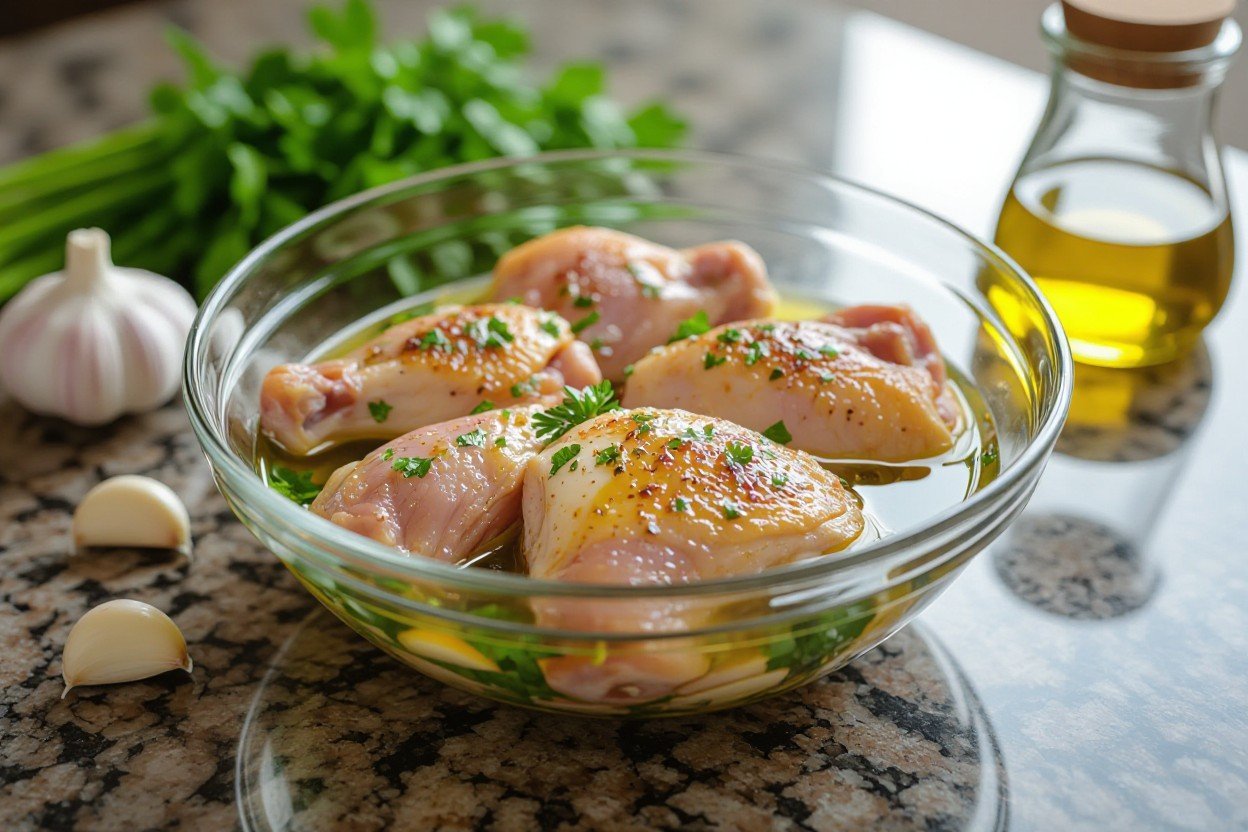
You’ll want to give your chicken leg quarters at least 2 hours in the marinade, though overnight produces the most flavorful results. The acidic components in your marinade—whether lemon juice, vinegar, or yogurt—work to break down the proteins in the meat, allowing the herbs and spices to penetrate deeper into the flesh. For a basic herb marinade, combine 1/4 cup olive oil, 3 tablespoons lemon juice, 4 minced garlic cloves, and your chosen fresh herbs like rosemary, thyme, and oregano. This ratio ensures the oil carries fat-soluble flavor compounds while the acid tenderizes without turning the meat mushy.
Place your leg quarters in a large zip-top bag or glass dish, ensuring each piece has direct contact with the marinade. Turn the chicken every few hours if you’re marinating during the day, or simply flip the bag once before refrigerating overnight. Avoid marinating for more than 24 hours, as extended exposure to acidic ingredients can make the texture unpleasantly soft and grainy. Always discard used marinade rather than reusing it, and pat the chicken dry before cooking to achieve proper browning and crispy skin.
Seasoning
Your seasoning technique directly impacts how the herbs and spices adhere to the meat and develop their flavors during cooking. Start by patting the leg quarters completely dry with paper towels—moisture prevents seasonings from sticking and creates steam instead of the crispy, golden skin you’re after. Slide your fingers gently under the skin to separate it from the meat, then rub softened butter mixed with minced herbs directly onto the flesh beneath. This technique keeps the meat moist while infusing it with concentrated flavor that won’t burn during high-heat cooking.
Apply your dry herb rub generously to all surfaces, using approximately 1 tablespoon of seasoning blend per leg quarter. Press the mixture firmly into the skin so it creates an even coating that will form a flavorful crust. For dried herbs like thyme, rosemary, and sage, crush them between your fingers before applying to release their vital oils and maximize their aromatic impact.
Let your seasoned chicken rest at room temperature for 30-45 minutes before cooking. This resting period allows the salt in your seasoning to draw moisture to the surface, which then dissolves the salt and carries it back into the meat through osmosis. The result is chicken that’s seasoned throughout rather than just on the surface, with meat that cooks more evenly since it’s not going into the oven cold from the refrigerator.
Cooking Methods
The cooking method you choose will dramatically affect the texture and flavor profile of your herb-seasoned chicken leg quarters. Each technique brings out different characteristics in the meat, from crispy, golden skin to tender, juicy flesh infused with smoky notes. Your selection should depend on the time you have available, the equipment at your disposal, and the specific taste and texture you’re aiming to achieve.
Temperature control stands as the most significant factor in producing perfectly cooked leg quarters regardless of your chosen method. The dark meat in leg quarters reaches its ideal tenderness at an internal temperature of 175-180°F, slightly higher than white meat, which allows the connective tissues to break down properly while rendering the fat for maximum flavor.
Roasting
Roasting leg quarters in a 400-425°F oven creates an evenly cooked piece of chicken with beautifully bronzed skin. You’ll want to position the quarters skin-side up on a wire rack set over a baking sheet, which allows hot air to circulate completely around each piece and prevents the underside from steaming in its own juices. The typical roasting time runs 40-50 minutes, though this varies based on the size of your quarters—pieces weighing 10-12 ounces will cook faster than those tipping the scales at 14-16 ounces.
Your herb mixture benefits from a two-stage application during roasting. Apply half of your herbs before the chicken goes into the oven, then brush the quarters with melted butter or oil and add the remaining herbs during the final 15 minutes of cooking. This technique gives you layers of herb flavor—the first application becomes deeply roasted and slightly caramelized, while the second addition stays bright and aromatic.
Grilling
Grilling leg quarters over medium heat (350-375°F) produces incomparably crispy skin with those distinctive char marks that add visual appeal and smoky depth. You’ll need to set up a two-zone fire, placing the quarters over indirect heat for the majority of cooking time—about 35-40 minutes—before moving them directly over the flames for 3-5 minutes per side to crisp the skin. This indirect-to-direct method prevents the exterior from burning before the meat near the bone reaches a safe temperature.
The herbs you’ve chosen will react differently to the high, dry heat of the grill compared to oven roasting. Delicate herbs like parsley or cilantro can scorch quickly, so you’ll get better results by mixing them into a basting sauce applied during the final minutes rather than rubbing them directly on raw chicken. Hardier herbs such as rosemary, thyme, and sage withstand the grill’s intensity and actually develop more complex flavors as their crucial oils caramelize against the hot grates.
Flare-ups pose the biggest challenge when grilling fatty leg quarters, as the rendering fat drips onto hot coals or burners and ignites. Keep a spray bottle of water nearby to tame any flames that threaten to char your chicken, and resist the urge to constantly flip the quarters—moving them only when necessary helps maintain consistent cooking and allows proper grill marks to form.
Serving Suggestions
Side Dishes
Your herb-roasted chicken leg quarters pair beautifully with roasted root vegetables like carrots, parsnips, and fingerling potatoes tossed in olive oil and seasoned with the same herbs you used on the chicken. The vegetables can roast alongside the chicken during the final 35-40 minutes of cooking, absorbing the flavorful pan drippings while developing their own caramelized edges. For a lighter accompaniment, consider a crisp arugula salad dressed with lemon vinaigrette, which cuts through the richness of the dark meat and complements the herb flavors perfectly.
Creamy polenta or garlic mashed potatoes work exceptionally well for soaking up the pan juices from your chicken quarters. You can also serve them with buttered egg noodles tossed with fresh parsley, or a simple pilaf made with chicken stock and toasted orzo. During warmer months, grilled zucchini, bell peppers, and red onions provide a colorful, Mediterranean-inspired side that takes just 10-12 minutes on a hot grill while your chicken rests.
Sauces and Condiments
The natural pan drippings from your chicken leg quarters create an instant jus that needs minimal enhancement—simply deglaze the roasting pan with half a cup of white wine or chicken stock, scraping up the browned bits, and strain it into a small serving pitcher. For a richer sauce, whisk in two tablespoons of cold butter until emulsified, creating a glossy finish that coats the chicken beautifully. Chimichurri sauce offers a bright, herbaceous contrast with its combination of parsley, oregano, garlic, red wine vinegar, and olive oil, and you can prepare it up to three days in advance.
Garlic aioli made with roasted garlic cloves provides a creamy, mellow accompaniment that guests can dollop directly onto their chicken or use as a dipping sauce. Whole grain mustard mixed with honey and a splash of apple cider vinegar creates a tangy-sweet condiment that takes just two minutes to prepare. For those who prefer heat, a harissa yogurt sauce balances spice with cooling dairy, and the yogurt’s acidity helps tenderize any bites of chicken you might save for leftovers.
You’ll find that room-temperature sauces work best with hot chicken, as they won’t cool down your perfectly roasted leg quarters. Store any leftover sauces in airtight containers in your refrigerator for up to five days, and bring them to room temperature 30 minutes before your next meal. The versatility of these condiments means you can transform leftover chicken into entirely new dishes—shred the meat and toss it with chimichurri for tacos, or slice it over greens with a drizzle of garlic aioli for a satisfying lunch salad.
To Wrap Up
Upon reflecting on this versatile dish, you’ll find that chicken leg quarters with herbs offer an exceptional combination of flavor, affordability, and ease of preparation. The dark meat provides superior moisture retention compared to white meat, ensuring your final result remains tender and juicy even if you slightly overcook it. By mastering the basic technique of seasoning with herbs and achieving proper internal temperature, you gain a reliable recipe that works equally well for weeknight dinners and special gatherings. The herb variations you can explore are virtually limitless, allowing you to adapt the dish to Mediterranean, French, Italian, or any other cuisine that captures your interest.
Your success with this dish depends on selecting quality chicken quarters, properly preparing your herb mixture, and monitoring cooking temperatures. Whether you choose to roast, grill, or braise your chicken, the herbs will infuse the meat with aromatic complexity while the skin crisps to golden perfection. You now possess the knowledge to transform this economical cut into a restaurant-quality meal that will impress your family and guests alike. As you continue practicing this technique, you’ll develop your own signature combinations and methods that reflect your personal cooking style.