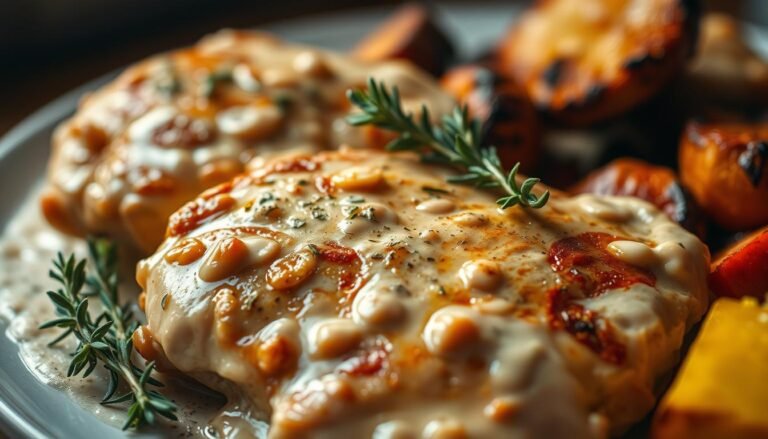
Chicken Gizzards & Gravy
It’s time to discover one of Southern cuisine’s most underrated comfort foods that transforms humble organ meat into a rich, flavorful dish. Chicken gizzards and gravy offers you an economical yet delicious meal that’s been cherished in kitchens for generations. When you slow-cook these muscular organs until tender and smother them in savory gravy, you’ll create a hearty dish perfect over rice, mashed potatoes, or biscuits. This traditional recipe showcases how proper preparation techniques can turn an often-overlooked ingredient into your family’s new favorite dinner staple.
Key Takeaways:
- Chicken gizzards are an affordable, protein-rich organ meat that becomes tender and flavorful when simmered slowly in gravy
- The dish pairs perfectly with rice, mashed potatoes, or biscuits, making it a hearty comfort food option
- Proper cleaning and trimming of the gizzards before cooking ensures the best texture and taste in the final dish
Understanding Chicken Gizzards
What Are Chicken Gizzards?
You’ll find the gizzard nestled in the digestive tract of chickens, where it functions as a muscular grinding organ. Since chickens lack teeth, the gizzard does the heavy lifting of breaking down food using small stones and grit the bird swallows. This constant grinding action transforms the gizzard into one of the toughest, most muscular parts of the chicken—which explains both its dense texture and why it requires specific cooking methods to achieve tenderness.
The gizzard typically weighs between 1.5 to 2 ounces and has a distinctive round, compact shape with a deep red-purple color. You can purchase them fresh or frozen at most grocery stores, usually packaged in one-pound containers. Many butchers include the gizzard along with the heart and liver in the giblet package tucked inside whole chickens, though you’ll get better value buying them separately in bulk for dedicated gizzard recipes.
Nutritional Benefits of Gizzards
Your four-ounce serving of chicken gizzards delivers an impressive 30 grams of protein while containing only 2 grams of fat and approximately 150 calories. This makes them one of the leanest protein sources available, rivaling even chicken breast in their protein-to-fat ratio. Beyond protein, gizzards pack substantial amounts of zinc (providing 28% of your daily value), iron (18% DV), and vitamin B12 (25% DV)—nutrients that support immune function, oxygen transport, and nerve health.
The selenium content in gizzards deserves special attention, with a single serving providing roughly 45% of your daily requirement. This trace mineral acts as a powerful antioxidant and plays a vital role in thyroid hormone metabolism. You’ll also benefit from significant amounts of niacin and riboflavin, B vitamins that help convert food into energy and maintain healthy skin and eyes.
Budget-conscious cooks appreciate that gizzards typically cost between $1.50 to $3.00 per pound—roughly one-third the price of chicken breast—while offering superior nutritional density. This combination of affordability and nutrition made gizzards a staple in traditional Southern, French, and Asian cuisines long before “nose-to-tail eating” became a modern culinary trend. Your grandparents likely understood what many are rediscovering: organ meats like gizzards provide exceptional nutritional value that mainstream cuts simply cannot match.
Preparing Chicken Gizzards
The key to tender, flavorful gizzards starts long before they hit the pan. Most grocery stores sell gizzards already cleaned, but you’ll still need to trim away any remaining fat, silver skin, or greenish bile spots that can impart a bitter taste. Fresh gizzards should have a deep red color and firm texture—avoid any that look gray or smell off. You’ll typically find them sold in one-pound containers, which yields about four servings once cooked down in gravy.
Before cooking, you’ll want to decide whether to keep the gizzards whole or cut them into smaller pieces. Whole gizzards make for a more traditional presentation and stay juicier during long cooking times, while cutting them in half or into bite-sized pieces reduces cooking time by up to 30 minutes and allows seasonings to penetrate more deeply. Your choice depends on how much time you have and your texture preference—some people love the substantial chew of a whole gizzard, while others prefer smaller, more tender pieces.
Cleaning and Prepping
Start by rinsing your gizzards under cold running water, then pat them completely dry with paper towels. Excess moisture will prevent proper browning and can make your gravy watery. Look for the small sac on each gizzard where the inner lining might still be attached—this tough, silvery membrane needs to come off entirely. Use a sharp paring knife to slice it away, working carefully around the natural seam of the gizzard. Any yellow or green spots indicate bile residue and must be trimmed completely, as even a small amount will ruin your entire batch with bitterness.
Once trimmed, inspect each gizzard for any remaining fat deposits, which appear as white or yellowish clumps. These don’t render well during cooking and can create an unpleasant greasy texture in your finished gravy. After your final inspection, place the cleaned gizzards in a colander and give them one more cold water rinse. Some cooks soak their gizzards in salted water or buttermilk for 30 minutes to an hour, which can help tenderize them slightly and remove any residual blood, though this step isn’t strictly necessary if you’re planning a long simmer.
Cooking Methods
Browning your gizzards first creates the flavor foundation for exceptional gravy. Heat two tablespoons of oil or bacon grease in a heavy-bottomed pot over medium-high heat until it shimmers. Season your gizzards generously with salt and black pepper, then add them to the pot in a single layer—work in batches if needed to avoid crowding. Let them sear undisturbed for 3-4 minutes per side until they develop a rich, golden-brown crust. This caramelization process, known as the Maillard reaction, creates hundreds of complex flavor compounds that will infuse your entire dish.
After browning, you have three main cooking options: stovetop simmering, pressure cooking, or slow cooking. Stovetop simmering in liquid takes 1.5 to 2 hours at a gentle bubble until fork-tender. A pressure cooker or Instant Pot cuts this down to just 25-30 minutes at high pressure, perfect for weeknight meals. Slow cooker methods require 4-6 hours on low, but this hands-off approach develops incredibly deep flavors and produces the most tender results. Whichever method you choose, the gizzards are done when you can easily pierce them with a fork and they’ve lost their rubbery resistance.
Testing for doneness goes beyond just timing—gizzards vary in size and age, which affects cooking duration. Younger gizzards from smaller chickens cook faster than those from mature birds. Pull one out and slice it in half; the interior should be uniformly gray-brown with no pink remaining, and the texture should yield easily to your knife rather than requiring sawing motions. If they’re still tough, give them another 15-20 minutes and test again. Undercooked gizzards are unpleasantly chewy, while properly cooked ones have a tender, almost steak-like quality that makes them the star of your gravy.
The Art of Making Gravy
The foundation of exceptional chicken gizzard gravy lies in the drippings and rendered fat left behind after browning your meat. You’ll want to preserve every bit of those caramelized bits stuck to your pan—they contain concentrated flavor compounds that transform ordinary gravy into something extraordinary. Professional chefs call this fond, and it’s where the magic happens. As the gizzards simmer, they release collagen and gelatin that naturally thicken your gravy while adding body and a silky mouthfeel you can’t achieve with flour alone.
Your gravy should coat the back of a spoon without being gloppy or thin. The ideal consistency develops after about 45 minutes of gentle simmering, though some cooks prefer a full hour to achieve maximum tenderness in their gizzards. During this time, the liquid reduces by roughly one-third, concentrating flavors while the connective tissues in the gizzards break down completely. You’ll notice the color deepening from pale tan to rich mahogany as the Maillard reaction continues throughout the cooking process.
Traditional Gravy Recipes
Southern-style gizzard gravy starts with a classic roux—equal parts fat and all-purpose flour cooked together until it reaches the color of peanut butter. You’ll use about 3 tablespoons of each for every 2 cups of liquid, whether that’s chicken stock, water, or a combination. The roux should bubble steadily for 3-4 minutes to cook out the raw flour taste before you add any liquid. Grandmothers across the South have passed down the technique of adding liquid gradually, whisking constantly to prevent lumps from forming.
Country-style gravy takes a different approach by dredging the gizzards in seasoned flour before browning them. This creates a built-in thickening agent as the flour coating releases into your cooking liquid. You’ll season your dredging flour with black pepper, garlic powder, and a pinch of cayenne—roughly 1 teaspoon of pepper and ½ teaspoon each of the other spices per cup of flour. After browning, you simply add your liquid and let everything simmer together, creating a rustic gravy with more texture and deeper color than the roux method produces.
Enhancing Flavor Profiles
Aromatics transform basic gravy into something memorable. Diced onions sweated in your cooking fat until translucent provide sweetness and depth, while minced garlic added in the last minute of sautéing contributes pungency without bitterness. Fresh thyme sprigs—about 3-4 for a standard batch—infuse herbal notes that complement the richness of organ meat. Bay leaves add subtle complexity, though you’ll want to remove them before serving. Some cooks swear by a splash of Worcestershire sauce, typically 1-2 teaspoons, which adds umami and a hint of tanginess that brightens the entire dish.
Deglazing your pan with a quarter cup of dry white wine or sherry before adding stock elevates the gravy significantly. The alcohol cooks off within minutes, leaving behind fruity, acidic notes that cut through the richness of the gizzards and fat. You can achieve similar results with apple cider vinegar—just use 1 tablespoon instead of wine. Black pepper should be freshly ground and added liberally; the heat plays beautifully against the savory gravy. A finishing touch of butter, about 1 tablespoon stirred in just before serving, adds glossy sheen and rounds out any sharp edges in your flavor profile.
Temperature control makes the difference between gravy that tastes flat and one that sings with complexity. You’ll develop richer flavors by maintaining a gentle simmer rather than a rolling boil, which allows the gizzards to tenderize while preventing the gravy from becoming cloudy or separating. Tasting and adjusting seasoning at multiple stages throughout cooking ensures balanced flavor in your final dish—what tastes right at the beginning will need adjustment as liquids reduce and flavors concentrate.
Pairing Suggestions
The rich, savory nature of chicken gizzards and gravy demands sides that can either complement the deep flavors or provide textural and taste contrast. You’ll want to think about how different accompaniments interact with the thick, peppery gravy and the tender, slightly chewy texture of the gizzards themselves. Traditional Southern pairings have stood the test of time for good reason—they create a balanced plate that satisfies without overwhelming your palate.
Your choice of sides can transform this humble dish into a complete meal that feeds a family of four for under $15. The gravy’s consistency makes it perfect for spooning over absorbent starches, while lighter vegetable sides cut through the richness and add nutritional balance to your plate.
Best Sides for Gizzards and Gravy
White rice stands as the most popular accompaniment, soaking up every drop of that flavorful gravy while providing a neutral base that lets the gizzards shine. You’ll need about 1 cup of uncooked rice per two servings, which expands to roughly 3 cups cooked. Creamy mashed potatoes offer another excellent starchy option—the smooth texture contrasts beautifully with the gizzards’ chewiness. For a Southern classic combination, serve your gizzards over buttered grits, using a 4:1 water-to-grits ratio for the perfect creamy consistency. Biscuits work wonderfully for sopping up extra gravy, and you can make a batch of eight from scratch in under 20 minutes.
Green vegetables provide the brightness your plate needs. Collard greens cooked with a ham hock bring their own savory depth without competing with the main dish. Green beans sautéed with garlic and a squeeze of lemon add a fresh, acidic note that cleanses your palate between bites. Coleslaw delivers crunch and tang—the vinegar-based dressing cuts through the gravy’s richness more effectively than creamy versions. A simple cucumber and tomato salad dressed with apple cider vinegar offers refreshing contrast, especially during warmer months when you’re craving comfort food but need something lighter on the side.
Wine and Beverage Pairings
Gizzards and gravy call for beverages that can stand up to bold, peppery flavors without getting lost. A medium-bodied red wine like Côtes du Rhône works exceptionally well—its earthy notes and moderate tannins complement the organ meat’s mineral undertones while the wine’s acidity cuts through the gravy’s fat content. You’ll find bottles in the $12-18 range that perform beautifully with this dish. For white wine lovers, an unoaked Chardonnay or a dry Riesling provides enough body and acidity to match the gravy’s intensity. The slight fruit notes in these wines create an interesting counterpoint to the savory, peppery sauce.
Beer often proves to be the more practical choice for this comfort food classic. A cold lager or pilsner cleanses your palate between bites, while the carbonation helps cut through the richness. Amber ales and brown ales bring their own malty sweetness that plays well with the caramelized onions typically found in the gravy. For non-alcoholic options, sweet tea remains the traditional Southern pairing—the tannins in black tea actually help cleanse your palate similarly to red wine, while the sweetness balances the dish’s savory depth.
Buttermilk deserves special mention as an unconventional but authentic pairing that originated in rural Southern kitchens. The tangy, slightly thick beverage mirrors the dish’s country roots and provides probiotic benefits that aid in digesting the rich meal. You can also consider sparkling water with a squeeze of lemon, which offers palate-cleansing properties without adding calories or competing flavors to your meal.

Common Mistakes to Avoid
Many home cooks give up on gizzards after their first attempt, but the failures typically stem from just a handful of preventable errors. You’ll find that mastering this dish becomes straightforward once you understand where most people go wrong. The texture issues, bland flavor, and tough meat that plague unsuccessful attempts all trace back to specific missteps during preparation and cooking.
The most frequent problem occurs when you rush the cooking process, expecting gizzards to behave like regular chicken meat. Unlike breast or thigh meat, gizzards contain dense muscle tissue that requires extended cooking times—typically 90 minutes to 2 hours of gentle simmering. Cutting corners on this timeline leaves you with rubbery, nearly inedible results that waste both your ingredients and effort.
Overcooking vs. Undercooking
Undercooked gizzards present an unmistakable problem: they’ll resist your fork with a rubbery bounce and require excessive chewing. You’ll know you’ve pulled them too early when the meat feels tough and springy rather than yielding to gentle pressure. Testing for doneness requires you to pierce a gizzard with a fork—it should slide in with minimal resistance, similar to testing a braised short rib. Most gizzards need at least 75-90 minutes of simmering, though older birds may require up to 2 hours.
Overcooking gizzards, while less common, creates a different set of problems. Beyond the 2.5-hour mark, the meat begins breaking down into mushy strands that fall apart in your gravy. You’ll lose the pleasant, slightly chewy texture that makes properly cooked gizzards appealing. The gravy itself can become cloudy and overly thick from the excess protein breakdown. Your best approach involves checking for tenderness at the 75-minute mark, then testing every 15 minutes until you achieve that perfect fork-tender consistency without mushiness.
Seasoning Tips
Gizzards have a mild, slightly mineral flavor that absorbs seasonings beautifully, but you need to apply them at the right stages. Salt penetrates slowly into dense muscle tissue, so seasoning the gizzards before browning helps flavor develop throughout the cooking process. A good baseline uses 1 teaspoon of salt per pound of gizzards, applied directly to the meat 15-30 minutes before cooking begins.
- Season gizzards with salt before browning to allow penetration into the dense muscle tissue
- Add aromatic vegetables like onions, celery, and garlic during the simmering phase for depth
- Include bay leaves, thyme, or sage in the cooking liquid to complement the organ meat flavor
- Taste and adjust seasoning 15 minutes before serving, as flavors concentrate during reduction
- After removing from heat, let the dish rest for 10 minutes so the gizzards can reabsorb some of the flavorful gravy
Your gravy needs layered seasoning at different stages to achieve complex flavor. Black pepper, garlic powder, and onion powder work well when added during the initial browning phase, creating a flavor foundation. Fresh herbs like thyme or parsley should go in during the last 20 minutes of cooking to preserve their brightness. Many Southern cooks add a dash of hot sauce or a pinch of cayenne pepper to cut through the richness of the gravy. You can also incorporate Worcestershire sauce or soy sauce for umami depth—start with 1 tablespoon and adjust to your preference.
- Layer seasonings at different cooking stages rather than adding everything at once
- Use 1-2 bay leaves per pound of gizzards for subtle background flavor
- Add fresh herbs during the final 20 minutes to maintain their aromatic qualities
- Incorporate acid (lemon juice or vinegar) sparingly—just 1 teaspoon brightens the entire dish
- After the gizzards finish cooking, remove the bay leaves and taste the gravy before making final adjustments
Serving Suggestions
Presentation Ideas
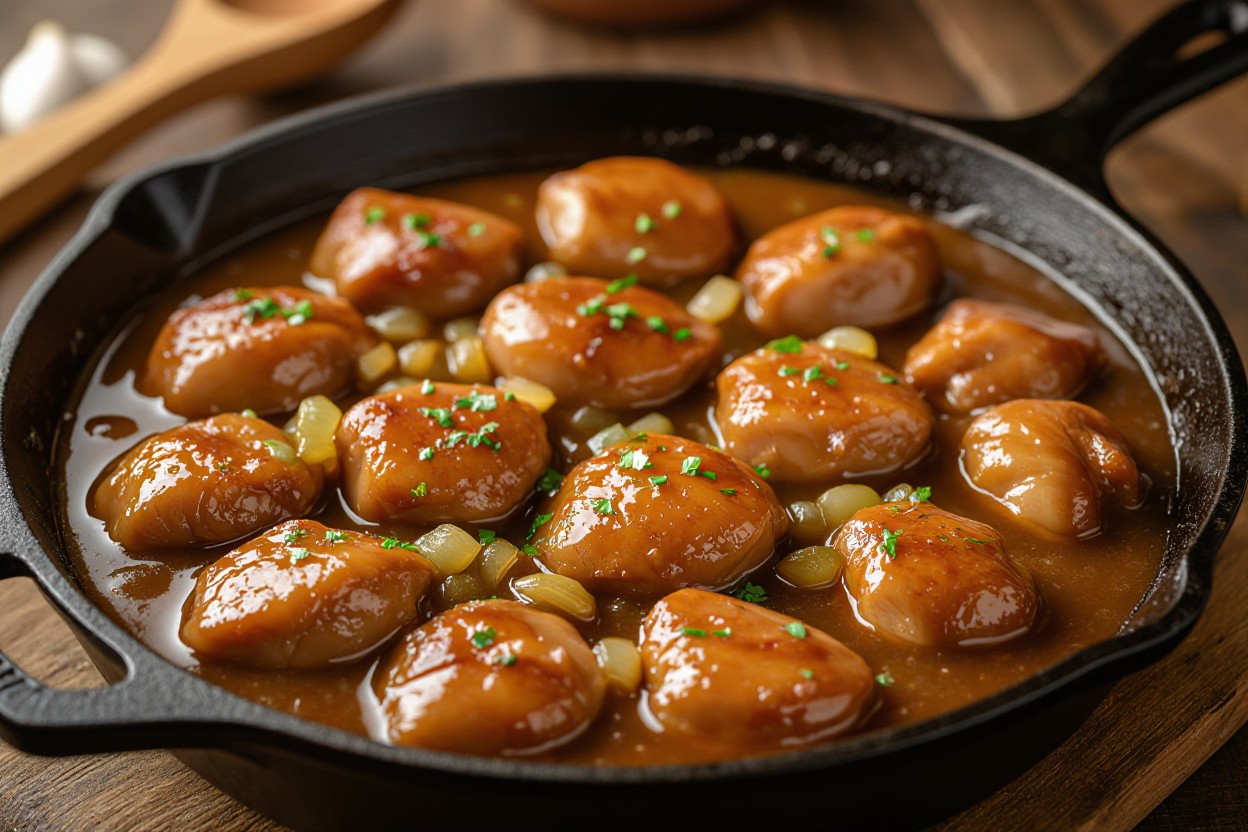
You’ll want to serve your chicken gizzards and gravy in shallow bowls or rimmed plates that can contain the rich sauce without spillage. A bed of fluffy white rice, creamy mashed potatoes, or buttered egg noodles provides the perfect foundation for soaking up every drop of gravy. Garnish your dish with a sprinkle of fresh chopped parsley or green onions to add a pop of color and a subtle fresh note that cuts through the richness. For a more rustic presentation, you can serve the gizzards family-style in a cast iron skillet or vintage serving dish, allowing diners to help themselves.
Your side dishes should complement rather than compete with the hearty main course. Classic Southern accompaniments like collard greens, green beans, or coleslaw add textural contrast and brightness to the plate. A basket of warm cornbread or buttermilk biscuits on the side gives your guests something to mop up the gravy. For special occasions, you can elevate the presentation by serving individual portions in small cast iron skillets or ramekins, which keeps the dish hot throughout the meal and adds an appealing rustic charm to your table.
Portion Sizes
A standard serving of chicken gizzards and gravy typically contains 6 to 8 ounces of cooked gizzards per person, which translates to roughly 8-10 pieces depending on their size. This amount provides approximately 30-35 grams of protein and feels satisfying without being overwhelming. Your gravy should be generous—about ¾ to 1 cup per serving—since the sauce is half the appeal of this dish. If you’re serving the gizzards over rice or mashed potatoes, you’ll need about 1 cup of the starch per person to properly balance the ratio of meat to gravy to base.
For hearty appetites or when serving as the sole protein at dinner, you can increase portions to 10-12 ounces of gizzards per person. Conversely, if you’re offering multiple main dishes or serving the gizzards as part of a larger spread, 4-5 ounces per person works well as a tasting portion. Children typically eat about half the adult portion size, though the texture of gizzards may be an acquired taste for younger palates.
Your leftover strategy should factor into your portioning decisions as well. Chicken gizzards and gravy actually improve in flavor after a day in the refrigerator, as the meat continues to absorb the seasonings. Making extra portions means you’ll have ready-made lunches or quick dinners that simply need reheating with a splash of chicken broth to refresh the gravy’s consistency.
Conclusion
Drawing together the crucial elements of preparing chicken gizzards and gravy, you now have a complete understanding of how to transform this humble organ meat into a deeply satisfying dish. You’ve learned that proper cleaning and trimming set the foundation for success, while slow cooking breaks down the dense muscle tissue into tender, flavorful morsels. The gravy you create from the cooking liquid captures all the rich, savory essence of the gizzards, providing the perfect complement to your choice of sides, whether that’s fluffy rice, creamy mashed potatoes, or warm biscuits.
Your journey with chicken gizzards and gravy connects you to generations of resourceful cooks who understood the value of using every part of the bird. As you master this dish, you’re not just preparing an economical meal—you’re participating in a culinary tradition that celebrates bold flavors and practical cooking. The techniques you’ve acquired here will serve you well, allowing you to consistently produce a comforting, protein-rich meal that delivers on both taste and nutrition. With practice, you’ll develop your own preferences for seasoning and thickness, making this classic recipe uniquely yours.