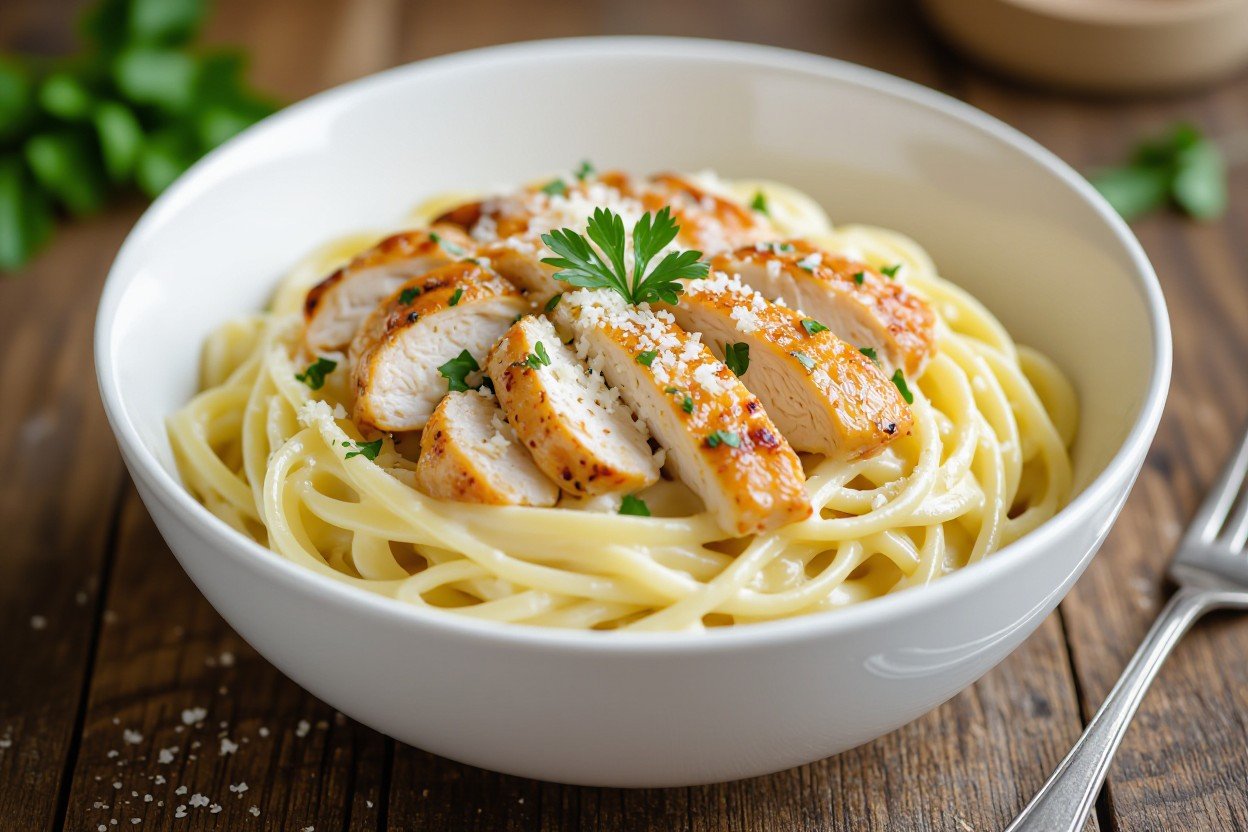
Cajun Chicken Alfredo
Laissez les bons temps rouler with this bold twist on a classic! Cajun Chicken Alfredo combines creamy, rich Alfredo sauce with tender, spice-rubbed chicken for a dish that’s packed with flavor. You’ll love how the smoky Cajun seasoning balances the velvety sauce, creating a meal that’s both comforting and exciting. Whether you’re cooking for a weeknight dinner or impressing guests, this recipe delivers restaurant-quality results in your own kitchen. Ready to elevate your pasta game? Let’s look into how to make this irresistible dish.
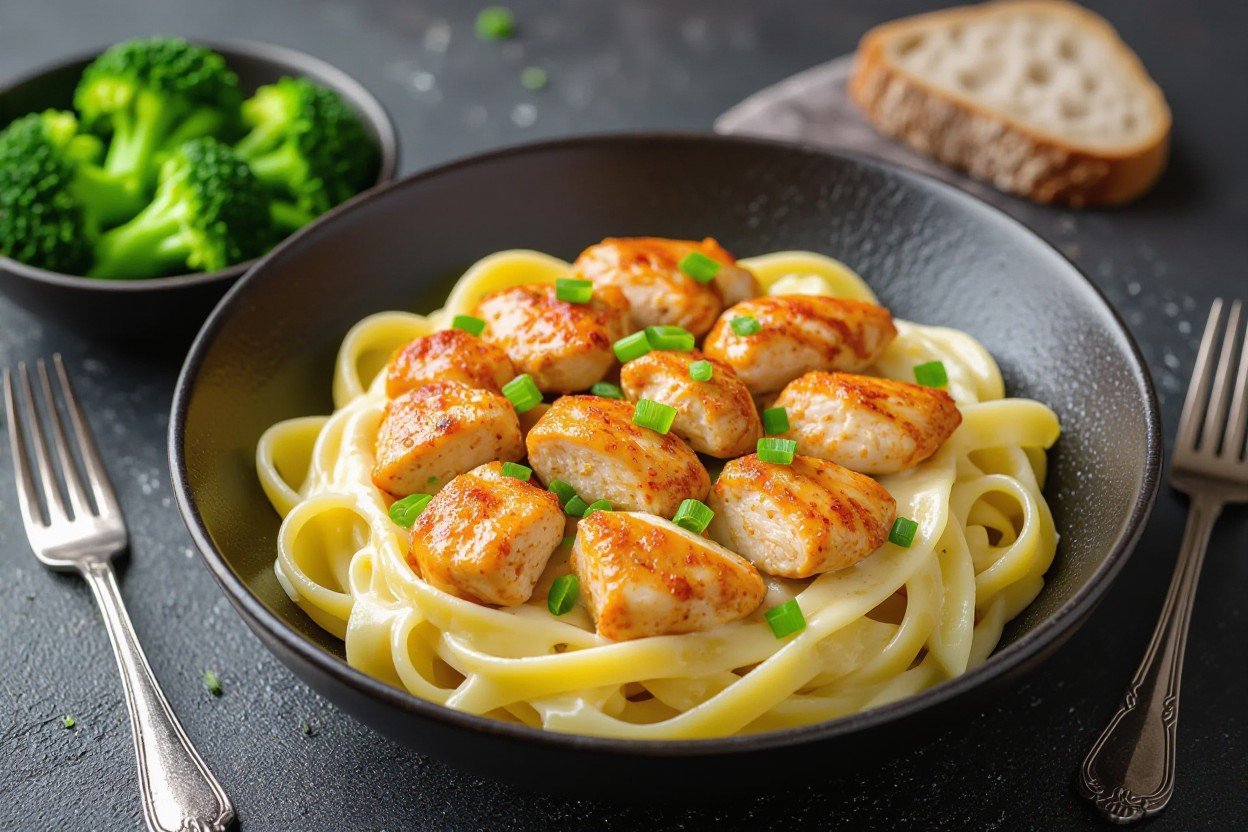
Key Takeaways:
- Spicy Cajun seasoning adds bold flavor to classic creamy Alfredo sauce.
- Grilled or sautéed chicken pairs well with the rich, cheesy pasta.
- Balancing heat and creaminess creates a satisfying, flavorful dish.
Ingredients
Every component of Cajun Chicken Alfredo plays a distinct role in building layers of flavor and texture. From the protein to the seasoning and sauce, each ingredient must be carefully selected to ensure a balanced dish. Let’s break down the crucials.
Chicken
Boneless, skinless chicken thighs or breasts work best for this recipe, offering a tender bite that absorbs the Cajun spices beautifully. Thighs bring a richer flavor due to their higher fat content, while breasts provide a leaner option. For optimal results, slice the chicken into even strips or cubes to ensure quick, uniform cooking.
Marinating the chicken for at least 30 minutes in a blend of olive oil, garlic, and a touch of lemon juice enhances moisture and depth. If you’re short on time, a dry rub of Cajun seasoning right before cooking still delivers bold flavor. Sear the chicken over medium-high heat to develop a golden crust, locking in juices before tossing it into the Alfredo sauce.
Cajun Seasoning
A well-balanced Cajun blend typically includes paprika, garlic powder, onion powder, cayenne, oregano, and thyme. The heat level can be adjusted by tweaking the cayenne—start with ½ teaspoon for mild spice or up to 1½ teaspoons for a fiery kick. Store-bought mixes work, but homemade allows you to control salt levels and customize the flavor profile.
Toasting the spices lightly in a dry pan before mixing intensifies their aroma and depth. If you prefer smokiness, swap sweet paprika for smoked paprika. The seasoning shouldn’t just coat the chicken; it should also be stirred into the Alfredo sauce for a cohesive flavor.
For an extra layer of complexity, add a pinch of celery seed or white pepper to your Cajun mix. These subtle additions elevate the blend without overpowering the dish.
Alfredo Sauce Components
Traditional Alfredo sauce relies on butter, heavy cream, and Parmesan cheese for its velvety texture. European-style butter (with a higher fat content) melts more smoothly, while freshly grated Parmesan incorporates better than pre-shredded varieties, which often contain anti-caking agents. A splash of pasta water helps emulsify the sauce, creating a silky consistency.
For a lighter version, substitute half-and-half for heavy cream, but avoid milk—it lacks the richness needed to thicken properly. Garlic and a pinch of nutmeg add depth, while a squeeze of lemon brightens the richness. Stir the sauce over low heat to prevent curdling and ensure even melting.
If you’re dairy-free, cashew cream blended with nutritional yeast mimics the creaminess and umami of traditional Alfredo. The key is to simmer the sauce gently to achieve the right thickness.
Pasta Options
Fettuccine is the classic choice for Alfredo, its wide ribbons holding onto the creamy sauce. For a twist, try pappardelle or tagliatelle—their thicker texture stands up to the hearty Cajun chicken. If you prefer shorter shapes, penne or rigatoni work well, with their ridges trapping pockets of sauce.
Whole wheat or gluten-free pasta can be used, but adjust cooking times slightly to avoid mushiness. Undercook the pasta by a minute or two—it’ll finish cooking when tossed with the hot sauce. Reserve at least a cup of starchy pasta water to loosen the sauce if needed.
For a low-carb alternative, spiralized zucchini or spaghetti squash adds freshness, though the dish will be lighter. Blanch the zucchini briefly to soften it without turning soggy.
Preparation Steps
Marinating the Chicken
Start by coating your chicken breasts evenly with a blend of Cajun spices—paprika, garlic powder, onion powder, cayenne, and thyme work well. For every pound of chicken, use about 2 tablespoons of the spice mix, massaging it into the meat to ensure full coverage. Let the chicken sit in the marinade for at least 30 minutes, though an hour in the fridge will deepen the flavors. The acidity from a splash of lemon juice or vinegar helps tenderize the meat while amplifying the spices.
If you’re short on time, a 15-minute marinade will still infuse the chicken with bold Cajun flavors, but avoid skipping this step entirely. The spices create a flavorful crust when seared, locking in moisture. For an extra kick, add a teaspoon of hot sauce to the marinade—it’ll complement the creamy Alfredo sauce later.
Cooking the Pasta
Bring a large pot of salted water to a rolling boil—about 4 quarts of water and 2 tablespoons of salt for a pound of fettuccine. Stir the pasta immediately after adding it to prevent sticking, and cook for 8–10 minutes until al dente. Test a strand a minute early; it should have a slight bite but no chalky center. Fresh pasta cooks faster, often in just 2–3 minutes, so adjust your timing accordingly.
Reserve a cup of the starchy pasta water before draining. This liquid is gold for adjusting the consistency of your Alfredo sauce later. If you’re not combining the pasta immediately, toss it with a drizzle of olive oil to keep it from clumping, but avoid overdoing it—too much oil can make the sauce slide right off.
For a richer flavor, swap half the water with chicken broth. The pasta absorbs the savory notes, adding depth to the final dish. If you’re using gluten-free pasta, stir it more frequently to prevent breakage, and check for doneness a minute or two earlier than the package suggests.
Making the Alfredo Sauce
Melt 4 tablespoons of butter in a heavy saucepan over medium heat, then whisk in 2 minced garlic cloves until fragrant—about 30 seconds. Gradually pour in 2 cups of heavy cream, stirring constantly to prevent scorching. Once the mixture simmers, reduce the heat and let it thicken slightly, about 3–4 minutes. Stir in 1½ cups of freshly grated Parmesan, adding it in small handfuls to ensure smooth melting.
If the sauce seems too thick, thin it with a splash of reserved pasta water. For a lighter version, substitute half the cream with whole milk, but keep the heat low to avoid curdling. A pinch of nutmeg or white pepper adds subtle warmth without overpowering the Cajun spices in the chicken.
Quality Parmesan makes a difference here—avoid pre-shredded cheese, which often contains anti-caking agents that can leave the sauce grainy. If you’re dairy-free, cashew cream blended with nutritional yeast mimics the richness of traditional Alfredo surprisingly well.
Combining Ingredients
Slice the marinated chicken into thin strips and toss them into the Alfredo sauce, letting them simmer for 2–3 minutes to soak up the creamy flavors. Add the cooked pasta directly from the colander, using tongs to coat every strand evenly. If the mixture feels too thick, drizzle in pasta water a tablespoon at a time until it reaches a silky consistency.
Garnish with chopped parsley or green onions for a fresh contrast to the rich sauce. Serve immediately—Cajun Chicken Alfredo is best enjoyed hot, as the sauce thickens upon standing. Leftovers reheat well with a splash of milk to revive the creamy texture.
For a smoky twist, fold in a handful of sautéed bell peppers or andouille sausage when combining everything. The extra veggies or protein bulk up the dish without overshadowing the Cajun-Alfredo harmony.

Serving Suggestions
Plating your Cajun Chicken Alfredo with care elevates the dish from a simple weeknight meal to a restaurant-worthy experience. A wide, shallow bowl or pasta plate works best, allowing the creamy sauce to pool around the noodles without overwhelming them. For a touch of elegance, twirl the fettuccine into neat nests using tongs, then drape the chicken slices on top.
Temperature matters—serve the dish immediately after tossing to keep the sauce silky and the chicken tender. If you’re preparing for a crowd, warm your plates briefly in the oven (around 200°F for 5 minutes) to prevent the Alfredo from cooling too quickly. A sprinkle of fresh herbs or a drizzle of high-quality olive oil just before serving adds visual appeal and a burst of flavor.
Garnishes
Fresh parsley or basil lends a pop of color and a bright contrast to the rich Alfredo sauce. For a hint of heat, thinly sliced jalapeños or a pinch of red pepper flakes work beautifully. Grated Parmesan or Pecorino Romano cheese melts slightly into the warm pasta, enhancing the dish’s umami depth without overpowering the Cajun spices.
Crumbled bacon or toasted breadcrumbs add texture, creating a satisfying crunch with each bite. If you’re aiming for a bolder presentation, a few whole black peppercorns or a light dusting of smoked paprika can make the dish Instagram-ready. Just avoid overloading—garnishes should complement, not compete with, the star ingredients.
Pairing with Sides
A crisp green salad with a tangy vinaigrette cuts through the richness of the Alfredo, balancing the meal. Opt for romaine or arugula with cherry tomatoes and shaved red onions for a refreshing contrast. Garlic bread or a toasted baguette is a classic choice, perfect for soaking up every last drop of sauce.
Roasted vegetables like asparagus, zucchini, or bell peppers add a smoky note that harmonizes with the Cajun seasoning. For a heartier option, creamy coleslaw or buttery cornbread leans into the Southern-inspired flavors. Avoid overly heavy sides—stick to dishes that provide texture or acidity to keep the meal well-rounded.
If you’re serving a crowd, consider doubling down on comfort with a side of cheesy grits or dirty rice. The earthy spices in these dishes mirror the Cajun seasoning in the chicken, creating a cohesive flavor profile. Just keep portions modest—the pasta itself is plenty filling.
Variations of Cajun Chicken Alfredo
Switching up your Cajun Chicken Alfredo keeps the dish exciting while letting you tailor it to your preferences. Whether you’re craving richer flavors, extra protein, or a veggie-packed twist, small tweaks can transform the classic recipe. Below are two standout variations that elevate the dish without complicating it.
Seafood Additions
Shrimp, crawfish, or even scallops blend seamlessly with Cajun spices and creamy Alfredo sauce. For a surf-and-turf version, toss in peeled, deveined shrimp during the last 3–4 minutes of cooking—they’ll turn pink and opaque quickly. If you prefer bolder seafood, try crawfish tails; their slightly sweet, briny flavor cuts through the richness of the sauce. A 2022 survey by the National Restaurant Association found that 68% of chefs consider seafood Alfredo a top-requested variation, proving its popularity.
Lobster adds luxury, especially when paired with a touch of smoked paprika for depth. For best results, use pre-cooked lobster meat and warm it gently in the sauce to avoid overcooking. Crab meat, though delicate, works well if folded in just before serving. Just be sure to balance the dish with a squeeze of lemon to brighten the flavors.
Vegetable Boosts
Roasted bell peppers, spinach, or mushrooms add texture and nutrients without overpowering the dish. Sauté sliced cremini mushrooms with the chicken for an earthy undertone, or wilt fresh spinach into the sauce for a pop of color. A study by the Culinary Institute of America found that adding just one cup of spinach increases the dish’s vitamin A content by 56%, making it a simple yet impactful upgrade.
For a smoky-sweet twist, charred corn or caramelized onions work wonders. Roasted cherry tomatoes burst with acidity, cutting through the creaminess, while asparagus spears add a crisp bite. If you’re short on time, frozen peas or broccoli florets steam quickly right in the pan. The key is to balance hearty vegetables with the sauce’s richness so neither element dominates.
Grilled zucchini or eggplant slices can also layer into the dish for a low-carb alternative. Toss them with olive oil and Cajun seasoning before cooking to infuse extra flavor. For a restaurant-worthy presentation, arrange the vegetables on top before serving, letting their colors and textures shine.
Nutritional Information
Cajun Chicken Alfredo is a rich, indulgent dish, but understanding its nutritional profile helps you enjoy it mindfully. A typical serving (about 1.5 cups) packs around 750–900 calories, with 45–55 grams of fat, 60–70 grams of carbs, and 35–45 grams of protein. The heavy cream, butter, and Parmesan cheese contribute to the high saturated fat content, while the Cajun seasoning adds minimal calories but boosts flavor without extra sodium if you control the blend.
Balancing this meal with lighter sides, like a crisp green salad or steamed vegetables, can round out your plate. If you’re tracking macros, the dish leans heavily toward fats and carbs, making it a occasional treat rather than an everyday staple. For those with dietary restrictions, gluten-free pasta or zucchini noodles can lower the carb count significantly.
Caloric Breakdown
Nearly 60% of the calories in Cajun Chicken Alfredo come from fats, primarily due to the heavy cream and butter. A single tablespoon of butter adds 100 calories and 11 grams of fat, while a half-cup of heavy cream contributes another 400 calories and 44 grams of fat. The remaining calories split between protein from the chicken and carbs from the pasta, with each ounce of grilled chicken breast providing roughly 50 calories and 9 grams of protein.
Swapping regular pasta for a whole-grain or legume-based version can increase fiber content by 3–5 grams per serving, slowing digestion and keeping you fuller longer. Even small adjustments, like reducing the cream by half and substituting with low-fat milk, can cut 200–300 calories without sacrificing creaminess.
Healthier Substitutions
Greek yogurt or blended cottage cheese can replace heavy cream for a protein-packed, lower-fat Alfredo sauce. A half-cup of non-fat Greek yogurt has just 60 calories and 10 grams of protein compared to heavy cream’s 400 calories. Nutritional yeast or a sprinkle of aged Parmesan can amplify umami flavors without overloading on dairy fats. For a dairy-free option, cashew cream soaked overnight and blended with garlic mimics the texture of traditional Alfredo.
Chicken thighs, though flavorful, contain nearly twice the calories of breast meat per ounce. Opting for skinless, grilled chicken breast slashes saturated fat while keeping the Cajun spice’s punch. If sodium is a concern, make your own Cajun blend with smoked paprika, garlic powder, and cayenne to avoid the preservatives in pre-mixed versions.
Roasted cauliflower puree can thicken the sauce while adding vitamins C and K, and swapping in spiralized vegetables like zucchini or butternut squash for pasta reduces carbs by up to 80%. These tweaks don’t just lighten the dish—they layer in nutrients without losing the soul of the recipe.
Frequently Asked Questions
Can I Use Heavy Cream Instead of Half-and-Half?
Absolutely—heavy cream will give your Cajun Chicken Alfredo an even richer, silkier texture. Just keep in mind that it’s about 36-40% fat compared to half-and-half’s 10-12%, so you might want to thin it slightly with a splash of chicken broth or milk. Many professional chefs prefer heavy cream for its stability, as it’s less likely to curdle when simmered with acidic ingredients like lemon juice or Cajun spices.
How Spicy Should the Cajun Seasoning Be?
The heat level is entirely up to you, but a balanced Cajun blend typically includes paprika, garlic powder, onion powder, cayenne, and black pepper. If you’re sensitive to spice, start with 1 teaspoon of seasoning per pound of chicken and adjust from there. For reference, a standard Cajun mix like Tony Chachere’s contains about 30-40mg of sodium per serving, so taste as you go to avoid over-salting your dish.
To wrap up
The Cajun Chicken Alfredo is a dish that brings together bold flavors and creamy textures for a satisfying meal. By balancing the heat of Cajun seasoning with the richness of Alfredo sauce, you create a dish that’s both comforting and exciting. Whether you’re cooking for a weeknight dinner or impressing guests, this recipe offers versatility and depth, allowing you to adjust the spice level to suit your taste.
The key to mastering this dish lies in your technique—properly searing the chicken to lock in juices and evenly coating the pasta in the sauce ensures every bite is flavorful. With its combination of simplicity and complexity, Cajun Chicken Alfredo proves that you don’t need elaborate ingredients to make a memorable meal. Once you try it, you’ll understand why it’s a favorite for those who appreciate hearty, well-seasoned dishes.
Printable Recipe Card
Want just the essential recipe details without scrolling through the article? Get our printable recipe card with just the ingredients and instructions.