Garlic Herb Roasted Potatoes
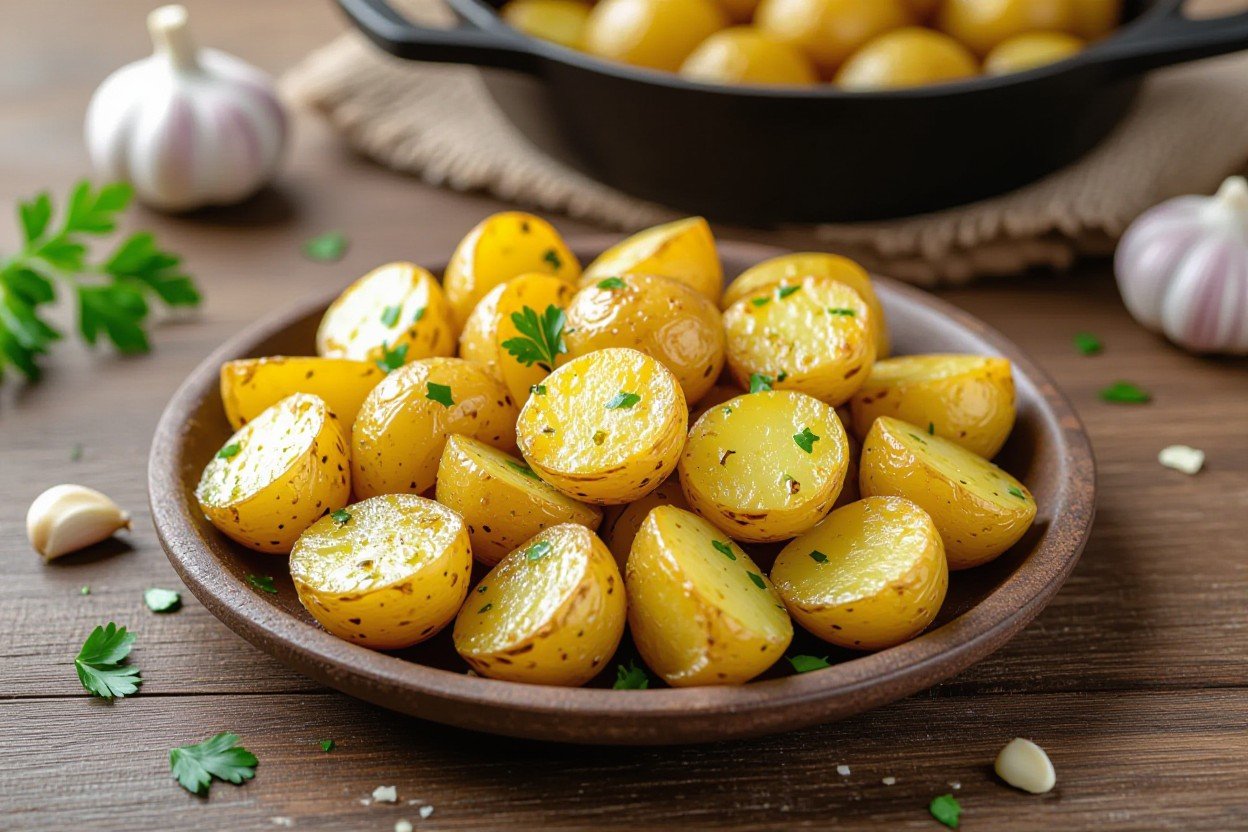
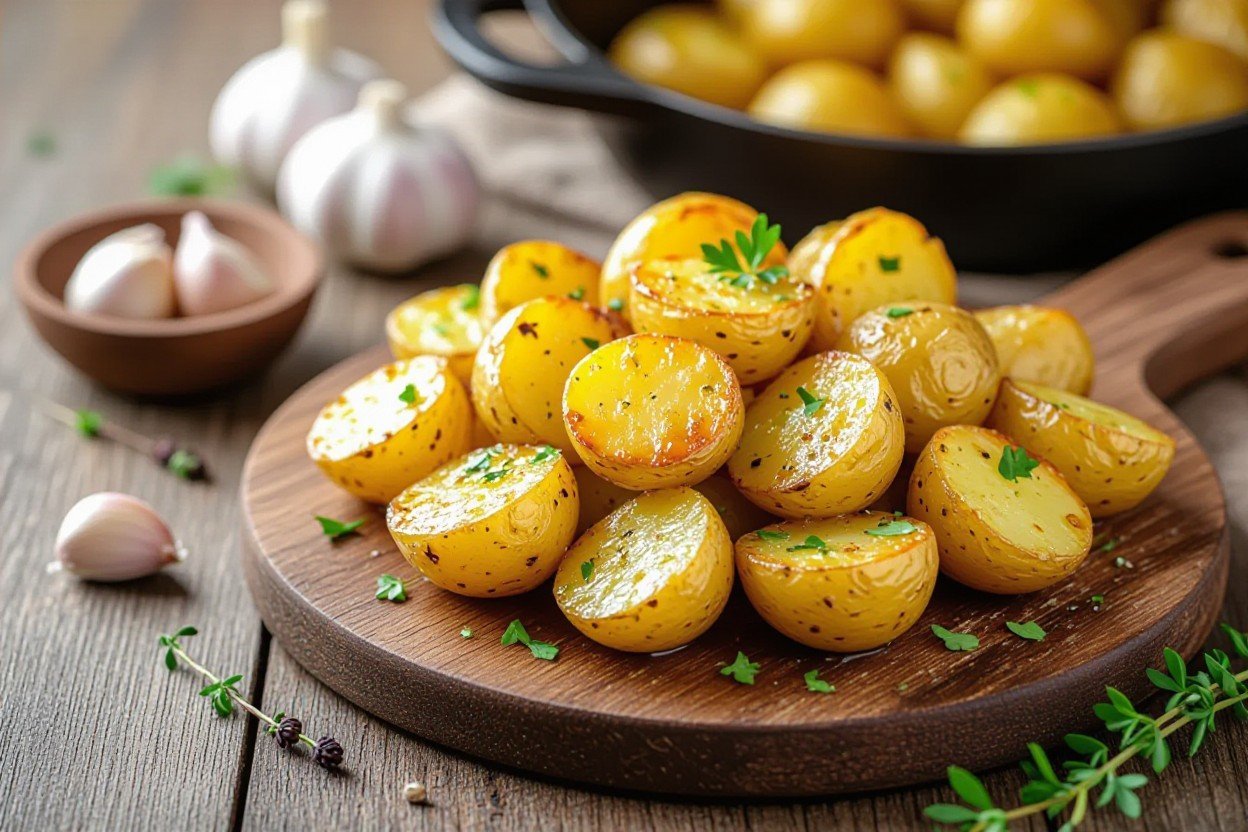
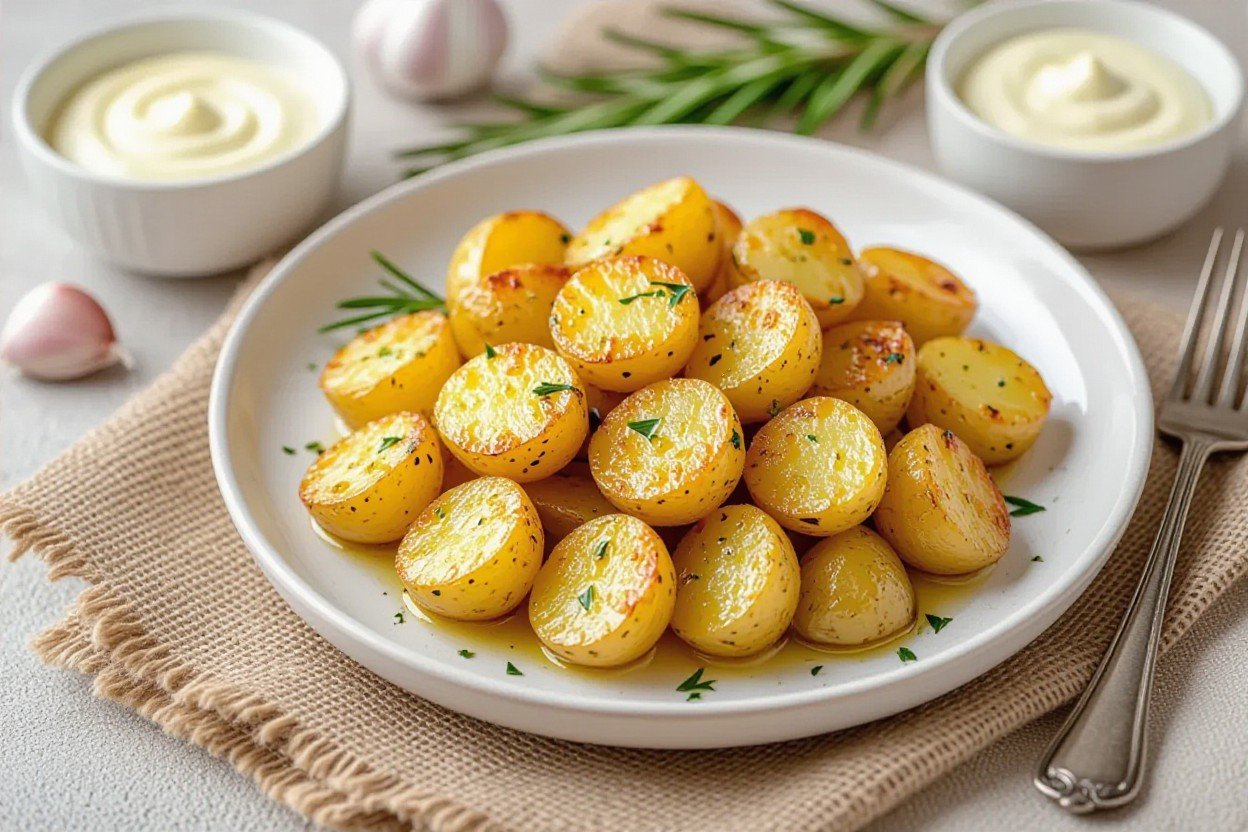
It’s hard to resist the alluring aroma of perfectly roasted potatoes, especially when they’re infused with garlic and fresh herbs. You’ll find these golden-brown beauties are not just a classic side dish, but a versatile addition to your culinary repertoire. With their crispy exterior and fluffy interior, these potatoes deliver a satisfying texture that complements any meal. Whether you’re preparing a weeknight dinner or hosting a special occasion, your guests will appreciate the rich flavors and professional finish of this timeless dish.
Key Takeaways:
- Cutting potatoes into uniform sizes ensures even cooking and consistent texture throughout the dish
- Preheating the pan before adding potatoes creates a crispy golden exterior while maintaining a fluffy interior
- Tossing potatoes with herbs and garlic halfway through roasting maximizes flavor without burning the aromatics
The Flavor Chemistry of Garlic and Herbs
The magic of garlic lies in its complex sulfur compounds, particularly allicin, which creates that distinctive pungent aroma when garlic cells are crushed or cut. This chemical reaction intensifies during the roasting process, as heat transforms these compounds into sweeter, more mellow flavor molecules that penetrate deep into your potatoes.
Key Aromatics in Garlic
Raw garlic contains alliin, which converts to allicin when you slice or crush the cloves. During roasting, allicin breaks down further into dozens of different compounds, including diallyl disulfide and diallyl trisulfide. These molecules create the rich, sweet-savory notes that make your roasted garlic so irresistible. At 375°F (190°C), these transformations happen gradually, allowing the garlic’s flavors to develop without burning.
The oil-soluble nature of garlic’s flavor compounds means they bond particularly well with the olive oil coating your potatoes. This chemical affinity helps distribute the garlic flavor evenly throughout your dish, while also protecting the garlic from burning during the roasting process.
Complementary Herbs for Maximum Impact
Fresh rosemary contains pinene and eucalyptol, aromatic compounds that release their flavors slowly during roasting. Thyme offers thymol and carvacrol, which contribute earthy, slightly minty notes. These herbs work synergistically with garlic’s sulfur compounds to create a more complex flavor profile that enhances your potatoes’ natural sweetness.
The timing of herb addition significantly affects their flavor contribution. Adding hardier herbs like rosemary and thyme at the beginning of roasting allows their oil-soluble compounds to fully infuse into the dish. More delicate herbs like parsley contain volatile compounds that dissipate quickly with heat, making them ideal for adding just before serving to provide bright, fresh notes that contrast with the deeper roasted flavors.
Your herb selection can be tailored to create specific flavor profiles. Mediterranean combinations of rosemary, thyme, and oregano provide intense aromatic notes, while French-inspired blends might include tarragon and chervil for a more subtle, anise-like character. Each herb brings unique volatile compounds that contribute to the overall aromatic complexity of your roasted potatoes.
Mastering the Perfect Roast
The path to golden-brown, crispy-on-the-outside, fluffy-on-the-inside roasted potatoes lies in understanding the delicate balance of temperature, timing, and technique. Your success depends on maintaining a consistent oven temperature of 425°F (218°C), while giving the potatoes enough space on the baking sheet to develop their crispy exterior. The roasting process typically takes 45-55 minutes, with a strategic flip halfway through to ensure even browning.
Choosing the Right Potato Varieties
Starchy potatoes like Russets and Yukon Golds deliver the best results for roasting, thanks to their high starch content and ability to develop a crispy exterior. Russets offer a particularly fluffy interior, while Yukon Golds provide a naturally buttery flavor and beautiful golden color when roasted. Red potatoes can work in a pinch, but their waxy nature means they won’t achieve quite the same level of crispiness.
Your potato size selection makes a significant difference in the final result. Cut larger potatoes into 1-inch cubes for even cooking – anything smaller risks burning before achieving that perfect interior texture. For fingerling or baby potatoes, simply halving them lengthwise creates the ideal surface area for browning while maintaining their charming shape.
Essential Cooking Techniques for Crispy Texture
The secret to achieving that coveted crispy exterior starts with parboiling your potatoes for 5-7 minutes, then roughing up the edges by shaking them in the colander. This creates more surface area for oil to cling to and ultimately crisp up. Preheating your baking sheet while the oven warms ensures the potatoes start sizzling the moment they hit the pan, jumpstarting the browning process.
Your oil choice plays a vital role in the roasting process. While extra virgin olive oil adds flavor, combining it with a higher smoke-point oil like avocado or grapeseed (ratio 1:1) allows you to roast at higher temperatures without burning. Tossing the potatoes in this oil mixture while they’re still hot from parboiling helps the seasoning adhere better and promotes even browning.
Spacing your potatoes at least an inch apart prevents steam from getting trapped between them, which would make them soggy instead of crispy. Rotating the pan halfway through cooking and flipping each piece ensures the hot air circulates evenly, creating that signature golden-brown crust on all sides. A final blast under the broiler for 2-3 minutes can add extra crispiness to stubborn spots.
Culinary Variations to Explore
Global Influences on Garlic Herb Potatoes
Mediterranean flavors transform these roasted potatoes with the addition of oregano, rosemary, and a splash of lemon juice. You can embrace Greek-style preparation by tossing the potatoes with olive oil, fresh oregano, and crumbled feta cheese just before serving. French-inspired versions incorporate herbs de Provence, while Italian variations might include fresh basil and grated Parmesan cheese.
Asian-fusion adaptations bring exciting new dimensions to your roasted potatoes. Try tossing them with sesame oil, minced ginger, and garlic before roasting, then finish with a sprinkle of furikake or togarashi. Indian-spiced versions feature turmeric, cumin, and coriander, creating a vibrant yellow hue and complex flavor profile that pairs beautifully with yogurt-based dips.
Incorporating Seasonal Ingredients for Freshness
Spring brings tender herbs like chives, dill, and young garlic shoots that add bright, fresh notes to your roasted potatoes. Summer’s bounty offers opportunities to incorporate fresh basil, oregano, and thyme straight from the garden. Fall and winter variations can feature hardier herbs like sage and rosemary, complemented by roasted garlic cloves that become sweeter and more mellow during the cooking process.
Your seasonal adaptations can extend beyond herbs – try adding roasted cherry tomatoes in summer, caramelized shallots in fall, or preserved lemon in winter. Each season’s produce brings unique flavors that elevate the basic recipe into something special. Farmers’ markets offer inspiration for combining local, seasonal ingredients with your garlic herb potatoes.
The versatility of seasonal ingredients allows you to create unique flavor combinations throughout the year. Early spring ramps or green garlic provide a wild, pungent kick, while late summer’s abundance of fresh herbs lets you experiment with complex bouquets of flavor. Your potato dish becomes a canvas for showcasing the best produce each season has to offer, ensuring the recipe never becomes monotonous.
Meal Pairings That Elevate Your Dish
Complementary Proteins and Vegetables
These garlic herb roasted potatoes shine brightest when paired with protein-rich mains like herb-crusted roast chicken, grilled salmon, or a perfectly seared steak. The potatoes’ crispy exterior and tender interior create a delightful textural contrast with juicy meats, while their aromatic herbs complement most protein preparations. For a complete meal, add green vegetables like roasted Brussels sprouts, steamed asparagus, or sautéed green beans to bring color and nutritional balance to your plate.
Your vegetarian options include serving these potatoes alongside grilled portobello mushrooms, roasted cauliflower steaks, or plant-based protein alternatives. The versatile nature of these potatoes means they work equally well with Mediterranean-style dishes like Greek salads and falafel, or classic comfort food pairings such as meatloaf and roasted vegetables.
Wine and Beverage Suggestions
The robust flavors of garlic and herbs in these roasted potatoes call for wines that can match their intensity. A medium-bodied Chardonnay offers buttery notes that complement the potatoes’ richness, while a Sauvignon Blanc’s herbal characteristics echo the dish’s seasoning. For red wine enthusiasts, try a light to medium-bodied Pinot Noir or a Spanish Rioja, which won’t overpower the potatoes’ delicate herb profile.
Beyond wine, craft beer enthusiasts might enjoy pairing these potatoes with a Belgian ale or a hoppy IPA, whose bitter notes create an interesting contrast with the potatoes’ savory profile. For non-alcoholic options, sparkling water infused with lemon and herbs or a crisp ginger beer can cleanse your palate between bites and enhance the overall dining experience.
Consider serving temperature when planning your beverage pairings – white wines should be chilled to 45-50°F, while red wines are best served slightly cooler than room temperature at 60-65°F. This temperature range ensures the wines’ flavors fully complement the warm, aromatic potatoes without overwhelming their subtle herb notes.
Behind the Scenes: The Health Benefits of Garlic
Nutritional Value of Garlic and Potatoes
Your garlic herb roasted potatoes pack a powerful nutritional punch, combining two superstar ingredients. A single clove of garlic contains only 4 calories while delivering 1% of your daily manganese needs and trace amounts of vitamins B6 and C. Potatoes complement this profile perfectly – a medium potato provides 110 calories, 26 grams of complex carbohydrates, and an impressive 620mg of potassium, meeting 15% of your daily requirement.
By pairing these ingredients, you’re creating a dish that delivers both immediate and long-term health benefits. The potatoes’ resistant starch feeds beneficial gut bacteria, while their high fiber content (2 grams per serving) helps maintain steady blood sugar levels. Meanwhile, garlic’s compounds work synergistically with the potatoes’ nutrients to enhance their absorption and effectiveness.
The Science of Garlic’s Medicinal Properties
The magic of garlic lies in allicin, a compound that forms when you crush or chop the cloves. This sulfur-containing molecule gives garlic its distinctive aroma and is responsible for many of its health-promoting properties. Research shows that allicin can help reduce blood pressure by up to 8-10 points systolic and 6-7 points diastolic. Your body converts allicin into various sulfur-containing compounds that boost immune function and reduce inflammation.
The roasting process you’re using for these potatoes actually enhances garlic’s beneficial properties. While raw garlic contains the enzyme alliinase, which creates allicin, gentle heating helps stabilize these compounds, making them more bioavailable. Studies indicate that roasted garlic maintains about 70% of its antioxidant capacity while developing a sweeter, more complex flavor profile that complements the potatoes perfectly.
Clinical studies have demonstrated garlic’s impressive ability to combat various pathogens, including certain antibiotic-resistant bacteria. The compound ajoene, formed during garlic’s thermal processing, has shown particular promise in fighting fungal infections and preventing blood clot formation. Your roasted garlic potatoes aren’t just delicious – they’re delivering these powerful compounds in a form your body can readily absorb and utilize.
Final Words
Following this recipe will help you create perfectly seasoned, crispy-on-the-outside, tender-on-the-inside garlic herb roasted potatoes that will elevate any meal. You’ll find that mastering the right temperature and timing, along with proper spacing on the baking sheet, makes all the difference in achieving that golden-brown exterior you’re looking for. Your family and guests will appreciate the aromatic blend of fresh herbs and garlic that makes this dish so irresistible.