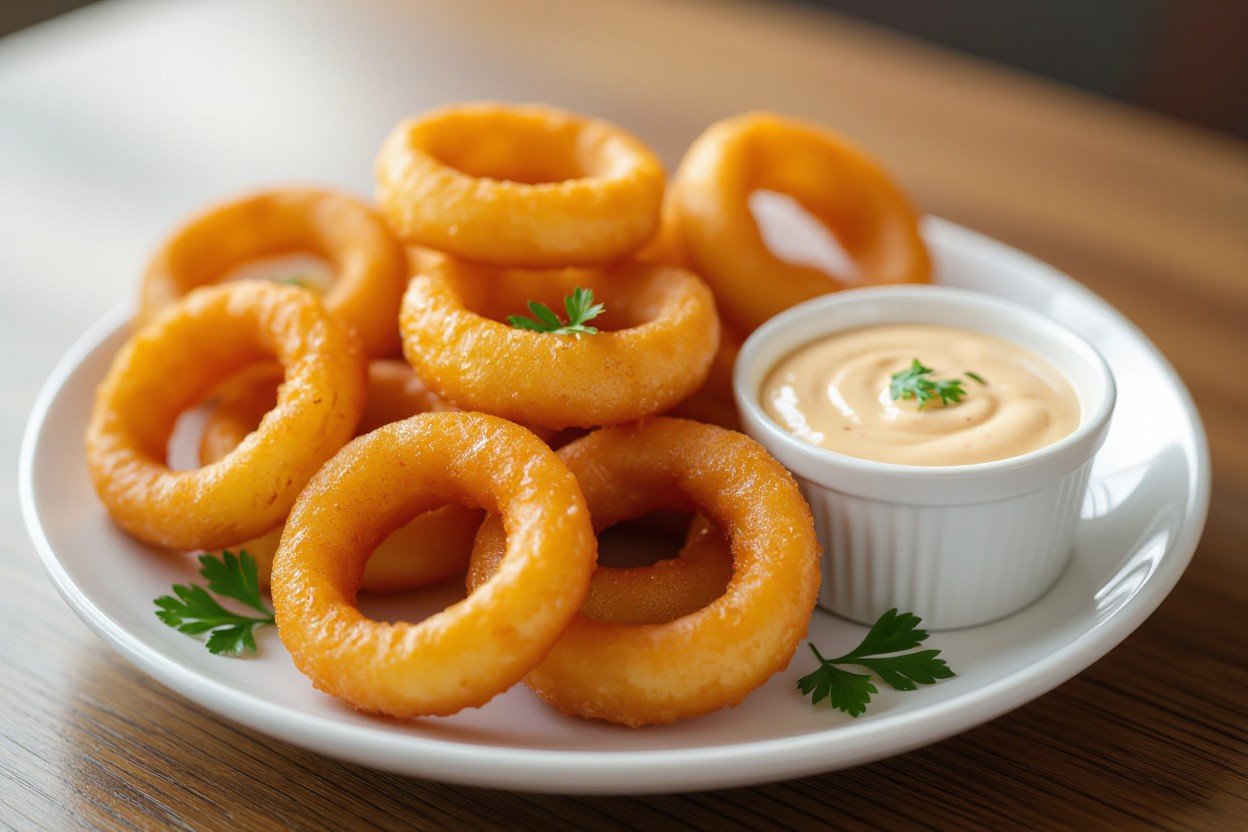
Crispy Onion Rings
You’ve probably ordered onion rings countless times at restaurants, but making them at home can give you even better results. These golden-brown circles of perfection combine a light, crunchy coating with tender, sweet onions inside. By mastering a few key techniques, you can create onion rings that are uniformly crispy, never greasy, and maintain their crunch long after they leave the fryer. Whether you’re planning a burger night or just craving a classic snack, your homemade version will rival any restaurant’s offering.
Key Takeaways:
- Double-dipping the onion rings in batter and breadcrumbs creates an extra crunchy coating that stays crispy longer
- Soaking onion rings in buttermilk before coating helps tenderize the onions and ensures better batter adhesion
- Maintaining oil temperature between 350-375°F (175-190°C) is crucial for achieving golden-brown, evenly cooked rings
The Art of Onion Selection
Selecting the perfect onion serves as the foundation for creating restaurant-quality onion rings. The right onion provides the ideal balance of natural sweetness and savory depth that elevates your rings from good to exceptional. Your selection process should focus on both variety and quality to achieve that satisfying crunch and flavor that keeps everyone coming back for more.
Choosing the Right Onion Varieties
Sweet onion varieties like Vidalia, Walla Walla, and Maui deliver the most crowd-pleasing results for onion rings. These varieties contain higher sugar content and lower sulfur compounds, resulting in a milder, more pleasant taste that caramelizes beautifully during frying. Yellow onions offer a more robust, traditional flavor profile that works well when you’re aiming for a more intense taste experience.
Size matters significantly in your selection process – look for onions measuring 3-4 inches in diameter. This size range allows you to create rings that are substantial enough to maintain their shape during frying while remaining manageable for even cooking. Avoid onions larger than 5 inches, as they often have tougher layers that can become chewy rather than crispy.
The Role of Freshness in Flavor
Fresh onions provide firmer, more defined rings that hold their shape better during the battering and frying process. You’ll know you’ve found fresh onions when they feel heavy for their size and show no signs of soft spots or sprouting. The outer skin should be crisp and crackly, with no discoloration or moisture.
The storage conditions of your onions directly impact their performance in your recipe. Store them in a cool, dry, well-ventilated space around 45-55°F. This temperature range preserves their natural sugars and prevents sprouting, ensuring your onions maintain optimal flavor and texture for up to two weeks.
Understanding the moisture content of fresh onions helps you achieve better results – fresher onions typically contain 88-93% water. This natural moisture content affects how your batter adheres and how the onions cook. By selecting onions at peak freshness, you’ll notice they slice more cleanly, maintain their ring structure better during preparation, and deliver a more satisfying crunch in the final product.
The Secret to the Perfect Batter
The ideal onion ring batter strikes a delicate balance between thickness and lightness – too thick and it becomes doughy, too thin and it won’t adhere properly. Your batter should coat the back of a spoon while still dripping off smoothly, similar to the consistency of pancake batter. Adding carbonation through beer or club soda creates tiny air bubbles that expand during frying, resulting in an airy, crispy coating that shatters satisfyingly with each bite.
Key Ingredients for Crispy Coating
Rice flour mixed with all-purpose flour forms the foundation of an exceptionally crispy coating. The rice flour’s lower protein content prevents gluten formation while creating a delightfully crunchy exterior. Adding cornstarch to your dry mix further ensures crispiness by inhibiting gluten development and helping moisture evaporate quickly during frying.
Your seasoning blend plays a dual role in the batter – enhancing flavor while also affecting texture. Salt draws moisture from the onion, helping the coating adhere better, while spices like paprika and garlic powder become more aromatic when heated in oil. A pinch of baking powder creates additional bubbles in the batter, contributing to a lighter, crispier result.
Techniques for Achieving Optimal Crispiness
Temperature control makes or breaks your onion rings’ texture. Maintaining oil at 350-375°F (175-190°C) allows the coating to seal quickly, trapping steam inside that cooks the onion while keeping the exterior crispy. Working in small batches prevents oil temperature from dropping too low, which would result in greasy, soggy rings.
Double-dipping your onion rings creates layers of crunchiness that hold up better over time. Dip each ring in seasoned flour, then batter, followed by a coating of panko breadcrumbs. Let the rings rest on a wire rack for 5-10 minutes before frying – this setting time allows the coating to adhere firmly and results in fewer pieces falling off during cooking.
Your draining technique affects the final crispiness significantly. Rather than using paper towels, which can trap steam and make the coating soggy, arrange fried rings on a wire rack set over a baking sheet. This allows air to circulate freely, keeping the exterior crispy while excess oil drips away. A light sprinkle of salt immediately after frying not only seasons the rings but also helps absorb any remaining surface moisture.
Frying Techniques That Make a Difference
The path to perfectly crispy onion rings lies in mastering specific frying techniques that transform ordinary battered onions into golden-brown circles of delight. Your attention to detail during the frying process directly impacts the final texture and taste of your onion rings, from maintaining precise oil temperatures to implementing proven methods like double frying.
Temperature Control for Golden Perfection
Essential Temperature Guidelines
| Stage | Temperature Range |
|---|---|
| Initial Oil Heat | 350-365°F (175-185°C) |
| First Fry | 325-340°F (163-171°C) |
| Second Fry | 375°F (190°C) |
Monitoring your oil temperature with a reliable thermometer ensures consistent results every time. Your oil should maintain a steady temperature between 350-365°F for optimal frying. Working in small batches prevents temperature drops that lead to greasy, soggy rings. Allow the oil to recover its temperature between batches, typically taking 2-3 minutes.
The Benefits of Double Frying
Double frying creates an exceptionally crispy exterior while maintaining a tender interior. Your first fry at a lower temperature (325-340°F) cooks the onion through and sets the batter. After a brief rest period of 5-10 minutes, the second fry at 375°F develops that signature golden-brown crunch that makes restaurant-quality onion rings so irresistible.
The resting period between fries allows moisture to escape from the batter, resulting in a crispier final product. During this time, the internal structure of your batter stabilizes, preventing the dreaded soggy texture that can occur with single-fry methods. Professional kitchens have long used this technique to achieve consistently crunchy results that hold up well even after sitting for several minutes.
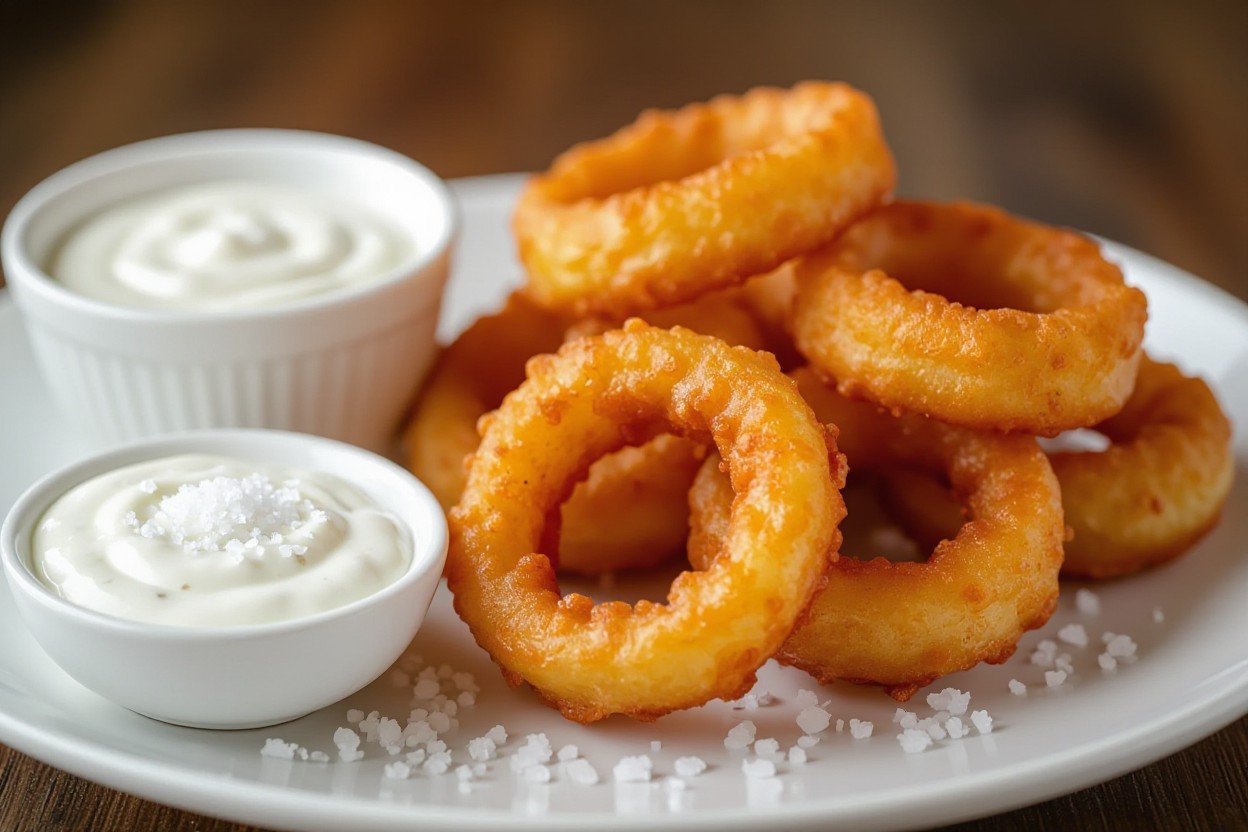
Seasoning and Flavor Enhancements
The right combination of seasonings transforms good onion rings into extraordinary ones. Beyond basic salt and pepper, your batter and breading present perfect opportunities to layer in complex flavors that complement the natural sweetness of the onions. The seasoning process starts with your flour dredge and continues through to the final sprinkle before serving.
Exploring Unique Spice Blends
Mix paprika, garlic powder, and cayenne pepper into your flour coating for a classic seasoned blend that adds depth without overwhelming heat. For an Asian-inspired twist, incorporate five-spice powder and white pepper into your batter – these warm spices create an unexpected but delightful flavor profile that pairs beautifully with sweet onions.
Your breading mixture can handle bolder seasonings like Old Bay, ranch powder, or even finely grated Parmesan cheese mixed with dried herbs. These additions create distinctive variations that’ll make your onion rings stand out. For extra kick, add a pinch of chipotle powder or smoked paprika to give your rings a subtle smoky note.
Dipping Sauces That Complement Onion Rings
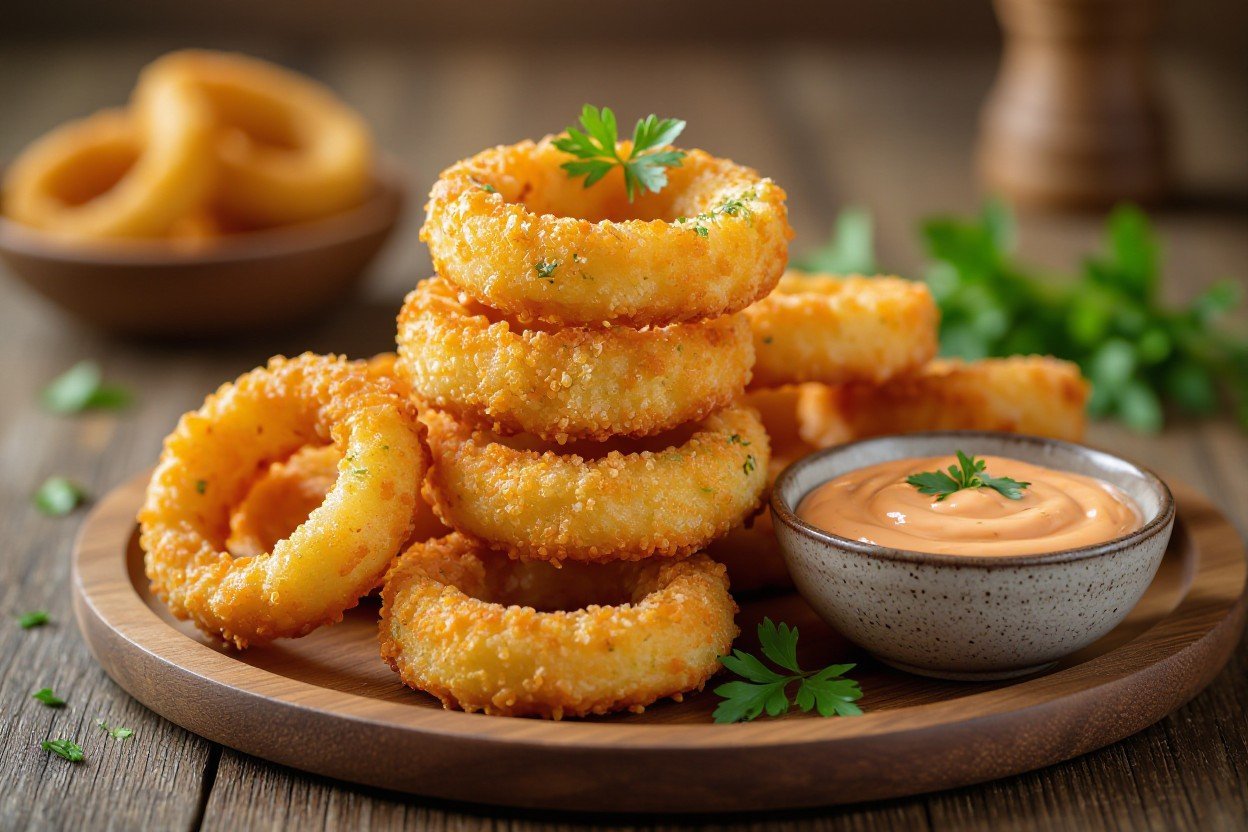
While classic ketchup never disappoints, expanding your dipping sauce horizons elevates the entire onion ring experience. Mix mayonnaise with sriracha and lime juice for a spicy-tangy sauce, or blend honey with whole grain mustard for a sweet-savory option. Garlic aioli, ranch dressing, and barbecue sauce each bring their own unique enhancement to crispy onion rings.
Consider creating a signature sauce by combining equal parts sour cream and mayonnaise with chopped fresh herbs, minced garlic, and a splash of Worcestershire sauce. This creamy, herb-forward blend cuts through the richness of the fried coating while complementing the onion’s natural flavors. For best results, prepare your sauces at least 30 minutes before serving to allow the flavors to meld together.
Beyond the Classic: Creative Twists on Onion Rings
Unique Additions and Variations
Your onion ring game can reach new heights by incorporating unexpected flavors and textures into the coating. Mix finely crushed pretzels, potato chips, or even corn flakes into your breadcrumb mixture for added crunch and complexity. Spice blends like Cajun seasoning, ranch powder, or Japanese togarashi can transform the flavor profile completely while maintaining that satisfying crunch.
Beer batter variations open up even more possibilities – dark stouts add richness and color, while IPAs contribute hoppy notes that complement the onion’s natural sweetness. You can also experiment with alternative flours like chickpea flour for gluten-free rings, or tempura-style batters using rice flour and sparkling water for an airy, delicate coating that shatters beautifully.
Baking vs. Frying: A Healthier Approach
While traditional deep-frying delivers that classic golden crunch, baked onion rings can achieve impressive results with significantly less oil. Preheating your baking sheet and coating it with a thin layer of oil helps create that crucial initial sear. A light spray of cooking oil over the breaded rings before baking at 425°F (218°C) for 15-20 minutes yields a satisfyingly crispy exterior.
Air fryers take the health-conscious approach even further, requiring just a light spritz of oil to achieve deep-fried texture. Your air-fried rings will need only 8-10 minutes at 375°F (190°C), with a quick flip halfway through. The circulating hot air creates an evenly golden crust while keeping the onions tender inside – proving you don’t need a deep fryer for restaurant-quality results.
For optimal results with either baking method, consider using panko breadcrumbs, which create a lighter, more delicate coating than traditional breadcrumbs. You’ll also want to arrange the rings in a single layer with space between each one to allow proper air circulation – overcrowding leads to steaming rather than crisping.
To wrap up
Upon reflecting, you’ll find that creating restaurant-quality onion rings at home is well within your reach when you follow the proper techniques and use the right ingredients. Your attention to details like maintaining consistent oil temperature, selecting fresh onions, and achieving the perfect batter consistency will reward you with crispy, golden rings that rival those from your favorite eateries.
Whether you choose to serve these as a side dish, party appetizer, or burger topping, your homemade onion rings will become a crowd favorite. By mastering these fundamentals and experimenting with different seasonings in your batter, you’ll develop your own signature version that can be customized to your taste preferences. Keep practicing, and you’ll soon be known for serving up perfectly crispy onion rings that everyone will request.