Gluten-Free Buckwheat Pancakes That Taste Shockingly Luxurious (Yes, Really)
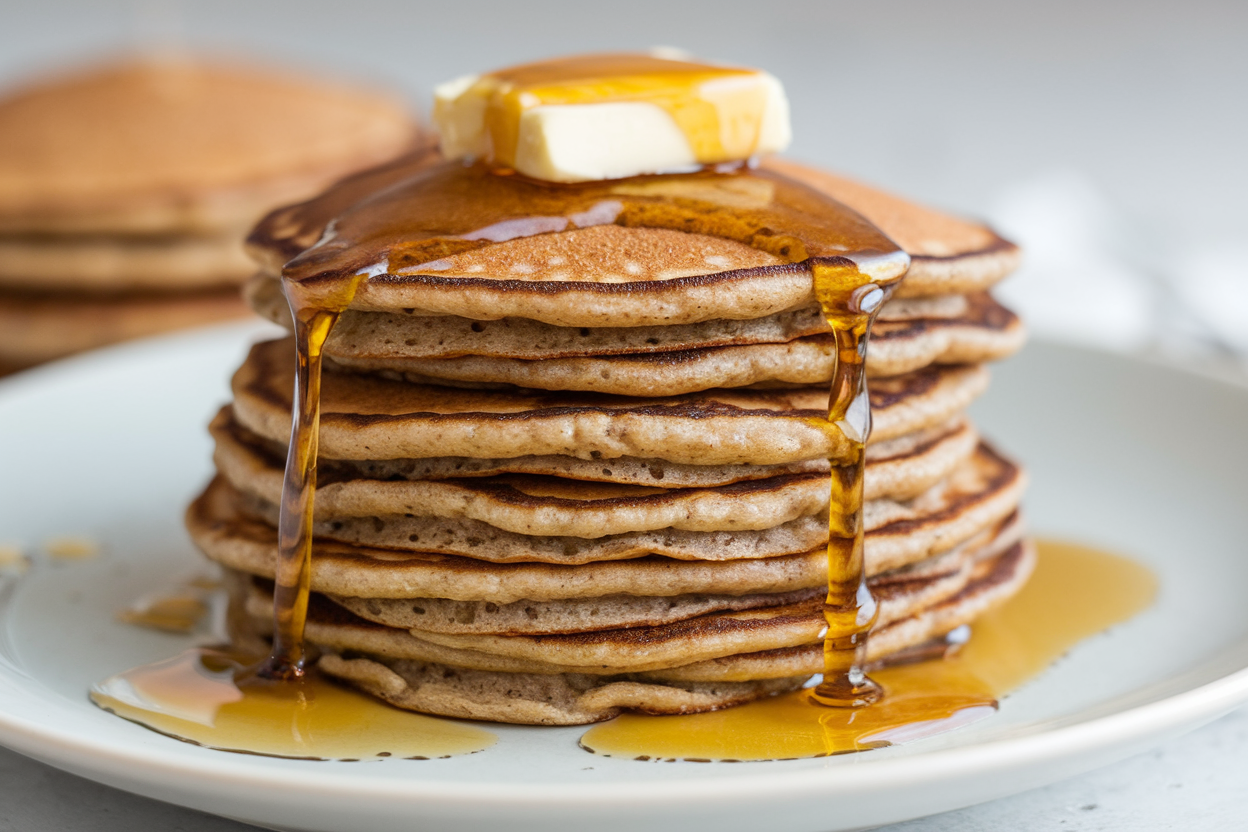
You know those breakfasts that make you feel like you’ve got your life together before 9 a.m.? This is one of them. These Gluten-Free Buckwheat Pancakes are rich, nutty, and so fluffy you’ll wonder if gravity took the day off.
No gluten, no fuss—just stackable, Instagram-worthy pancakes that don’t need a PhD in baking to pull off. If you’ve been burned by cardboard-tasting GF breakfasts before, consider this your redemption arc.
What Makes This Special
Flavor with backbone. Buckwheat flour brings a naturally nutty, toasty vibe that regular GF mixes just can’t fake. It’s bold without being heavy, and it plays perfectly with maple, berries, or a pat of salted butter.
Gluten-free with zero compromise. These pancakes aren’t “good for gluten-free.” They’re just good, period.
A small tweak—like blending buckwheat with a touch of starch—creates a tender crumb that flips like a dream.
Protein and fiber win. This isn’t a sugar crash waiting to happen. Buckwheat is loaded with fiber and plant-based protein, so you actually stay full. Revolutionary, right?
Weekday-friendly. Batter comes together in minutes, and it’s forgiving.
Whisk, rest, cook, devour. That’s the workflow.
Ingredients
- 1 cup buckwheat flour (light/stone-ground for milder flavor, dark for deeper, earthier notes)
- 1/3 cup tapioca starch (or cornstarch/arrowroot for tenderness)
- 2 tablespoons sugar (coconut sugar or maple sugar works great)
- 1 1/2 teaspoons baking powder
- 1/4 teaspoon baking soda
- 1/2 teaspoon fine sea salt
- 1 1/4 cups milk (dairy or unsweetened almond/oat milk)
- 1 large egg (or 1 flax egg: 1 tbsp ground flax + 3 tbsp water, rested 10 min)
- 2 tablespoons melted butter (or coconut oil/neutral oil)
- 1 teaspoon vanilla extract
- Optional add-ins: 1 teaspoon cinnamon, 1 teaspoon lemon zest, 1/2 cup blueberries or chocolate chips
- For the pan: Butter, ghee, or oil
How to Make It – Instructions
- Whisk the dry team. In a bowl, whisk buckwheat flour, tapioca starch, sugar, baking powder, baking soda, and salt until uniform. No clumps = no surprise flour pockets.
- Mix the wet team. In another bowl, whisk milk, egg, melted butter, and vanilla.
If using a flax egg, let it gel first so it actually behaves like an egg.
- Combine with intention. Pour wet into dry and whisk just until combined. A few lumps are fine. Don’t overmix or you’ll lose fluffiness and invite rubbery vibes.
- Rest the batter. Let it sit 5–10 minutes. This hydrates the flour and gives baking powder time to pre-game.
The batter will thicken slightly.
- Heat the skillet. Medium heat, lightly greased. You want a gentle sizzle when batter hits—too hot and they scorch outside, raw inside.
- Pour and cook. Scoop 1/4 cup batter per pancake. Cook until bubbles form and edges look set, 2–3 minutes.
Flip and cook 1–2 minutes more. Adjust heat as needed.
- Keep warm, not steamed. Transfer to a wire rack set over a sheet pan in a low oven (200°F/95°C). This prevents soggy bottoms.
No one signed up for that.
- Serve like you mean it. Top with maple syrup, berries, Greek yogurt, nut butter, or a squeeze of lemon and honey. Add salted butter for the win.
Keeping It Fresh
Short-term: Store leftovers in an airtight container in the fridge for up to 3 days. Reheat in a skillet or toaster for crispy edges.
Long-term: Freeze in a single layer, then stack with parchment between layers in a freezer bag for up to 2 months.
Reheat straight from frozen in the toaster or oven.
Make-ahead batter? Yes, but whisk in an extra splash of milk before cooking, since it thickens as it rests. For best rise, cook within 24 hours.
Nutritional Perks
Better carbs, better energy. Buckwheat’s fiber slows digestion, keeping blood sugar steadier than the usual white flour stack. Translation: fewer mid-morning snack raids.
Plant-powered protein. Buckwheat contains all nine essential amino acids.
It’s not a steak, but it’s pulling more weight than typical pancake flour.
Minerals that matter. You’ll get magnesium, manganese, and copper, plus rutin—an antioxidant that supports circulation. Your heart approves, FYI.
Gluten-free without weird additives. No gums required here. A simple starch pairing keeps texture light and fluffy.
Common Mistakes to Avoid
- Overmixing the batter. This knocks out air and makes pancakes tough.
Stir until just combined.
- Skipping the rest. Hydration time equals better rise. Five minutes minimum, 10 is ideal.
- Pan too hot. Burnt surface, raw center—not cute. Aim for steady medium heat and adjust as you go.
- Flipping too early. Wait for bubbles to pop and edges to look set.
Impatience is the enemy of fluff.
- Using only dark buckwheat if you’re new. Start with light buckwheat for a milder taste. Dark is great but assertive.
- Forgetting salt. A tiny bit makes flavors pop. Don’t skip it.
Alternatives
- Dairy-free: Use almond, oat, or soy milk and swap butter for coconut oil or avocado oil.
- Egg-free: Flax egg works well.
For extra lift, add 1 more teaspoon baking powder and keep the batter on the thicker side.
- No tapioca? Use cornstarch or arrowroot 1:1. Potato starch also works and browns nicely.
- Higher protein: Replace 2 tablespoons of buckwheat flour with your favorite unflavored protein powder. Add 1–2 tablespoons extra milk if thick.
- Flavor boosts: Cinnamon + cardamom, lemon zest + blueberries, or cocoa powder + mini chips.
Go classy or go chaotic—your call.
- Savory twist: Skip sugar and vanilla. Add chopped chives, black pepper, and grated Parmesan (or vegan parm). Serve with smoked salmon or a fried egg.
IMO, elite brunch move.
Can I make the batter the night before?
Yes. Store it covered in the fridge for up to 24 hours. It will thicken, so stir in a splash of milk before cooking.
For maximum fluff, you can whisk in a pinch more baking powder right before hitting the pan.
Do these taste like “health food” pancakes?
Nope. They taste like cozy, slightly nutty diner pancakes with better texture and more character. If you want a super mild flavor, use light buckwheat and vanilla.
Are these safe for celiacs?
Use certified gluten-free buckwheat flour and ensure all other ingredients (especially starches and baking powder) are labeled GF.
Keep your tools and pans free from cross-contact. Then you’re good.
Why add starch to buckwheat flour?
Starch lightens the crumb and increases tenderness, giving that classic pancake fluff. Straight buckwheat can be denser.
The 3:1 ratio hits the sweet spot.
How do I know when to flip?
Look for bubbles forming and popping across the surface and edges that lose their shine. Slide the spatula gently—if it lifts cleanly, flip. If it sticks, give it 30 more seconds.
Patience pays.
What if my pancakes are gummy?
Common causes: pan too cool, batter overmixed, or too much liquid. Make sure the skillet is preheated, mix gently, and if needed, add 1–2 tablespoons more starch to the next batch.
Can I make them oil-free?
Yes, but use a well-seasoned nonstick pan and expect less browning. A tiny brush of oil gives better color and flavor.
Your call, your pancakes.
In Conclusion
Gluten-Free Buckwheat Pancakes don’t just “pass” for breakfast—they dominate it. They’re quick, fluffy, and full of legit flavor, with enough nutrition to keep you steady for hours. Keep a bag of buckwheat on standby, memorize this simple ratio, and you’ve got weekend-level pancakes any day of the week.
Stack high, add syrup, and pretend you run a boutique brunch spot from your kitchen. Honestly, who’s going to argue?
Printable Recipe Card
Want just the essential recipe details without scrolling through the article? Get our printable recipe card with just the ingredients and instructions.