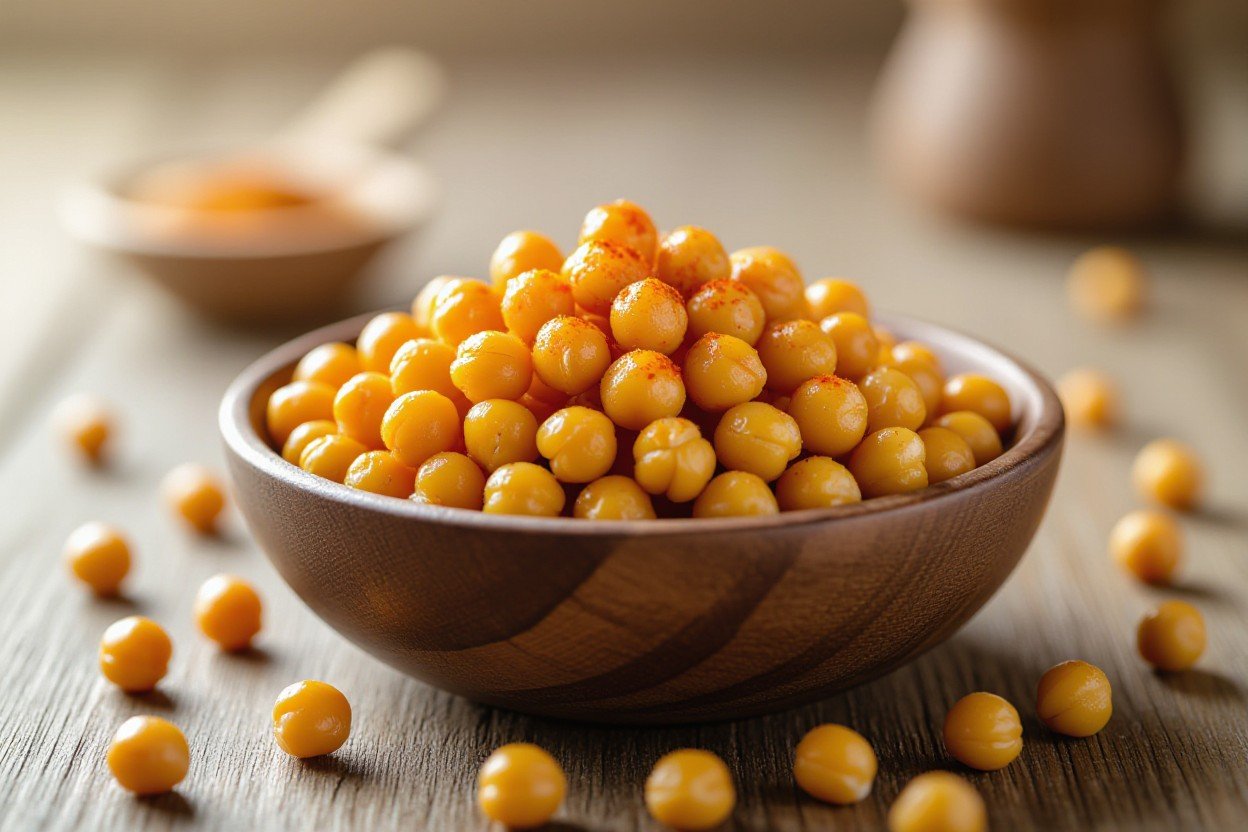
Crispy Roasted Chickpeas
Many of your favorite snacks might be loaded with artificial ingredients and empty calories, but roasted chickpeas offer a wholesome alternative that’s both nutritious and satisfying. You’ll find these crunchy legumes transform into an irresistible snack when properly seasoned and roasted to perfection. With their versatile nature, you can customize the flavors to match your taste preferences while enjoying the benefits of plant-based protein and fiber. Your journey to healthier snacking starts with this simple yet sophisticated recipe that turns ordinary chickpeas into a crowd-pleasing treat.

The Nutritional Powerhouse of Chickpeas
High Protein and Fiber Content
Packing 15 grams of protein and 13 grams of fiber per cup, chickpeas offer you a satisfying combination that helps maintain stable blood sugar levels and keeps you feeling full longer. The protein content makes these legumes an excellent meat alternative for vegetarian and vegan diets, while their fiber promotes healthy digestion and supports your gut microbiome.
Your body benefits from both soluble and insoluble fiber found in chickpeas, with soluble fiber helping to lower cholesterol levels and insoluble fiber adding bulk to stools for improved digestive health. This powerful protein-fiber duo also makes roasted chickpeas an ideal post-workout snack, providing sustained energy release and supporting muscle recovery.
Essential Vitamins and Minerals
Chickpeas deliver an impressive array of micronutrients, including iron, magnesium, potassium, and zinc. A single serving provides 26% of your daily iron needs, supporting oxygen transport throughout your body and maintaining energy levels. The magnesium content helps regulate muscle and nerve function, while potassium supports healthy blood pressure levels.
Beyond these minerals, chickpeas are rich in B vitamins, particularly folate, which plays a vital role in DNA synthesis and cell growth. Your immune system gets a boost from the zinc content, while the manganese supports bone formation and helps your body metabolize carbohydrates and fats.
The antioxidants in chickpeas, including flavonoids and polyphenols, provide additional health benefits by protecting your cells from oxidative stress. These compounds, combined with the legume’s anti-inflammatory properties, may help reduce your risk of chronic diseases and support overall cellular health.

Achieving Perfect Texture: The Art of Roasting
Prepping Chickpeas for Optimal Crispiness
The path to perfectly crispy chickpeas starts with thorough drying. After draining and rinsing your canned chickpeas, spread them on a clean kitchen towel and gently roll them to remove any loose skins. Let them air dry for 30-45 minutes – the drier your chickpeas, the crispier they’ll become during roasting. While they’re drying, your oven should be preheating to 400°F (200°C) to ensure even cooking from the moment the chickpeas go in.
Your baking sheet setup makes a significant difference in the final texture. Line a rimmed baking sheet with parchment paper and spread the chickpeas in a single layer, giving each one enough space to crisp up properly. Overcrowding leads to steaming instead of roasting, which prevents that satisfying crunch you’re aiming for. A standard baking sheet can comfortably fit about two cans’ worth of chickpeas without overcrowding.
Seasoning Strategies to Enhance Flavor
Timing your seasoning is key to flavor absorption. Toss your chickpeas with olive oil and salt before roasting, but save your main seasonings until the final 5-10 minutes of cooking. This method prevents your spices from burning while ensuring they stick to the crispy exterior. A ratio of 1 tablespoon of oil to one can of chickpeas provides ideal coverage without making them greasy.
The seasoning combinations for your roasted chickpeas are virtually endless. Create Mediterranean-inspired snacks with za’atar and lemon zest, or spice things up with chili powder and cumin. Ranch-style seasonings work beautifully – mix dried dill, garlic powder, and onion powder for a familiar flavor profile. Your chickpeas will need about 35-40 minutes total roasting time, shaking the pan every 10 minutes for even browning.
Your choice of seasonings can transform these protein-packed bites into different cultural experiences. Indian-inspired versions might include garam masala and turmeric, while Italian variations could feature dried basil, oregano, and nutritional yeast for a cheesy finish. Start with 1/2 teaspoon of each spice per can of chickpeas and adjust according to your taste preferences. The possibilities extend to sweet variations too – try cinnamon and coconut sugar for a healthier take on candied nuts.
Creative Variations: Flavor Combinations to Try
Savory Seasonings That Elevate Snack Time
Transform your roasted chickpeas into crave-worthy flavor bombs by experimenting with different seasoning combinations. Classic savory options include smoky paprika with garlic powder, curry powder with a pinch of cayenne, or Italian herbs with nutritional yeast for a cheesy twist. For an umami-rich variation, try combining powdered mushroom seasoning with thyme and black pepper.
Mediterranean-inspired blends work particularly well with chickpeas’ natural nuttiness. Mix za’atar with lemon zest for a bright, herbal profile, or combine sumac with dried mint and sea salt for a tangy Middle Eastern flair. Ranch enthusiasts can create their own blend using dried dill, garlic powder, and onion powder – a healthier alternative to traditional ranch-flavored snacks.
Sweet Twists: Experimenting with Dessert Flavors
Satisfy your sweet tooth by turning roasted chickpeas into a dessert-like treat. Coat them in cinnamon and coconut sugar for a snack reminiscent of churros, or try pumpkin pie spice with maple sugar for an autumn-inspired variation. A coating of raw cacao powder and coconut sugar creates chocolate-covered chickpeas that rival traditional candy.
The key to sweet variations lies in applying the seasonings while the chickpeas are still slightly warm from roasting, allowing the spices to stick better. For extra decadence, drizzle your cinnamon-sugar chickpeas with melted dark chocolate, or toss them in powdered sugar and cardamom for a unique twist on traditional confections.
Crispy Roasted Chickpeas as a Versatile Ingredient
Incorporating into Salads and Bowls
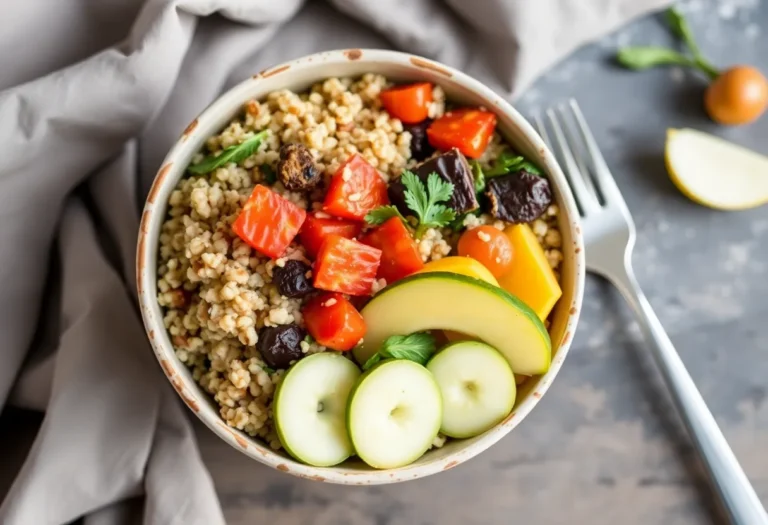
Transform your everyday salads and grain bowls by sprinkling crispy roasted chickpeas on top for an instant texture upgrade. These crunchy morsels add protein-packed substance to light dishes while bringing a satisfying crunch that contrasts beautifully with soft greens and tender grains. Try tossing them into a Mediterranean quinoa bowl with cucumber, tomatoes, and feta, or scatter them over a kale Caesar salad as a healthier alternative to traditional croutons.
Your Buddha bowls and power bowls gain an extra dimension when topped with these crispy legumes. The roasted chickpeas maintain their crunch for several hours, making them perfect for meal prep and packed lunches. Mix them with roasted vegetables, fresh herbs, and your choice of dressing – their seasoned exterior complements virtually any flavor profile you create.
The Role of Chickpeas in Healthy Snacking
Roasted chickpeas offer a nutritional powerhouse of benefits with each handful containing approximately 7 grams of protein and 6 grams of fiber per half-cup serving. As you navigate healthier snacking options, these crunchy bites provide sustained energy without the crash that comes from processed snacks. Their versatility in seasoning options means you can satisfy both sweet and savory cravings while maintaining your nutritional goals.
The fiber content in roasted chickpeas helps regulate your blood sugar levels and keeps you feeling full between meals. Studies have shown that regular consumption of legumes like chickpeas can contribute to better weight management and improved digestive health. Your snacking habits become more mindful when you have these nutrient-dense alternatives readily available.
Your pantry becomes a source of guilt-free snacking when stocked with roasted chickpeas. Beyond their impressive nutritional profile, they’re naturally gluten-free and suitable for various dietary preferences, including vegan and Mediterranean diets. The combination of protein, fiber, and complex carbohydrates makes them an ideal pre-workout snack or afternoon pick-me-up that supports your active lifestyle.
Sustainability and Health: The Benefits of Plant-Based Snacking
Environmental Impact of Chickpea Production
Chickpeas stand out as one of the most environmentally sustainable protein sources available. These hardy legumes require minimal irrigation compared to other crops, using approximately 4,000 liters of water per kilogram of produce – significantly less than most animal proteins. During cultivation, chickpeas actually improve soil health by fixing nitrogen from the air into the ground, reducing the need for synthetic fertilizers and creating better growing conditions for future crops.
Your choice to snack on roasted chickpeas directly supports sustainable agriculture practices. Chickpea plants are naturally resistant to many pests and diseases, which means fewer pesticides are needed during their growth cycle. Additionally, these crops can thrive in semi-arid conditions and varying soil types, making them an excellent option for farmers adapting to climate change while maintaining productive agricultural systems.
The Role of Legumes in a Balanced Diet
Adding roasted chickpeas to your snacking routine provides a powerful combination of nutrients that support overall health. Each serving delivers 15 grams of protein, 13 grams of fiber, and significant amounts of iron, magnesium, and potassium. These nutrients work together to maintain steady blood sugar levels, support muscle function, and keep you feeling satisfied between meals.
Plant-based proteins like chickpeas offer unique health advantages over traditional snack foods. Regular consumption has been linked to reduced risk of heart disease, better weight management, and improved digestive health. Research from the American Journal of Clinical Nutrition shows that people who consume legumes at least four times per week have a 22% lower risk of developing type 2 diabetes compared to those who eat them less than once weekly.
Beyond their impressive nutritional profile, chickpeas contain bioactive compounds called saponins and phytosterols that have demonstrated anti-inflammatory and cholesterol-lowering properties. Your body benefits from these natural plant compounds while enjoying a satisfying crunch that rivals less nutritious snack alternatives.
Final Words
Presently, you have all the knowledge needed to create perfectly crispy roasted chickpeas that will transform your snacking experience. When you master the key steps of thorough drying, proper seasoning, and optimal roasting temperature, you’ll be able to consistently produce these crunchy, nutritious treats. Your homemade roasted chickpeas can become a versatile addition to your culinary repertoire, whether you enjoy them as a standalone snack or use them to add texture to your salads and soups.
As you experiment with different spice combinations and cooking times, you’ll discover your preferred level of crunchiness and flavor intensity. Your efforts in preparing these protein-rich morsels will reward you with a healthier alternative to processed snacks, while giving you complete control over the ingredients and seasonings. By incorporating roasted chickpeas into your regular cooking routine, you’ll have a reliable, wholesome snack that stays fresh for days when stored properly.