Coconut Milk Ice Cream
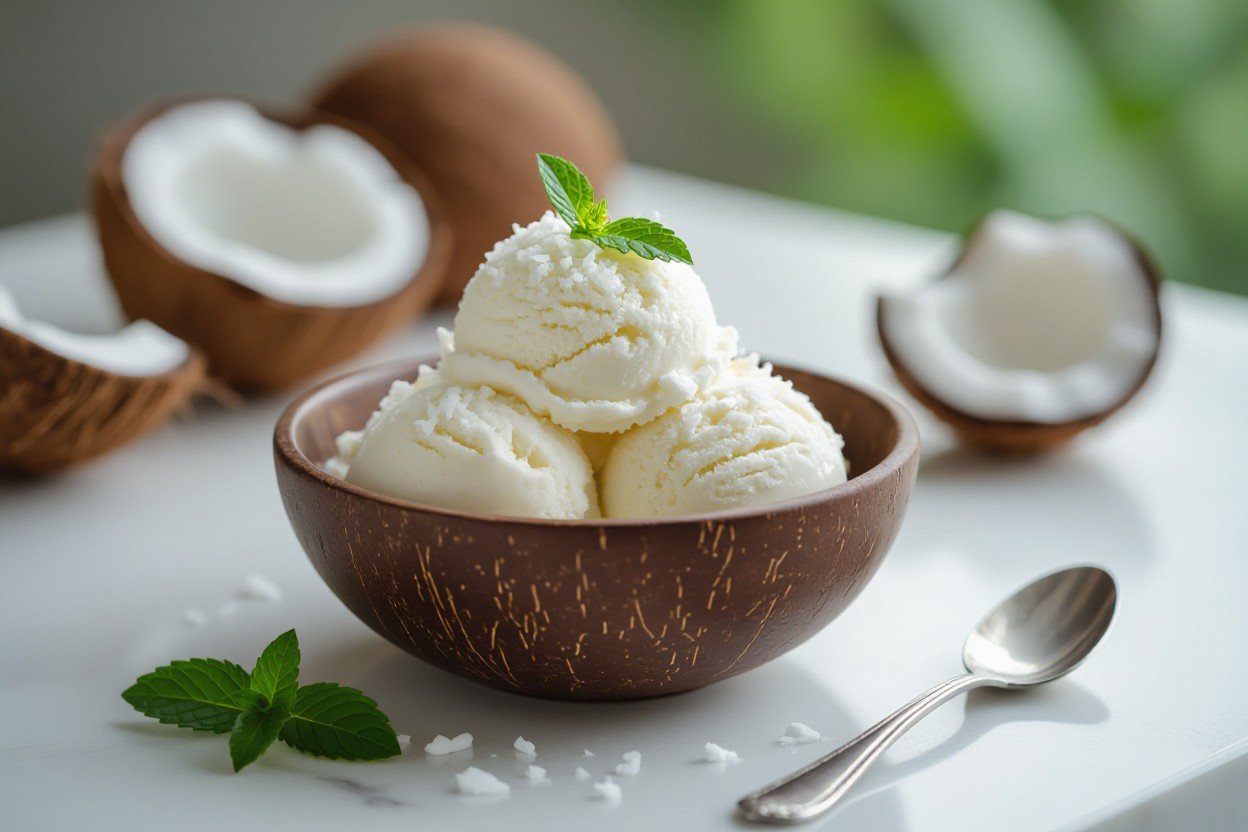
It’s time to discover the creamy, dairy-free delight that’s revolutionizing dessert time: coconut milk ice cream. Your journey into this tropical-inspired treat offers all the richness and smoothness you expect from traditional ice cream, but with a unique twist. Whether you’re lactose intolerant, vegan, or simply looking to explore new flavors, coconut milk ice cream provides a perfect alternative that doesn’t compromise on taste or texture. You’ll find this versatile dessert base readily accepts various flavor combinations while maintaining its signature silky consistency.
The Creamy Allure: Why Choose Coconut Milk?
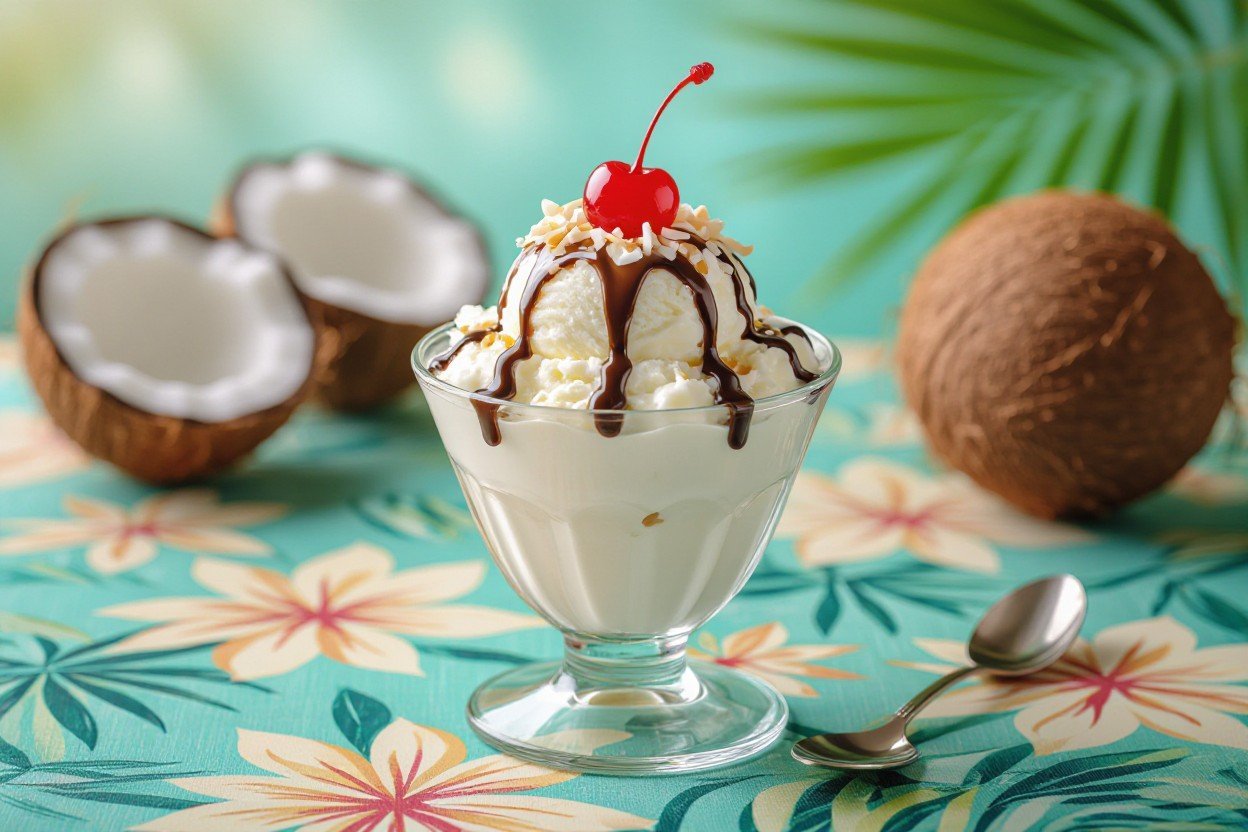
Coconut milk brings a naturally rich, silky texture to homemade ice cream that rivals traditional dairy versions. The high fat content of coconut milk, particularly the full-fat variety, creates microscopic ice crystals during freezing, resulting in that sought-after smooth mouthfeel you expect from premium ice cream. Unlike other non-dairy alternatives that can become icy or grainy, coconut milk maintains its luxurious consistency through multiple freeze-thaw cycles.
Nutritional Benefits Over Dairy Alternatives
Your body gains multiple benefits from coconut milk’s unique nutritional profile. Medium-chain triglycerides (MCTs) found in coconut milk metabolize differently than other fats, providing quick energy rather than being stored. A single serving of coconut milk ice cream delivers approximately 5 grams of MCTs, along with minerals like manganese, copper, and iron that support immune function and energy production.
The natural compounds in coconut milk also work to enhance your overall wellness. Lauric acid, which makes up about 50% of coconut’s fat content, has antimicrobial properties that can support your immune system. Plus, you’ll find potent antioxidants that help combat inflammation and oxidative stress.
Vegan and Lactose-Free Appeal
By choosing coconut milk ice cream, you open up a world of frozen treats to those following plant-based diets or managing lactose intolerance. The creamy base perfectly mimics dairy without triggering digestive sensitivities that affect nearly 65% of the global population. Your vegan guests will appreciate having a premium dessert option that aligns with their dietary choices while delivering the same indulgent experience as traditional ice cream.
The versatility of coconut milk allows you to create endless flavor combinations without worrying about dairy allergies or ethical concerns. From classic vanilla to exotic combinations like mango-ginger or chocolate-mint, your coconut milk ice cream can satisfy diverse palates while maintaining its inclusive appeal. The natural sweetness of coconut complements both fruit-based and decadent dessert flavors, making it an ideal canvas for culinary creativity.
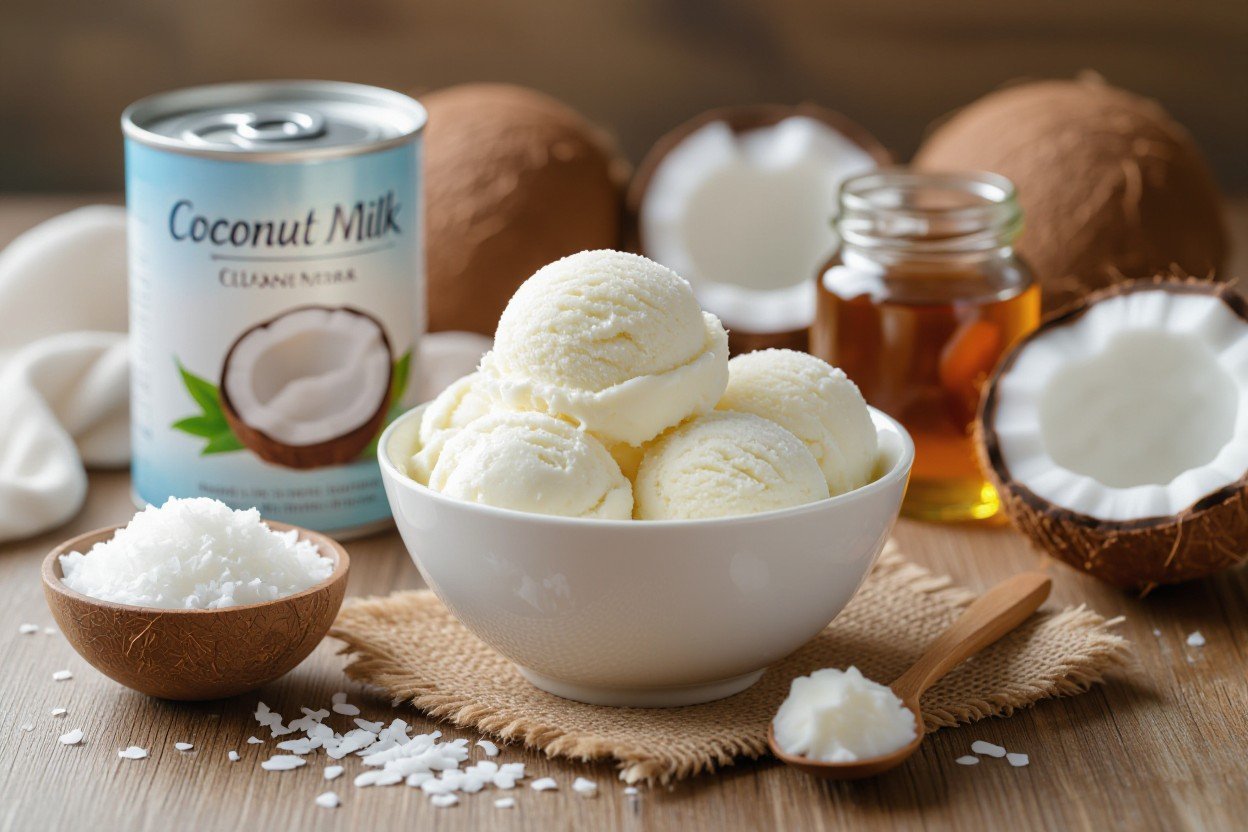
Crafting Coconut Milk Ice Cream: Key Ingredients and Techniques
Essential Components for the Perfect Texture
Full-fat coconut milk serves as your base ingredient, providing the rich, creamy foundation needed for smooth ice cream. The high fat content (around 15-17%) creates smaller ice crystals during freezing, resulting in a softer, more scoopable texture. You’ll want to select coconut milk with minimal additives and stabilizers – look for brands containing just coconut and water.
Achieving the ideal texture requires careful attention to temperature control and churning time. Your coconut milk base should be thoroughly chilled (below 40°F/4°C) before churning, and your ice cream maker bowl must be frozen for at least 24 hours. The churning process typically takes 20-25 minutes, during which air incorporation creates volume while preventing large ice crystal formation.
Common Additives: Flavorings, Sweeteners, and Emulsifiers
Your choice of sweeteners significantly impacts both taste and texture. While regular cane sugar works well, liquid sweeteners like maple syrup or agave nectar can help prevent crystallization and maintain softness. The standard ratio is 1/2 to 3/4 cup sweetener per 2 cups of coconut milk, though you can adjust based on personal preference and additional flavoring ingredients.
Natural emulsifiers enhance the stability and smoothness of your coconut milk ice cream. Adding 2-3 tablespoons of arrowroot powder or tapioca starch per quart helps bind water molecules, reducing iciness. For extra creaminess, consider incorporating homemade cashew cream or coconut cream, which adds richness while maintaining the dairy-free profile.
Beyond the basics, your flavor possibilities are endless. Vanilla extract or bean paste provides a classic foundation, while cocoa powder (2-3 tablespoons per quart) creates rich chocolate variations. Fresh fruit purées work beautifully – mango, strawberry, and passion fruit complement coconut’s tropical notes particularly well. For texture variety, you can fold in toasted coconut flakes, crushed cookies, or chopped nuts during the final minutes of churning.
Flavor Innovations: Expanding Beyond Traditional Choices
Tropical Inspirations: Fruit-Based Variants
Your coconut milk ice cream can transport taste buds to exotic destinations by incorporating tropical fruits that naturally complement coconut’s creamy profile. Mango chunks folded into coconut milk ice cream base create a vibrant yellow-orange treat that balances sweet and tangy notes perfectly. Passion fruit adds bright acidity and crunch from its seeds, while papaya brings subtle sweetness and a beautiful coral hue to your frozen dessert.
Fresh pineapple pieces or puree transform your coconut milk ice cream into a piña colada-inspired delight, especially when paired with a splash of rum extract. For an authentically Thai experience, try adding fresh lychee or rambutan – these delicate fruits introduce floral notes and interesting textural elements that make each spoonful an adventure.
Gourmet Twists: Combining Unique Ingredients
Elevate your coconut milk ice cream by exploring sophisticated flavor combinations that challenge traditional boundaries. Dark chocolate shavings paired with candied ginger create an intense depth of flavor, while matcha powder introduces earthy notes and a striking green color. Roasted macadamia nuts and a drizzle of salted caramel sauce add complexity through contrasting textures and a sweet-salty interplay.
Black sesame seeds ground into a paste offer a nutty, sophisticated profile that turns your ice cream an dramatic gray-black color. Consider incorporating lavender buds, cardamom pods, or even curry spices – these unexpected additions can transform your coconut milk base into an artisanal dessert worthy of high-end restaurants.
The key to successful gourmet combinations lies in balancing flavors and understanding how ingredients interact with the coconut base. Start with small test batches using 1/4 teaspoon of spices per cup of base, or 2-3 tablespoons of mix-ins per pint. This measured approach allows you to perfect your unique flavor combinations while maintaining the smooth, creamy texture that makes coconut milk ice cream so appealing.
DIY vs. Store-Bought: Weighing Your Options
The Joy of Making Coconut Milk Ice Cream at Home
Making coconut milk ice cream in your kitchen gives you complete control over ingredients and flavor combinations. You can select organic coconut milk, adjust sweetness levels, and experiment with unique mix-ins like toasted coconut flakes, dark chocolate chunks, or fresh tropical fruits. The process itself becomes a rewarding culinary adventure, letting you perfect your recipe over time while avoiding preservatives and additives commonly found in commercial versions.
The initial investment in an ice cream maker (ranging from $50-200) quickly pays off as you create batch after batch of creamy, dairy-free delights. Your homemade versions typically cost 40-50% less per serving compared to premium store-bought alternatives, while allowing you to customize portions and create flavors that might not exist on market shelves.
Top Brands to Try and What Sets Them Apart
Leading brands like So Delicious, Luna & Larry’s Coconut Bliss, and NadaMoo! have mastered the art of creating smooth, creamy coconut milk ice cream that rivals traditional dairy versions. These companies use carefully selected coconut milk bases, often paired with natural stabilizers like guar gum or carrageenan to achieve that perfect scoop-able texture. Each brand brings its own unique approach – So Delicious offers the widest flavor variety, Coconut Bliss focuses on organic ingredients, while NadaMoo! specializes in innovative flavor combinations.
Store-bought options shine in convenience and consistency. Premium brands undergo rigorous testing to ensure proper freezing temperatures, ideal crystal formation, and extended shelf life. They’ve also perfected the balance of fat content and stabilizers to prevent the ice cream from becoming too hard or developing ice crystals – a common challenge in homemade versions.
Brand comparison testing reveals varying fat content levels, with premium labels containing 12-14% fat content for optimal creaminess. Price points range from $5-8 per pint, with organic options typically commanding the higher end. Many brands now offer no-sugar-added varieties sweetened with alternatives like monk fruit or erythritol, catering to various dietary preferences while maintaining the signature coconut cream base.
The Environmental Impact: Sustainable Choices in Ice Cream
Making conscious dessert choices extends beyond personal health to environmental stewardship. Plant-based alternatives like coconut milk ice cream represent a significant shift toward more sustainable frozen treats, offering you an opportunity to reduce your environmental footprint while still enjoying creamy, delicious desserts.
Eco-Friendly Coconut Farming Practices
Coconut palms naturally support biodiversity and require minimal chemical inputs compared to conventional dairy farming. Modern sustainable coconut farms employ intercropping techniques, planting complementary crops between palm trees to maximize land use and maintain soil health. These practices help you support farming methods that protect local ecosystems while producing the main ingredient for your frozen treats.
Responsible coconut farming also emphasizes water conservation through natural irrigation systems and rainwater harvesting. Many coconut plantations now participate in certification programs that ensure fair labor practices and environmental standards, allowing you to trace your coconut milk ice cream ingredients back to sustainably managed farms.
The Carbon Footprint of Dairy vs. Plant-Based Desserts
The numbers tell a compelling story: dairy-based ice cream production generates approximately 3.7 kg of CO2 per liter, while coconut milk alternatives produce roughly 1.4 kg of CO2 per liter. Your choice to switch to plant-based ice cream can reduce your dessert’s carbon footprint by up to 62%, primarily due to the elimination of methane emissions from dairy cattle and reduced land use requirements.
Transportation emissions also factor into the environmental impact of your frozen treats. While coconuts often travel longer distances to reach your local store, their concentrated form as coconut milk means more efficient shipping compared to liquid dairy products. Additionally, coconut palms act as carbon sinks, absorbing CO2 throughout their productive lifetime of 60+ years.
Beyond direct emissions, your choice of plant-based ice cream supports broader environmental benefits. The dairy industry uses approximately 1,000 gallons of water to produce one gallon of milk, whereas coconut farming typically relies on natural rainfall. By choosing coconut milk ice cream, you’re helping conserve precious water resources and reduce the strain on agricultural lands.
To wrap up
Hence, you can now confidently create delicious coconut milk ice cream that rivals traditional dairy versions in taste and texture. By following proper techniques and understanding ingredient ratios, you’ll achieve a creamy, smooth dessert that satisfies your sweet cravings while accommodating dietary preferences. Your homemade coconut milk ice cream opens up endless possibilities for customization through various flavors, mix-ins, and toppings.