Keto Cheeseburger Lettuce Wraps
It’s an easy, flavorful way to enjoy classic cheeseburger taste while keeping carbs low; you’ll learn how to assemble juicy seasoned beef, melted cheese, and keto-friendly toppings into crisp lettuce cups that satisfy cravings and support your macros. This guide gives clear tips on choosing ground beef, balancing fat and protein, and customizing sauces so you can make consistent, restaurant-quality wraps at home with minimal prep.
What are Keto Cheeseburger Lettuce Wraps?
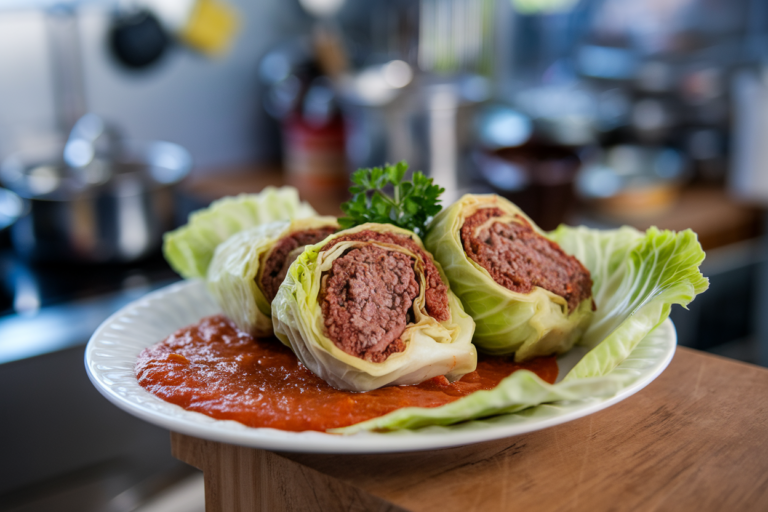
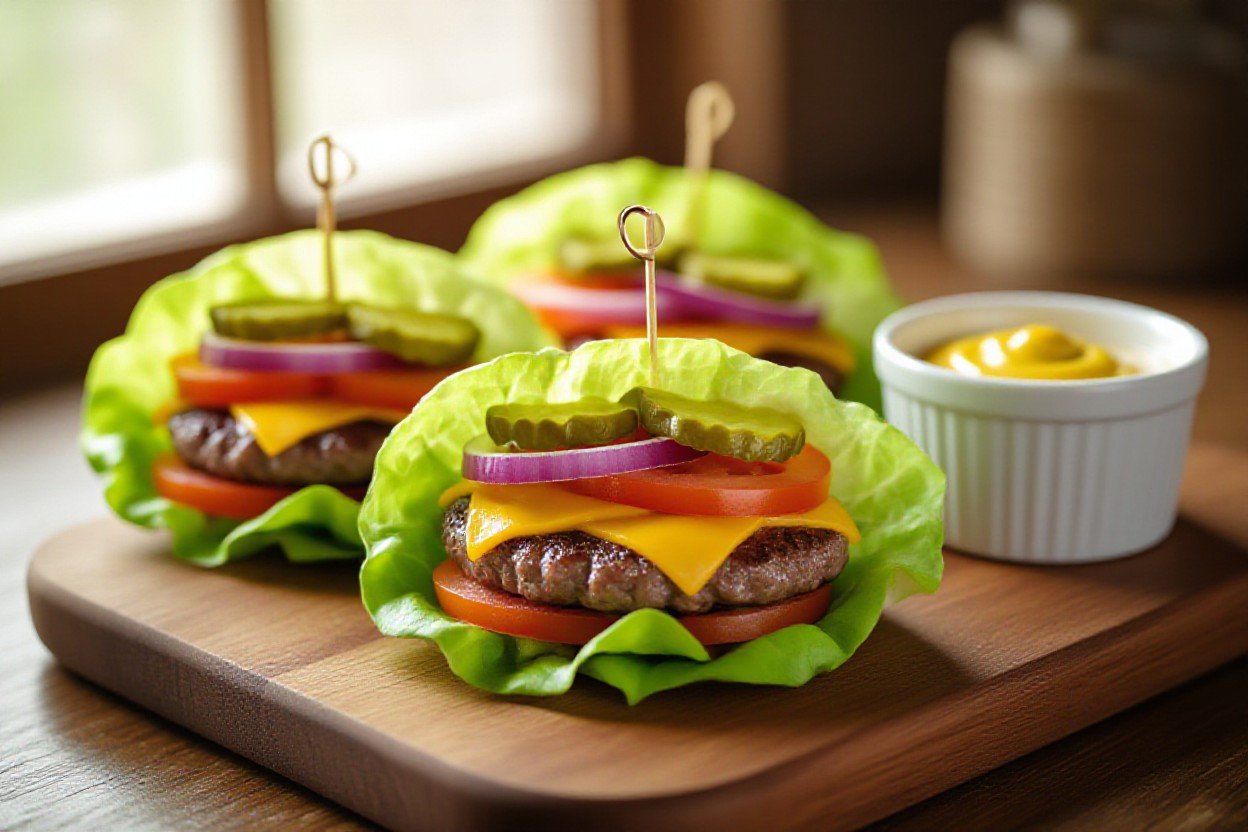
You take everything you love about a classic cheeseburger-seasoned ground beef, melted cheese, pickles, mustard, mayo-and swap the bun for a crisp lettuce leaf such as Bibb or romaine, cutting net carbs from roughly 25-35 g for a bun-based burger down to about 3-6 g per wrap. The result is a hand-held, low-carb meal that delivers the same savory profile and mouthfeel without the bread, so you can stay within a typical ketogenic target of 20-50 g net carbs per day while still enjoying a substantial, satisfying dinner.
In practice, a typical keto cheeseburger lettuce wrap made with 4 oz (cooked) 80/20 beef, 1 oz cheddar, a tablespoon of mayo, and a few pickle slices will provide roughly 400-550 kcal, 25-40 g fat, 20-30 g protein, and under 6 g net carbs, depending on toppings. You can adjust fat-to-protein ratios by choosing leaner or fattier beef (90/10 versus 70/30), adding avocado (about 15 g fat and 2-3 g net carbs per half avocado), or increasing cheese to hit your personal macros.
Key Ingredients
You want an 80/20 ground beef for the best balance of flavor and fat; 4 oz cooked yields about 22-28 g fat and 24-28 g protein, which helps keep you in ketosis and satisfied. Pick a sturdy, buttery lettuce like Bibb, romaine, or iceberg hearts for wrapping-each leaf contributes only about 0.5-1 g net carbs. Add 1-2 oz of cheese (cheddar, American, or Swiss) for melt and texture-1 oz cheddar supplies roughly 9 g fat and 7 g protein with under 1 g carbs.
Include low-carb condiments such as mustard, sugar-free ketchup, or full-fat mayo, and top with pickles or raw red onion sparingly (1 tablespoon of raw onion adds ~1 g carbs). Season the beef with salt, pepper, garlic powder, and smoked paprika to amplify savory notes without added sugars; if you choose leaner meats like turkey or bison, compensate with extra olive oil or avocado to meet your fat target.
Nutritional Benefits
You get immediate reductions in carbohydrate intake-trading a bun for lettuce can shave off 25-35 g net carbs per meal-making these wraps an efficient way to hit daily ketogenic limits while still consuming a nutrient-dense entrée. The high fat content from beef, cheese, and optional avocado promotes satiety and ketone production, while the protein (20-30 g per serving) supports muscle maintenance and appetite control during caloric deficits.
Beyond macros, these wraps offer meaningful micronutrients: a typical serving supplies B12 and heme iron from beef (helpful if you’re limiting carbs but not animal protein), fat-soluble vitamins from cheese, and vitamin A and K from leafy lettuce; adding half an avocado boosts potassium by roughly 400-500 mg and contributes 2-3 g net carbs plus 10-15 g monounsaturated fat, which supports cardiovascular profiles when used in place of refined carbs.
Health Benefits of Keto Diet
You’ll see metabolic shifts that go beyond weight loss: lowering insulin levels promotes fat release from adipose tissue and increases reliance on fatty acids and ketones for fuel, which often improves lipid panels (for many people triglycerides fall while HDL rises) and lowers fasting glucose. Clinical trials and meta-analyses typically show greater short-term weight loss on ketogenic protocols compared with low‑fat diets at 3-6 months, and people with insulin resistance or type 2 diabetes frequently experience meaningful drops in HbA1c and fasting insulin.
Beyond numbers, you can expect changes in inflammation and metabolic flexibility: several studies report reductions in markers like CRP and improved insulin sensitivity, while anecdotal and clinical reports document better appetite control and fewer blood‑sugar swings. Those physiological changes translate into practical benefits for daily living-reduced cravings, easier portion control, and more consistent energy for work and activity.
Weight Loss
You benefit from multiple mechanisms that encourage fat loss: lower insulin reduces fat storage, higher protein and dietary fat increase satiety, and circulating ketones such as beta‑hydroxybutyrate suppress appetite for many people. Expect rapid early losses (often 2-5 kg in the first week due to glycogen and water depletion), then steadier fat loss-clinically meaningful reductions of 5-10% body weight are common within 3-6 months for adherent individuals.
Trials comparing ketogenic and low‑fat approaches often show the keto groups losing an extra 2-3 kg at 6 months, partly because higher protein intake helps preserve lean mass during caloric deficit. You’ll get the best long‑term results when you focus on adherence, monitor portion sizes, and prioritize nutrient-dense foods rather than treating keto as a free-for-all for high-calorie processed fats.
Improved Energy Levels
Once you adapt (typically within 2-4 weeks), many people report steadier day‑long energy and fewer mid‑afternoon crashes because blood glucose is more stable and your brain can run on ketones as well as glucose. Studies and anecdotal evidence both point to improved mental clarity and sustained focus for tasks that previously caused energy dips, which can translate into higher productivity and reduced reliance on frequent snacks or stimulants.
Your body’s fuel reserves change in a practical way: you have access to tens of thousands of calories stored as fat versus roughly 2,000 kcal of glycogen, so once fat oxidation ramps up you’re less dependent on frequent carbohydrate refueling for baseline activity and endurance. Research shows that after adaptation your fat‑burning capacity during submaximal exercise increases substantially, though very high‑intensity efforts may still rely more on carbohydrates unless you use targeted strategies.
To optimize energy for training and busy days, consider strategies like targeted carb intake (e.g., 20-50 g around high‑intensity sessions), using medium‑chain triglycerides (MCT oil) for quick ketone production, and allowing a 2-4 week adaptation window before expecting peak performance; many athletes shift to targeted or cyclical keto if they need to combine steady energy with occasional high‑output efforts.
Preparing the Lettuce Wraps
Choosing the Right Lettuce
Choose butterhead (Bibb/Boston) if you want soft, cup-like leaves that cradle a 4‑oz (115 g) patty without tearing; one head typically yields 8-12 usable leaves. Pick romaine hearts when you need longer, sturdier leaves for double patties or extra toppings – a single heart gives 6-8 long leaves and better structural support for heavier fillings.
Trim the thick white rib from each leaf to increase pliability and pat them completely dry with a salad spinner or paper towels to avoid soggy wraps. Store leaves layered between paper towels in a zip bag in the fridge for up to 48 hours, and chill them 10-15 minutes before assembling to firm up the cups for easier handling.
Cooking the Patties
Form patties from 80/20 ground beef and make them about 10% larger in diameter than the leaf so they shrink into the wrap; a 4‑oz (115 g) patty about ¾” thick is a good target. Sear on a preheated cast‑iron skillet or grill at medium‑high (approximately 375-400°F / 190-204°C), seasoning with salt and pepper just before contact. For that patty thickness cook roughly 3-4 minutes per side for medium, 4-5 minutes for well done, flipping only once to maintain juices.
Check internal temperature with an instant‑read thermometer – ground beef should reach 160°F (71°C) for safety – and add cheese in the final 30-60 seconds, covering the pan to melt. Rest patties 3-5 minutes after cooking so the juices redistribute, which keeps the wrap from becoming greasy when you assemble it.
For technique variants: if you go smash‑burger style, press thin patties flat and cook at high heat for about 2 minutes per side until deeply browned; if you plan ahead, cooked patties store refrigerated for 48 hours or freeze up to 3 months, reheating gently to avoid drying out.
Toppings and Add-Ons
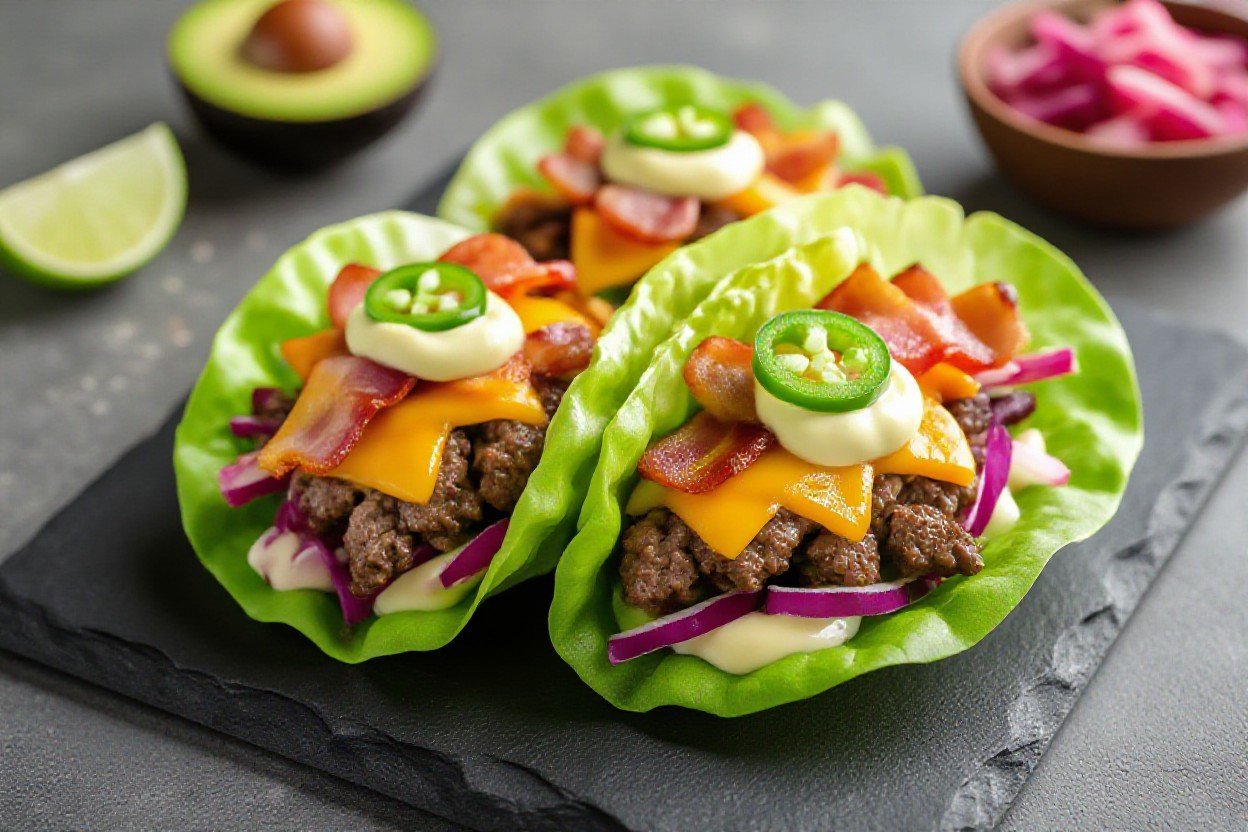
Your choice of toppings will make or break the mouthfeel and macro balance of these wraps, so prioritize high-fat, low-carb items that add texture without blowing your carb count. For example, adding 1 ounce of cheddar contributes roughly 100-115 calories and under 1 gram of carbs, while a quarter of a medium avocado adds creaminess with only about 2-4 grams net carbs depending on size. Crisp elements like 1-2 tablespoons of fried shallots or 1 tablespoon of crushed pork rinds give crunch with negligible carbs compared with the 5-8 grams you’d add from the same volume of traditional breadcrumbs.
Think about stacking order to control heat and melt: place sliced or shredded cheese directly on the hot patty so it melts evenly, then add cold, crunchy items such as sliced radishes, cucumber ribbons, or shredded cabbage to preserve texture. If you want to bulk up the wrap without carbs, use 1-2 tablespoons of full‑fat sour cream or a 1-2 ounce smear of cream cheese to add satiety and richness; both contribute very few carbs while increasing calories and flavor.
Cheese Options
Pick melting cheeses like sharp cheddar, American, or fontina when you want that gooey, classic cheeseburger feel-1 ounce of sharp cheddar has about 7 grams of protein and under 1 gram of carbs, making it an efficient flavor booster. If you prefer a tangy profile, crumble blue cheese or goat cheese over the patty; small amounts (½ ounce) punch up flavor without adding significant carbs, and blue cheese pairs well with bacon and arugula for a bolder wrap.
For a lower‑lactose or softer texture, use fresh mozzarella or provolone slices; they melt cleanly and typically contain about 0.5-1 gram carbs per ounce. You can also turn cheese into a structural element-make cheese crisps by baking shredded parmesan or cheddar on parchment for 6-8 minutes at 400°F, then use them as a crunchy topping or mini plates to double down on texture while keeping carbs near zero.
Keto-Friendly Condiments
Choose condiments that are vinegar- or oil-based rather than sugar-based: Dijon mustard, most hot sauces, and full‑fat mayonnaise generally contain under 1 gram of carbs per tablespoon, whereas regular ketchup can contribute roughly 4-5 grams of sugar per tablespoon and quickly eats into your daily carb allowance. Brands of sugar‑free ketchup and barbecue sauce use erythritol or stevia and frequently claim 0 grams added sugar-check labels for total carbs and sugar alcohols so you can count net carbs accurately.
Make simple DIY condiments to control macros and sodium: whisk 2 tablespoons of avocado oil mayo with 1 teaspoon lemon juice, ½ teaspoon smoked paprika, and a pinch of salt for an aioli that keeps carbs near zero while adding 200-220 calories per 2 tablespoons. For a tangy swap, combine 2 tablespoons of Greek yogurt (full fat) with 1 tablespoon finely chopped dill pickles-this adds about 1-2 grams net carbs but brightens flavor and pairs especially well with bacon and onion.
If you want to track exact carbs, weigh portions: 1 tablespoon of store mayonnaise typically registers 0-0.3 grams carbs, while 1 tablespoon of a sweetened sauce can add 4-8 grams; measuring helps you stay within targets like 20-50 grams net carbs per day. Also consider acidic condiments-vinegar‑based hot sauces and homemade vinaigrettes contribute negligible carbs and can enhance perceived saltiness and satisfaction, reducing the need for sugary add-ons.
Serving Suggestions
Serve the wraps right after assembly so the lettuce stays crisp and the cheese remains melted; use 4-6 oz (115-170 g) patties and two large butter or romaine leaves per wrap for ideal balance. If you want cheese perfectly melted, pop the patties under a broiler for 1-2 minutes or cover the skillet for 30-45 seconds after adding the slice-this gives you a gooey top without wilting the lettuce.
For portioning, plan on 2 wraps per person as a main (you’ll get roughly 2-4 g net carbs per wrap depending on toppings), or 1 wrap plus a hearty side if you’re pairing with a salad or roasted veg. Presentation matters: halve the wraps on the bias, serve on a warm plate, and offer small ramekins of pickles, mustard, and sugar-free ketchup so guests can customize each bite.
Meal Prep Ideas
When you batch-cook, form 6-8 patties (4-6 oz each), season, and cook them all at once-sear 3-4 minutes per side for medium on a hot skillet, then cool and store in the fridge up to 4 days or freeze up to 3 months in a single layer. Reheat gently in a 350°F (175°C) oven for 8-10 minutes or in a skillet 1-2 minutes per side to preserve juiciness; avoid microwaving if you want to keep texture.
Prep toppings into portioned containers: slice onions and pickles, shred 1-2 cups of cheddar into 1/2-cup packs, and portion dressings into 2-4 ounce jars so you can assemble quickly. For grab-and-go lunches pack deconstructed bowls (patties, lettuce, toppings) in a meal box with a cold pack and assemble within 3-4 hours to maintain crunch.
Pairing with Side Dishes
Choose low-carb sides that contrast texture and temperature-roasted cauliflower florets (1 small head, tossed with 1 tbsp olive oil, roast at 400°F/200°C for 20-25 minutes) add a nutty bite, while oven-baked zucchini fries (cut into sticks, 425°F/220°C for 18-22 minutes) provide a crispy, familiar feel. A simple avocado-cucumber salad (1/2 avocado diced + 1 cup sliced cucumber + 1 tbsp lemon juice) brings creaminess and acidity and keeps the meal under 10 g net carbs per plate.
Sauces and slaws round things out: make a quick keto coleslaw with 2 cups shredded cabbage, 2 tbsp mayonnaise, 1 tbsp apple cider vinegar and a pinch of salt for about 3-4 g net carbs per 1/2-cup serving, or mix a garlic aioli (1 cup mayo, 1 clove minced garlic, 1 tbsp lemon juice) to dip. You’ll extend flavor without adding sugar by using mustard, hot sauce, or sugar-free ketchup; portion sauces at 1-2 tbsp to control calories and carbs.
Balance is key when you pair sides-include one crunchy element (cauliflower or zucchini), one creamy or acidic element (avocado or slaw), and a 4-6 oz protein portion so your plate feels complete; for beverages, opt for sparkling water with lemon, unsweetened iced tea, or a 5-oz pour of dry wine (typically about 3-4 g carbs) rather than higher-carb beers or sweet cocktails.
Common Mistakes to Avoid
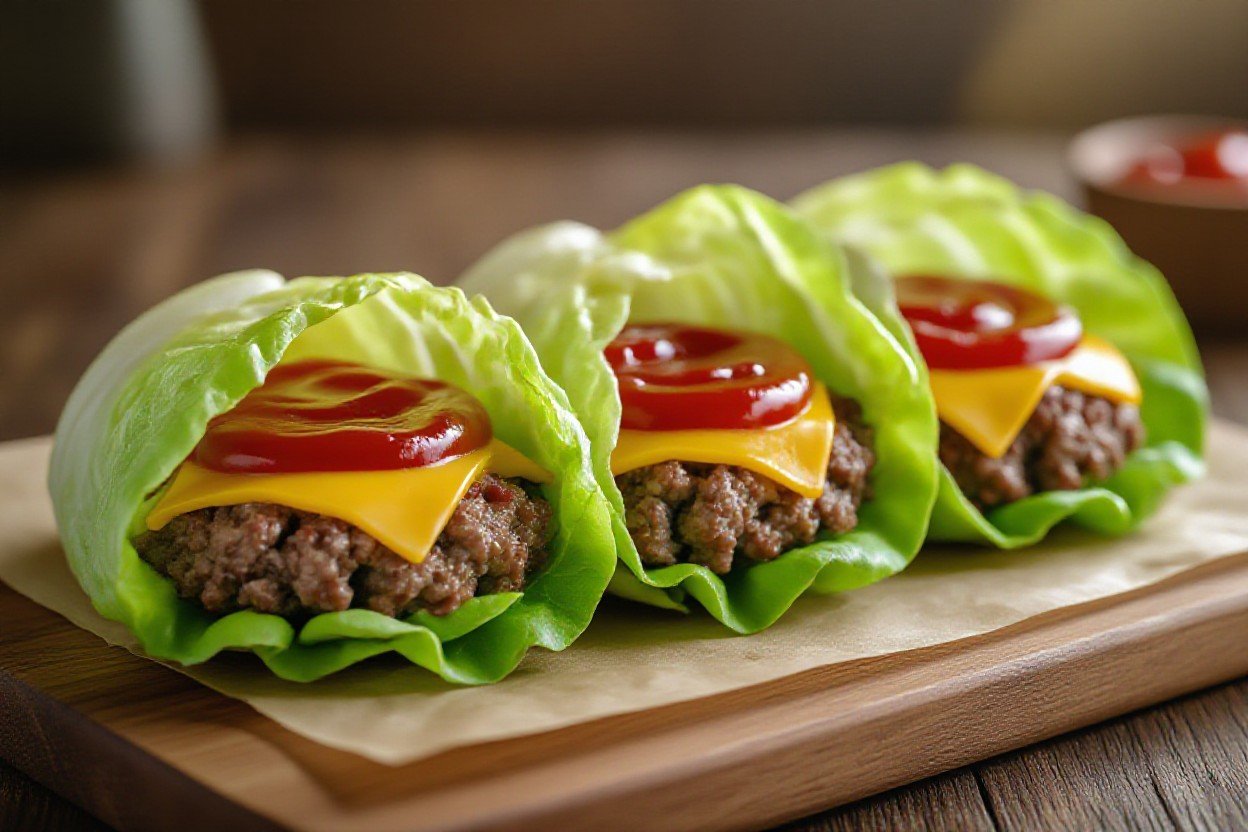
You often see people pick the leanest ground beef thinking it’s healthier, but choosing 90/10 or leaner can leave your patties dry and unsatisfying; opt for 80/20 or 70/30 for juiciness and satiety – a 4 oz 80/20 patty typically delivers the flavor and mouthfeel that make a lettuce wrap feel like a real cheeseburger. You should also watch condiments closely: one tablespoon of standard ketchup can add about 4 g sugar, and a quarter cup of caramelized onions can tack on ~8 g net carbs, so swap to sugar-free ketchups, whole-grain mustards, or a homemade mayo-based sauce to keep the meal under your daily carb target (commonly 20-30 g on keto).
Another recurring error is handling the lettuce and toppings as an afterthought – wet or warm leaves will wilt and leak, and overloading a wrap with tomatoes, sugary relishes, or too many raw onions makes it hard to eat and spikes carbs. You need to portion toppings (aim for under 5 g added carbs per wrap), dry and chill your lettuce, and assemble in an order that supports structure: meat first, melted cheese, dense toppings, then greens and sauces.
Ingredient Selection
You should prioritize fat content in the beef: 80/20 is a reliable balance for flavor and texture, and a 4 oz 80/20 patty usually contains roughly 250-300 kcal and will keep the wrap moist; if you go leaner, plan to add fat elsewhere like avocado or a higher-fat cheese. When choosing cheese, pick aged varieties such as sharp cheddar or Swiss – they tend to have under 1 g carbs per ounce and melt well, giving you that classic cheeseburger profile without hidden sugars found in processed slices.
For greens and condiments, choose sturdy, low-carb leaves like butter lettuce or romaine (each large leaf is roughly 0.5-1 g net carbs) and check labels on sauces for maltodextrin, dextrose, or cane sugar. You should also be cautious with cured meats and store-bought bacon; some brands add brown sugar during curing, which can add 0.5-1 g carbs per slice, so read ingredient lists or cook plain bacon and finish with a low-carb glaze if you want extra sweetness.
Cooking Techniques
You’ll lose juiciness if you press patties while they cook – that squeezes out fat and concentrates shrinkage; instead, sear on high heat (cast iron preheated to 400-450°F) for 3-4 minutes per side for a 3/4-inch patty, then lower the heat to finish as needed. Use an instant-read thermometer to hit 160°F for ground beef per USDA guidelines, and let the patties rest 4-6 minutes so juices redistribute before you wrap them in lettuce.
Overcrowding the pan is another common mistake that forces steaming instead of browning; cook in batches and maintain a hot surface so you get the Maillard crust that builds flavor. When you add cheese, place a slice on the patty with about 60-90 seconds left and cover the pan or place briefly under a 500°F broiler for 20-30 seconds to melt efficiently without overcooking the meat.
For assembly technique, dry and chill your leaves to prevent sogginess and construct wraps with the heaviest items closest to the patty to maintain stability – think cheese, bacon, then pickles and sauce – and limit loose, high-moisture toppings (a single slice of tomato adds ~1 g carb) so your wrap holds together through the first bite. You can also cook a 1-oz test patty to calibrate seasoning and final cooking time before committing all your meat, which helps avoid a batch of under- or over-seasoned burgers.
Final Words
With these considerations, you can make keto cheeseburger lettuce wraps that satisfy burger cravings while staying low in carbs; choose high-fat ground beef, a melting cheese, and a sturdy leaf like romaine or butter lettuce to maintain structure and texture, and use pickles, onions, mustard, or sugar-free ketchup to build balanced flavor. You should season the meat boldly and manage fat content so the wraps feel indulgent without excess carbs, adjusting toppings to align with your taste and macro goals.
You can streamline meals by cooking and seasoning the meat in batches, storing toppings separately to keep lettuce crisp, and portioning by weight or macros for easy tracking – this keeps the dish convenient for busy days and consistent with your ketogenic plan. When serving, assemble just before eating to preserve crunch, and vary cheeses, herbs, or add avocado for variety while maintaining the low-carb focus.