Keto Greek Salad Bowl
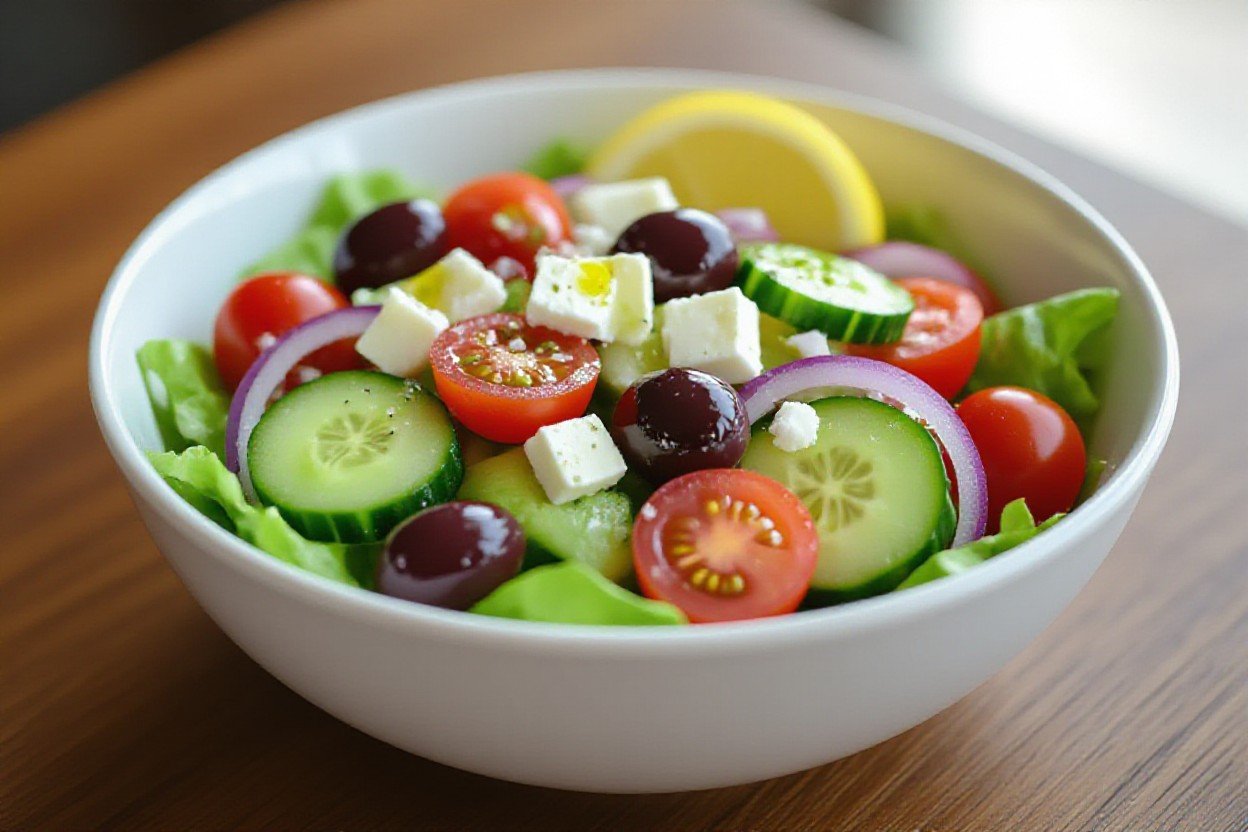
There’s a satisfying way to enjoy Mediterranean flavors while staying low-carb: the Keto Greek Salad Bowl combines crisp cucumber, juicy tomatoes, kalamata olives, creamy feta, and protein-rich grilled chicken or salmon dressed in a zesty lemon-oregano vinaigrette so you can meet your macros without sacrificing taste or texture.
Ingredients
To keep this bowl within typical ketogenic targets, you’ll aim for roughly 6-10 g net carbs, 25-35 g fat, and 12-20 g protein per serving by choosing high-fat, low-carb components and watching portions of starchy or sweet vegetables. Measure dressings and olives-1 tablespoon of extra-virgin olive oil adds about 120 kcal and 14 g fat with zero carbs, while 10 Kalamata olives contribute roughly 40 kcal and ~1 g net carb, so small swaps change macros quickly.
Essential Ingredients
Greens and crunchy vegetables form the base: use romaine or mixed leafy greens (100 g romaine ≈ 3 g carbs), thinly sliced cucumber (100 g cucumber ≈ 3.6 g carbs, ~2 g net) and limit cherry tomatoes to 4-6 halves (about 3 g net carbs) so you keep the bowl low-carb while retaining texture. Add a few thin slices of red onion only if you’re tracking tightly-1 tablespoon chopped onion is about 1 g net carb.
For fat and classic flavor, include crumbled feta and olives plus a citrusy olive oil dressing: 50 g feta provides savory tang with roughly 130-140 kcal and ~2 g net carbs, while 1-2 tablespoons of extra-virgin olive oil supplies the bulk of healthy fats. Finish with dried oregano, a squeeze of lemon (1 tablespoon lemon juice ≈ 1 g carbs), sea salt and freshly cracked pepper to keep seasoning carb-neutral and flavorful.
Optional Add-Ins
To increase protein and satiety, you can add grilled proteins: 100 g cooked chicken breast delivers about 31 g protein and ~0 g carbs, while 100 g cooked lamb or gyro-style meat raises fat and calories if you prefer richer bites. For extra creaminess and calories, half an avocado (≈75-100 g) adds roughly 120-160 kcal, ~10-15 g fat and only ~1-2 g net carbs depending on size.
Other keto-friendly options include 1 oz (28 g) walnuts (≈185 kcal, ~4 g net carbs) or 1-2 tablespoons of capers or pepperoncini for briny brightness with minimal carbs; you can also toss in a few anchovy fillets for umami without meaningful carbs. Pickled vegetables, roasted artichoke hearts in small amounts, or a few slices of halloumi (grilled) give Mediterranean variety while you keep an eye on portions.
When you experiment with add-ins, track portions to see how each change shifts your macros: adding 100 g grilled chicken breast roughly increases protein by 31 g and calories by 165, while adding half an avocado raises fat and calories significantly but only adds 1-2 g net carbs-use that trade-off to tailor the bowl for satiety, calorie needs, and overall carb target.
Preparation Steps
Chopping and Mixing
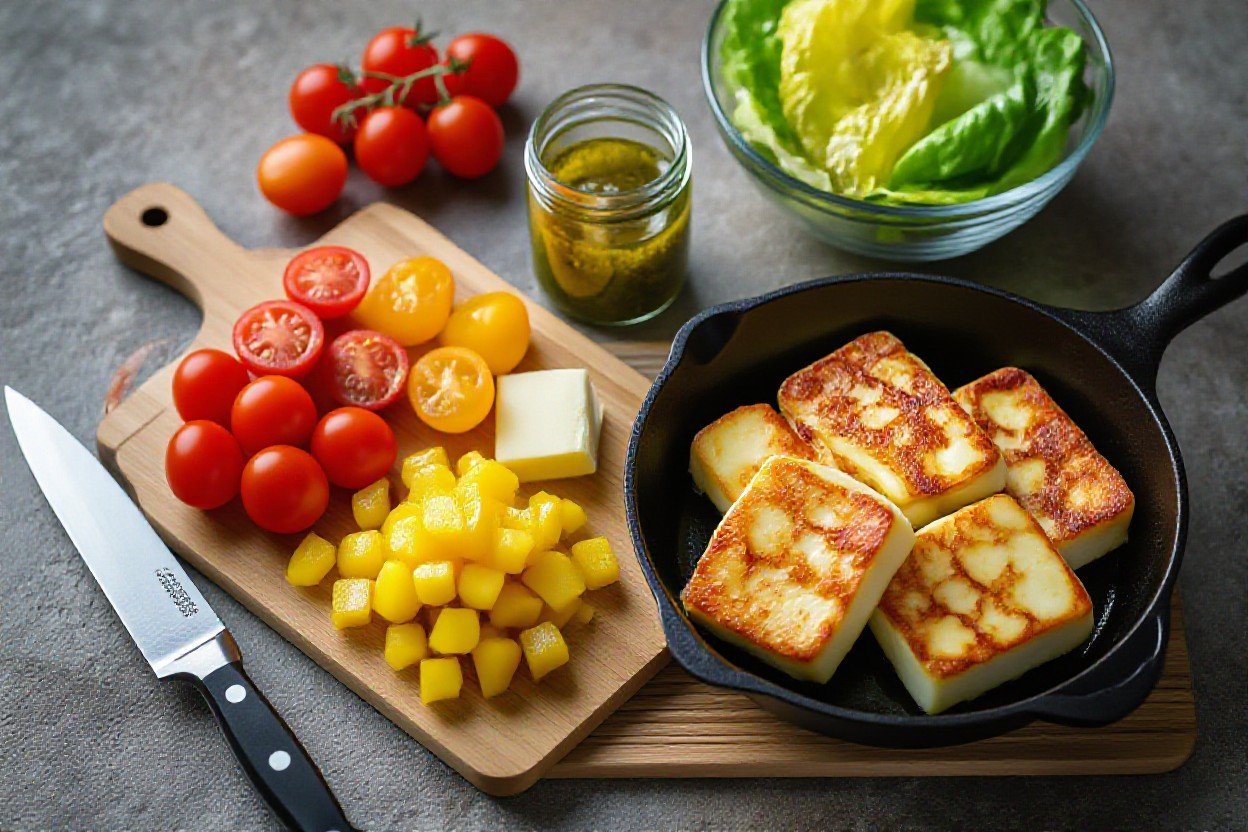
Begin by cutting ingredients to consistent sizes so every bite balances texture and flavor: dice 1 medium cucumber into 1/4‑inch pieces (about 120 g), halve 8-10 cherry tomatoes, thinly slice 1/4 of a medium red onion (aim for 1-2 mm slices), and chop roughly 3 cups torn romaine or mixed greens (about 150 g). Use a chef’s knife or a mandoline for even onion slices, and spin the greens dry in a salad spinner for 10-15 seconds so the dressing adheres rather than dilutes.
After prepping, combine the sturdier items first – greens, cucumber, and tomatoes – then fold in 1/3 cup pitted Kalamata olives and 2 oz (56 g) crumbled feta at the end to prevent the cheese from breaking down. Toss gently with two or three lifting motions so leaves stay crisp; if you’re making 2-3 servings, do the toss in a large bowl (2-3 liters) and reserve a small amount of feta for garnish to keep presentation sharp.
Dressing the Salad
Whisk a classic Greek vinaigrette with a 3:1 oil-to-acid ratio: 3 tbsp extra‑virgin olive oil, 1 tbsp red wine vinegar, 1 tsp Dijon mustard, 1 tsp fresh lemon juice, 1/2 tsp dried oregano, 1/4 tsp sea salt and 1/8 tsp black pepper; whisk vigorously for 20-30 seconds or shake in a 250 ml mason jar for the same time to emulsify. That batch yields roughly 4 tbsp-enough for 2-3 servings-so plan about 1½-2 tbsp dressing per serving to keep the bowl keto‑friendly while delivering about 14-18 g fat per serving from the oil.
To fine‑tune flavor, taste a teaspoon of the dressing against a small leaf of lettuce before committing it to the whole bowl: add an extra 1/2 tsp vinegar if you want more brightness, or a pinch more salt for seasoning. Store leftover vinaigrette in the fridge up to 5 days; bring it to room temperature and re‑emulsify with a quick shake or a 10-15 second whisk before using.
Nutritional Benefits
You’ll notice this bowl balances macros in a way that supports satiety and stable energy: a typical keto Greek salad bowl with 3-4 oz grilled chicken or 2-3 oz feta, a tablespoon of olive oil, and generous vegetables delivers roughly 10-20 g protein, 20-35 g fat, and about 6-12 g net carbs per serving depending on portions. The combination of protein from chicken or cheese and fat from olive oil or avocado helps keep your hunger in check for longer stretches, reducing the need for mid-afternoon snacks.
Vegetables in the bowl contribute important micronutrients you’ll value on a low-carb plan-vitamin K from leafy greens, vitamin C from peppers and tomatoes, and potassium from cucumbers and olives-while feta and olives add calcium and sodium that can be helpful when you’re eating fewer carbs. You can tailor the nutrient profile easily: adding 1/2 an avocado boosts mono‑unsaturated fats and potassium, while swapping in extra chicken raises protein toward 25-30 g per meal.
Low-Carb Advantages
Keeping net carbs for the bowl in the 5-15 g range makes it straightforward to fit this meal into a daily carb target of 20-50 g, which many people use to maintain nutritional ketosis or simply minimize glucose excursions. You’ll find that limiting higher‑sugar items-use 1/4-1/2 cup cherry tomatoes instead of a whole tomato and favor cucumbers and mixed greens-keeps carbs low without sacrificing volume or fiber.
Portion control of starchy ingredients is where you gain leverage: for example, 1/2 cup sliced cucumber contributes roughly 1-2 g net carbs while 1/2 cup cherry tomatoes adds about 2-3 g; choosing your mix lets you manage total carbs precisely. If you’re tracking macros, weigh additions like 1 oz feta (about 4 g protein, 6 g fat) or a tablespoon of olive oil (about 14 g fat) to hit your daily targets consistently.
Healthy Fats
Olive oil, olives, feta, and avocado supply a mix of mono‑ and polyunsaturated fats that support heart‑healthy lipid profiles when they replace refined carbohydrates. A single tablespoon of extra‑virgin olive oil provides about 14 g of fat and roughly 120 kcal, while half an avocado contributes approximately 12-15 g of fat and 120-160 kcal, so you get concentrated energy along with anti‑inflammatory benefits from monounsaturated fats.
Those fats also enhance absorption of fat‑soluble nutrients and phytonutrients present in the vegetables-adding just a modest amount of oil or avocado markedly increases uptake of carotenoids and fat‑soluble vitamins. You’ll notice improved nutrient density per calorie when you pair colorful vegetables with a healthy fat source, turning the salad into a more efficient vehicle for antioxidants and vitamins.
When you assemble the bowl, prioritize extra‑virgin olive oil for its polyphenols, choose whole olives or sliced avocado for texture and potassium, and account for caloric density: if you’re tracking energy intake, log that tablespoon of oil (~120 kcal) or 1/4 avocado (~60-80 kcal) so the healthy fats support your goals without unintentionally pushing you over your daily target.
Customization Options
Protein Choices
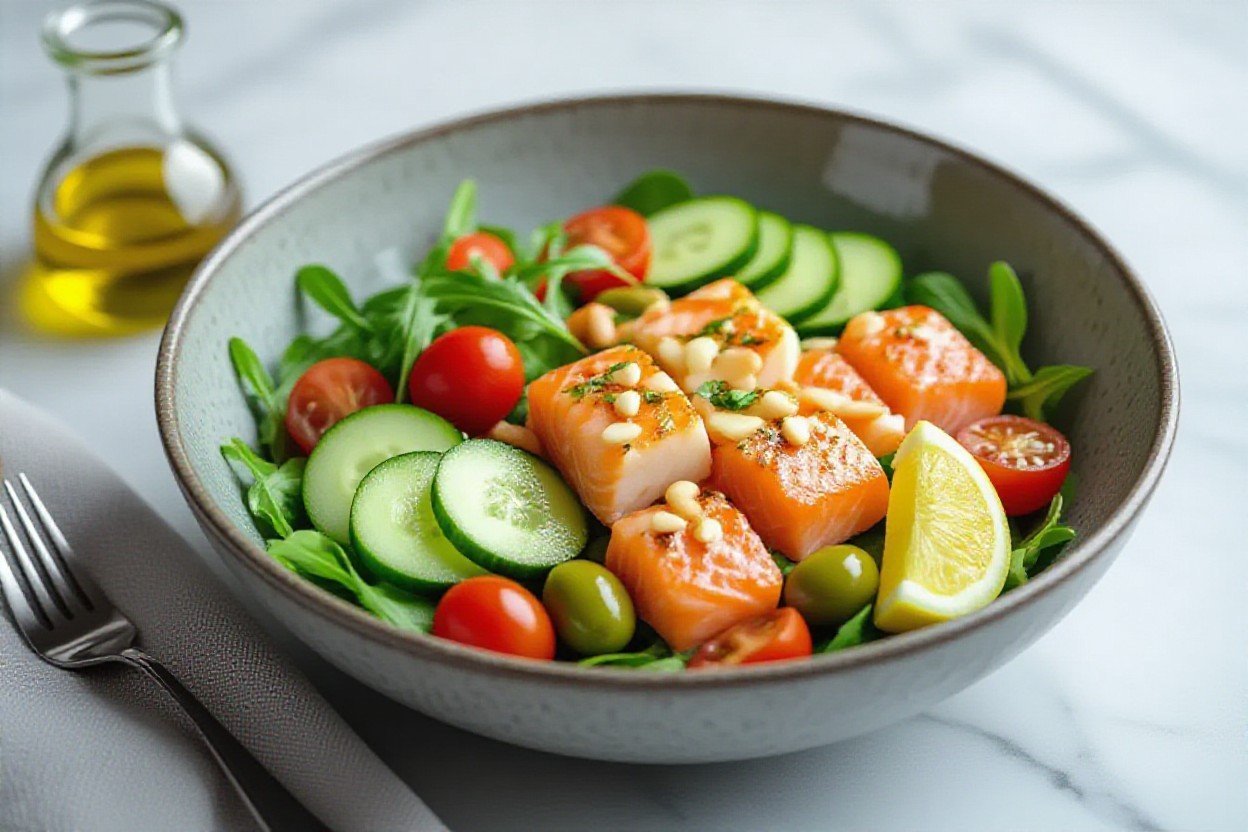
You can lean on classic Greek proteins like grilled chicken, salmon, and shrimp to hit satiety and macro targets: a 4 oz (115 g) boneless, skinless chicken breast provides about 35 g protein, a 3-4 oz (85-115 g) salmon fillet gives roughly 22-26 g protein plus 10-15 g fat, and a 3 oz (85 g) portion of shrimp supplies about 20 g protein with negligible carbs. Feta adds modest protein (around 4-6 g per 2 oz/56 g) while contributing sodium and fat, so use it to boost flavor rather than bulk protein.
You should also consider fattier cuts or preserved options when you want to raise calories without carbs: 3-4 oz of gyro-style lamb or canned tuna in olive oil can push your fat-to-protein ratio toward a ketogenic balance. Marinate proteins in olive oil, lemon, garlic, and oregano for 30-60 minutes, then char-grill or high-heat sear for the best texture; slicing proteins thinly distributes them through the bowl so every bite has both fat and protein, which helps keep you full for longer.
Vegan Alternatives
You can make the bowl keto-friendly while keeping it plant-based by choosing low-carb, high-protein options: seitan delivers about 25 g protein per 100 g with roughly 3-5 g net carbs, tempeh offers ~19 g protein and ~9 g carbs per 100 g, and firm tofu provides ~8 g protein with about 2 g net carbs per 100 g. Complement these with fat-forward ingredients-3 tablespoons (30 g) of hemp seeds add roughly 10 g protein and 14 g fat with only ~2 g net carbs, and half an avocado supplies ~15 g fat and only ~2 g net carbs-so you meet ketogenic ratios without animal products.
You should use preparation techniques that maximize flavor and texture: press and marinate tofu in lemon, olive oil, and smoked paprika then pan-sear to get a crisp exterior; cube and pan-roast tempeh at 400°F (200°C) for 20-25 minutes after a soy-lemon marinade to reduce bitterness; and quickly pan-fry seitan in 1 tbsp olive oil for a meaty, charred finish. Combining 100 g tempeh (≈19 g protein) with 1/2 avocado and 10 olives will typically keep total carbs under 10 g while delivering 20-25 g protein and ample healthy fat per bowl.
If you use protein isolates, pea or rice protein powders can be stirred into dressings or mixed with olive oil to add 20-25 g protein per 30 g scoop with only 1-3 g carbs, which is a practical trick when solid vegan proteins would push your carbs too high; avoid starchy legumes like chickpeas or white beans for strict keto, since cooked chickpeas contain roughly 25-30 g carbs per 100 g and rapidly consume your carb allowance.
Serving Suggestions
Serve the bowl with precise portions: aim for about 2 cups mixed greens, 1/2 cup cucumber, 1/4 cup cherry tomatoes, 1/4 cup sliced Kalamata olives and 2 oz crumbled feta – that combination typically keeps the bowl around 6-8 g net carbs depending on tomato quantity. You can finish with 1-2 tablespoons of lemon-olive oil dressing to add roughly 120-240 kcal and a steady hit of healthy fats without pushing carbs up significantly.
For plating, place protein on one side and tossed salad on the other so textures stay distinct; a 3-4 oz piece of grilled chicken or salmon will make the bowl a complete meal while keeping net carbs low. If you want to serve family-style, offer extra olives, capers and a small bowl of extra-virgin olive oil so each person can adjust fat and sodium to their preference.
Meal Prep Ideas
Cook proteins in bulk: roast four 4-oz chicken breasts (about 450-500 g total) and portion into 4 servings so each meal has ~25-30 g protein; alternatively grill 16 oz (450 g) salmon and divide into four 4-oz portions. Keep dressing in a mason jar (oil and acid-based vinaigrettes will stay good up to 7 days refrigerated) and store olives and feta in a separate small container to prevent the salad from getting soggy.
Chop cucumbers and halve cherry tomatoes and store them together for up to 3 days; keep mixed greens uncut in a separate airtight container with a paper towel to wick moisture and extend crispness to 2-4 days. When assembling for lunch, combine 2 cups greens, 1/2 cup veggie mix, 1 portion protein and 1-2 tablespoons dressing just before eating to preserve texture and flavor.
Pairing Recommendations
Pair the bowl with a 4-oz (115 g) pan-seared salmon (≈23 g protein, ≈14 g fat, ≈233 kcal) or a 3-4 oz grilled lamb chop for a Mediterranean flavor profile; both keep overall carbs minimal while boosting satiety. Low-carb sides like 1 cup cooked cauliflower rice (≈5 g total carbs, ≈2 g fiber → ~3 g net carbs) or roasted zucchini rounds complement the salad without pushing you over typical keto targets.
If you’re tracking macros closely and aiming for strict ketosis (<20 g net carbs/day), keep the bowl under 8-10 g net carbs per serving and add a 1-tablespoon olive oil drizzle (+120 kcal, all fat) or a 1/4 avocado (~3 g net carbs, ~7 g fiber, ~60 kcal) to hit a 20-30 g protein and 20-40 g fat target per meal while maintaining the proper carb ceiling.
Common Mistakes
You often treat a keto Greek salad like a regular one and end up with too many high-water, higher-carb ingredients and too little fat. For example, piling on 150-200 g of cherry tomatoes for two servings can noticeably raise carb count and dilute the rich mouthfeel; instead scale tomatoes to 50-75 g per two servings and replace volume with 70-100 g feta, 1/2-1 avocado, or 40-60 g olives to keep the bowl satisfying and keto-friendly.
Another misstep is inconsistent cut size and poor portion balance, which gives uneven bites and uneven flavor distribution. Aim for uniform pieces about 1-1.5 cm for cucumbers and tomatoes, shred or chop greens finely, and target roughly 150-180 g of vegetables per serving alongside 100-140 g combined fats/protein (feta + olives + avocado) so your texture and macro balance stay intentional.
Ingredient Ratios
Use a practical per-serving blueprint: 60 g mixed greens, 70 g cucumber, 30 g cherry tomatoes, 75 g feta, 40 g olives, 75 g avocado and 1-2 tbsp (15-30 ml) extra-virgin olive oil. That composition keeps vegetables prominent while delivering 2-3 generous fat sources per bowl-important for satiety and maintaining a keto fat-to-veg emphasis.
If you scale to two servings, double those numbers and consider small swaps: replace half the cucumber weight with roasted pepper for variety, or trade 25 g feta for 25 g grilled chicken if you want more protein without changing fat significantly. You can also tip the balance toward fat by adding an extra tablespoon of olive oil (≈120 kcal) if you need higher daily fat intake.
Dressing Proportions
Adopt a 3:1 oil-to-acid ratio for a reliably keto-friendly Greek dressing: for two servings mix 6 tbsp extra-virgin olive oil with 2 tbsp red wine vinegar or lemon juice, 1 tsp Dijon mustard, 1 tsp dried oregano, 1 small minced garlic clove, and salt and pepper to taste. That ratio preserves the salad’s fat-forward profile while giving enough acidity to brighten flavors without overpowering the ingredients.
When you emulsify, use the mustard and a vigorous whisk or a jar with a tight lid; 1 tsp of mustard per 45 ml (3 tbsp) oil stabilizes the emulsion so the dressing clings to greens and cheese rather than pooling. If you prefer a creamier texture, pulse the mix briefly in a blender for 5-7 seconds instead of shaking by hand.
If acidity becomes too strong, it will wilt tender greens within 5-10 minutes and make feta taste excessively tangy; dress only just before serving or reduce acid to 1.5 tbsp per 6 tbsp oil and compensate with a splash of water or an extra teaspoon of mustard to maintain body. You can also refrigerate leftover dressing and re-emulsify by shaking or whisking for 10-15 seconds before reuse.
Summing up
Now you have a flavorful, low‑carb meal option in the Keto Greek Salad Bowl that combines crisp vegetables, briny olives, tangy feta and heart‑healthy olive oil to keep your meals satisfying while supporting your macros. The bowl delivers healthy fats, fiber and micronutrients with minimal added carbohydrates, making it a practical choice for sustaining ketosis and promoting satiety between meals.
You can customize portions and protein-grilled chicken, salmon or a soft‑boiled egg-and batch prep components to fit your daily carbohydrate goals; swap creamy full‑fat tzatziki or a lemon‑olive oil vinaigrette for store dressings and omit high‑carb add‑ins to maintain keto compliance. This simple, versatile recipe makes it easy for you to enjoy Mediterranean flavors without compromising your dietary plan.
Printable Recipe Card
Want just the essential recipe details without scrolling through the article? Get our printable recipe card with just the ingredients and instructions.