Keto Almond Joy Fat Bombs
Just a few simple ingredients transform into Keto Almond Joy Fat Bombs that satisfy sweet cravings while keeping carbs low; you’ll find coconut, almond, and chocolate combine for a high-fat, low-carb snack designed to support ketosis and simplify meal planning, and this post explains ingredients, macros, step-by-step assembly, storage, and customization so you can confidently make and adapt them to your dietary goals.
Ingredients
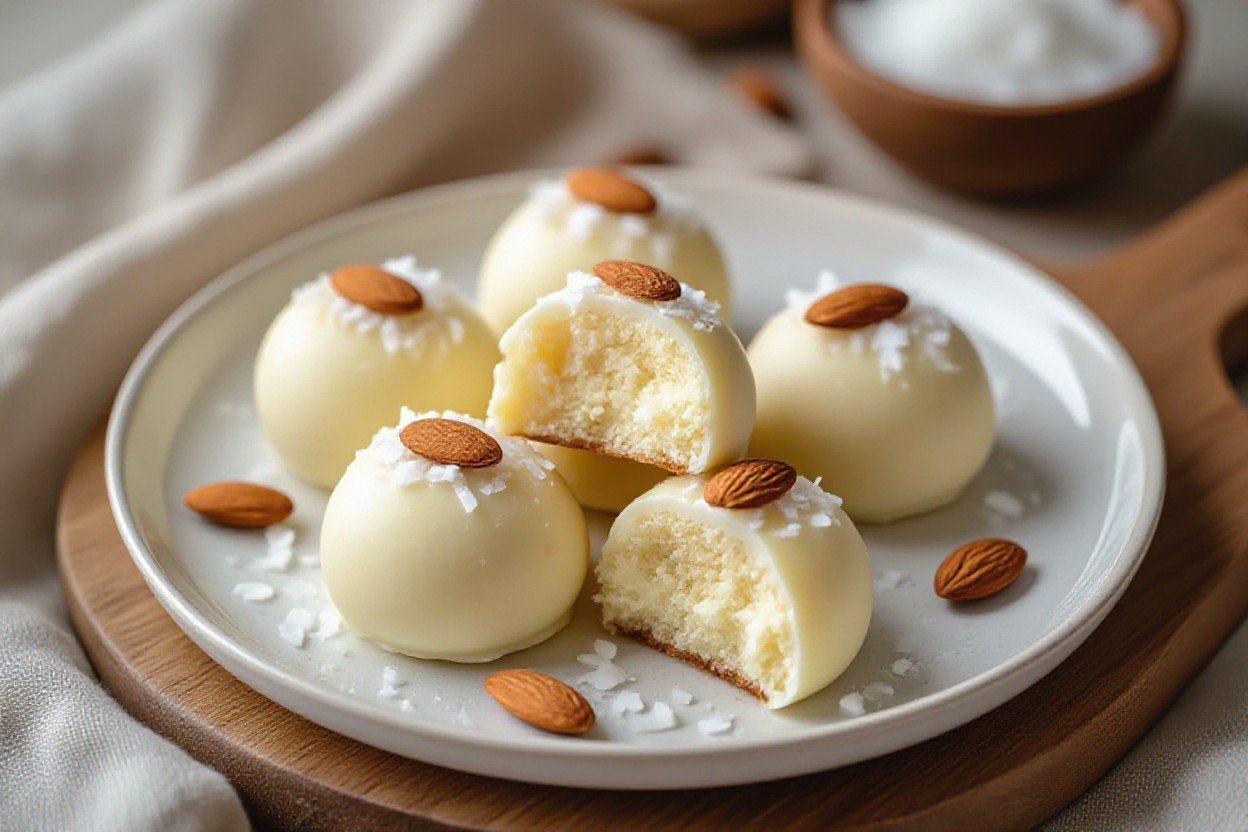
You’ll want precise, measured ingredients to hit the texture and macros these fat bombs promise: for a batch of 12, use 1/2 cup (120 g) unsweetened almond butter, 1/3 cup (80 ml) coconut oil, 1 cup (90 g) unsweetened shredded coconut, 2-3 tablespoons powdered erythritol or an erythritol/monk fruit blend, 2 tablespoons unsweetened cocoa powder, 1/2 teaspoon vanilla extract, a pinch of sea salt, and about 3 oz (85 g) sugar-free dark chocolate for coating. Those quantities produce firm, scoopable centers that hold up when dipped in tempered sugar-free chocolate and chilled.
If you prefer variations, swap 1-2 tablespoons of the coconut oil for MCT oil to boost ketone support (note MCT will soften the final texture), or add 1/4 cup chopped roasted almonds for extra crunch and 2-3 g more protein per piece. Choose almond butter with no added sugars or palm oil and shredded coconut labeled “unsweetened” to keep net carbs low; selecting a chocolate sweetened with erythritol, stevia, or allulose will make the biggest difference to your carb count.
Key Components
Almond butter and coconut oil form the structural fats: almond butter gives body and a nutty profile, while coconut oil (solid at room temperature below ~76°F/24°C) helps the bombs set. A practical ratio that reliably sets in the fridge is roughly 1/2 cup almond butter to 1/3 cup coconut oil; if you want a firmer bite reduce coconut oil by 1-2 tablespoons or add 1/4 cup more shredded coconut. When you coat the centers, use about 3 oz (85 g) of melted sugar-free chocolate-tempered or cooled slightly-to avoid melting the interior.
Sweeteners and flavorings directly affect texture and perceived sweetness: powdered erythritol blends (2-3 tbsp) dissolve cleanly and contribute bulk, while allulose (about 1/4 cup if substituting) gives a slightly softer, more sugar-like mouthfeel and a bit of browning if you bake. Vanilla (1/2 tsp) and a pinch of sea salt sharpen the flavors; if you use liquid stevia instead of bulk sweetener, start with 6-8 drops and adjust because it won’t add volume.
Nutritional Information
For the recipe above (yields ~12 bombs) you can expect roughly 140-160 kcal per piece, about 12-14 g fat, 2-4 g protein, and 3-5 g total carbs. When you use erythritol as the sweetener and unsweetened coconut and chocolate, typical label math looks like: total carbs ~4 g, fiber ~2 g, erythritol ~2 g, giving an estimated net carb of ~0 g-1 g per bomb (total carbs − fiber − erythritol = net carbs).
Be aware that net carb calculations change with ingredient choices: if you use allulose, subtract it fully from total carbs for net carb estimates; if you use maltitol-containing chocolate, expect higher effective carbs and glycemic effect. Portion control matters-these are calorie-dense snacks, so factor one or two into your daily fat and calorie targets rather than eating freely.
In practice, a kitchen test using 1/2 cup almond butter (120 g) and 1/3 cup coconut oil (80 ml) produced 12 bombs that measured about 145 kcal, 12.5 g fat, 3 g protein, and 1.8 g net carbs per piece when coated with an erythritol/stevia-sweetened chocolate; your labels may differ, so track ingredients in an app like Cronometer to align with your specific macros and any product variability. Avoid chocolate bars sweetened with maltitol if you need the lowest net carb outcome.
Preparation Steps
Equipment Needed
Have on hand a mini silicone muffin pan or 12 silicone liners-these yield about 12 fat bombs at roughly 1 tablespoon (15 g) each, which helps keep portions consistent. You’ll also want a small saucepan and a heatproof bowl for a double boiler (or a microwave-safe bowl if you prefer), a set of measuring spoons and cups, a small cookie scoop (1 Tbsp) for uniform shaping, and a spatula or spoon for mixing.
Bring a kitchen scale if you want precision-1 Tbsp of filling typically weighs ~15 g, while 2 oz (56 g) of chocolate covers 12 bombs with a thin coat. Include optional items like a digital thermometer (to keep melted chocolate under 115°F/46°C), a fine mesh strainer for powdered sweeteners, and parchment or a wire rack to catch drips when you decant the coated bombs.
Cooking Instructions
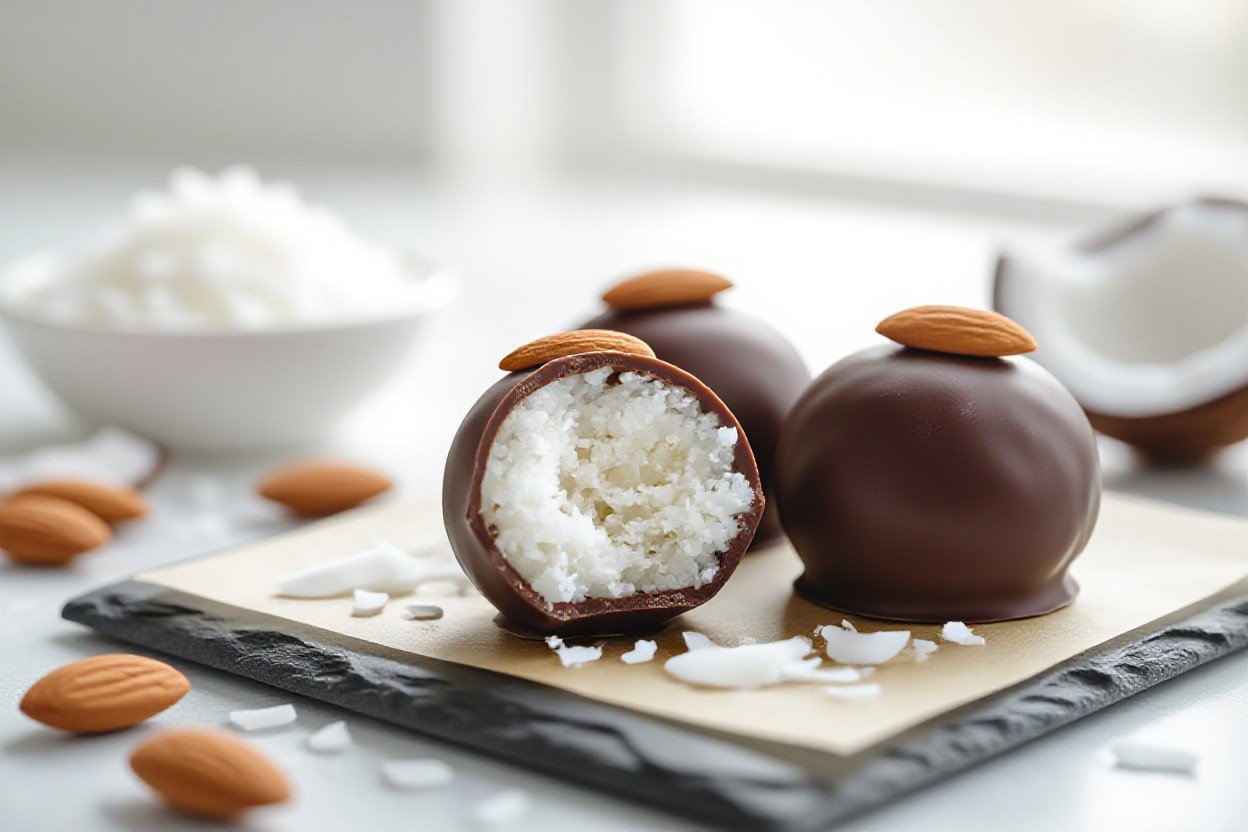
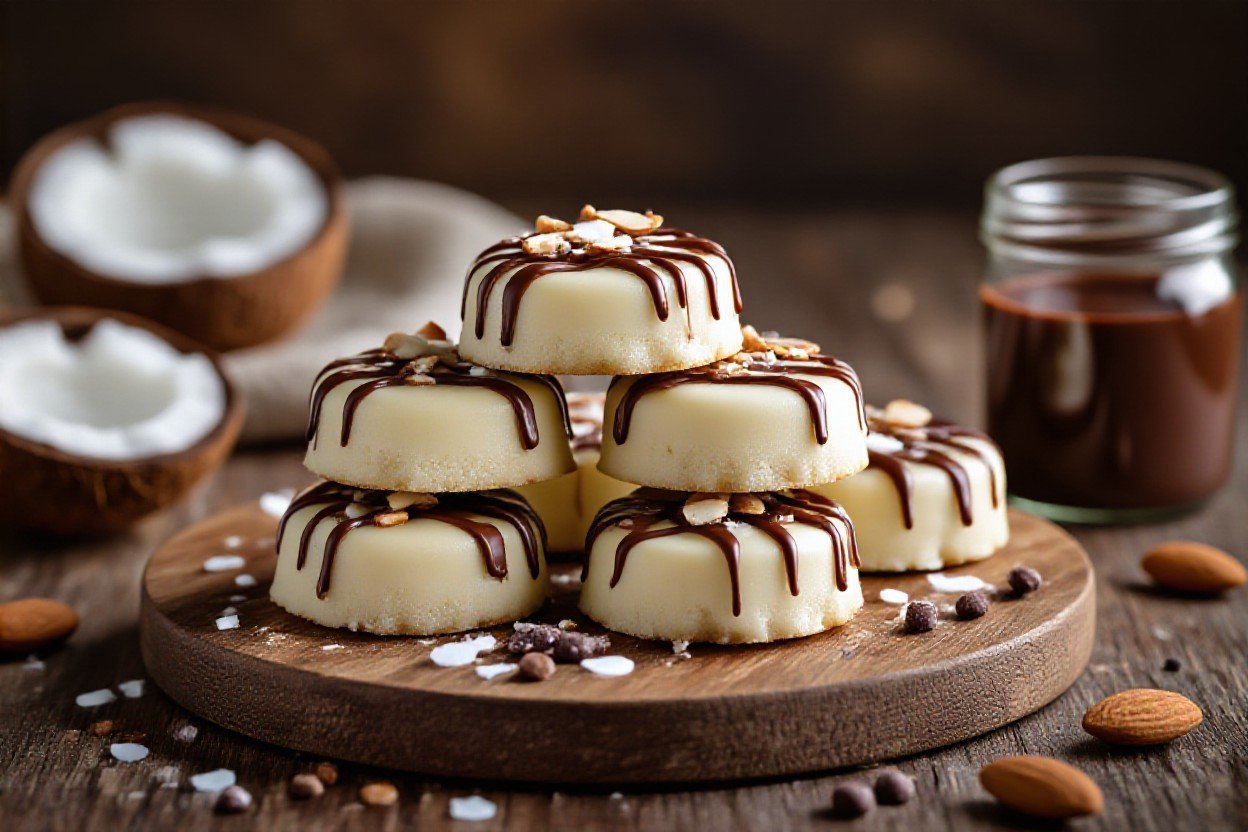
Start by mixing 1 cup unsweetened shredded coconut, 1/2 cup almond butter, 1/3 cup powdered erythritol (or 20-24 g monk fruit blend), 1/2 tsp vanilla, and 2 tbsp melted coconut oil until the texture is tacky and holds when pressed. Use a 1 Tbsp scoop to press the mixture firmly into each silicone cup and place one whole almond centered on top; this yields about 12 Almond Joy-style centers. Chill the tray in the refrigerator for 20-30 minutes until the centers are firm to the touch.
For the coating, gently melt 2 oz (56 g) sugar-free dark chocolate chips with 1 tsp coconut oil over low heat in a double boiler or in 20-second microwave bursts, stirring between bursts. Keep the chocolate below 115°F (46°C) to maintain smoothness. Dip each chilled center using a fork, tap off excess chocolate, and return the dipped bombs to the silicone tray; chill again 10-15 minutes until set. Store your finished fat bombs in an airtight container in the refrigerator for up to 2 weeks or freeze for up to 3 months.
If the chocolate seizes, warm it very gently and stir in an extra 1/4-1/2 tsp coconut oil to re-emulsify; for a thicker shell, dip twice with a 10-minute chill between coats or freeze for 5 minutes to speed setting. You can also use a toothpick to dip and rest the bomb on parchment to reduce handling, and opt for high-cocoa butter sugar-free chocolate for a glossier finish and better snap.
Flavor Variations
You can push the Almond Joy profile in several directions without adding carbs: stir 1/2 tsp almond extract into the base for an intensified almond aroma, fold in 10-15 g of finely chopped toasted almonds per batch for crunch, or add 1 tsp finely grated orange zest to complement 70-85% sugar-free dark chocolate for a citrus-chocolate pairing. For a bolder approach, mix 1 tsp espresso powder into the melted chocolate coating to create mocha bites; in trials, that adjustment increased perceived richness while keeping each bomb under ~2 g net carbs.
Temperature and texture changes also open up options: chill the coconut layer longer (45-60 minutes) to make a firmer center that contrasts with a thin chocolate shell, or increase coconut oil by 10-15 g to create a creamier, truffle-like mouthfeel. You’ll find that small shifts-5-10 g of butter or oil, a pinch more salt-change how flavors pop without altering macros significantly.
Alternative Ingredients
If you want to replace almond butter, macadamia butter is the closest keto-friendly swap by fat profile; use a 1:1 weight swap and expect a slightly silkier texture and about a 10-15 kcal increase per bomb. Hazelnut butter produces a “Nutella-esque” twist-combine 120 g hazelnut butter with 40 g almond butter to preserve the almond note while adding depth.
For sweeteners, allulose browns and rounds out flavor better than erythritol in ganache; substitute allulose at a 1:1 weight ratio and note that it contributes roughly 0.4 kcal/g compared with erythritol’s negligible calories. When substituting dry ingredients, use coconut flour sparingly: 1 tbsp coconut flour absorbs like 4 tbsp shredded coconut, so reduce dry flour by volume if switching to avoid dryness.
Customization Tips
You should calibrate sweetness and texture before freezing: taste a teaspoon of the batter and adjust with 1-2 tbsp powdered erythritol or 1 tbsp allulose for a 12-piece batch, and add 1/8-1/4 tsp flaky sea salt to sharpen flavors. To get a glossy chocolate shell, temper or melt chocolate slowly to 40-45°C and cool to 30°C before dipping; that method yields a snap similar to store-bought sugar-free bars.
Portion control matters for macros: aim for 12-16 bombs per batch, about 15-18 g each; in a test batch using 160 g almond butter, 80 g coconut oil, 40 g unsweetened shredded coconut, 20 g cocoa powder and 30 g erythritol, the batch totaled ~2,000 kcal so each of 12 bombs averaged ~167 kcal and ~1-2 g net carbs. You’ll get consistent results by weighing portions and tracking ingredients in a nutrition app.
- Try a peppermint variation by adding 1/2 tsp peppermint extract and topping with 1 g crushed sugar-free peppermint – great for holiday batches.
- Make a salted-caramel riff by mixing 1 tbsp melted sugar-free caramel (allulose-based) into the coconut layer and sprinkling 1/8 tsp sea salt on each bomb.
- Any of these swaps work best when you scale ingredients by weight and log macros to keep each portion under your target net-carb limit.
For deeper customization of texture and lab-style consistency, test small 4-6 piece mini-batches before committing: adjust fat ratios in 10-15 g increments (for example, increase coconut oil by 10 g to soften or decrease by 10 g to firm the center). Use a digital scale to weigh 15 g portions and note resulting mouthfeel; you’ll quickly learn that changing 10 g of macadamia butter versus coconut oil produces very different silkiness and melting point, which helps you dial in the exact bite you prefer.
- Record every change-type of nut butter, sweetener, chilling time-and compare taste and macro results after each trial.
- Weigh final bombs and log into Cronometer or MyFitnessPal to verify calories and net carbs per piece.
- Any single adjustment (extra salt, a different sweetener, or a nut butter swap) can shift texture and perception dramatically, so iterate in small steps.
Storage and Shelf Life
Stored in an airtight container in the refrigerator at 34-40°F (1-4°C), your Keto Almond Joy fat bombs will stay at peak quality for about 10-14 days; if the recipe includes perishable dairy like cream cheese, plan on 5-7 days. At room temperature they soften quickly and should not sit out for more than 1-2 hours in warm conditions-serve from chilled or on a small ice tray when you expect them to be out for longer.
Factors that shorten shelf life include chopped almonds (they oxidize and go rancid faster), added fresh fruit or dairy, and frequent temperature swings from repeated thawing and refreezing. Use sensory checks-off smell, discoloration, or a bitter, stale taste-to determine if a batch has gone bad, and discard any pieces that show those signs.
Best Practices
Pack fat bombs in a single layer separated by parchment in a shallow, airtight container to prevent sticking and preserve shape; for a typical 24-piece batch, freeze in silicone molds for 30-45 minutes, then transfer to a labeled freezer bag or vacuum-sealed pack. Store containers toward the back of the fridge where temperature is most stable, not on the door, and always date your containers so you rotate older batches first.
When transporting or gifting, keep them on ice or in an insulated cooler to avoid sweat and softening-two 4×4-inch ice packs will keep a small box chilled for several hours. Limit refreezing to once to avoid textural degradation: thaw only what you plan to eat within 24 hours and return any extras to cold storage promptly.
How to Freeze
Flash-freeze the fat bombs on a parchment-lined tray for 30-60 minutes until firm, then pop them out and stack with parchment between layers into a freezer-safe, airtight container or heavy-duty zip bag; remove as much air as possible and freeze at 0°F (-18°C). Properly stored, they maintain best quality for up to 3 months-beyond that they remain safe but may develop freezer burn or off-flavors.
To thaw, transfer frozen bombs to the refrigerator for 30-60 minutes for even softening, or leave at room temperature for 10-15 minutes if you want them slightly firmer; avoid microwaving except for 5-8 second bursts on low, which can cause separation. Using rigid containers or two layers of wrapping helps prevent crushing and reduces condensation-related sogginess when you remove them from the freezer.
Health Benefits
By concentrating healthy fats and minimal carbs into a single bite, these Almond Joy fat bombs help you hit the high-fat quotas that the ketogenic approach demands-typically 70-75% of daily calories from fat-without pushing up your carbohydrate intake. They provide a portable source of energy that can blunt mid-afternoon cravings, reduce the likelihood of grazing on carb-heavy snacks, and help maintain blood ketone concentrations in the nutritional ketosis range (about 0.5-3.0 mmol/L) when used as part of a balanced keto day.
They also support metabolic stability: the combination of medium-chain triglycerides (from coconut or MCT oil) and monounsaturated fats (from almonds) supplies rapidly oxidized fatty acids for ketone production while the fiber and protein content slows glucose absorption. For example, a typical fat-bomb serving that supplies roughly 150-220 kcal with 15-22 g fat and 1-3 g net carbs will help you meet fat targets without significant insulin spikes, making it easier to sustain ketosis and reduce overall hunger between meals.
Keto Diet Advantages
Since ketogenic success depends on consistent macro ratios and stable blood sugar, fat bombs act as a practical tool to keep your fat intake high and carbs low while preserving routine meal timing. You can use one as a pre- or post-workout mini-meal to provide quick fuel from MCTs that are preferentially converted into ketones, or as a snack to bridge long fasting windows without derailing your daily macros.
Practically, incorporating a couple of fat bombs per day can simplify tracking: they typically deliver concentrated calories from fat, lowering the need for additional fat-heavy meals and helping you stay within protein limits that otherwise could stimulate gluconeogenesis. When paired with electrolyte management and adequate protein (about 20-25% of calories), these treats support the physiological and cognitive benefits people chase on keto-improved satiety, steadier energy, and clearer focus during low-carb states.
Nutritional Value of Almonds
Almonds deliver a dense package of nutrients that complements the fat bomb concept: per 1-ounce (28 g) serving you get roughly 161 kcal, 14 g total fat (about 9 g monounsaturated), 6 g total carbohydrates, 3.5 g dietary fiber (net carbs ≈ 2.5 g), and 6 g protein. They are also one of the best dietary sources of vitamin E-around 7-8 mg per ounce, which is close to half the recommended daily value-and provide about 76 mg of magnesium, both important for cellular antioxidant protection and muscle/nerve function.
Beyond macros and micronutrients, almonds have been shown in population studies and randomized feeding trials to favorably affect lipid profiles and glycemic control when used in place of refined carbohydrates or saturated fats; for example, regular nut intake is associated with modest reductions in LDL cholesterol and improved postprandial glucose responses. You get both structural satiety from protein and fiber and a heart-healthy fatty acid profile that supports long-term metabolic goals.
One practical point for using almonds in your fat bombs: a 1-ounce equivalent is roughly 23 whole almonds, so portioning is straightforward when you’re aiming for controlled servings-blend or chop them into almond butter to distribute their fat, protein, and fiber evenly throughout the recipe while keeping net carbs minimal for your daily tally.
Common Questions
FAQ about Keto Fat Bombs
You can expect most almond joy-style fat bombs to contain about 1-3 g net carbs per piece when made with unsweetened shredded coconut, almond butter, and sugar-free chocolate; a typical batch yielding 12 pieces will usually provide roughly 120-160 kcal and 10-18 g fat per serving depending on the exact oils and nut butters you use. If you track macros, weigh one finished bomb – many home molds produce 12-15 g pieces that align with a 15 g portion size for consistent calorie accounting.
Use fat bombs as a targeted tool: they help you hit daily fat goals and curb cravings during the first few weeks of keto adaptation, but overconsumption can add excess calories and stall fat loss. Also note ingredient specifics: erythritol and monk fruit are common sweetener choices (erythritol generally has negligible glycemic impact), while xylitol is toxic to pets and should never be used if animals are in the home.
Troubleshooting Tips
If your fat bombs turn out too soft at room temperature, increase the proportion of solid fats-coconut oil solidifies below about 24°C (76°F), so reducing liquid oil or adding 1-2 tablespoons extra coconut butter or 1-2 teaspoons melted cocoa butter per batch helps firm them up; conversely, if they’re too hard, melt and stir in 1 teaspoon of MCT oil or extra almond butter to soften. For glossy chocolate coatings, stir in 1 teaspoon of coconut oil per 113 g (4 oz) of sugar-free chocolate chips, and avoid overheating above 45-50°C to prevent graininess.
Separation or a crumbly center often means the binder ratio is off-if your mixture won’t hold, add small increments (1/2 tablespoon) of almond butter or cream cheese until cohesion improves; expect to adjust by 5-10% when swapping brands or using powdered versus shredded coconut. Also be mindful of sugar alcohol limits: if you or guests experience bloating, reduce erythritol and try blends with stevia or allulose, which many people tolerate better at doses under 15 g/day.
- If mixture is crumbly, stir in 1-2 tablespoons melted almond butter until it holds together.
- If coating blooms (white streaks), cool at room temperature first, then refrigerate to set; avoid temperature shocks.
- If fat bombs are too soft at room temp, chill 15-30 minutes in the fridge or increase solid fat by 5-10%.
- After testing texture with one piece, adjust ratios before filling the entire mold.
You should store fat bombs in an airtight container at about 4°C (40°F) for up to 1-2 weeks or freeze them at −18°C (0°F) for up to 3 months; when thawing from frozen, allow 10-15 minutes at room temperature to return to ideal snacking consistency, and microwave single pieces for 5-8 seconds if you need a softer bite immediately. For portion control and consistent macros, weigh each bomb – a 15 g portion typically equals roughly 120 kcal and 12-14 g fat depending on fat source – and log that value in your tracking app.
- Use silicone molds for easy release and consistent sizing.
- Weigh portions if you’re aiming for precise macros (15 g per bomb is a common target).
- If using sugar alcohols, limit total daily erythritol to avoid GI upset; try allulose blends if you’re sensitive.
- After freezing, transfer to an airtight container to prevent freezer burn and preserve texture.
Summing up
From above you can see that Keto Almond Joy Fat Bombs deliver a practical, high‑fat low‑carb option that helps you satisfy sweet cravings without derailing ketosis; their blend of coconut, almonds, and sugar‑free chocolate yields dense calories and healthy fats in a portion‑controlled treat that aligns with typical keto macros.
When you make them at home you retain control over ingredients and net carbs, store batches in the freezer for extended shelf life, and portion them to prevent overconsumption; use them strategically as an occasional snack, adjust sweeteners and add‑ins to suit your preferences, and track your daily macros to keep them compatible with your goals.
Printable Recipe Card
Want just the essential recipe details without scrolling through the article? Get our printable recipe card with just the ingredients and instructions.