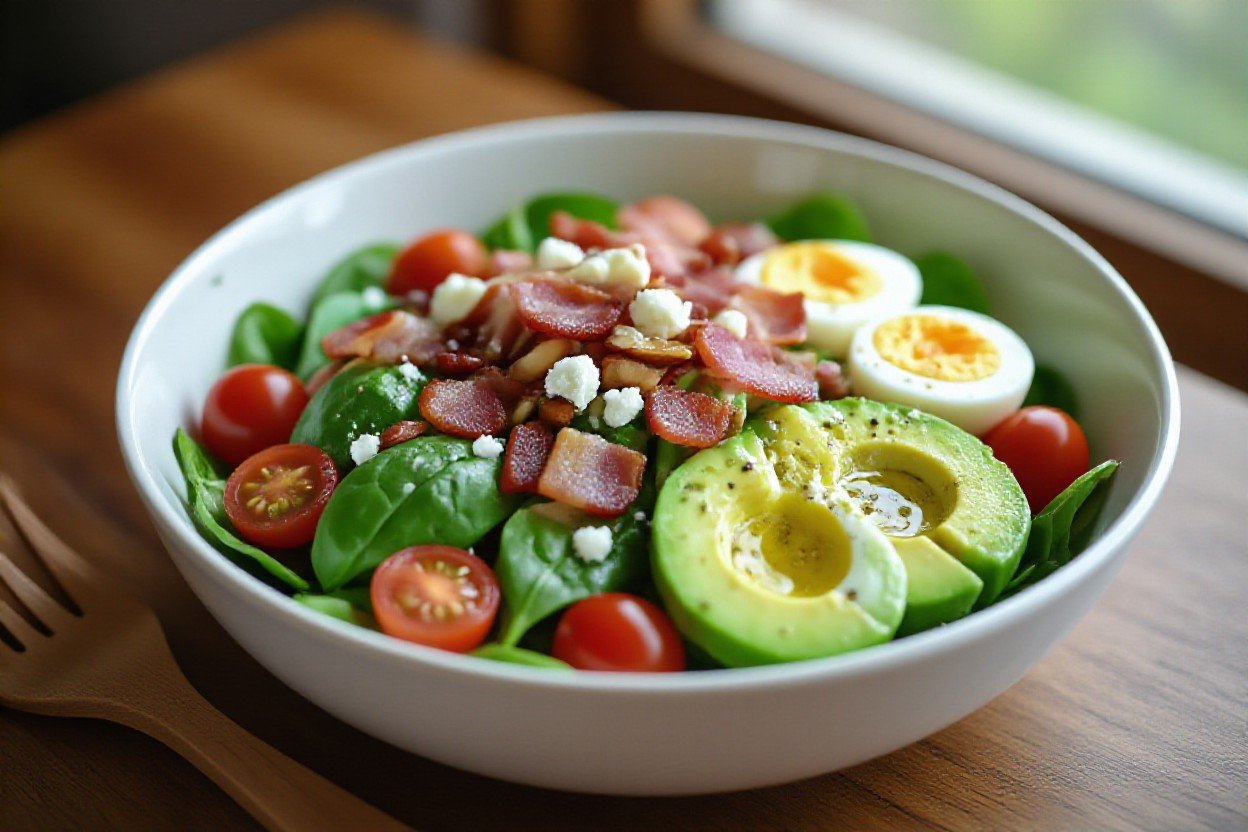
Keto Spinach Avocado Salad
With fresh spinach and creamy avocado as the base, this Keto Spinach Avocado Salad delivers healthy fats, minimizes carbs, and supplies nutrient-dense greens to support ketosis and satiety; you’ll learn how to balance textures, choose a low-carb vinaigrette, and customize protein and toppings so your meals stay satisfying and aligned with your ketogenic goals.
Benefits of a Keto Diet
Beyond the salad itself, following a well-formulated ketogenic approach shifts your metabolism from glucose toward fat and ketone utilization, which often produces measurable changes in body composition and metabolic markers. Clinical trials and meta-analyses typically show greater short-term weight loss with keto compared with low-fat diets-often 2-3 kg more at 3-6 months-and you’ll commonly see faster reductions in fasting insulin and triglycerides within weeks of adherence. Blood ketone concentrations in nutritional ketosis usually range from about 0.5 to 3.0 mmol/L, and hitting that range correlates with the appetite-suppressing and lipolytic effects many people report.
Additionally, you can expect improvements in several cardiovascular risk factors and glycemic control when the diet is implemented with whole foods. For example, triglycerides frequently drop by 20-50% and HDL often rises 5-10% in the first months, while hemoglobin A1c reductions of roughly 0.5-1.0 percentage point have been observed in people with type 2 diabetes who reduce carbohydrate and sustain ketosis. Those effects are strongest when you prioritize nutrient-dense sources of fat and adequate protein instead of relying on processed low-carb products.
Weight Loss
Mechanistically, weight loss on keto comes from a mix of glycogen and water loss initially and increased fat oxidation longer term; many people lose 0.5-1.0 kg per week in the early phase, then continue with steady fat loss as ketone-fueled appetite suppression helps create a sustained caloric deficit. You will notice reduced cravings and fewer blood-sugar swings, which often translates into eating less without deliberately tracking every calorie. That spontaneous reduction in intake is one reason randomized trials show faster early weight loss compared with isocaloric low-fat plans.
To protect lean mass while you lose weight, aim for roughly 1.2-1.7 g of protein per kilogram of ideal body weight if you’re moderately active, and consider resistance training two to three times per week. Monitoring ketones with a blood meter (targeting ~0.5-3.0 mmol/L) can help verify metabolic status, and adjusting fat intake to maintain a modest energy deficit is more effective than pushing extremely low carbs at the expense of protein.
Nutritional Advantages
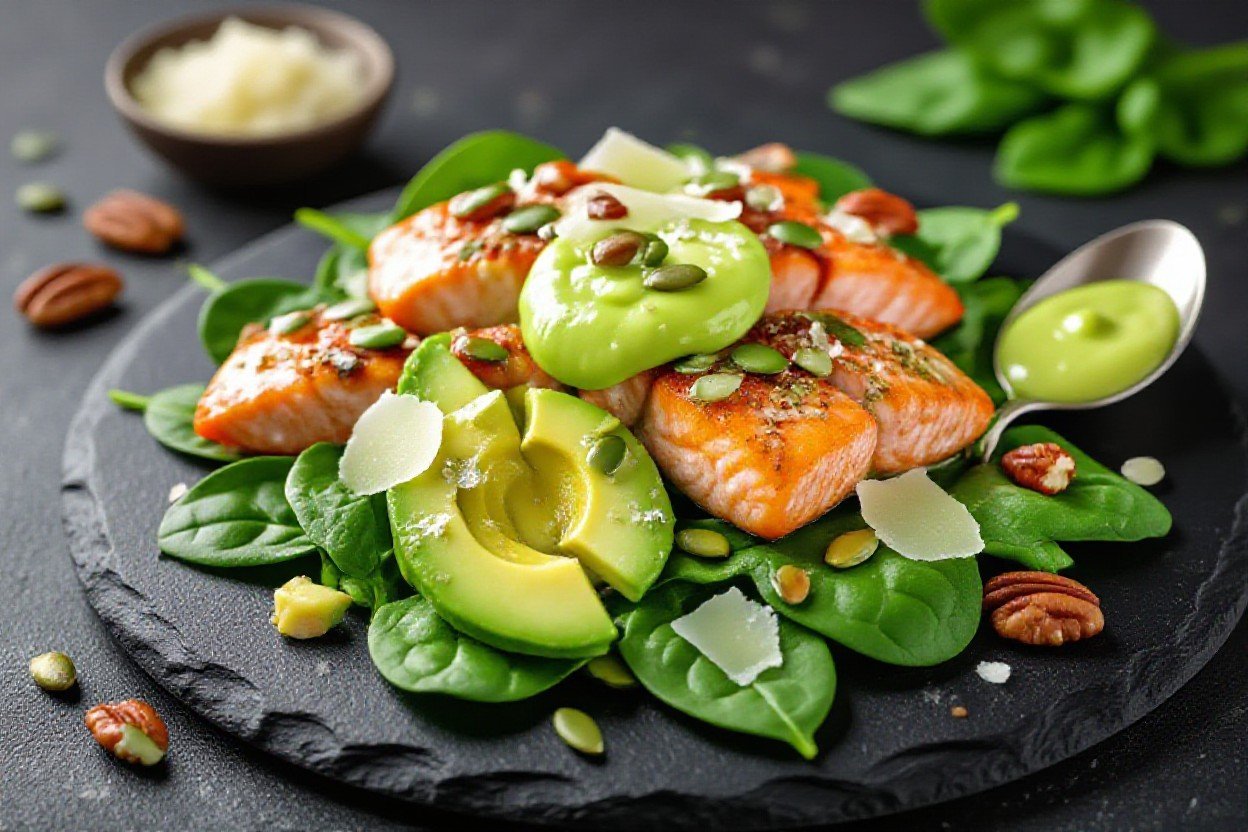
Emphasizing whole-food keto lets you consume nutrient-dense choices-leafy greens, cruciferous vegetables, avocados, nuts, seeds, and fatty fish-that deliver concentrated vitamins, minerals, fiber, and omega‑3s while keeping net carbs low. For instance, a serving of salmon supplies around 1.5-2.5 g of EPA/DHA, and avocados contribute meaningful potassium and monounsaturated fat; those components support insulin sensitivity, satiety, and lipid profile improvements. You’ll also get a high antioxidant load from low-carb berries and colorful vegetables, which helps counterbalance higher dietary fat intake.
More practically, adopting keto encourages you to replace refined carbs with whole foods that are dense in micronutrients, which can make it easier to meet targets for vitamin K, folate, magnesium, and potassium without increasing sugar. Paying attention to these foods while tweaking your macros helps avoid common nutrient gaps that happen when people focus solely on carb counts.
One area to watch is electrolytes: the early natriuresis and diuresis associated with carbohydrate restriction means you may need to increase dietary sources of sodium, potassium and magnesium and, in some cases, supplement 200-400 mg of magnesium daily to prevent cramps and sleep disturbances. Including potassium-rich items like spinach, avocado, and salmon, and using broths or salted foods where appropriate, will support performance and wellbeing as you maintain ketosis.
Key Ingredients for Keto Spinach Avocado Salad
Spinach
You’ll want baby spinach for the bulk of the salad because it gives high volume with very low net carbs – one cup (≈30 g) of raw spinach contains about 1.1 g total carbs and roughly 0.7 g fiber, so net carbs are around 0.4 g per cup. Use 3-4 cups as a base for a meal-sized salad to stay under 2 g net carbs from greens while getting a large, nutrient-dense serving that’s only about 20-30 calories.
When prepping, wash and spin dry thoroughly so dressings cling and leaves don’t dilute the vinaigrette. If you prefer a softer texture, gently massage the spinach with a teaspoon of olive oil or lemon juice for 30-60 seconds to break down cell walls and reduce bitterness while preserving its high vitamin K, A and folate content.
Avocado
You should treat avocado as the primary fat and creamy element: per 100 g it provides approximately 160 kcal, about 15 g fat and roughly 2 g net carbs (≈9 g total carbs minus ≈7 g fiber). One medium Hass avocado (~150 g edible) therefore supplies roughly 22-24 g fat and about 3 g net carbs, making it an efficient way to hit keto fat targets without pushing carbs up.
Choose avocados that yield slightly to gentle pressure for slicing and dicing; firmer fruit works better for neat wedges, while riper, very soft avocados are ideal when you want to mash into a dressing or schmear. To prevent browning for batch prep, toss sliced avocado in a light squeeze of lemon or lime and store airtight for a few hours.
For portion control and macro planning, using half an avocado per plate (≈75 g) gives you roughly 10-12 g fat and about 1.5 g net carbs, so if you’re tracking daily carbs you can scale servings precisely to meet your targets.
Additional Toppings
You can layer in protein and texture with hard-boiled eggs (one large egg ≈6 g protein and ~0.6 g carbs), grilled chicken breast (a 3 oz portion provides ~25 g protein and negligible carbs), or smoked salmon for omega-3s. For fat and crunch, add 1 oz of pecans or walnuts (about 18-20 g fat and under 2 g net carbs depending on type) or 1 oz of feta/goat cheese (≈1 g carbs, 6-7 g fat) to keep the salad within keto limits while varying mouthfeel.
Balance flavors by combining a fatty component, a protein, and an acid: for example, top 3 cups spinach + ½ avocado with 3 oz grilled chicken, 1 tbsp olive oil, and a squeeze of lemon – that assembly keeps total net carbs typically under 3 g while delivering ~30 g protein and ample fat. Avoid dried fruits and croutons, which can add 10-20 g of carbs per small handful.
When experimenting, measure high-calorie toppings like nuts and cheeses with a food scale or tablespoon – 1-2 tablespoons of chopped nuts or a single ounce of cheese will preserve keto ratios and let you diversify textures without unintentionally overshooting carb or calorie goals.
Dressing Options
Keto-Friendly Dressings
You’ll want dressings that keep your salad under roughly 2-3 g net carbs per serving; aim for 1-2 tbsp of dressing per salad and check labels for <1 g carbs per tablespoon on store-bought options. Olive oil and avocado oil vinaigrettes provide 120 kcal and about 13.5 g fat per tablespoon with 0 g carbs, while full-fat mayonnaise typically supplies ~90-100 kcal and ~10 g fat per tablespoon with negligible carbs, making them reliable bases.
For variety, choose commercial low-carb brands such as Primal Kitchen, Tessemae’s, or Chosen Foods which often list 0-1 g carbs per serving; otherwise blend your own using a 3:1 oil-to-acid ratio for vinaigrettes (3 tbsp oil to 1 tbsp vinegar) to keep texture and flavor balanced. Blue cheese, ranch, and Caesar styles made from mayo, sour cream or heavy cream give you creamy options-plan on 1 tbsp providing about 8-12 g fat and under 0.5 g carbs when made without added sugars.
Homemade Dressing Recipes
Avocado‑Lime Dressing: blend 1/2 ripe avocado (≈60 g), 3 tbsp extra‑virgin olive oil, 2 tbsp fresh lime juice, 1 small garlic clove, 2 tbsp water (to thin), and a pinch of salt until smooth; yields about 6 tbsp. Nutrition estimate per 2 tbsp serving: ~12 g fat, ~110-130 kcal, and ~1-2 g net carbs. Lime juice helps slow avocado browning so the dressing keeps for about 2-3 days refrigerated.
Creamy Herb Dijon: whisk together 1/2 cup full‑fat mayonnaise (≈120 g), 2 tbsp sour cream, 1 tbsp Dijon mustard, 1 tbsp lemon juice, 2 tbsp chopped fresh herbs (dill/parsley), and one minced garlic clove; makes roughly 10-12 tbsp. Per tablespoon this runs around 8-10 g fat, ~80-90 kcal and under 0.5 g carbs. Store in an airtight container in the fridge for up to 5-7 days.
For best texture use an immersion blender or small countertop blender when you want an ultra‑creamy finish, and whisk vigorously or add a pinch of xanthan gum if you need a stable, clingy emulsion for meal prep; swapping oils (olive for avocado) changes flavor but not carb count, and adding a teaspoon of erythritol or a few drops of liquid stevia can recreate a sweeter vinaigrette without kicking you out of ketosis.
Step-by-Step Preparation
Step-by-Step Breakdown
| Step | Details |
| Preparing ingredients | Wash and spin-dry 5-6 cups (about 150 g) baby spinach; slice 1 ripe avocado into 1/4″ cubes; thinly slice 1/4 red onion; toast 2 tbsp chopped nuts (almonds or pecans) for 3-4 min. |
| Make dressing | Whisk 2 tbsp extra-virgin olive oil, 1 tbsp apple-cider vinegar, 1 tsp Dijon, 1/8-1/4 tsp sea salt, and a pinch of black pepper for ~30 seconds; yields ~3 tbsp. |
| Assemble & toss | Use a large 12″ bowl, add spinach, avocado, onion, 3 oz cooked protein (optional), pour dressing gradually, toss gently 4-6 turns to coat without mashing avocado. |
| Serve/store | Serves 2; best served immediately. If storing, keep dressing separate up to 24 hours in fridge to avoid soggy greens. |
Preparing the Ingredients
You should start by drying the spinach thoroughly-about 10 seconds in a salad spinner does more than patting with a towel and prevents dilution of the dressing; 150 g of baby spinach equals roughly 5-6 packed cups, which is a good baseline for two servings. Check the avocado for ripeness with a gentle press: slightly soft yields the creamiest texture, then slice into 1/4-inch cubes to ensure even bites that mix well with the leaves.
Next, prepare your add-ins on a cutting board: thinly slice a quarter red onion (1-2 mm slices) for sharpness, chop 2 tbsp of almonds or pecans and toast them in a dry skillet for 3-4 minutes until fragrant, and if adding protein, portion about 3 oz cooked chicken or two hard-boiled eggs per serving. Mix the dressing separately-2 tbsp olive oil, 1 tbsp apple cider vinegar, 1 tsp Dijon, and 1/8-1/4 tsp salt whisked for ~30 seconds produces roughly 3 tablespoons, enough to lightly dress the salad without oversaturating it.
Assembling the Salad
Begin assembly in a large 12-inch bowl: place the spinach first to create a cushion, then distribute avocado cubes evenly so every forkful gets some fat and creaminess; scatter the thinly sliced onion and the toasted nuts on top for texture contrast. Pour the dressing in a steady, thin stream-start with half, toss gently for 4-6 turns, then add more if needed; this measured approach prevents overdressing and keeps the net carbs low while preserving mouthfeel.
If you include protein, add the 3 oz portions (sliced chicken or quartered hard-boiled eggs) after the first light toss so they warm slightly from contact but don’t break apart. Taste and adjust with a pinch more salt or 6-8 grinds of black pepper-small adjustments like 1/8 tsp extra salt can change perceived richness without adding carbs.
For best results serve immediately: dressed spinach holds its texture for only about 10-15 minutes before wilting, so plating at once preserves color and crunch; if you must prep ahead, keep the dressing in a separate jar and combine within 30 minutes of serving for optimal texture and flavor retention.
Serving Suggestions
Serve the salad as a 1-1.5 cup side for 4 people or as a 2-cup main for a single keto lunch; the spinach and avocado provide a filling base without weighing down richer mains. You can double the recipe for dinner parties and plate family-style, finishing each portion with 1 tablespoon of toasted nuts or 2 tablespoons of crumbled cheese for added texture and fat.
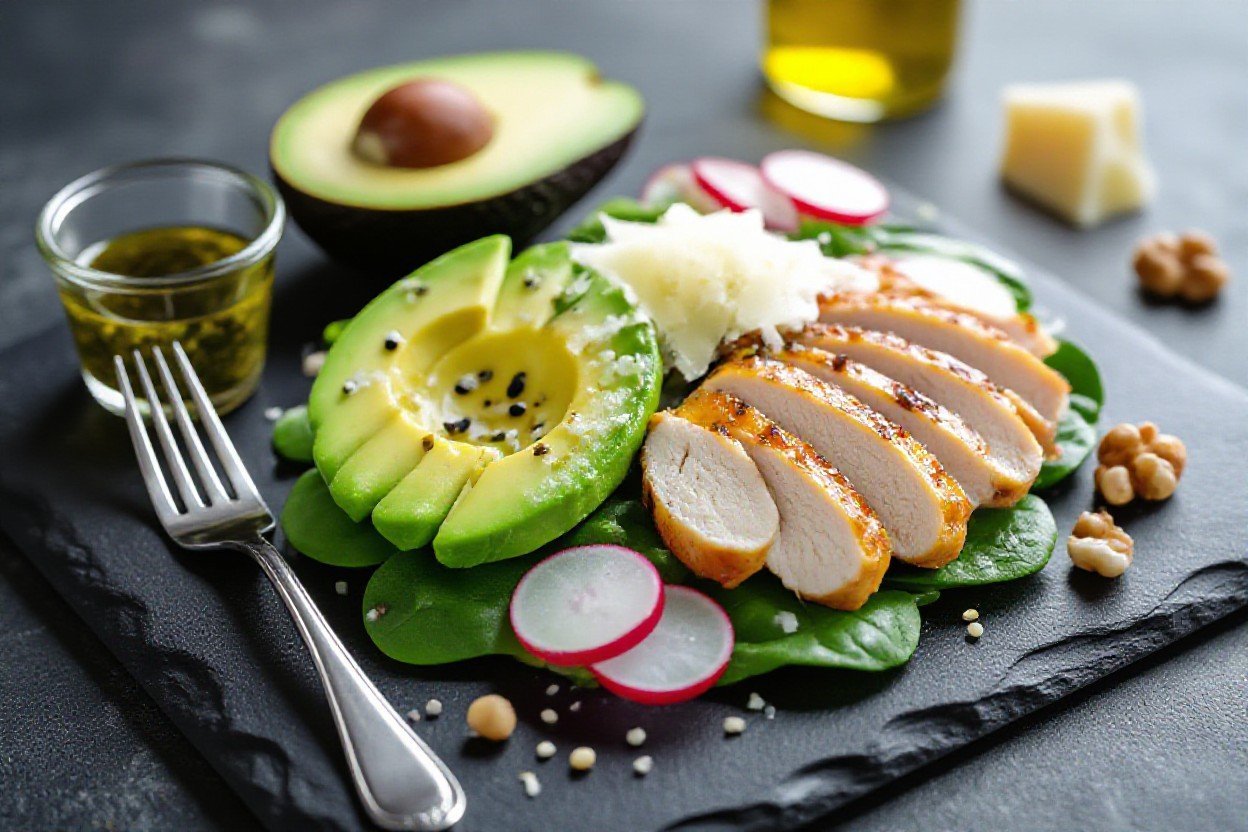
For presentation, drizzle 1-2 teaspoons of extra-virgin olive oil per plate and add a squeeze of lemon to brighten flavors; a sprinkle of flaky salt and a few turns of freshly ground black pepper elevate the dish while keeping carbs under control. If you want contrast, scatter a few halved cherry tomatoes (about 6-8) or thinly sliced radishes for color and a modest 2-3 g extra carbs per serving.
Pairing with Main Dishes
Pair with 4-6 oz portions of grilled salmon or trout to complement the salad’s healthy fats, or serve alongside 5-6 oz lemon-pepper chicken for a lighter protein option; the avocado’s creaminess offsets the bright citrus and herbs in most keto sauces. For heartier meals, a 6-8 oz seared ribeye or a pork chop works well because the spinach’s slight bitterness and the dressing’s acidity cut through fattier cuts.
If you prefer vegetarian mains, serve with roasted cauliflower steaks, 3 scrambled eggs topped with chives, or 4 oz grilled halloumi for a protein boost. For beverages, choose a dry white like Sauvignon Blanc or a light-bodied rosé that won’t overpower the salad’s fresh flavors.
Ideal for Meal Prep
You can prep components in advance to streamline weekday meals: wash and thoroughly dry 10-12 oz of spinach and store it in an airtight container with a paper towel for 3-5 days, and keep the dressing chilled in a mason jar for up to 7 days. Package proteins separately in 4-6 oz portions so you can mix and match throughout the week without soggy greens.
Assemble single-serving mason jars by adding 2-3 tablespoons of dressing to the bottom, followed by crunchy toppings (nuts, seeds), then the spinach, and reserve the avocado for last; when you’re ready to eat, invert the jar into a bowl and fold in the avocado. This method yields 3-4 ready-to-eat meals and prevents wilting while keeping portions consistent.
If you must add avocado ahead of time, cube one medium avocado and toss with 1 tablespoon of lemon or lime juice per avocado to slow browning, then use within 24 hours; alternatively, store halved avocados tightly wrapped and add them the same day to preserve texture and color. Using 16 oz jars for single portions makes reheating proteins and finishing the salad quick, giving you a reliable grab-and-go keto lunch.
Variations and Customizations
You can tailor this salad to meet specific keto targets by adjusting fats, textures, and portion sizes; for example, adding 1 tablespoon of extra-virgin olive oil supplies about 14 g of fat and roughly 120 kcal, while swapping in a half avocado adds creamy monounsaturated fat and extra fiber. If you aim for 20-40 g protein per meal, balance the greens and fats with a 3 oz protein portion or combine smaller proteins (eggs + smoked salmon) to reach your target without pushing carbs up.
Switching dressings-from a classic lemon-olive oil vinaigrette to a creamy avocado-tahini dressing-will change mouthfeel and calorie density, so adjust amounts: 2 tablespoons of a creamy dressing can add 200-250 kcal depending on ingredients. Small swaps like 1 tablespoon of toasted sesame oil for flavor, a tablespoon of chopped nuts for crunch, or 1 ounce of feta for salty tang let you vary macro ratios while keeping the salad distinctly keto-friendly.
Adding Protein
Grilled chicken breast (3 oz) gives you about 26 g of protein, while 3 oz of salmon provides roughly 22 g plus omega-3s; shrimp clocks in near 18-20 g per 3 oz and is very low in carbs. Two large hard-boiled eggs add about 12 g of protein if you want a quick, no-cook boost, and 100 g firm tofu contributes around 8 g for a plant-forward option-use these numbers to plan portions that hit your daily protein goal of 20-40 g per meal.
Marinating proteins in acidic dressings or searing them adds flavor that complements spinach and avocado without extra carbs; for example, a 30-minute lemon-garlic marinade brightens a 3 oz salmon fillet. You can also incorporate convenient options like canned wild salmon or smoked trout to save time-both offer 15-20 g of protein per 3 oz and pair well cold with the salad for meal prep.
Alternative Vegetables
Swap some or all of the spinach for low-carb greens and vegetables to vary texture and micronutrients: arugula and watercress are peppery and often under 1 g net carb per cup, kale and shredded cabbage provide more bite with roughly 1-2 g net carbs per cup, and cauliflower rice sits around 2-3 g net carbs per cup, making it a great bulk substitute. Zucchini noodles (zoodles) add volume with only about 2-3 g net carbs per cup, while sliced radishes and cucumbers keep carbs very low and add crispness.
Cooking method affects both carbs and palatability: roasting cauliflower or Brussels sprouts concentrates flavor and reduces water content without raising net carbs substantially, whereas raw cabbage or thinly sliced fennel gives crunch and freshness. When you want a warmer salad, quickly sauté mushrooms and asparagus in butter or olive oil-both stay low in carbs and add earthy, savory notes that balance avocado’s creaminess.
Seasonality and pairing matter: pair bitter radicchio or endive with a higher-acid dressing to cut bitterness, and match roasted root substitutes like turnip or rutabaga sparingly because they have higher net carbs than cruciferous options; use them in 1/4-1/2 cup portions if you include them. For meal prep, keep wetter vegetables like zucchini separate until serving to prevent sogginess, and store dressings in small containers so you can quickly mix just before eating.
Summing up
With this in mind, you can treat the Keto Spinach Avocado Salad as a reliable, nutrient-dense choice that supports low-carb eating while delivering fiber, potassium, and heart-healthy monounsaturated fats. You’ll get a satisfying texture and flavor profile that keeps you full longer, and by prioritizing fresh spinach, ripe avocado, and a balanced vinaigrette you maintain both taste and macronutrient goals.
When you prepare it, plan for easy meal prep by storing components separately to preserve texture, add a protein like grilled chicken or salmon to make it a complete meal, and vary toppings-nuts, seeds, or feta-to keep it interesting. You can adjust portion sizes and ingredient ratios to match your daily carb targets and pair the salad with low-carb sides or a light broth-based soup for a well-rounded meal.