Keto Salmon Power Salad
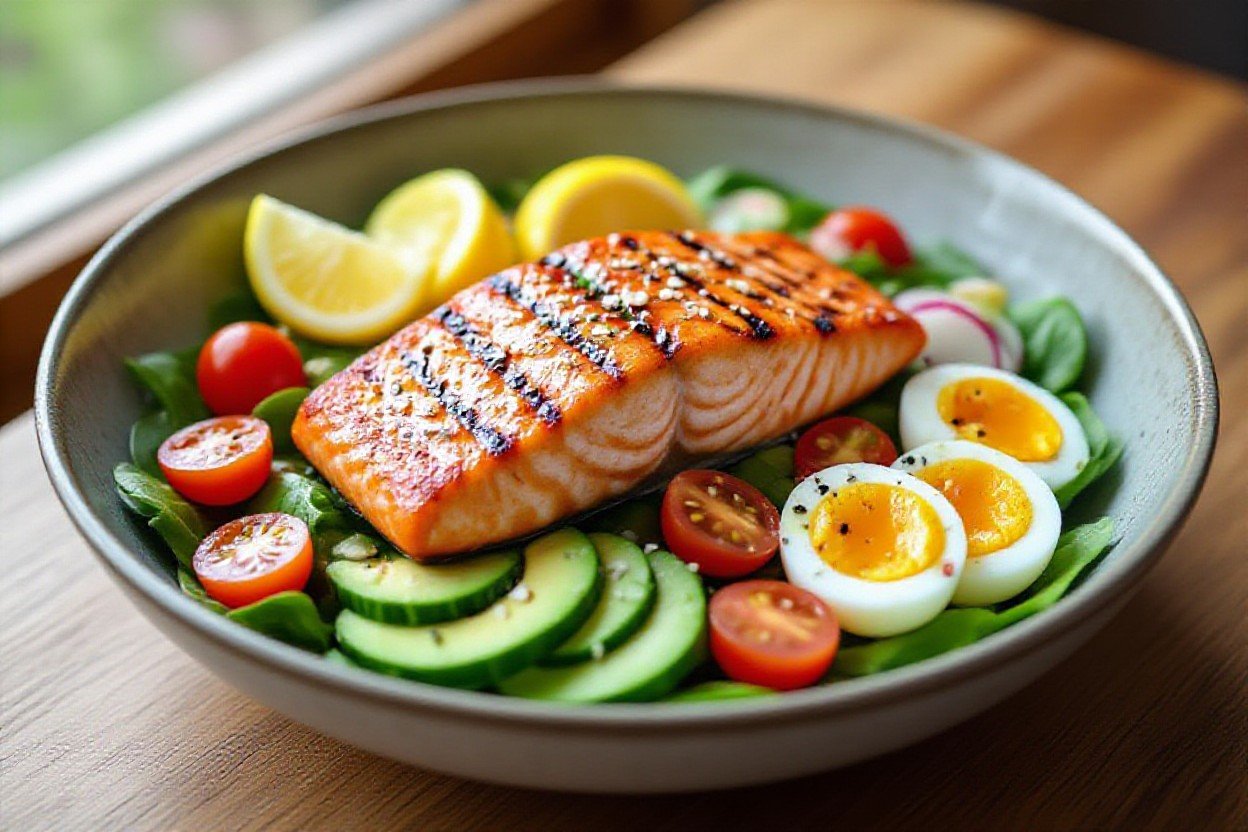
With the growing popularity of ketogenic diets, you need nutrient-dense meals that support your low-carb lifestyle while delivering exceptional taste and energy. This Keto Salmon Power Salad combines omega-3-rich salmon with leafy greens, healthy fats, and low-carb vegetables to create a perfectly balanced meal that keeps you in ketosis. Your body will benefit from the high-quality protein, important fatty acids, and vital micronutrients packed into every bite. Whether you’re new to keto or a seasoned veteran, this power salad offers the ideal macronutrient ratio to fuel your day while satisfying your hunger and supporting your health goals.
What is the Keto Diet?
The ketogenic diet fundamentally shifts your body’s primary fuel source from glucose to fat through a process called ketosis. When you drastically reduce your carbohydrate intake to typically 20-50 grams per day while increasing your fat consumption to about 70-75% of your total calories, your liver begins converting fatty acids into ketone bodies. These ketones then become your brain and body’s alternative energy source, replacing the glucose that would normally come from carbohydrates. This metabolic state usually takes 2-4 days to achieve, depending on your previous diet and activity level.
Your macronutrient breakdown on keto looks distinctly different from standard dietary recommendations. While traditional diets might suggest 45-65% carbohydrates, your keto plate contains roughly 70-75% fats, 20-25% protein, and just 5-10% carbohydrates. This means you’ll be embracing foods like fatty fish, avocados, nuts, seeds, olive oil, and full-fat dairy while saying goodbye to bread, pasta, rice, and most fruits. The adaptation period can feel challenging as your body learns to burn fat efficiently, but most people report increased energy and mental clarity once they’re fully keto-adapted.
Key Principles of Keto
Maintaining ketosis requires consistent attention to your carbohydrate threshold, which varies from person to person but generally stays under 50 grams daily. You’ll need to track your net carbs-total carbohydrates minus fiber-since fiber doesn’t impact blood sugar levels the same way digestible carbs do. Testing your ketone levels through urine strips, breath analyzers, or blood meters helps you understand whether you’re actually in ketosis, with blood ketone levels between 0.5 and 3.0 mmol/L indicating nutritional ketosis.
Your protein intake deserves careful calibration on keto because too much can trigger gluconeogenesis, where your body converts excess protein into glucose. Most people thrive on 0.6 to 1.0 gram of protein per pound of lean body mass, which maintains muscle while keeping you in ketosis. Timing matters less than total intake, though spreading protein throughout the day helps with satiety and muscle preservation. Your fat intake fills the remaining calories, providing sustained energy without the blood sugar spikes that come from carbohydrate-heavy meals.
Benefits of a Keto Diet
Weight loss often happens rapidly in the first few weeks of keto, with many people dropping 5-10 pounds as their bodies shed excess water weight along with stored glycogen. Beyond the initial water loss, your body becomes increasingly efficient at burning stored body fat for fuel, leading to steady fat loss without the constant hunger that plagues calorie-restriction diets. Studies show that people following ketogenic diets often lose 2-3 times more weight than those on low-fat, calorie-restricted diets, even when the keto dieters eat until they feel satisfied.
Your mental performance typically improves on keto because ketones provide a more stable energy source for your brain than glucose. Many people report enhanced focus, reduced brain fog, and better memory after adapting to ketosis. The diet also helps stabilize blood sugar levels, which benefits anyone dealing with insulin resistance or type 2 diabetes-research indicates that keto can reduce HbA1c levels by up to 1% and decrease medication needs in diabetic patients.
Inflammation markers throughout your body tend to decrease on a well-formulated ketogenic diet, which may explain why some people experience relief from conditions like arthritis, acne, and certain autoimmune disorders. Your triglyceride levels typically drop while HDL cholesterol rises, creating a more favorable lipid profile that supports cardiovascular health. The diet’s appetite-suppressing effects come from stable blood sugar, increased satiety from fats and proteins, and the natural hunger-regulating properties of ketones themselves.
Nutritional Profile of Salmon
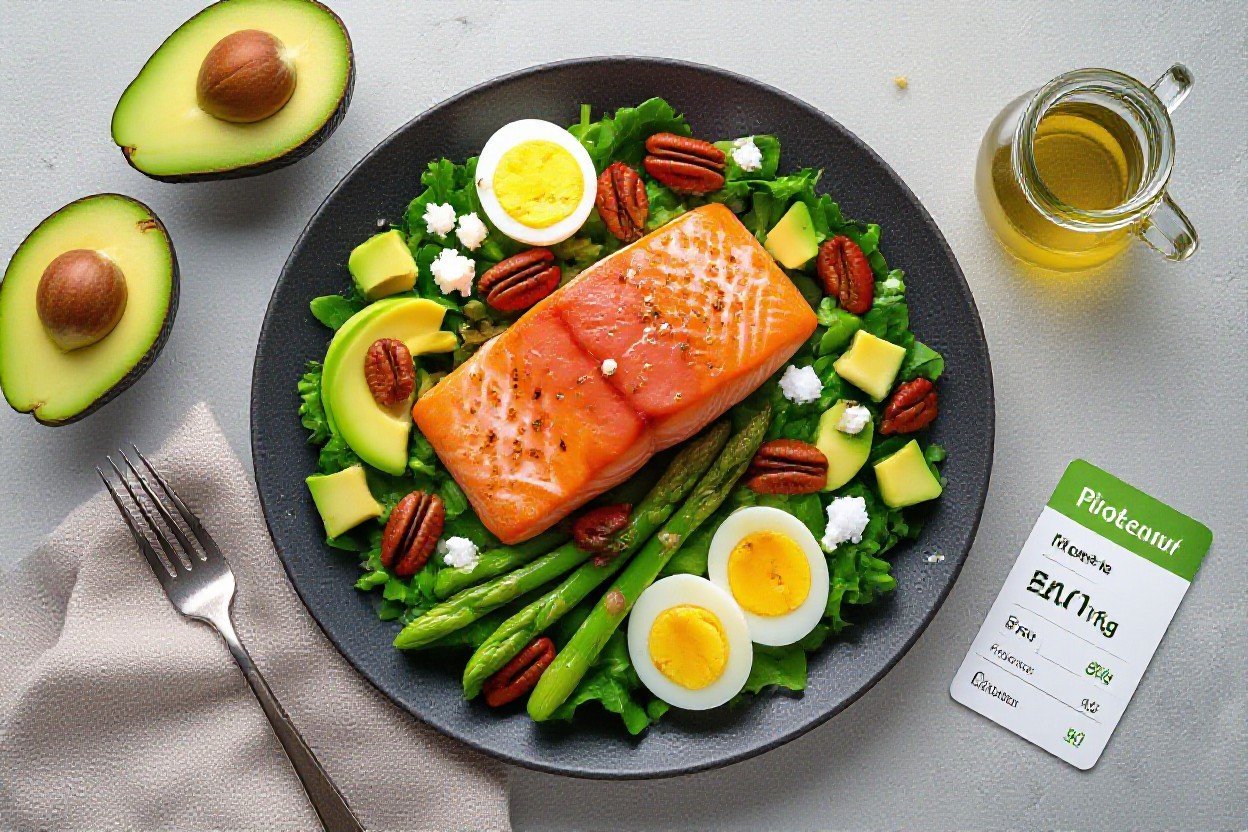
When you choose salmon as your protein base, you’re getting one of the most nutrient-dense foods available on a ketogenic diet. A 6-ounce serving of wild-caught salmon delivers approximately 367 calories, 39 grams of high-quality protein, and 22 grams of healthy fats-with zero carbohydrates. This macronutrient profile makes it an ideal centerpiece for your keto power salad, providing substantial energy without disrupting ketosis.
The nutritional advantages extend far beyond basic macros. Salmon contains significant amounts of B vitamins, particularly B12 and B6, which support energy metabolism and nervous system function. You’ll also benefit from selenium, an antioxidant mineral that protects your cells from oxidative stress, along with potassium and phosphorus. Wild-caught varieties typically offer superior nutritional value compared to farm-raised options, containing fewer contaminants and higher concentrations of beneficial compounds.
Omega-3 Fatty Acids
Salmon stands out as one of the richest dietary sources of EPA and DHA, the two most bioavailable forms of omega-3 fatty acids. A single serving provides between 1,500 to 2,500 milligrams of these imperative fats, depending on whether you select wild or farm-raised fish. Your body can’t produce these fatty acids on its own, making dietary intake imperative for optimal health. These omega-3s support cardiovascular health by reducing inflammation, lowering triglyceride levels, and helping maintain healthy blood pressure.
The anti-inflammatory properties of salmon’s omega-3 content become particularly valuable on a ketogenic diet. As your body adapts to burning fat for fuel, these fatty acids help reduce inflammatory markers throughout your system, supporting joint health, brain function, and metabolic flexibility. Research shows that regular consumption of omega-3-rich fish like salmon may improve insulin sensitivity and support healthy weight management-outcomes that align perfectly with your keto lifestyle goals.
Protein and Nutrient Content
The protein in salmon qualifies as complete, meaning it contains all nine imperative amino acids your body needs for tissue repair, hormone production, and immune function. This high-quality protein digests efficiently and provides excellent satiety, helping you stay satisfied between meals without triggering cravings. On a ketogenic diet, adequate protein intake becomes especially important for preserving lean muscle mass while your body burns fat for energy.
Beyond protein, salmon delivers an impressive array of micronutrients that support your overall wellness. You’ll get substantial amounts of vitamin D-a nutrient many people lack-with a single serving providing up to 127% of your daily needs. This fat-soluble vitamin works synergistically with the healthy fats in your salad, improving absorption and utilization. The astaxanthin in salmon, a powerful carotenoid that gives the fish its pink color, acts as a potent antioxidant with anti-inflammatory properties.
The mineral content deserves special attention as well. Selenium supports thyroid function and acts as a cofactor for glutathione, your body’s master antioxidant. Phosphorus contributes to bone health and energy production, while potassium helps maintain proper fluid balance and supports healthy blood pressure levels-an important consideration since keto diets can affect electrolyte status during the adaptation phase.
Ingredients for Keto Salmon Power Salad
Essential Ingredients
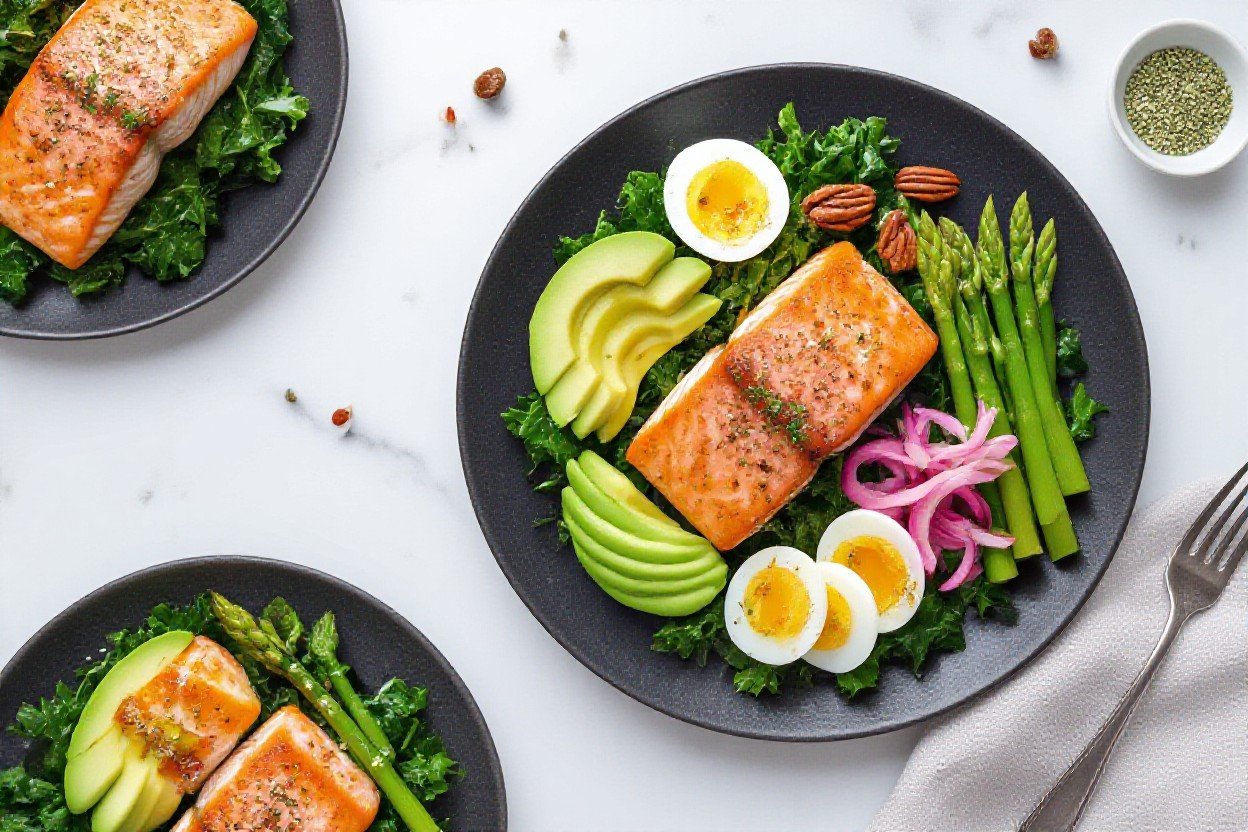
You’ll need 6 ounces of wild-caught salmon per serving, which delivers approximately 34 grams of protein and 15 grams of healthy omega-3 fats. Fresh salmon works beautifully, but canned wild salmon serves as an excellent budget-friendly alternative that maintains the same nutritional profile. For your greens base, combine 3 cups of mixed leafy vegetables-arugula provides a peppery bite with just 0.4 grams of net carbs per cup, while spinach adds iron and folate at 0.4 grams net carbs. Baby kale contributes a heartier texture and packs in vitamin K at 0.9 grams net carbs per cup.
Your fat sources should include half a medium avocado (sliced), which provides 6 grams of fiber and 15 grams of monounsaturated fats to keep you satisfied for hours. Add 2 tablespoons of extra virgin olive oil for your dressing base, contributing another 28 grams of heart-healthy fats. Round out the importants with 1/4 cup of sliced cucumber (0.9 grams net carbs), 1/4 cup of cherry tomatoes halved (1.8 grams net carbs), and 2 tablespoons of pumpkin seeds for crunch and an additional 1.5 grams of protein. These core ingredients total approximately 8 grams of net carbs per serving while delivering 45 grams of protein.
Optional Add-ins for Flavor
Elevate your salad’s flavor profile with 2 tablespoons of crumbled feta cheese, adding a tangy Mediterranean element along with 4 grams of protein and only 0.6 grams of carbs. Fresh herbs transform the dish entirely-dill pairs exceptionally well with salmon and contains virtually zero carbs, while cilantro and parsley add brightness without impacting your macros. You can incorporate 1/4 cup of thinly sliced red onion (1.5 grams net carbs) for sharpness, or substitute with 2 tablespoons of chopped scallions for a milder onion flavor at just 0.6 grams net carbs.
Capers bring a briny intensity that complements the richness of salmon-just one tablespoon adds significant flavor for only 0.2 grams of carbs. Radishes provide a crisp, peppery crunch with negligible carb content, while a handful of microgreens introduces concentrated nutrients and a sophisticated presentation. For those who enjoy heat, a pinch of red pepper flakes or a drizzle of sugar-free sriracha sauce amplifies the flavor without adding carbs. Each of these additions allows you to customize the salad to your taste preferences while maintaining strict ketogenic ratios.
The beauty of these optional ingredients lies in their versatility-you can rotate them based on what’s available in your kitchen or your current cravings. Experimenting with different combinations keeps your meal plan interesting throughout the week, preventing the monotony that often derails keto adherence. Consider preparing small containers of these add-ins at the beginning of your week so you can quickly assemble varied versions of this power salad without additional prep time.
Step-by-Step Preparation
Getting your ingredients prepped before you start cooking makes the entire process flow smoothly. You’ll want to pat your salmon fillet dry with paper towels and season it generously on both sides. For the salad components, wash and thoroughly dry your greens-excess moisture will dilute your dressing and make everything soggy. Chop your vegetables into uniform pieces so every bite delivers consistent texture and flavor.
Timing plays a significant role in this recipe’s success. Your salmon needs about 12-15 minutes to cook depending on thickness, while you can use that time to prep your vegetables and whisk together the dressing. This parallel preparation means you’ll have warm, flaky salmon ready to top a crisp, fresh salad within 20 minutes from start to finish.
| Preparation Task | Time Required |
| Season and prepare salmon | 2 minutes |
| Cook salmon | 12-15 minutes |
| Wash and chop vegetables | 5-7 minutes |
| Prepare dressing | 3 minutes |
| Assemble salad | 3 minutes |
Cooking the Salmon
Heat your oven to 400°F and line a baking sheet with parchment paper for easy cleanup. Place your seasoned salmon skin-side down if it has skin, or directly on the parchment if it’s a skinless fillet. Drizzle a teaspoon of olive oil over the top and slide it into the oven. You’re aiming for an internal temperature of 145°F, which typically takes 12-15 minutes for a standard 6-ounce portion. The salmon should flake easily with a fork and appear opaque throughout when it’s done.
If you prefer pan-searing, heat a tablespoon of avocado oil in a skillet over medium-high heat until it shimmers. Place your salmon skin-side up and let it cook undisturbed for 4-5 minutes until a golden crust forms. Flip it carefully and cook for another 3-4 minutes. The high heat creates a beautiful caramelized exterior while keeping the inside moist and tender. Let your salmon rest for 2-3 minutes after cooking-this allows the juices to redistribute throughout the fish, preventing them from running out when you cut into it.
Assembling the Salad
Start with your base of mixed greens in a large bowl or on individual plates. Layer on your chopped vegetables, distributing them evenly so each section of the salad gets equal coverage. Add your avocado slices, cherry tomatoes, cucumber rounds, and any other keto-friendly vegetables you’ve chosen. Drizzle your dressing over the vegetables first, then toss gently to coat everything without bruising the delicate greens. This technique ensures the dressing clings to all the ingredients rather than pooling at the bottom of your bowl.
Break your cooked salmon into large chunks with a fork and arrange them on top of the dressed salad. You want substantial pieces that showcase the fish rather than shredding it into tiny bits. Sprinkle your chosen toppings-perhaps some toasted pumpkin seeds, crumbled feta cheese, or a handful of olives-over everything. The warm salmon will slightly wilt the greens it touches, creating an appealing contrast between the cool, crisp vegetables and the tender, flaky fish.
Presentation matters even when you’re cooking for yourself. Arrange your ingredients in sections rather than mixing everything together, which allows you to appreciate each component’s individual flavor and texture. This method also gives you control over your macros with each forkful-you can adjust the ratio of protein to vegetables to fat as you eat, ensuring you hit
Serving Suggestions
Portion Sizes
You’ll want to aim for approximately 3-4 cups of mixed greens as your base, which translates to about 2-3 ounces by weight. Top this with a 4-6 ounce portion of salmon-roughly the size of your palm or a standard deck of cards. This protein amount keeps you satisfied for hours while maintaining optimal ketogenic macros. Add half an avocado (about 3 ounces), which provides roughly 15 grams of healthy fats and helps you reach your daily fat targets without overdoing calories.
Your complete assembled salad should weigh between 12-16 ounces total, delivering approximately 450-550 calories with a macro breakdown of 35-40g protein, 35-40g fat, and 8-12g net carbs. This makes it perfect as a standalone lunch or dinner that keeps you in ketosis. If you’re more active or have higher caloric needs, you can scale up to 8 ounces of salmon and a full avocado, which pushes the meal to around 700 calories while maintaining ideal keto ratios of 70% fat, 25% protein, and 5% carbohydrates.
Pairing with Dressings
Your dressing choice can make or break the macro balance of this power salad. A classic lemon-olive oil vinaigrette works beautifully-whisk together 3 tablespoons extra virgin olive oil with 1 tablespoon fresh lemon juice, adding just 360 calories and 40g of pure healthy fats with zero carbs. Creamy options like ranch or Caesar bring 120-150 calories per 2-tablespoon serving, but watch for hidden sugars in store-bought versions that can add 2-4g carbs per serving. Making your own with full-fat sour cream, mayonnaise, and herbs gives you complete control over ingredients.
Avocado-based dressings complement the salmon exceptionally well while adding extra healthy fats to hit your keto targets. Blend half an avocado with 2 tablespoons olive oil, lime juice, cilantro, and a splash of water for a creamy, dairy-free option that adds 200 calories and 20g fat. Greek yogurt-based dressings (using full-fat versions) provide a tangy contrast to the rich salmon-mix 3 tablespoons Greek yogurt with dill, garlic, and lemon zest for only 40 calories while adding 6g protein to your meal.
The key is matching your dressing’s fat content to your remaining daily macros. If you’re front-loading fats earlier in the day, stick with lighter vinaigrettes using 2 tablespoons instead of 3. On days when you need more fat to reach your targets, opt for tahini-based or blue cheese dressings that pack 140-160 calories per serving. Always measure your dressings rather than free-pouring-eyeballing typically results in using 2-3 times the intended amount, which can add an unexpected 200-300 calories and potentially kick you out of ketosis if the dressing contains hidden carbs.
Tips for Making a Perfect Salad
Getting your salmon cooked to the right temperature makes all the difference in this power salad. You’ll want to aim for an internal temperature of 145°F, which gives you that flaky, moist texture that pairs beautifully with crisp greens. Pat your salmon dry before seasoning and cooking – this simple step helps create a golden crust that adds both flavor and texture contrast to your salad. When you’re working with fresh salmon, you can also opt to bake it at 400°F for 12-15 minutes instead of pan-searing, which works particularly well when you’re meal prepping multiple portions.
The order in which you assemble your ingredients matters more than you might think. Start with your heartiest greens at the bottom of the bowl, followed by vegetables that can handle some moisture, then add your protein and delicate ingredients like avocado last. This layering technique prevents wilting and keeps everything at its best texture until you’re ready to eat. Your dressing should always go on right before serving – tossing it too early will make your greens soggy and diminish that satisfying crunch. Any leftover dressing can be stored separately in an airtight container for up to five days in your refrigerator.
Storage and Freshness
You can prep the components of this salad up to three days in advance if you store them properly. Keep your cooked salmon in an airtight container lined with paper towels to absorb excess moisture, and store your washed greens in a separate container with a dry paper towel to maintain crispness. Your chopped vegetables should go in their own container as well – this separation prevents cross-contamination of flavors and textures. When stored at 40°F or below, these components will maintain their quality and food safety standards.
For the best eating experience, you’ll want to bring your salmon to room temperature for about 10 minutes before adding it to your salad. Cold salmon straight from the fridge can make your entire salad feel heavy and less appetizing. Your avocado should be sliced fresh right before serving to prevent browning, though you can slow oxidation by storing cut avocado with a light coating of lemon juice. If you’re taking this salad to work, pack your dressing in a small separate container and keep everything chilled until lunchtime.
Customizing Your Salad
Your protein options extend well beyond salmon when you’re following the same keto-friendly framework. Grilled chicken thighs bring 7 grams of fat per 3-ounce serving and work beautifully with the same vegetable base, while seared tuna steaks offer a different omega-3 profile that still supports your nutritional goals. You might also try swapping in sardines or mackerel for an even more budget-friendly option that delivers similar health benefits. The beauty of this salad structure lies in its flexibility – you can rotate through different proteins throughout the week while keeping your vegetable base consistent.
Your vegetable combinations can shift with the seasons and your personal preferences. During summer months, you might add sliced radishes and cucumber for extra crunch, while fall calls for roasted Brussels sprouts or butternut squash cubes. Bell peppers, cherry tomatoes, and red onion all stay within keto macros while adding color and nutrients to your bowl. For additional healthy fats, consider topping your salad with hemp hearts, which provide 10 grams of fat per 3 tablespoons, or macadamia nuts that offer 21 grams of fat per ounce.
The dressing variations you can create are nearly endless once you understand the basic ratios. You’ll want to maintain a 3:1 ratio of oil to acid as your foundation, then build flavors from there with ingredients like tahini, miso paste, or sugar-free mustard. Asian-inspired versions work well with sesame oil, rice vinegar, and a touch of ginger, while Mediterranean styles shine with red wine vinegar, oregano, and minced garlic. Any herbs you have wilting in your refrigerator can be blended into your dressing base for an instant flavor upgrade that prevents food waste.