Keto Caprese Salad with Balsamic
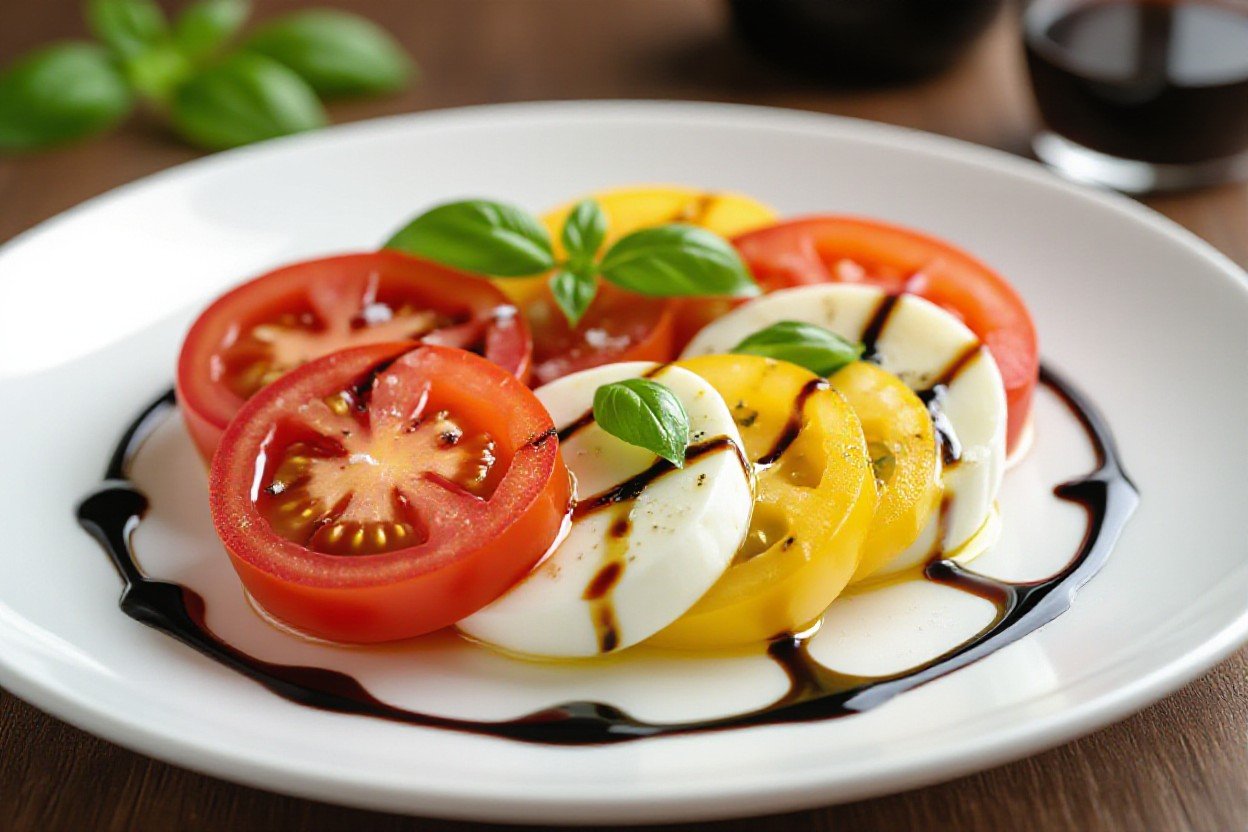
Many home cooks rely on this simple, low‑carb twist on classic Caprese to keep your meals fresh and satisfying; with ripe tomatoes, creamy mozzarella, fragrant basil, and a tangy balsamic reduction (use a sugar‑free or lightly reduced glaze to stay keto), you get bright flavor, healthy fats, and minimal carbs for effortless meal prep.
Understanding the Keto Diet
When you reduce carbohydrate intake substantially, your liver shifts from burning glucose to producing ketone bodies (beta‑hydroxybutyrate, acetoacetate) as alternative fuel; blood BHB levels between roughly 0.5-3.0 mmol/L typically indicate nutritional ketosis and can be tracked with a meter to confirm the metabolic state. You’ll find that maintaining ketosis is about consistent daily choices – not occasional low‑carb meals – because glycogen stores refill quickly and can kick you out of the state within 24-48 hours of elevated carb intake.
Practical targets you can use are clear: aim for about 20-50 g net carbs per day, roughly 70-75% of calories from fat, 20-25% from protein, and 5-10% from carbs. Electrolytes matter more on keto than on moderate‑carb plans – increase sodium modestly, prioritize potassium‑rich low‑carb vegetables, and consider magnesium supplementation (commonly 200-400 mg/day) to reduce symptoms like headaches and muscle cramps during the adaptation period.
Principles of the Keto Diet
You structure meals around high‑quality fats (extra virgin olive oil, avocado, macadamia, and MCT oil for rapid ketone support) and moderate protein to preserve lean mass; a practical protein guideline is about 1.2-1.7 g per kg of ideal body weight depending on activity level, because excessive protein can drive gluconeogenesis and raise blood glucose. Carbohydrates are counted as net carbs (total minus fiber), so fibrous greens, herbs, and low‑sugar vegetables become staples that keep you full without jeopardizing ketosis.
Food quality matters: choose monounsaturated and medium‑chain fats over industrial seed oils, and prioritize whole foods over ultra‑processed “keto” products that can contain hidden carbs. To illustrate choices that map to your Caprese salad, use full‑fat fresh mozzarella, ripe tomatoes in moderation, a generous drizzle of olive oil, and limit balsamic to a teaspoon or use a reduced‑sugar vinegar to keep the meal within your daily carb allowance.
Benefits of the Keto Diet
You can expect measurable weight loss and appetite reduction early on; many people lose roughly 5-10% of body weight in the first 3-6 months when adherence is good, and randomized trials often show greater short‑term weight loss versus low‑fat diets, largely because ketones and higher dietary fat blunt hunger and reduce caloric intake spontaneously. Improved body composition is common, with faster drops in abdominal fat compared with isocaloric higher‑carb approaches in several clinical comparisons.
Beyond weight, you’ll likely see metabolic changes: studies report meaningful improvements in glycemic control (HbA1c reductions in the range of about 0.5-1.5 percentage points for people with type 2 diabetes in clinical settings), marked reductions in triglycerides (often 20-50%), and rises in HDL cholesterol (commonly 5-15%), while blood pressure can fall modestly as insulin levels decline. Neurologically, ketogenic therapy has a long history in reducing seizures in drug‑resistant pediatric epilepsy, with many patients experiencing greater than 50% seizure reduction in clinical programs, showing that metabolic shifts can have systemwide effects.
Ingredients for Keto Caprese Salad
Key Ingredients
You’ll want high-quality fresh mozzarella (about 8 oz / 225 g for 2-3 servings) and 1-2 cups of tomatoes-either 1 pint (about 300 g) of cherry tomatoes halved or 2 medium heirloom tomatoes sliced. Use 10-12 large basil leaves for aroma, 1-2 tablespoons extra-virgin olive oil for healthy monounsaturated fat, and 1 teaspoon to 1 tablespoon of balsamic-choose the smaller amount if you’re keeping carbs low. Finish with flaky sea salt and freshly cracked black pepper; optional add-ins that boost fat and texture include 1/2 an avocado or a few slices of prosciutto.
When dicking out ingredients, pick full-fat buffalo or whole-milk mozzarella to maximize fat and minimize carbs per serving (fresh mozzarella typically has ~1-2 g carbs per 100 g). Aged balsamic vinegar runs about 3 g carbs per tablespoon, while commercial balsamic glazes can contain 8-12 g carbs per tablespoon, so you’ll often prefer a quick reduction or just a teaspoon of balsamic to control sugar. You’ll also get more stable results if you use firm, ripe tomatoes rather than very juicy supermarket varieties, which can water down the dressing.
Nutritional Information
For a typical keto-friendly portion-100 g fresh mozzarella, 150 g cherry tomatoes, 1 tablespoon olive oil and 1 teaspoon balsamic-you can expect roughly 400-450 kcal, about 35-40 g fat, 18-22 g protein, and roughly 4-6 g net carbs. Swapping the teaspoon of balsamic for a tablespoon raises net carbs to around 8-10 g, so the balsamic quantity is the main driver of carb variance in this salad. Olive oil contributes ~14 g fat and ~120 kcal per tablespoon, which is an easy way to dial up calories and fat while keeping carbs minimal.
To further tweak macros, add half an avocado (≈120 kcal, ~10-12 g fat, ~2 g net carbs) for more saturated-friendly fat and creaminess, or use burrata instead of mozzarella to increase fat and calories by about 50-70 kcal per 50 g serving. Eliminating or replacing balsamic with a splash of red wine vinegar or lemon juice and a pinch of monk fruit keeps the flavor bright while cutting carbs nearly to zero, making the salad more compatible with strict ketogenic targets.
Preparing the Balsamic Reduction
Cooking the Balsamic
You want a heavy-bottomed saucepan to prevent hot spots; add about 1 cup (240 ml) of balsamic vinegar to start and bring it to a gentle simmer over medium-low heat. Reduce to about 1/4 cup (60 ml) – typically 10-15 minutes – stirring every 1-2 minutes so sugars don’t catch on the pan and foam is skimmed off as needed.
- Use a wide pan to increase evaporation rate and shorten cooking time to under 15 minutes when reducing 240 ml to ~60 ml.
- Add 1-2 teaspoons powdered erythritol or monk fruit if you want a sweeter, more syrup-like finish without net carbs; dissolve it in the warm vinegar so it doesn’t recrystallize.
- Watch for the coating stage: when the reduction thickly coats the back of a metal spoon and leaves a clear line when you run your finger through it, remove from heat.
- Any time the mixture starts to smoke or smell bitter, pull it off the heat immediately and dilute with a tablespoon of water to stop further caramelization.
Tips for the Perfect Reduction
Choose your balsamic with intent: a true aged balsamic (Aceto Balsamico Tradizionale) gives complex sweetness and you can use less, while a commercial balsamic (Aceto Balsamico di Modena) often contains 4-6 g carbs per tablespoon. If you reduce 1 cup (16 tbsp) to 1/4 cup (4 tbsp), the carb density quadruples – for example, a vinegar with 5 g carbs/tbsp becomes roughly 20 g carbs/tbsp after that reduction – so plan serving size accordingly for a keto plate.
Control temperature and timing: keep the simmer gentle (medium-low) to avoid burning, and err on the side of under-reducing because the syrup will thicken as it cools. Finish with a small pinch of fine sea salt or a 1/4 teaspoon of Dijon mustard to enhance gloss and mouthfeel without adding carbs; if the glaze seems too sharp, a teaspoon of butter (0 g carbs) rounded in at the end smooths the flavor.
- Cool the reduction in a shallow dish so it stops cooking quickly and you can judge final viscosity in 2-3 minutes.
- Store in a glass jar in the fridge for up to 10-14 days; warm gently before using if it becomes very thick.
- If using erythritol and you notice graininess after refrigeration, reheat slowly over low heat and whisk until smooth.
- Any leftover glaze can be frozen in ice-cube trays for measured drizzles later; one cube ≈ 1 tablespoon.
You can scale the process reliably: reducing 2 cups will take roughly 18-25 minutes in the same pan, and keeping notes (start volume, end volume, total minutes) helps you replicate a perfect texture next time; when testing for doneness, aim for a pour that forms a slow ribbon and settles in 3-5 seconds on a chilled plate for optimal drizzling consistency.
Assembling the Keto Caprese Salad
Layering the Ingredients
Slice your tomatoes and fresh mozzarella to roughly 1/4 inch (6 mm) thickness so each bite balances juice, fat, and herb. For a salad that serves two, aim for 8-10 slices of tomato and 8-10 slices of mozzarella; if you use bocconcini or ciliegine, use whole balls halved and plan for 12-16 pieces. Alternate tomato, mozzarella, and basil in a 1:1 visual ratio-tomato, cheese, leaf-so every forkful contains all three elements.
Pat tomato slices dry with paper towel to prevent excess liquid, then season lightly between layers: a light pinch of flaky sea salt across the platter (about 1/4 tsp for 2-4 servings) and two turns of freshly cracked black pepper. Drizzle about 1-2 tablespoons of extra-virgin olive oil over the assembled stacks before adding the balsamic reduction; tuck whole basil leaves between layers rather than only on top to distribute flavor evenly without wilting the herb.
Presentation and Serving Suggestions
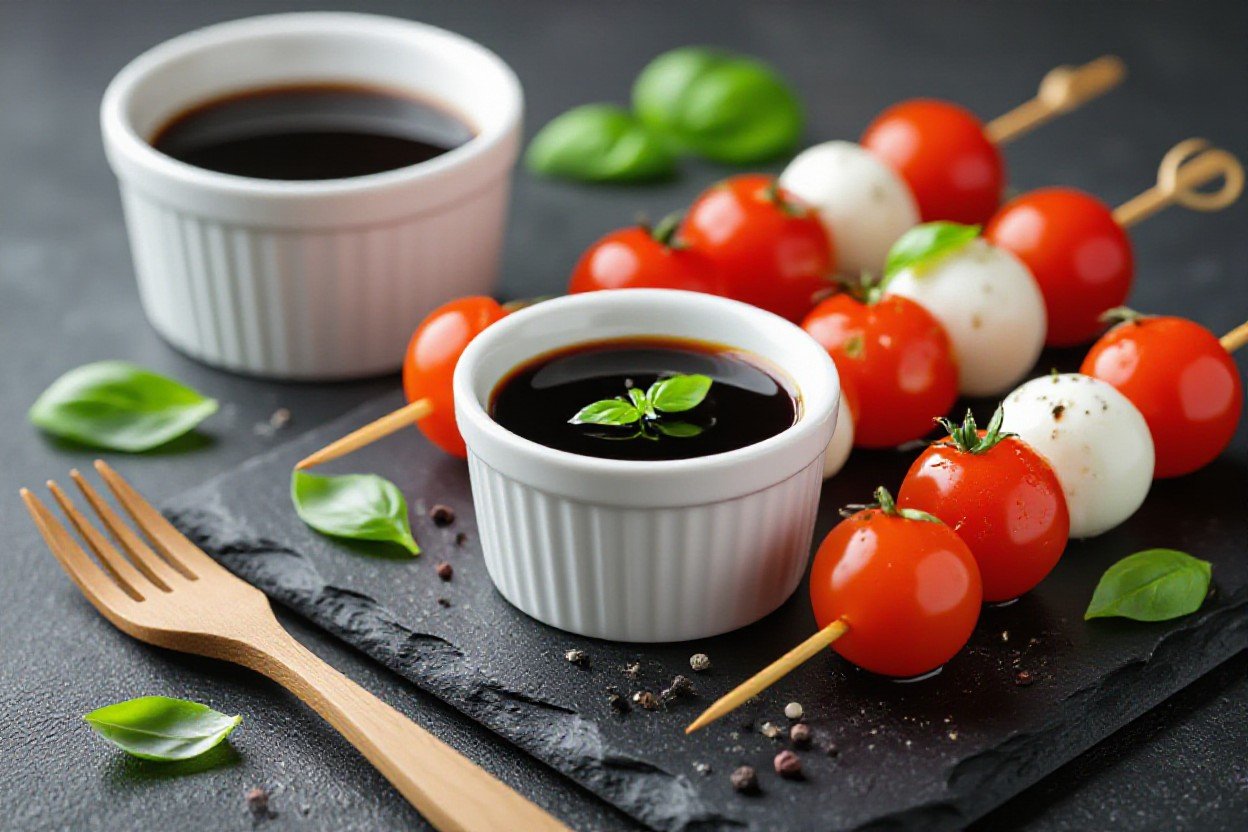
Arrange the salad for the occasion: fan slices in concentric circles on a 10-12 inch white platter for dinner, or thread tomato-mozzarella-basil onto 12-16 small skewers for hors d’oeuvres (plan on 2 skewers per guest). For a polished finish, use a spoon to zigzag 1-2 tablespoons of balsamic reduction across a platter serving 2-4, then finish with a light sprinkle of flaked sea salt and a few whole basil leaves for contrast.
Serve the salad at room temperature after dressing to let the flavors meld for 5-10 minutes; if you need to make parts ahead, slice the cheese and prep basil up to 24 hours ahead and keep tomatoes whole until 30-60 minutes before serving to avoid sogginess. Leftovers are best stored deconstructed: components separately in the refrigerator and reassembled within 24 hours for optimal texture.
Consider pairing the salad with a 4-6 oz portion of grilled protein-salmon, chicken, or steak-or offer it alongside a charcuterie plate for a low-carb spread. For visual impact, plate on a neutral-colored dish and use small tongs or a long spatula to transfer stacks so the layers stay intact; this preserves the clean lines that make a Caprese visually appealing.
Variations of Keto Caprese Salad
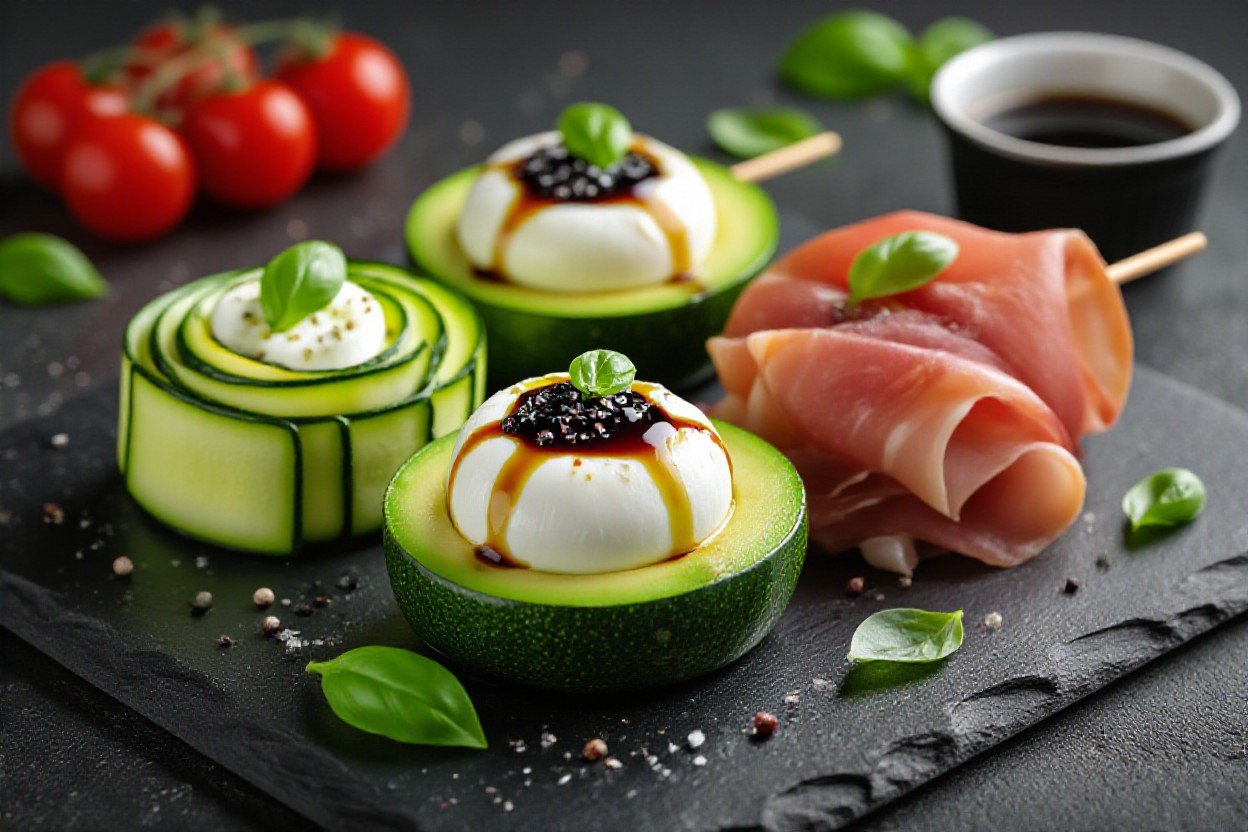
You can turn the classic into a more substantial dish by adding proteins and low‑carb vegetables: layer 1 oz (28 g) prosciutto, 2-3 seared shrimp, or 2-3 oz (56-85 g) sliced grilled chicken to make it a full meal. Swap standard slices for 1‑inch bocconcini balls or a torn ball of burrata for extra creaminess, and include grilled zucchini ribbons or roasted red peppers when tomatoes are out of season.
Presentation and portion control also change the salad’s role – make skewers with 1/2 cherry tomato, 1 bocconcini, a basil leaf and a 1/2‑inch prosciutto ribbon for appetizers, or pile larger slices on a bed of arugula for a 10-12 minute weeknight main. You’ll preserve keto macros best by keeping added starchy ingredients off the plate and measuring richer additions (cheese, cured meats, avocado) in 1‑oz or 1/2‑cup portions.
Flavorful Additions
You can amplify flavor and texture with toasted nuts and briny accents: sprinkle 1 tablespoon toasted pine nuts or chopped walnuts for crunch, or add 6-8 halved kalamata olives for a salty counterpoint. Fresh herb variations work well too – try a mix of purple basil and chervil, or fold in 1 tablespoon chopped mint for a bright lift that contrasts the cheese.
Spice and acid also change the profile: shave lemon zest over the top and add a pinch of red pepper flakes or Aleppo pepper for heat, or scatter 1-2 teaspoons capers to introduce a piquant note. Small, deliberate additions like these let you stay within keto targets while creating complex, restaurant‑worthy flavors.
Alternative Dressings
Swap the standard balsamic drizzle for a lemon‑garlic vinaigrette to lower sugar and punch up brightness: whisk 1 tablespoon fresh lemon juice with 3 tablespoons extra‑virgin olive oil, 1/4 teaspoon Dijon mustard and a pinch of salt and black pepper. Another straightforward option is an herb vinaigrette made by blending 2 tablespoons olive oil with 1 tablespoon red wine vinegar, 1 tablespoon chopped basil and 1 teaspoon minced shallot; the 3:1 oil:acid ratio keeps the dressing silky and keto‑friendly.
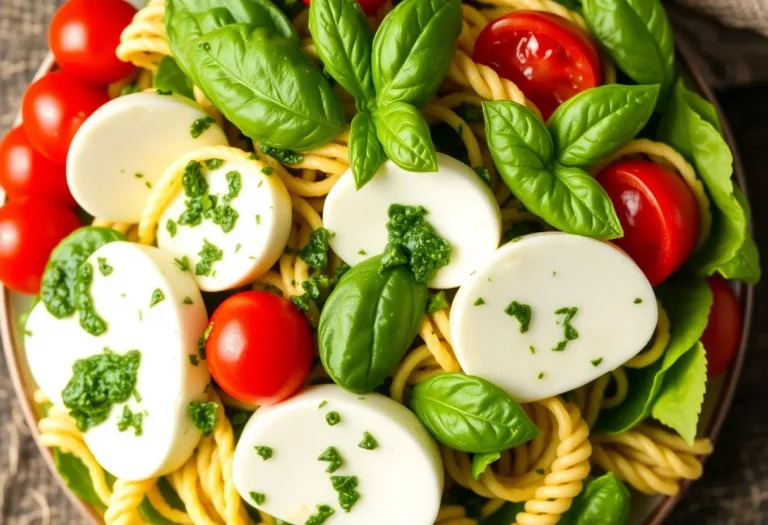
For a richer finish, use pesto as a dressing – thin 1-2 tablespoons of pesto with 1 tablespoon olive oil and spoon over the salad, or blend 1 tablespoon pesto with 1 tablespoon mascarpone for a creamy dollop that won’t break ketosis when used sparingly. You can also experiment with a light anchovy vinaigrette (1 anchovy fillet mashed, 1 tablespoon vinegar, 3 tablespoons oil) to add umami without added sugars.
When switching dressings, aim for 1-2 tablespoons per serving to control calories and carbs, emulsify well so the oil and acid bind, and dress just before serving to prevent soggy tomatoes; small tweaks like these let you customize acidity, fat content, and overall mouthfeel while keeping the salad true to keto principles.
Frequently Asked Questions
If you track net carbs closely, plan portions: a typical serving made with one medium tomato (≈120 g), about 2 oz (56 g) fresh mozzarella, 1 tbsp olive oil and 1 tbsp balsamic vinegar will generally land in the 5-8 g net carbs range, with most variation coming from the tomato and the amount of balsamic used. When you need to lower carbs further, swap the tablespoon of balsamic for 1 tsp or replace it with red wine vinegar or lemon juice to shave off roughly 2-3 g of carbs per serving.
If you want to boost satiety and hit keto macros more easily, add an extra tablespoon of olive oil (≈14 g fat) or a quarter of an avocado per serving; both increase the fat content without adding significant carbs. When serving for guests or meal prep, assemble components separately-sliced tomatoes, drained mozzarella and dressing kept apart-so you can control dressing per plate and avoid soggy slices while keeping carb counts predictable.
Keto Diet Considerations
To keep this salad keto-friendly, focus on fat-forward components: use full-fat fresh mozzarella and drizzle 1-2 tbsp of extra-virgin olive oil, which adds roughly 14 g of monounsaturated fat per tablespoon and helps you reach a 70-75% fat target typical of many ketogenic plans. You should aim to keep the salad under about 5-7 g net carbs per serving if your daily carb allowance is 20-25 g; that usually means measuring tomatoes (5-6 cherry tomatoes ≈ 3-4 g net carbs) and limiting balsamic to a teaspoon or swapping it out.
When you substitute, choose options that preserve flavor without raising insulin: plain red wine vinegar or lemon juice add negligible carbs and bright acidity, while a sugar-free balsamic glaze (erythritol- or monk-fruit-based) can mimic the sweetness without an extra 8-12 g of carbs that a conventional glaze might add per tablespoon. You can also pair the salad with protein-rich additions like 1-2 oz prosciutto or a soft-boiled egg to increase satiety while keeping carbs low.
Storage and Shelf Life
Assembled Caprese is best eaten within 12-24 hours; once dressed, tomatoes release moisture and mozzarella weeps, which makes texture decline quickly. Store the salad in an airtight container in the refrigerator at 4°C (40°F) or below and consume within a day for optimal texture and flavor.
If you separate components, you extend usable life: opened fresh mozzarella kept in its liquid in a sealed container will generally stay good for 3-4 days, sliced tomatoes for 2-3 days, and a homemade balsamic reduction refrigerated in a jar will last about 1-2 weeks. Avoid freezing the salad-mozzarella and tomatoes both lose texture and become watery after thawing.
Unopened vacuum-sealed mozzarella can last several weeks before its sell-by date when refrigerated, so buy unopened balls if you plan ahead, and always check for signs of spoilage-sour odor, slimy texture or visible mold-before using. For dressings, note that plain bottled balsamic vinegar is shelf-stable for years at room temperature, but once you’ve reduced it with sweeteners or mixed it into an oil-based dressing, keep it refrigerated and label with the date to track the 1-2 week usable window.
Final Words
As a reminder, you can enjoy a Keto Caprese Salad with Balsamic as a satisfying low‑carb option that preserves classic Mediterranean flavors. By combining fresh, full‑fat mozzarella, ripe tomatoes (or a measured portion of cherry tomatoes) and abundant basil with high‑quality olive oil and a restrained drizzle of aged or reduced balsamic, you keep net carbs low while maximizing healthy fats and vibrant flavor to support your ketogenic goals.
When you prepare it, choose ingredients that boost satiety and fit your macros: use full‑fat cheese, opt for an aged or sugar‑free balsamic (or a very light reduction), and control the dressing quantity to limit carbs. Enhance texture and calories with avocado or prosciutto if you need more fat, serve at the right temperature, and portion according to your daily targets so the salad remains both delicious and keto‑compliant.