Keto Spicy Salmon Salad
There’s a nutrient-dense, low-carb meal that combines spicy pan-seared salmon with crisp greens, creamy avocado, and a zesty keto-friendly dressing to keep your carbs low and healthy fats high. You’ll get satisfying protein, omega-3s, and bold flavor in minutes, making it ideal for quick weeknight dinners, meal prep, or maintaining ketosis while enjoying vibrant, balanced textures and flavors.
Ingredients
You’ll want ingredient amounts that scale cleanly: plan on a 6-8 oz (170-225 g) salmon fillet per person, about 2 cups (roughly 60 g) of salad greens per serving, and 1-2 tablespoons of spicy dressing to coat the salad without drowning it. For a two-serving meal, gather two 6‑oz fillets, 4 cups mixed greens, one ripe avocado (optional), 1 teaspoon sesame seeds, and dressing ingredients such as 2 tbsp olive oil, 1 tbsp mayo, 1-2 tsp sriracha, and 1 tsp fresh lime juice.
Quality and prep timing matter: choose salmon with firm flesh and a bright, consistent color, dry the greens thoroughly in a salad spinner, and measure dressings in tablespoons to keep macros steady on keto. If you batch-cook, sear salmon to an internal temperature of 145°F (63°C) for food safety or 125°F (52°C) if you prefer medium-rare and are sourcing sushi‑grade fish.
Fresh Salmon
Choose wild‑caught sockeye or coho when you want a pronounced flavor and firmer texture; farmed Atlantic will be fattier and give a silkier mouthfeel. You should portion fillets at 6-8 oz per person so each salad has about 30-35 g of protein, and keep the skin on for searing-it crisps up and helps hold the fillet together while cooking.
When dicking out, press gently: the flesh should spring back and the smell must be clean, not fishy. If you need a substitute, trout or tuna steaks work well with the same spice profile and cook in comparable times-trout cooks in about 6-8 minutes per inch of thickness on medium heat.
Salad Greens
Mix peppery arugula with tender baby spinach and butter lettuce to balance bite and silkiness; a 50/50 blend of arugula and spinach gives you structure without overwhelming the salmon. Use roughly 2 cups (60 g) of greens per serving so the fish remains the star while you still hit a satisfying volume of vegetables.
If you prefer sturdier leaves, add 1 cup of massaged kale (remove stems and rub with 1 tsp olive oil) to prevent bitterness and hold up under warm salmon and dressing. Alternately, romaine adds crisp texture and a neutral base for heavier dressings or extra toppings like avocado.
Wash and dry the greens just before assembly: excess water dilutes the dressing and wilts the leaves faster. Store cleaned greens wrapped in paper towels inside a resealable bag for 3-5 days; this keeps them crisp so your salad assembly is quick on busy nights.
Spicy Dressing
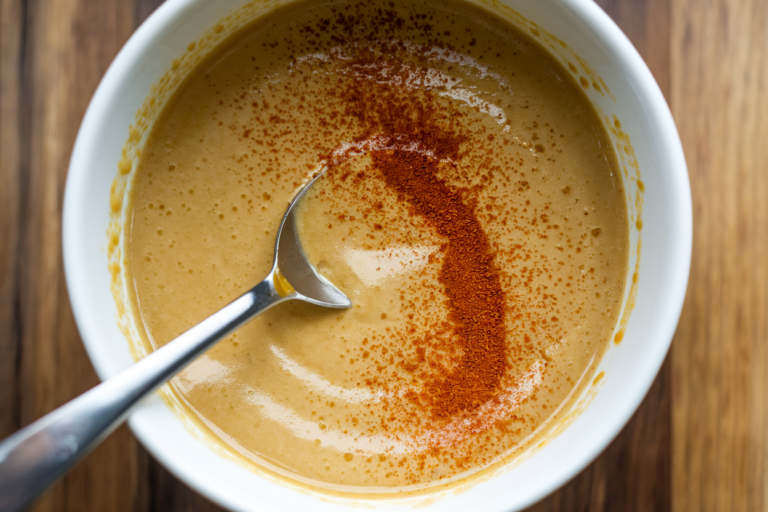
Combine 2 tbsp extra‑virgin olive oil, 1 tbsp mayonnaise, 1-2 tsp sriracha (start low if you’re heat‑sensitive), 1 tsp Dijon mustard, and 1 tsp lime juice for a tangy, low‑carb dressing that emulsifies easily. Whisk vigorously or shake in a jar; one tablespoon of this blend adds about 80-100 calories depending on the mayo, so portion at 1-2 tbsp per salad to stay keto-friendly.
To tweak heat and depth, swap sriracha for 1 tsp chili garlic paste for more fermentation notes, or add 1/4 tsp smoked paprika and a pinch of cayenne to introduce smokiness without extra carbs. Because the dressing contains oil and mayo, it holds for 3-5 days refrigerated-shake well before using.
For plating, drizzle 1-2 tbsp over the greens and reserve a spoonful to brush onto the salmon right after searing; the residual heat will bloom aromatics and give a glossy finish while keeping your salad properly dressed, not soggy.
Optional Toppings
Use half an avocado per serving for creamy fat (about 160 kcal), 1 tsp sesame seeds for nuttiness, and 2 tbsp thinly sliced pickled red onion for brightness. If you want extra crunch, 1 tbsp toasted almond slivers or 1 tbsp roasted pumpkin seeds per salad add texture without knocking you out of ketosis.
Cheese like 1-2 tbsp crumbled feta pairs well with spicy dressing, while thinly sliced cucumber or radish provides a cooling counterpoint to heat. Keep topping portions modest: a tablespoon or two concentrates flavor while controlling calories and carbs.
Prep toppings ahead: roast nuts at 350°F (175°C) for 6-8 minutes and store in an airtight container, and make quick keto pickles by marinating onion slices in 1/4 cup apple cider vinegar with a pinch of salt for 20-30 minutes-this speeds assembly and elevates the salad on busy evenings.
Health Benefits of Keto Diet
Ketogenic eating shifts your metabolism from glucose to fat and ketone utilization, which increases fat oxidation and can reduce fasting insulin and blood glucose levels; many people see fasting glucose drop into a lower range within weeks and measurable reductions in HbA1c if they start with elevated values. Clinical data show marked improvements in blood lipids for many adherents – triglycerides often fall by 20-50% while HDL cholesterol commonly rises 5-15% – and those changes lower your cardiometabolic risk profile even without dramatic weight loss.
Beyond metabolic markers, sustained ketone production can blunt appetite and stabilize energy, so you may find it easier to stick with calorie reduction without strong cravings; randomized trials and meta-analyses report low-carbohydrate approaches producing an extra ~1.5-3 kg of weight loss at six months compared with low-fat plans in many cohorts. Athletes and people with neurological concerns also report cognitive clarity and reduced post-meal energy slumps when they maintain nutritional ketosis, though clinical outcomes vary and should be tracked against your goals.
Weight Management
You’ll experience two distinct phases of weight change on keto: an immediate drop from glycogen depletion and water loss followed by slower, sustained fat loss as ketones rise and appetite falls. Glycogen binds roughly 3-4 g of water per gram, so initial weight can fall by 1-3 kg in the first week for many people; after that, consistent caloric deficit and increased fat oxidation drive body fat reduction at a rate comparable to or sometimes faster than traditional calorie-restricted diets.
Practical effects on your body composition can be amplified by the higher protein intake typical of keto, which preserves lean mass during weight loss – studies report less muscle loss and greater fat-to-lean-loss ratios compared with some lower-protein regimens. If you combine resistance training with a higher-protein ketogenic approach, you’re more likely to maintain or even build strength while the scale reflects steady fat loss.
Nutritional Value of Salmon
Salmon is one of the most nutrient-dense proteins you can add to a keto plate: a 100 g serving supplies roughly 20-25 g of high-quality protein and about 1.5-2.5 g of combined EPA and DHA omega‑3 fatty acids, which are anti-inflammatory and support heart and brain health. That same portion provides around 200 kcal, a substantial dose of vitamin B12 (about 3-4 µg), and selenium (≈30-40 µg), so you get both macronutrient and micronutrient leverage for a low-carb meal.
A typical 6‑ounce (170 g) fillet gives you roughly 34 g of protein and 3-4 g of EPA/DHA, meeting or exceeding the daily recommendations for omega‑3 intake used in several cardiology guidelines; it also commonly supplies 400-600 IU of vitamin D, helping to cover much of your daily requirement in a single serving. Because salmon pairs naturally with leafy greens and healthy fats, it’s an efficient way to hit satiety, micronutrient targets, and omega‑3 goals on a keto plan.
Variation between wild and farmed salmon affects nutrient density: wild Atlantic or Pacific varieties often have slightly leaner profiles and proportionally higher omega‑3 per calorie, while farmed salmon can provide more total fat and calories but still deliver strong omega‑3, vitamin D, and selenium content; choose based on your calorie needs, cost, and sustainability preferences to optimize your keto plate.
Preparation Steps
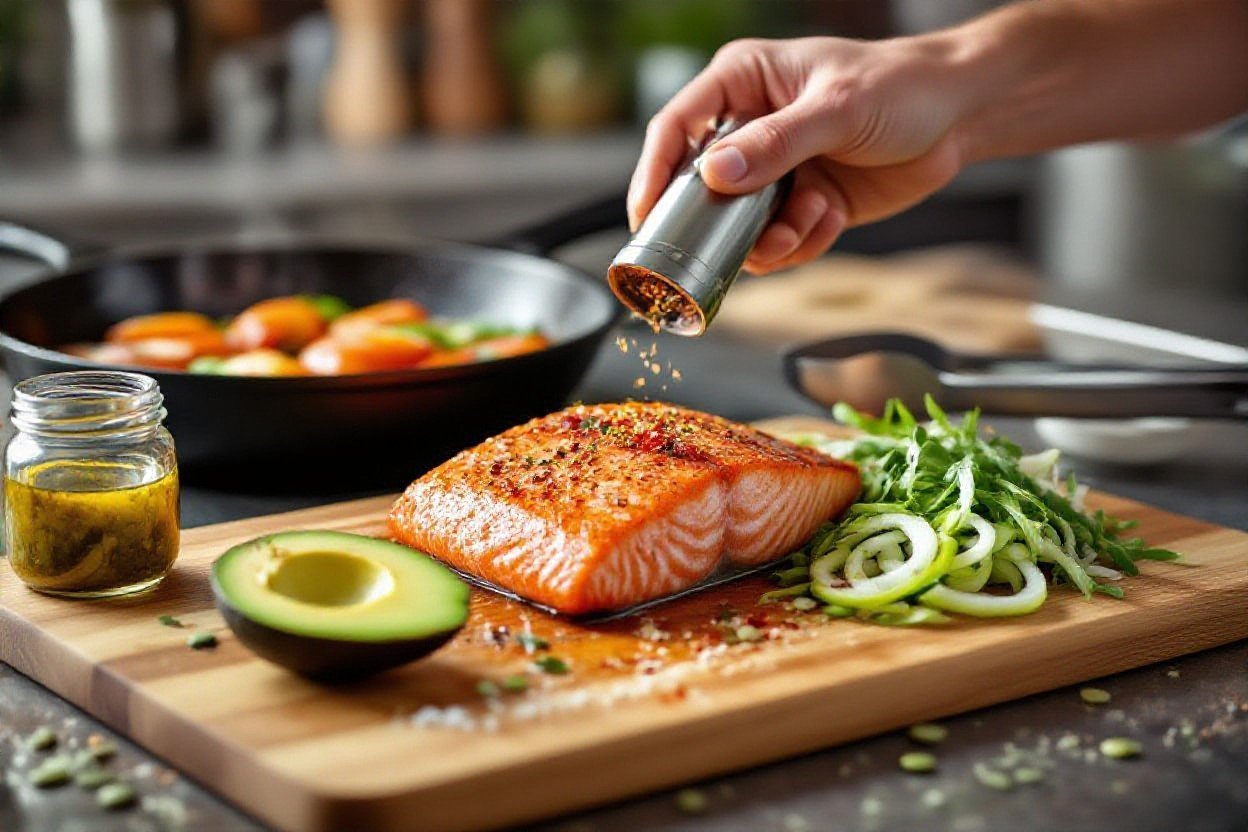
Preheat and prep with purpose: set your oven to 400°F (200°C) if finishing in the oven, or get a heavy skillet smoking hot for an immediate sear. Pat the salmon dry and season evenly-use 1 tbsp olive oil, 1 tsp tamari, 1 tsp lemon juice, 1 tsp chili flakes and a pinch of salt for a simple spicy marinade; let it sit 15-30 minutes but no longer than an hour to avoid breaking down the flesh. Measure the thickest part of the fillet so you can estimate cook time accurately-plan on roughly 10-12 minutes per inch in the oven or 3-5 minutes per side when pan-searing for a 1-inch fillet, aiming for an internal temperature of 125-130°F (52-54°C) for medium-rare.
Cooking the Salmon
For pan-searing, heat 1-2 tbsp avocado or grapeseed oil over medium-high until shimmering; place the salmon skin-side down if you have it, pressing gently for 10-15 seconds to ensure full contact. Sear skin-side down for 4-5 minutes for a 1-inch fillet, then flip and sear the flesh 2-3 minutes, or transfer to a 400°F oven for an additional 4-6 minutes for fillets thicker than 1¼ inches. Use an instant-read thermometer inserted into the thickest part-125-130°F gives you moist flaked salmon, while 135°F yields firmer, fully opaque flesh.
If you prefer baked or broiled fish, bake at 400°F for about 10-12 minutes per inch of thickness, or broil 4-6 inches from the element for 6-8 minutes depending on power. Glaze with a keto-friendly spicy butter (1 tbsp unsalted butter, ½ tsp sriracha, ½ tsp lime zest) in the last minute of cooking to add shine and heat without adding sugar. Always let the salmon rest 4-5 minutes after cooking so the juices redistribute; then flake into large pieces or slice against the grain into 1-inch chunks for even bites in the salad.
Assembling the Salad
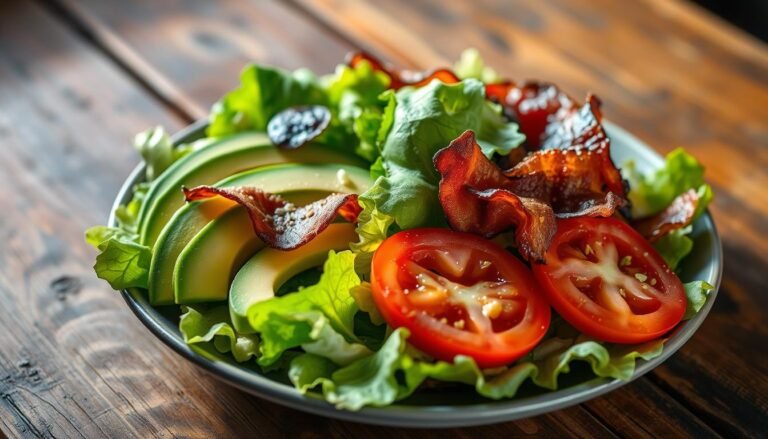
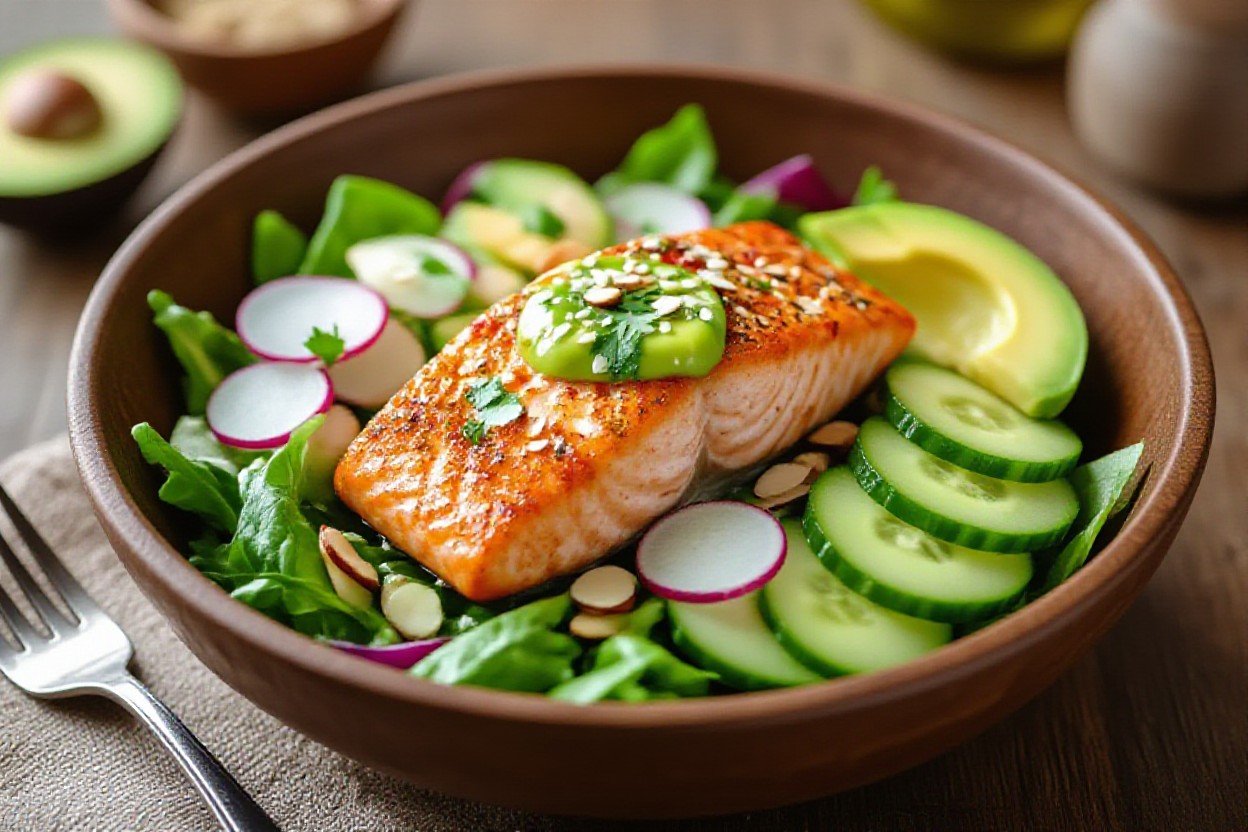
Start with 2 cups of mixed greens (arugula and baby spinach work well) and layer in ½ cup thinly sliced cucumber, ¼ cup radish, and ¼ cup thinly sliced red onion for bite and crunch. Slice ½ an avocado into cubes and arrange the warm salmon (about 4-6 oz per serving) on top so the heat slightly softens the avocado without wilting the greens. Drizzle 2 tbsp of dressing made from 2 tbsp extra-virgin olive oil, 1 tbsp lemon juice, 1 tsp Dijon, salt, pepper and ½ tsp chili flakes; toss gently so you don’t break up the salmon.
Finish with texture and aromatics: sprinkle 1 tbsp toasted sesame seeds or 1 tbsp chopped toasted almonds, add 2 tbsp chopped cilantro or chives, and a wedge of lime for squeezing at the table. Portioning this way yields a balanced plate-about 4-6 oz salmon, 2 cups greens and moderate dressing-which keeps the meal around 450-600 kcal depending on oil and salmon fat content, with roughly 25-30 g protein, 25-40 g fat and 4-6 g net carbs when using full-fat dressing and avocado.
For meal-prep or make-ahead service, keep the dressing and crunchy toppings separate and store the salmon chilled in an airtight container for up to 48 hours; reheat gently (steam for 60-90 seconds or warm in a 250°F oven for 6-8 minutes) before assembling. You can also serve the salmon warm over chilled greens for contrast-flaking it into 1-inch pieces helps distribute protein evenly and ensures every forkful has a bit of the spicy glaze, avocado, and crisp vegetables.
Serving Suggestions
Serve the spicy salmon warm over a bed of baby spinach or peppery arugula to let the heat from the fish wilt the greens lightly without turning them soggy; let the fillet rest 2-3 minutes after cooking before flaking to retain juices. Aim for a 6-ounce (170 g) fillet per person – that portion delivers roughly 34-36 g protein and 18-22 g fat with nearly zero carbs, which fits neatly into most ketogenic macros for a single meal.
Finish plates with textural contrasts: 1-2 tablespoons of full‑fat lemon‑garlic mayo or an olive oil‑based herbed vinaigrette adds richness (1 tbsp olive oil ≈ 14 g fat, 120 kcal), while a sprinkle of toasted sesame seeds or chopped macadamias adds crunch and extra healthy fats. For presentation, serve salmon flaked over the salad on one side and sliced avocado or cucumber ribbons on the other to keep components separate until diners mix them.
Meal Prep Ideas
Cook 4 salmon fillets at once and portion them into airtight containers with 1 cup of cauliflower rice or a cup of mixed greens per container; store dressings separately in small mason jars or silicone cups to avoid soggy greens. Refrigerate up to 3 days for best quality (you can freeze cooked salmon up to 1 month if you need longer storage), and label containers with dates so you track freshness.
When reheating, be gentle to prevent drying: rewarm in a 275°F oven for 10-12 minutes or microwave at 50% power covered with a damp paper towel for 40-60 seconds, then crisp the skin in a hot pan for 30-45 seconds if you want texture. Add avocado or soft toppings only just before eating – half an avocado adds about 2 g net carbs and 10-12 g fat, making it a perfect last‑minute boost to keep the meal keto‑centered.
Pairing with Keto-Friendly Sides
Choose sides that complement spicy salmon while keeping carbs low: 1 cup cauliflower rice (~3 g net carbs) tossed with cilantro and lime mirrors the fish’s brightness, and 1 cup zucchini noodles (~3 g net carbs) sautéed in 1 tablespoon olive oil pairs well with a garlic‑chili finish. Roasted asparagus (6 spears ≈ 2 g net carbs) or ½ cup Brussels sprouts (≈4 g net carbs) provide roasted, caramelized flavors that stand up to heat and spice.
Balance textures and fats by adding creamy or crunchy keto sides: a 2‑tablespoon serving of full‑fat tzatziki or an avocado smash adds roughly 6-12 g of fat and only 1-2 g net carbs, while a small olive and feta salad contributes savory salts and extra fat without pushing carbs higher. For a simple meal, plate the salmon with ¾ cup cauliflower rice and half an avocado – that combination typically stays under 8 g net carbs total while delivering satisfying fats and protein.
For flavor pairings, match spicy salmon with citrus‑forward or herbaceous sides: a lemon‑chive dressing brightens the palate, while cilantro‑lime cauliflower rice links to the heat. If you prefer richer pairings, serve the salmon with a butter‑garlic sautéed spinach (1 cup cooked ≈ 2 g net carbs) to boost fat intake and keep the meal firmly within ketogenic ratios.
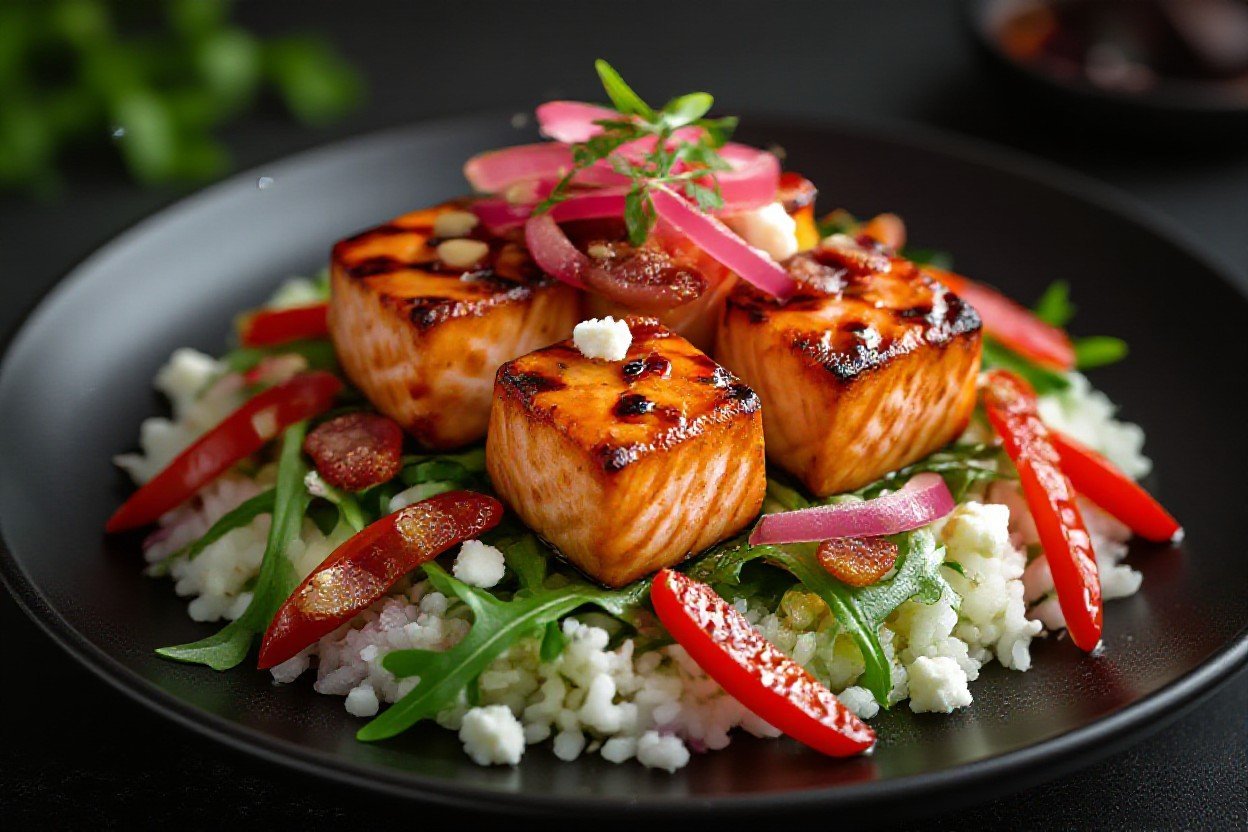
Variations of Spicy Salmon Salad
Adding Different Proteins
You can swap or layer other proteins to change texture, fat and protein balance: 3-4 oz of cooked shrimp delivers roughly 18-22 g protein and takes only 1-2 minutes per side to sear, while a 3 oz portion of cooked chicken breast provides about 24-26 g protein and is best thin-sliced and pan-seared 3-5 minutes per side to stay juicy. Canned tuna or smoked trout are low-prep options-3 oz of tuna has ~20 g protein-and they boost convenience without adding carbs.
If you want more keto-friendly fat, add oily fish like sardines or mackerel (canned 3.75 oz portions often supply 20-25 g protein plus double-digit grams of fat), or sprinkle crisped prosciutto or bacon for savory crunch. For plant-based swaps, use tempeh (about 15-17 g protein per 3 oz) or pressed firm tofu, marinated and pan-fried, and compensate with extra olive oil or avocado to keep the salad in the proper keto macro range.
Customizing the Dressing
You can tailor the dressing to shift heat, fat content and flavor intensity while staying keto-compliant: start with a 3:1 oil-to-acid ratio (for example, 3 tbsp avocado or olive oil to 1 tbsp lime or rice vinegar), add 1 tsp Dijon mustard or an egg yolk to emulsify, and punch up heat with sambal oelek, fresh chiles, or a pinch of cayenne. One tablespoon of olive oil contains about 14 g fat and 120 kcal, so adjusting oil volume lets you precisely meet your fat target.
If you prefer a creamy dressing, whisk in 1 tbsp full-fat mayo (roughly 10-11 g fat) or blend 1/4 avocado for extra richness and fiber. Brighten and layer flavors with 1 tsp grated ginger, 1 small garlic clove, 1-2 tbsp chopped cilantro or dill, and 1 tsp lime zest; keep sweeteners minimal-use a pinch of erythritol or stevia if you want balance without carbs-and avoid sugary condiments like standard sweet chili sauce.
When making dressings ahead, store them in an airtight jar in the fridge for up to 3-5 days; emulsified dressings with egg yolk should be used sooner. Re-whisk or shake before serving, and taste in small increments-adjust by 1/4 tsp amounts of salt, acid or chili to dial in balance without overshooting your desired flavor or macros.
Common Mistakes to Avoid
The mistakes that most often undermine this salad are technical missteps that change texture and hidden swaps that alter the keto math. Overcooking the salmon and making well-intentioned ingredient substitutions without accounting for moisture, fat content or carbs are the two pitfalls that will turn a vibrant, spicy salmon salad into something dry or off-balance.
Overcooking Salmon
Cooking time and internal temperature matter more than oven minutes alone: aim for an internal temperature of about 125-130°F (52-54°C) if you want a moist, slightly rare fillet; the U.S. FDA recommendation is 145°F (63°C) for doneness but that yields a firmer, flakier texture. For a 1-inch (2.5 cm) thick fillet, pan-searing typically takes 3-4 minutes per side over medium-high heat, or 10-14 minutes in a 400°F (200°C) oven; use a probe thermometer rather than relying solely on time because thickness and starting temperature change the outcome.
Prevent overshoot by removing the fish from heat 3-5°F (1-3°C) below your target to allow for carryover cooking, and rest the fillet 3-5 minutes before flaking into the salad. If you’re finishing skin-side down, press gently to ensure even contact; if using a broiler, keep the rack farther from the element and watch the first 60 seconds to avoid rapid dry-out. A quick flake test-gently prod the center with a fork-lets you see if the flesh still looks translucent and moist versus chalky and crumbly.
Ingredient Substitutions
Substituting proteins or dressings can change both flavor and macros. For example, a 4-oz (113 g) cooked salmon fillet provides roughly 230-250 kcal with about 14-16 g fat and 22-24 g protein, whereas a 4-oz (113 g) cooked shrimp serving is closer to 110-120 kcal with roughly 1-2 g fat and similar protein; swapping shrimp for salmon will reduce omega‑3 fats and total calories. If you replace salmon with canned tuna, expect comparable protein but generally lower fat and different fatty-acid profile-wild salmon yields higher EPA/DHA (beneficial omega‑3s) than most canned light tuna.
Dressings and creamy components are another common source of hidden carbs: plain mayonnaise and olive oil-based dressings contribute effectively zero carbs per tablespoon, while 2 tablespoons of full‑fat Greek yogurt add roughly 2-4 g carbs depending on brand. Commercial sweetened dressings or glazes can add 4-8 g carbs per 2‑tbsp serving, so check labels and adjust portion sizes if you keep strict keto targets.
When you need a one-for-one swap, prioritize ingredients that preserve fat and texture: swap avocado for sliced cucumber to maintain creaminess and keep net carbs low (one small avocado about 100 g has roughly 2 g net carbs after fiber), or use full‑fat Greek yogurt mixed with a tablespoon of olive oil to mimic mayonnaise while adding tang; if crunch is required, toasted pecans or macadamias replace croutons with ~2-3 g net carbs per ounce versus 20-30 g+ for bread-based crunches.
To wrap up
Following this, you have a simple, keto-friendly meal that balances high-quality protein and omega-3 fats from salmon with low-carb greens and bold spice to keep flavors interesting without adding sugars. You can tailor the heat, increase healthy fats with avocado and extra-virgin olive oil, and keep dressings minimal to maintain ketosis while enjoying a satisfying, nutrient-dense plate.
For practical use, cook or grill salmon in batches and assemble salads just before eating to preserve texture; track portions if you monitor macros and vary herbs, seeds, or citrus zest to refresh the dish. You’ll find the Keto Spicy Salmon Salad supports satiety, easy meal prep, and flexible flavor adjustments to fit your keto routine.
Printable Recipe Card
Want just the essential recipe details without scrolling through the article? Get our printable recipe card with just the ingredients and instructions.