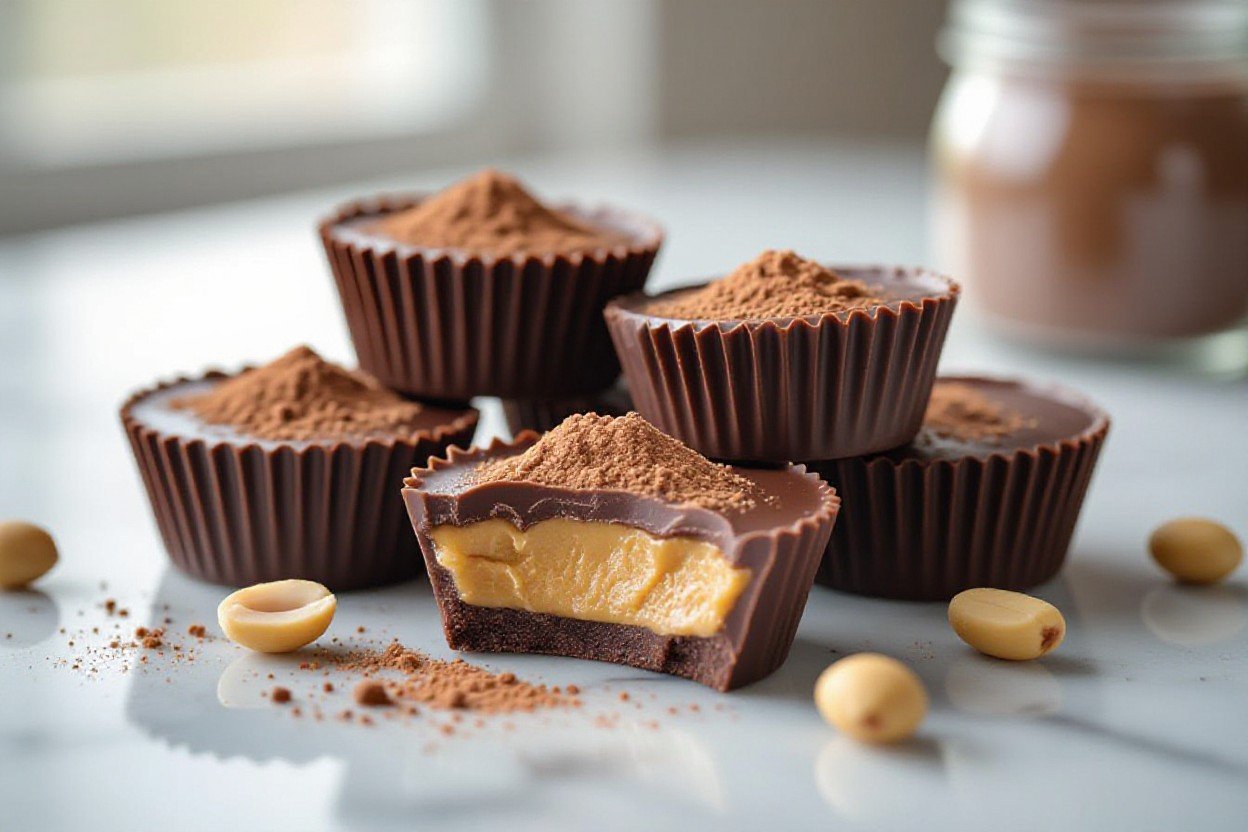
Keto Peanut Butter Cups
You keep seeing low-carb treats all over your feed lately, right, and keto peanut butter cups are totally having a moment. If you’re tired of “healthy” desserts that taste fake or weirdly chalky, you’re in the right place because these cups actually hit that classic peanut butter-chocolate craving without wrecking your macros. You get rich flavor, simple ingredients, and way more control over your carbs than anything store-bought, plus you can tweak sweetness and texture exactly how you like it.
Key Takeaways:
- With the whole “protein snack” trend blowing up on social media, these peanut butter cups fit right in as a low-carb, high-fat option that still feels like candy, not a sad diet treat.
- You only need a handful of simple ingredients (think peanut butter, sugar-free chocolate, a keto sweetener, and some fat like coconut oil or butter) so they’re super easy to batch-prep and keep in the freezer for those late-night sweet cravings.
- They’re incredibly customizable – you can tweak the sweetness, swap in almond or sunflower seed butter, sprinkle flakes of salt on top, or add a bit of vanilla or collagen to match your exact keto goals and taste buds.
What’s the Deal with Keto Peanut Butter Cups?
Why They’re So Popular
Picture this: it’s 9:45 pm, you’re halfway through a Netflix episode, and that old sugar craving that used to send you to the pantry for regular peanut butter cups starts whispering again. Instead of blowing 25 to 30 grams of sugar on a single store-bought cup, you reach for your own keto version that clocks in around 2 to 4 grams net carbs, tops. Same creamy peanut butter center, same snappy chocolate shell, totally different impact on your blood sugar and your macros.
People love these so much because they slot right into real life – kids’ lunches, road trips, office drawers, that weird in-between time at 3 pm when you want “a little something”. You can batch a dozen cups in under 30 minutes, stash them in the freezer, and suddenly you’ve got portion-controlled desserts that taste like candy but behave like a fat bomb. So you keep your carbs in check, hit your fat macros, and still get that nostalgic peanut-butter-cup moment you grew up with.
What Makes Them Keto-Friendly?
Instead of using regular milk chocolate that can have 50 grams of sugar per 100 grams, you switch to sugar-free dark chocolate or at least 70 to 85 percent cacao chocolate sweetened with keto-friendly options. Then you pair that with a natural peanut butter that lists two ingredients max: peanuts and salt. No corn syrup, no added sugar, no weird thickeners that quietly nudge your carbs up.
The sweet factor comes from sugar alcohols or keto-approved sweeteners like erythritol, allulose, monk fruit, or stevia. Most solid recipes land around 1 to 3 grams net carbs per cup by subtracting fiber and certain sugar alcohols, which means you can actually fit one (or two on a heavy workout day) into a typical 20 to 30 gram daily carb target without wrecking your progress.
On a deeper level, what really makes them work for your keto lifestyle is how the macros line up: usually 70 to 80 percent of calories from fat, a modest hit of protein from the peanuts, and very low digestible carbs, so you stay in that fat-burning zone instead of bouncing in and out. Because you’re using things like cocoa butter, coconut oil, or high-cacao chocolate, you also get a slow, steady release of energy rather than that spike-and-crash feeling from regular candy. So you end up with something that tastes exactly like a dessert but quietly behaves like a little fuel source for your keto day.
My Go-To Recipe for Deliciousness
Ingredients You’ll Need
Picture this: you’re craving something sweet at 9:47 pm, you’ve got about 15 minutes of energy left in your body, and you want chocolate plus peanut butter without blowing your carbs. That’s exactly where this ingredient list shines, because you can literally grab everything from your pantry in under a minute and you don’t need anything fancy like cocoa butter blocks or weird keto syrups you’ll only use once. You just pull out your jar of peanut butter, your favorite sugar free chocolate chips, a bit of coconut oil, and a couple of everyday baking basics and you’re in business.
What really matters here is hitting that sweet spot of low net carbs while still getting that legit candy-bar taste. So you’ll use a peanut butter that’s at least 90% peanuts (aim for 2-3 grams net carbs per 2 tablespoon serving), a powdered or granular low carb sweetener that actually dissolves, and a small amount of vanilla and salt to make everything taste like an actual dessert, not “diet food”. If you want to be extra, you can stir in chopped peanuts or a sprinkle of flaky salt on top and suddenly your 15 minute treat looks like something from a fancy boutique chocolate shop.
| Ingredient | Details & Keto Notes |
| Peanut butter | 1/2 cup natural, unsweetened peanut butter with no added sugar, ideally 2-3 g net carbs per 2 tbsp serving |
| Sugar free chocolate chips | 3/4 cup dark or semi sweet style chips sweetened with erythritol, monk fruit, or stevia, about 1-2 g net carbs per serving |
| Coconut oil | 2 tbsp total, divided, to thin the chocolate and help it set glossy and firm straight from the fridge |
| Low carb sweetener | 2-3 tbsp powdered erythritol or allulose, or your favorite blend, added to taste for the filling |
| Vanilla extract | 1 tsp for that classic candy flavor that makes the filling taste like the “real” thing |
| Salt | 1/8-1/4 tsp fine salt for the filling, optional flaky salt to sprinkle on top of each cup |
| Silicone or paper liners | 12 mini or regular muffin liners so you can pop them out easily and keep the chocolate from sticking |
Step-by-Step (It’s Easier Than You Think!)
On those nights when you’re half scrolling your phone and half raiding the fridge, you want steps that are basically foolproof. You’ll start by lining a muffin pan with 12 liners, then melt your chocolate chips with half of the coconut oil in 20-30 second bursts in the microwave, stirring in between until smooth. Once it’s melted and silky, you spoon about 1-2 teaspoons into each liner, tilt the pan gently so the chocolate coats the bottom evenly, and slide the tray into the freezer for 5-10 minutes so that first layer firms up fast.
While the chocolate chills, you mix your peanut butter, sweetener, vanilla, salt, and the remaining coconut oil in a small bowl until it’s creamy and scoopable, kind of like soft cookie dough. Then you portion about 1 heaping teaspoon into each cup, flatten it a bit so it stays away from the edges, and cover the filling with the rest of your melted chocolate. A quick chill in the fridge for 20 minutes and you’ve got peanut butter cups with about 2-3 grams net carbs each, depending on your ingredients, that taste like you’ve been in the kitchen all afternoon when in reality you barely paused your show.
| Step | What You Actually Do |
| 1. Prep your pan | Line a mini or regular muffin pan with 12 liners so the chocolate sets in perfect cup shapes and pops out cleanly |
| 2. Melt the chocolate | Microwave chocolate chips with 1 tbsp coconut oil in 20-30 second bursts, stirring until completely smooth and glossy |
| 3. Make the base layer | Spoon 1-2 tsp melted chocolate into each liner, gently tap or tilt so it covers the bottom, then freeze 5-10 minutes |
| 4. Mix the filling | Stir peanut butter, sweetener, vanilla, salt, and 1 tbsp coconut oil until thick but spreadable, adjusting sweetness to taste |
| 5. Add the peanut layer | Drop about 1 heaping tsp of filling onto each chilled chocolate base, pressing lightly so it’s flat but not touching the liner sides |
| 6. Top with more chocolate | Cover each peanut butter mound with remaining melted chocolate, using a spoon to nudge it into an even layer |
| 7. Chill and serve | Refrigerate 20-30 minutes until firm, then store in an airtight container in the fridge for up to 2 weeks or freeze up to 2 months |
What’s fun is how customizable this method is once you’ve tried it one time and seen how forgiving it actually is. If your filling feels too thick, you splash in 1-2 teaspoons of coconut oil and it relaxes instantly, if your chocolate starts to thicken while you’re topping the cups, you just pop it back in the microwave for 10-15 seconds and keep going. You can even test one cup after the first chill, tweak the sweetness or salt next round, and pretty quickly you’ll land on that “this tastes exactly how I like it” version that lives in your freezer for busy days, late nights, and those random afternoons when you want something sweet but still keto friendly.
The Nutritional Lowdown
How They Fit into a Keto Diet
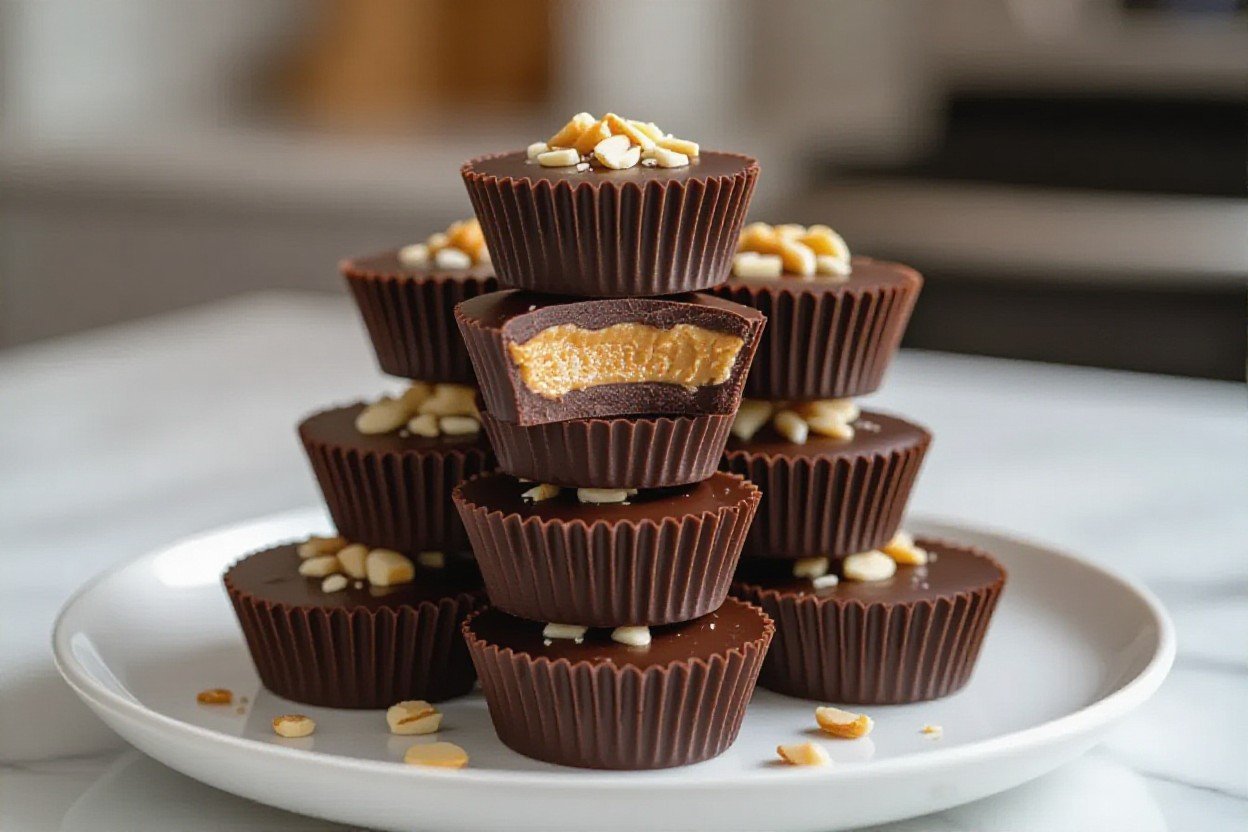
These cups can absolutely pull their weight in a keto meal plan if you build them right. A typical homemade keto peanut butter cup clocks in around 2 to 4 grams of net carbs per serving, mostly coming from peanut butter and a tiny bit from cocoa. The rest is fat – usually 15 to 20 grams from coconut oil, cocoa butter, and the peanuts themselves – which makes them feel way more satisfying than some sad 80-calorie rice cake that leaves you hungry 10 minutes later.
Instead of thinking of them as “dessert only,” you can slot one into your day as a legit fat bomb to support ketosis. Say you’re aiming for 70% of your calories from fat, 20% from protein, 10% from carbs: a cup like this can help you hit that fat target without pushing your carbs over the edge. If you pair one with something like a few slices of cheese or a hard-boiled egg, you end up with a snack that keeps your blood sugar super steady and cuts down on those 4 pm snack attacks that usually send you hunting for bread or crackers.
Are They Really Healthy?
They can be a pretty smart treat, but only if you’re honest about what’s actually in them. When you use natural peanut butter (just peanuts and salt), a sugar-free chocolate made with erythritol or allulose, and a solid fat source like coconut oil or cocoa butter, you’re getting a mix of monounsaturated fats, a little plant-based protein, and minimal impact on blood glucose. In one small 2-cup serving, you might see 200 to 250 calories, 18 to 22 grams of fat, 5 to 7 grams of protein, and only 3 to 5 grams of total carbs, with most of that offset by fiber and sugar alcohols.
Where things go sideways is when “keto” on the label is doing all the heavy lifting and the recipe is basically ultra-processed junk in disguise. Some store-bought versions are loaded with palm kernel oil, artificial flavors, maltitol (which can spike blood sugar for a lot of people), and stabilizers so they survive on a shelf for a year. You might technically stay under your carb limit, but if you eat 3 or 4 at a time, you’re easily at an extra 500+ calories, which will stall fat loss no matter how keto they are.
What you really want to watch is the combination of portion size, ingredient quality, and how your body reacts to sweeteners. If you notice that even “zero sugar” cups trigger more cravings, bloat, or a weird energy crash, that’s your body giving you data, and it’s worth adjusting your recipe or frequency instead of gaslighting yourself because the macros look fine on paper. When you keep them to a reasonable serving, use good fats and simple ingredients, and treat them like a strategic indulgence instead of a free-for-all, they stop being fake health food and actually become a tool that supports your goals instead of fighting them.
Tips for the Perfect Peanut Butter Cup
About 80% of recipe fails with homemade peanut butter cups come from rushing the chilling steps, which is wild because the freezer is literally doing the work for you. You want that first chocolate layer to be mostly set before you add the peanut butter filling, so aim for at least 8-10 minutes in the freezer or 15 in the fridge, otherwise the layers bleed into each other and you end up with marbled cups instead of clean tiers. Keep your peanut butter at room temp so it spreads easily, but make sure your chocolate has cooled slightly before pouring it over or it can melt the filling and ruin the texture.
- Use silicone muffin cups or liners so the chocolate releases cleanly without cracking.
- Chill between every layer – chocolate, filling, chocolate – even if it feels annoying.
- Stir a pinch (like 1/16 teaspoon) of fine salt into the peanut butter to sharpen the flavor.
- Tap the pan on the counter 5-6 times after adding each chocolate layer to pop air bubbles.
- Store finished cups in the fridge up to 10 days or freezer up to 2 months for best texture.
After you nail that chill-layer-chill rhythm a couple of times, the whole process turns into a super easy system you can bang out on autopilot whenever you want a batch.
Hacks to Enhance Flavor
Roughly 1/8 teaspoon of fine sea salt can make your peanut butter taste twice as intense, which is why salted nut butters feel so addictive. If your peanut butter is very plain, try whisking in a tiny splash of vanilla extract or 2-3 drops of liquid stevia to perk things up without blowing your carbs. And if you like that Reese’s-style salty-sweet pop, sprinkle just a few flakes of flaky salt on top of the cups right after you pour the final chocolate layer.
For a deeper chocolate vibe, use at least 70% cacao chocolate or a good sugar-free dark bar, then add 1/4 teaspoon espresso powder per cup of melted chocolate to amplify the cocoa flavor without making it taste like coffee. You can also play with textures by mixing in 1 tablespoon of chopped roasted peanuts or keto granola into the peanut layer so you get that crunchy bite that feels way more satisfying.
Common Mistakes to Avoid
Most keto peanut butter cup disasters trace back to using the wrong chocolate or a peanut butter that’s too oily, so you end up with greasy, soft cups that won’t hold their shape. If your peanut butter has a thick 1/2-inch oil layer on top, stir it really well or pour off some of that oil before using, otherwise the fat ratio skews and the cups get weirdly slick. And if you grab a “no sugar added” chocolate that’s actually sweetened with maltitol, you might notice hidden carbs plus some not-so-fun stomach drama later, so double-check those labels.
After you dial in a thicker peanut butter (or mix in a spoonful of almond flour to firm it up) and pair it with a truly keto-friendly chocolate, you pretty much eliminate 90% of the problems people run into with texture, structure, and blood sugar spikes.
One more thing about those common slip-ups: if your chocolate seizes or turns grainy, it’s usually because even a drop of water got into the bowl or you overheated it past the point of no return, so melt low and slow and stop when there are still a few soft chunks you can stir smooth. A lot of folks also pour huge thick layers of chocolate in one go, which makes the cups rock hard on top and hard to bite into, so aim for thinner, even layers – you can always add more with a second batch if you want a thicker shell next time.
What’s Your Favorite Way to Enjoy Them?
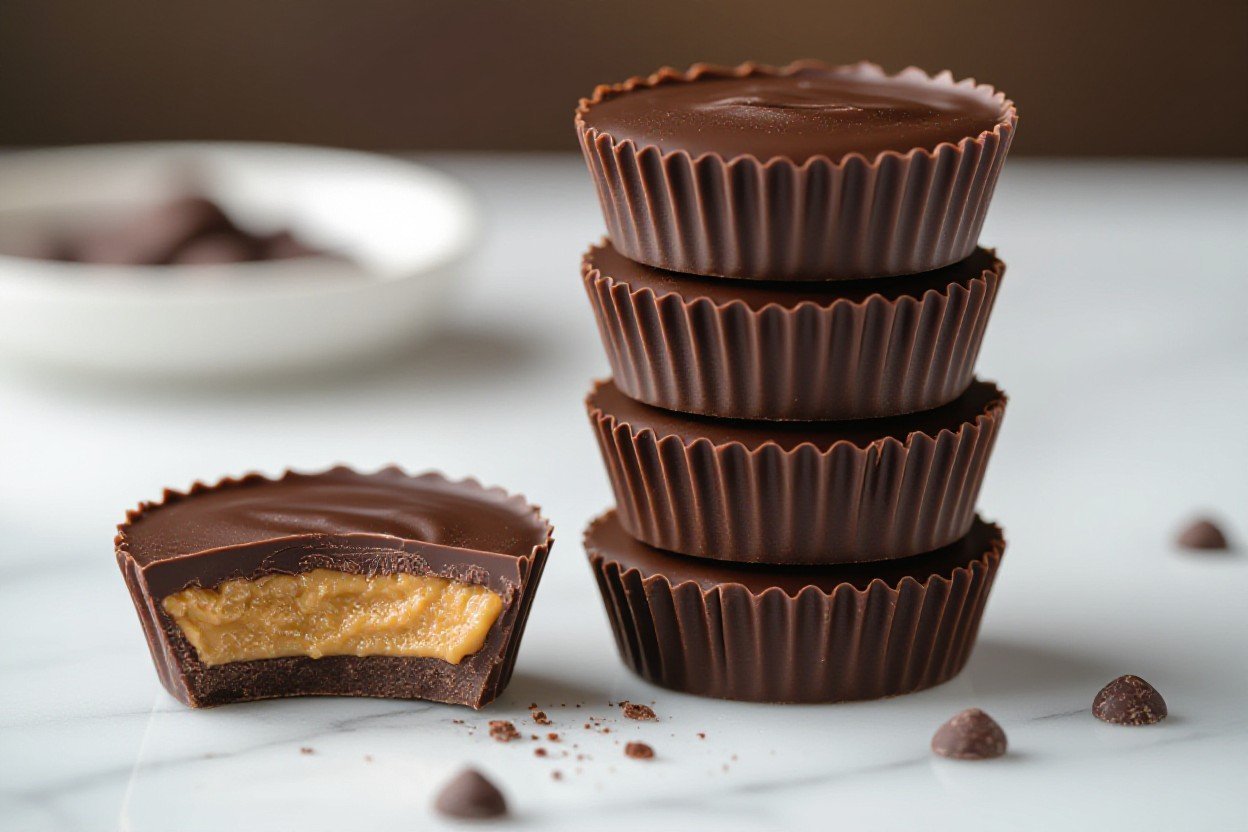
You can turn a simple batch of keto peanut butter cups into about ten different snacks just by changing how you eat them. Sometimes you just want one straight from the fridge, super firm with that satisfying snap when you bite in, other times you let it sit for 5 minutes so the peanut butter softens and gets all fudge-y. You might even find that you prefer them slightly under-sweetened at night but a bit sweeter as a pre-workout bite, especially if you use a protein-enriched peanut butter or add 5-10 grams of collagen to the filling.
On busy days, you can treat them like “macro control” candy – one cup might clock in at around 90-120 calories, 8-10 grams of fat, 2-3 net carbs, and a bit of protein, so they slot into your day without blowing up your carb budget. A lot of people keep a dedicated container in the freezer, rotate flavors (almond butter week, crunchy peanut week, hazelnut week), and just grab one whenever the snack monster hits. It stops you from raiding the pantry at 10 pm, which is maybe their biggest superpower.
Pairing Ideas
You can take your keto peanut butter cups from “quick snack” to a full-on mini dessert board with almost zero effort. Pair them with a shot of espresso or a strong Americano and you’ll get that cafe-style vibe at home, especially if you use a darker chocolate with 70-85% cocoa. You could also slice a cup into 3-4 pieces and scatter them over a small bowl of unsweetened Greek yogurt, add a few crushed pecans, and suddenly you’ve got this high-protein, high-fat dessert that still lands under 8-9 net carbs.
For a more “hostess mode” situation, you can plate them with a few simple sides: a handful of berries (raspberries or blackberries stay relatively lower carb), some toasted coconut flakes, and maybe a couple pieces of aged cheese if you like that sweet-salty combo. If you’re tracking macros tightly, this kind of plate works really well: 2 cups, 30 grams of berries, 15 grams of nuts – you still end up with something that looks indulgent but easily fits a 20-30 gram daily net carb target.
Store-Bought vs. Homemade – Which is Better?
If you’ve ever flipped over a “keto” peanut butter cup label at the store, you already know there’s a lot hiding behind that pretty packaging. Many brands lean hard on sugar alcohols like maltitol or sorbitol, and while they technically reduce sugar, they can still spike blood sugar or upset your stomach, especially if you eat more than 1-2 cups in a sitting. You also get additives like inulin, gums, and “natural flavors” that make the texture consistent on shelves for 12-18 months, but they’re not necessarily what you want if you’re keeping things clean and simple at home.
On the flip side, homemade lets you control everything: the sweetener (allulose, erythritol, stevia blend), the type of nut butter, the chocolate percentage, and even the salt level. You can easily keep your version at 2-3 net carbs per cup by using 85% chocolate and an unsweetened peanut butter, whereas some commercial “keto” cups creep up to 5-7 net carbs each once you factor in fillers and fiber sources that are only sort of low impact. And cost-wise, a single homemade cup might run you 0.25-0.40 cents compared to 1-2 dollars per piece in a boutique brand, which really adds up if you eat them regularly.
What really tips the scale for you, though, is consistency and taste control: you can tweak one batch at a time, make them softer by adding 1-2 teaspoons of coconut oil to the filling, go darker or milkier with the chocolate, or even spin off allergen-friendly versions using almond butter or sunflower seed butter if you’ve got kids or guests with peanut issues, plus you’re skipping the preservatives and weird aftertastes you sometimes get with store-bought sugar alcohol blends, so the whole experience feels more like “real candy” and less like “diet food” which means you’re way more likely to stick to your low-carb plan without feeling deprived.
The Real Deal About Keto Treats
Ever catch yourself wondering if these low-carb desserts are actually helping you… or just wearing a health halo? When you bite into a keto peanut butter cup, you’re still tripping that sweet taste wiring in your brain, even if it’s coming from erythritol or allulose instead of sugar. That sweet signal lights up dopamine pathways in a similar way, which is why you can feel that same “ahhh, I needed this” hit, only without the 30 grams of sugar and the blood sugar rollercoaster that usually follows.
On the practical side, your body is dealing with a totally different metabolic load: fat-based, around 2 to 4 net carbs per cup, and usually 80 to 120 calories, depending on how big you pour your molds. You’re not getting the same insulin spike, but your appetite signals still matter – if one cup quietly turns into six, that adds up fast. So keto treats can absolutely live in your day-to-day, they just need to sit in the “tool” category, not the “personality trait” one.
Can They Help with Cravings?
Ever notice how some cravings feel like they’re happening “at” you, not “from” you? When you use keto peanut butter cups strategically, you can actually take some control back, especially during the first 2 to 4 weeks of going low carb when your brain is screaming for its evening carb hit. Having a portioned, already-made sweet like this waiting in the fridge means you’re not standing in the pantry with a jar of peanut butter and a spoon trying to negotiate with yourself.
At the same time, your cravings have patterns, and these treats can fit into that pattern in a smart way. A lot of people find that pairing sweetness with fat plus a bit of protein helps “shut down” the urge, because you’re hitting taste, satiety, and texture all at once. If you eat your cup slowly, after a proper meal, and you’re honest about stopping at one or two, you’ll usually see fewer wild swings in hunger and fewer impulsive snack raids. Used like that, they stop being a trigger and start acting more like a pressure valve.
What Experts Say About Keto Sweets
Ever wonder what dietitians and researchers actually think about low-carb sweets, beyond the social media hype? A lot of registered dietitians land in the same camp: they’re fine with keto desserts if they help you stay consistent with your overall plan, but not if they become your main source of satisfaction all day. In clinical keto studies, especially for things like epilepsy or diabetes management, experts usually cap sweeteners and packaged “keto snacks” so the focus stays on whole foods, stable blood sugar, and predictable macros.
You’ll also see consistent warnings about “palatability” – fancy word, simple concept: if it tastes super good, you’re more likely to overeat it, even if it’s technically low carb. Obesity researchers talk about this a lot, and they’ve shown in multiple trials that hyper-palatable foods, whether keto or not, encourage mindless snacking. So most experts aren’t anti-dessert, they’re very pro-awareness: know what’s in your sweetener blend, track how many “treat moments” you’re having per day, and figure out whether these cups are helping you stay on track or giving you a loophole you keep crawling through.
One really practical piece you’ll hear from experienced keto clinicians and coaches is to treat keto sweets like training wheels: super helpful at the beginning, then gradually less central as your taste buds adjust and your cravings calm down. You might start with daily peanut butter cups while you’re transitioning off sugar, then shift to having them 2 to 3 times per week once you’re fat-adapted and your energy is more stable, and that slow taper tends to work better long term than going from “all the treats” to “cold turkey, no fun allowed” overnight.
Summing up
Ultimately, you get to enjoy keto peanut butter cups without feeling like you’re “settling” for a diet treat, and that’s a pretty big win in my book. You’ve seen how they keep carbs in check, lean on quality fats, and still hit that sweet-salty combo you crave when the late-night snack monster shows up. If you make them yourself, you control everything – sweetness, texture, portion size – so they fit your exact goals instead of forcing you to bend your keto lifestyle around store-bought options.
Because at the end of the day, you want your keto plan to feel sustainable, not like a long-term punishment, right? Having a go-to treat like these cups in your back pocket means you can stay on track without feeling deprived or white-knuckling every craving. So keep a batch in the fridge, tweak the recipe till it feels like your signature version, and let your dessert actually support your progress instead of sabotaging it.