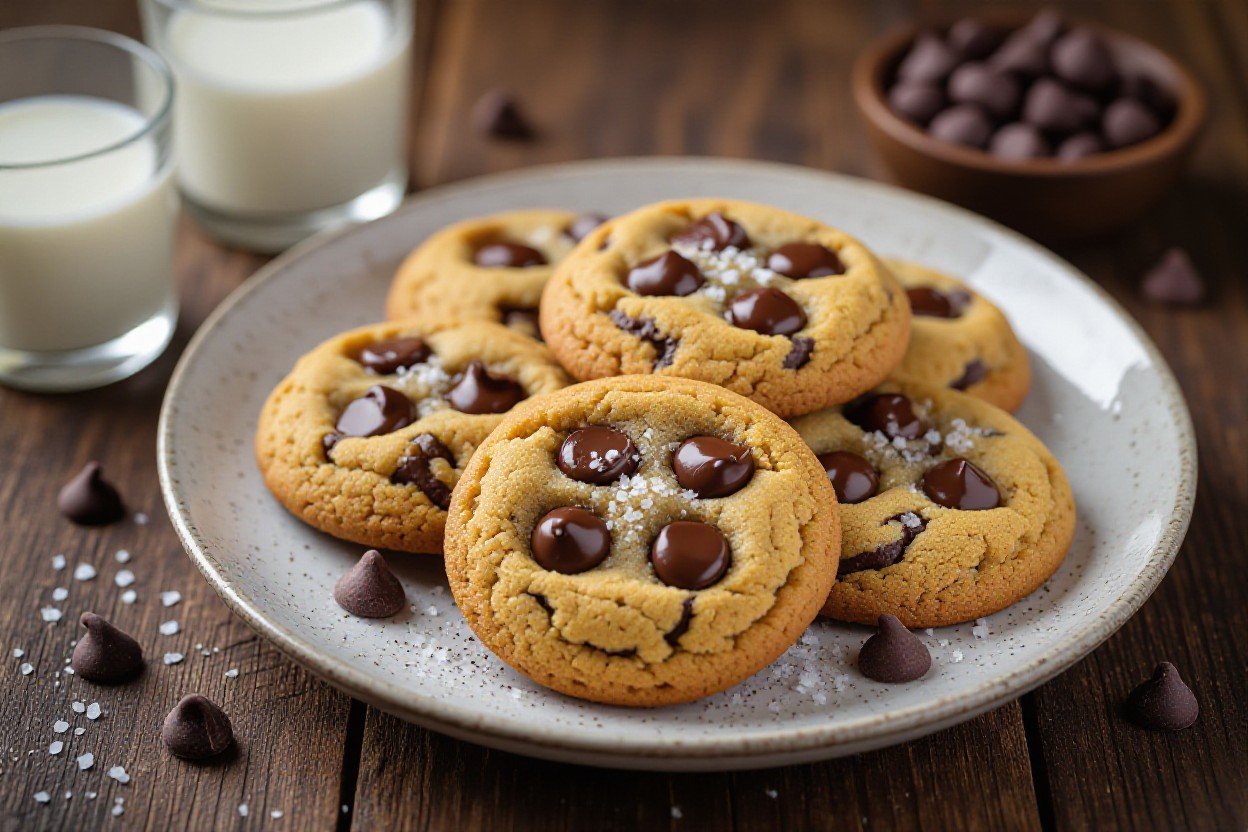
Keto Chocolate Chip Cookies
Keto cravings hit hard, right when you think you’ve got your low-carb routine nailed, and suddenly you’re staring down a plate of regular cookies at some get-together. You want that same warm, gooey, chocolatey bite, but you also want to keep your carbs in check and not blow your progress. So keto chocolate chip cookies step in as your secret weapon – giving you the flavor, texture, and comfort you’re used to, just reworked with smart ingredients that actually fit your lifestyle.
Key Takeaways:
- Low-carb cookie recipes have totally blown up on social lately, and keto chocolate chip cookies are riding that wave by swapping regular flour and sugar for almond or coconut flour plus keto-friendly sweeteners, so you keep the classic chewy-cookie vibe without kicking yourself out of ketosis.
- Texture and sweetness can be a bit finicky with keto baking, so chilling the dough, not overbaking, and leaning on ingredients like almond flour, butter, and sugar-free chocolate chips makes a huge difference in getting that soft center and lightly crisp edge you’re craving.
- These cookies fit more than just keto – they’re often gluten-free and lower in carbs overall – which makes them a handy treat to bring to gatherings so you’ve got something comforting to share that still lines up with your goals.
Why I Think Keto Cookies are a Game Changer
The lowdown on keto
What usually surprises you first is that keto isn’t just “low carb”, it’s aggressively low carb – typically under 20 to 30 grams of net carbs per day for fat loss, sometimes even tighter if you’re insulin resistant or coming from a higher-carb lifestyle. You shift from burning glucose to relying on ketones, and that metabolic flip can change your hunger, your energy, and even the way your brain feels after you eat, instead of crashing at 3 p.m. you actually stay focused.
When you work treats like keto cookies into that framework, you’re basically hacking the emotional side of dieting without wrecking the numbers: almond flour or coconut flour drops the carb load, sugar substitutes like allulose, erythritol, or monk fruit keep net carbs low, and you can still hit that 70 to 75 percent-of-calories-from-fat target by leaning into butter, coconut oil, or cream. So you get this weirdly satisfying combo where a cookie fits into your macro spreadsheet, your blood sugar doesn’t spike, and you’re still technically in a fat-burning state instead of playing carb roulette every time you want dessert.
Why chocolate chip cookies?
What really flips the script is that you’re not settling for some sad “diet snack”, you’re making the exact cookie your brain associates with comfort: classic chocolate chip, with gooey pockets of chocolate and crispy edges. That hits you on like three levels at once – nostalgia (you think of after-school snacks or holiday baking), satiety (fat and fiber keep you full), and compliance (you actually stay on plan because you’re not white-knuckling your way past cravings every night).
When you dial in a solid keto chocolate chip cookie recipe, you also solve a practical problem: how do you keep carbs low without feeling boxed in socially or emotionally? You can batch bake a tray on Sunday, portion them out, freeze half, and suddenly you’ve got built-in “safety nets” for birthday parties, office snacks, or those 9 p.m. Netflix munchies, and that one tiny shift can be the difference between steady progress for 8 to 12 weeks or giving up halfway through because you felt deprived.
On top of that, chocolate chips themselves can work surprisingly well in a low-carb setup if you’re picky: you might use 70 to 85 percent dark chocolate chopped into small bits, or dedicated sugar-free chips that cut net carbs to 1 to 2 grams per cookie, and if you add flaky salt on top you get this crazy good sweet-salty balance that makes one or two cookies feel satisfying instead of triggering that “eat the whole tray” spiral you used to get with regular flour-and-sugar versions.
What You Need to Make These Cookies
Must-have ingredients
Picture yourself pulling a tray of cookies out of the oven and realizing they actually taste like the real deal – that comes down to the ingredients you grab. For the flour base, you’ll get the best texture using a combo: about 1 1/2 cups of finely blanched almond flour plus 2 to 3 tablespoons of coconut flour. Almond flour gives you that soft, buttery bite, while a little coconut flour soaks up extra moisture so your cookies don’t spread into sad little pancakes.
Next up is your sweetener and fat, which completely change how these bake. You want a granulated erythritol or erythritol-monk fruit blend that measures cup-for-cup like sugar, around 1/2 to 3/4 cup depending on how sweet you like things. For fat, softened butter gives you classic bakery-cookie vibes, but if you’re dairy free you can swap in refined coconut oil and still keep it low carb. And of course, you’ll need sugar-free chocolate chips – brands that use stevia or allulose instead of maltitol stay around 1 to 2 net carbs per tablespoon, so you can actually load them up without blowing your macros.
Kitchen tools you’ll love
On a busy weeknight when you’re trying to whip these up fast, the tools you choose can save you a lot of grief. A simple handheld electric mixer makes a huge difference when you’re creaming butter and sweetener, because keto sweeteners can be a bit gritty and need a solid 2 to 3 minutes of mixing to dissolve nicely. You’ll also want a sturdy silicone spatula for folding in the almond flour and chocolate chips without overworking the dough – it helps you scrape every last bit from the bowl too.
Then there’s the baking sheet setup, which can literally make or break your cookie texture. A light-colored metal baking sheet lined with parchment paper or a silicone baking mat keeps the bottoms from over-browning and helps the cookies release easily even with all that melted chocolate. If you like cookies that are all the same size (and bake evenly), a 1 1/2 tablespoon cookie scoop is worth its tiny footprint in your drawer – it gives you 18 to 20 evenly portioned cookies from a standard batch, which is super helpful when you’re tracking carbs.
One more thing about those tools you’ll end up loving: they’re the difference between “this recipe kind of works” and “wow, I could serve this to non-keto friends.” A small digital kitchen scale lets you measure almond flour by grams instead of cups, which matters a lot since 10 extra grams can turn soft dough into dry, crumbly dough. Even little upgrades, like using a wire cooling rack so the cookies set properly in 15 minutes instead of 40, make your baking feel less fussy and way more repeatable, so you’re not playing cookie roulette every time you preheat the oven.
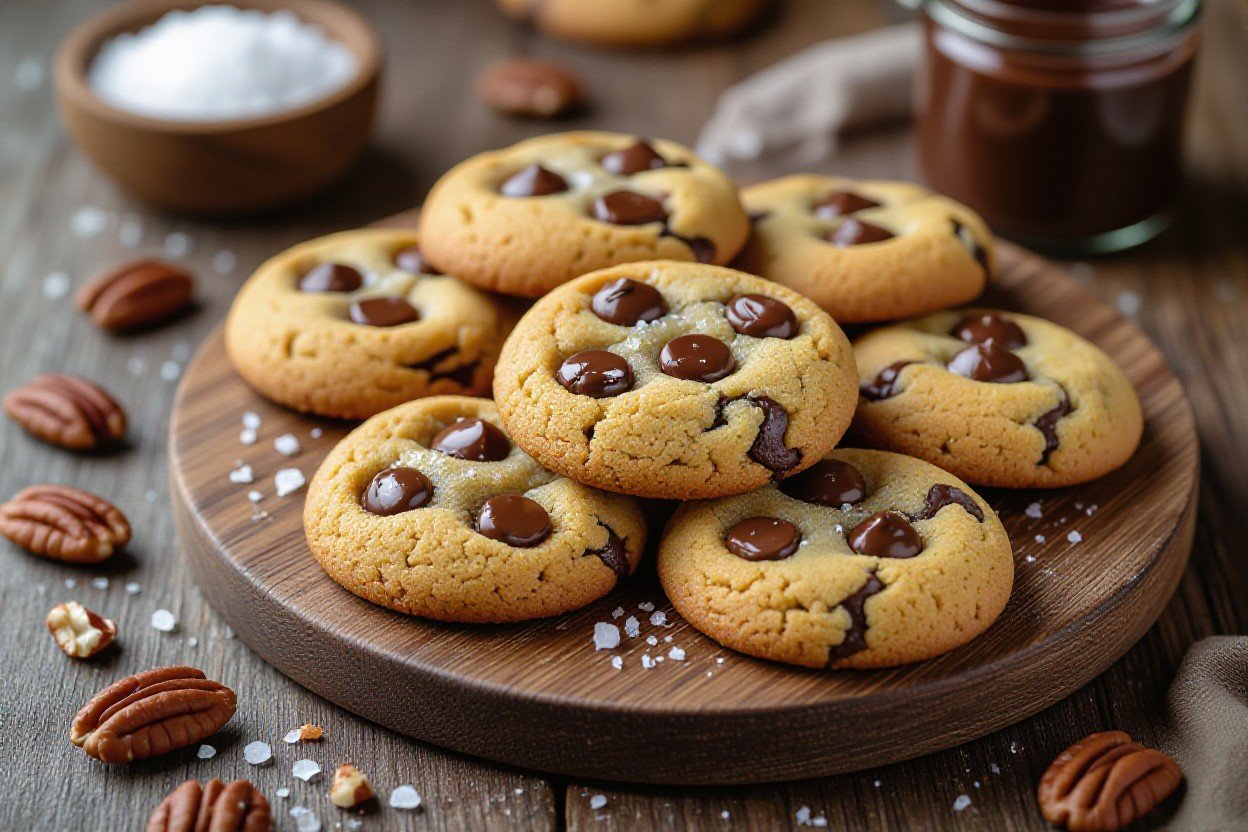
How to Whip Up These Delicious Treats
Step-by-step baking guide
You might be surprised how fast these cookies come together – the whole thing can be done in under 25 minutes, including baking time. You’re basically just managing texture: getting that soft, slightly sticky dough so the almond flour, butter, and sugar-free chocolate all play nicely together instead of turning into a crumbly mess.
Below, you’ve got the process broken into bite-size moves so you can literally follow it line by line without second guessing. If you’ve ever baked regular cookies, you’ll notice just a couple of keto twists, like chilling the dough quickly and pulling the tray out while the centers still look a tiny bit underbaked.
| Step | What you actually do |
|---|---|
| 1. Preheat & prep | Heat your oven to 350°F (175°C), line a baking sheet with parchment, and let your butter sit out until soft enough to press a finger into easily. |
| 2. Cream the base | Beat 1/2 cup softened butter with 1/2 cup granular erythritol or monkfruit blend for 1-2 minutes until lighter in color; add 1 large egg and 1 tsp vanilla, mix just until smooth. |
| 3. Mix dry ingredients | In another bowl, whisk 1 1/2 cups fine almond flour, 2 tbsp coconut flour, 1/2 tsp baking soda, and 1/4 tsp salt so there are no clumps. |
| 4. Bring it together | Stir the dry mix into the wet on low speed until a soft dough forms, then fold in 1/3 to 1/2 cup sugar-free chocolate chips or chopped 85% chocolate. |
| 5. Chill, then scoop | Pop the bowl into the fridge for 10 minutes, then scoop 1 1/2 tbsp mounds, spacing them about 2 inches apart on the tray; lightly flatten each mound with your fingers. |
| 6. Bake & set | Bake 9-11 minutes until edges are golden and centers still look a bit soft; cool on the tray 10 minutes so they firm up before you move them. |
Tips for cookie perfection
What surprises most people is that with keto cookies, you’re actually aiming to pull them out while they still look slightly underdone. If you wait for them to look fully set in the oven, the erythritol firms up as they cool and you end up with hockey pucks instead of soft-baked cookies.
Another thing you’ll notice is how much tiny tweaks change the outcome: 1 extra tablespoon of almond flour can turn a gooey cookie into one that barely spreads, and switching from granular to powdered sweetener can change the texture from grainy to super smooth in one batch.
- Use fine blanched almond flour, not almond meal, so the dough holds together without that gritty, chunky bite.
- Swap half the granular sweetener for powdered if you hate that cooling effect in your mouth; it tones it down a lot.
- Let the dough chill at least 10 minutes so the butter firms up a bit, which helps stop the cookies from spreading too thin.
- Bake one test cookie first if you’re experimenting with new brands of sweetener or flour; it lets you adjust baking time or dough thickness before committing the whole tray.
- After you pull the cookies from the oven, leave them on the hot tray until the bottoms feel set when you nudge them with a spatula.
Because keto ingredients can behave differently from brand to brand, you’ll get your best results by treating the first batch like a mini experiment instead of a final exam. You can note simple things like how much the cookies spread, whether the edges brown by minute 9 or minute 11, and how the sweetness level hits you about 10 minutes after that first bite.
- If your cookies spread too much, add 1-2 extra tablespoons of almond flour to the next batch, or chill the scooped dough balls on the tray for 15 minutes before baking.
- If they barely spread at all, press them flatter before baking and shave 1-2 minutes off the oven time for a softer center.
- If the texture feels dry the next day, store the next batch in an airtight container with a small piece of low-carb tortilla or a slice of apple you’ll toss later to add a bit of moisture.
- If the sweetness tastes perfect hot but too intense when cooled, cut the sweetener by about 20% next time; your taste buds adjust fast when you’re doing keto regularly.
- After a couple of rounds dialing in your oven time and favorite sweetener combo, you’ll basically have a “house cookie” recipe that works on autopilot every single weekend.
My Take on Customizing Your Cookies
Flavor variations to try
If you want your keto cookies to feel less “diet” and more “bakery case”, playing with flavor is where the magic happens. A tiny 1/8 teaspoon of almond extract added to the vanilla suddenly gives you that classic bakery cookie vibe, especially if you’re using blanched almond flour already. You can also swap half the vanilla for caramel or toffee flavoring (sugar-free, of course) and you get this crazy good brown butter cookie taste without changing your macros. And if you’re a dark chocolate person, a pinch (like 1/8 teaspoon) of instant espresso granules mixed into the dry ingredients makes the chocolate taste deeper and more grown-up.
On days you want something cozy, try a cinnamon cookie variation by adding 1 teaspoon ground cinnamon and 1/4 teaspoon nutmeg to the dry mix, then using brown sugar style sweetener instead of regular erythritol. Suddenly you’ve got a snickerdoodle-adjacent chocolate chip cookie that feels very fall-in-a-mug. For a brighter twist, add 1 teaspoon finely grated orange or lemon zest right into the butter and sweetener while you’re creaming them together – the fat grabs onto the citrus oils so you get big flavor in every bite without needing juice or extra carbs.
Add-ins that seriously work wonders
When you’re working with keto dough, the add-ins can completely change the texture, so picking the right ones matters a lot more than in a regular cookie. A big one is chopped nuts: 1/4 to 1/3 cup of toasted pecans, walnuts, or macadamias folded into a 12-cookie batch adds crunch and makes each cookie more satisfying, with basically zero extra net carbs per cookie. Unsweetened shredded coconut is another heavy hitter – just 2 tablespoons in the dough makes the edges toast up differently and you get that slightly chewy, almost candy-bar thing going on.
On the softer side, sugar-free chocolate chips obviously stay, but you can mix chip sizes for better texture: using 2 tablespoons of mini chips plus 2 tablespoons of regular-sized chips spreads the chocolate more evenly so every bite hits. You can also toss in 1 to 2 tablespoons of sugar-free white chocolate chips if you can find a brand with decent ingredients – it changes the whole flavor profile, especially paired with pecans or macadamias. A tiny sprinkle of flaky salt on top, added just before baking, is the finishing move that makes them taste like they came from a fancy cafe, not your low carb kitchen.
What really surprises most people is how small tweaks with add-ins can fix texture issues you might be struggling with: if your cookies feel too soft or fragile, 2 tablespoons of finely chopped nuts or seeds (like sunflower or pumpkin) help the structure hold up without making the cookie taste nutty, while a tablespoon of unsweetened coconut can keep the edges crispier for longer. If your dough feels a bit dry, folding in 1 to 2 tablespoons of sugar-free chocolate chunks or a mix of chips and chopped chocolate helps, because the fat in the chocolate melts and leaves little pockets of moisture once everything cools, so you end up with cookies that stay soft in the center even on day two or three.
How to Store Them (If You Can Resist!)
Best practices for freshness
Most people assume low carb cookies can just sit out on the counter uncovered because, hey, less sugar means less spoilage, right? In reality, keto cookies dry out faster than regular ones since there’s no classic white sugar to hold onto moisture, so if you want that soft, slightly chewy middle on day two and three, you’ve got to treat them right from the start. Once your cookies are fully cooled (no warmth at all on the bottom), stash them in an airtight container with a tight-fitting lid, leaving just a tiny bit of airflow if you live in a really humid climate so they don’t turn weirdly sticky.
For texture, you’ll get the best results keeping them at room temperature for 3 to 4 days, layered between pieces of parchment so they don’t fuse together as the chocolate firms up. If you like them super soft, tuck a small piece of parchment-wrapped low moisture bread or a food-safe silica gel packet in the container to help balance humidity without adding carbs or off flavors. And if one batch disappears in 24 hours… you’ll know your storage method is working a little too well.
Can you freeze them?
People often think keto cookies don’t freeze well because of the almond flour, like they’ll come out crumbly and sad, but they actually freeze like a champ if you set them up correctly. You can freeze them two ways: as baked cookies or as dough balls, and both options keep beautifully for about 2 to 3 months in a good freezer bag with the air pressed out. For baked cookies, spread them in a single layer on a sheet pan, freeze solid for 1 to 2 hours, then transfer to a zip bag or airtight container so they don’t clump together into one mega cookie.
For dough, scoop your portions, flatten them slightly with your fingers (so they bake more evenly from frozen), then freeze on a lined tray before packing them up. When you’re ready to bake, you can go straight from freezer to oven, just add 1 to 3 extra minutes of bake time and keep an eye on the edges for that light golden color. One more tip that makes a big difference: label the bag with the baking temp, time, and date so future-you doesn’t have to guess what mystery dough you’re working with.
If you’re someone who likes a warm cookie on demand, freezing unbaked dough is the way to go because you can literally bake off 2 cookies at 9 pm and walk away without a whole tray staring you down. Baked cookies are better if you meal prep or pack lunches, since you can grab a frozen one in the morning, toss it in your bag, and it’ll be perfectly thawed by the time your afternoon sweet tooth hits. Either way, let frozen cookies sit at room temp for 15 to 20 minutes or give them a quick 5 to 8 second microwave zap to wake up the chocolate chips and bring that freshly-baked vibe right back.

The Real Deal About Nutrition Facts
Calories, carbs, and all that jazz
You know that moment when you hover over the cookie jar trying to do the math in your head, like, “Can I actually fit this into my macros today?” That’s where these keto chocolate chip cookies start to make your life easier. A typical regular cookie might slam you with 20-30 grams of carbs in one shot, while a smartly-formulated keto version usually sits closer to 3-5 grams net carbs, sometimes even less if you’re using almond flour, erythritol, and sugar-free chocolate chips. So instead of blowing half your daily carb allowance on one bite, you get room to actually enjoy dessert without nuking your ketosis.
What really helps is checking where those calories are coming from. You’re trading most of the sugar and refined flour for higher fat and a bit more fiber, which changes how you feel after eating them – no big glucose spike, no crash an hour later. A cookie made with almond flour and butter might land around 120-150 calories, but those calories skew toward fat and protein, which are more satisfying and can help keep you out of the snack-every-30-minutes cycle. You care less about the raw calorie number here and more about how those macros support your low-carb goals without making you feel like you’re on some sad, joyless diet.
Health benefits of going keto
On a practical level, you probably notice the biggest change in your energy and appetite first. When you keep those carbs low and lean into fat, your blood sugar tends to stay more stable, which means fewer afternoon crashes, fewer wild cravings, and that constant “I need a snack” voice finally shuts up a bit. There are studies showing that low-carb and keto approaches can lead to significant weight loss in the first 6-12 months, partly because higher fat and protein keep you fuller for longer, so you’re not constantly raiding your pantry.
For a lot of people, keto’s real magic shows up in markers you don’t see day-to-day: triglycerides dropping, HDL (the “good” cholesterol) nudging up, fasting insulin coming down, and better blood sugar control if you’re dealing with prediabetes or type 2 diabetes. Some research even points to benefits for brain health, like reduced brain fog and better focus, probably because your brain runs pretty happily on ketones once you’re adapted. So when you swap out regular cookies for keto chocolate chip cookies, you’re not just saving carbs, you’re aligning your treats with a way of eating that can support long-term metabolic health instead of quietly working against it.
Beyond the lab numbers and macro charts, you also get lifestyle wins that matter more than people admit: steadier moods because you’re not on a sugar roller coaster all day, better sleep for many folks once evening snacking calms down, and often less joint stiffness or bloating when you ditch the constant high-carb load. You might even find social situations easier to navigate, because when you’ve got satisfying keto-friendly options like these cookies, you’re less likely to feel deprived and cave into the stuff that leaves you feeling gross later.
Summing up
On the whole, have you noticed how a simple cookie can totally change how you feel about sticking to keto long term? When you’ve got a batch of keto chocolate chip cookies in your back pocket, you suddenly feel like you’re not missing out, you’re just choosing differently – and that mental shift is huge for your motivation. You get all the cozy, familiar cookie vibes, but you’re still looking after your blood sugar, your energy, your goals. That balance between comfort food and smart choices is exactly what keeps you consistent.
What really matters is that you now know how to tweak ingredients so your cookies work for you, not against you – swapping flours, picking sweeteners you actually like, playing with textures till they feel just right. You can keep your favorite traditions, share treats with your family, bring a plate to a party, all without feeling like you’ve blown your plan. In the end, your keto chocolate chip cookies stop being a “hack” and just become…your normal, delicious cookie recipe.