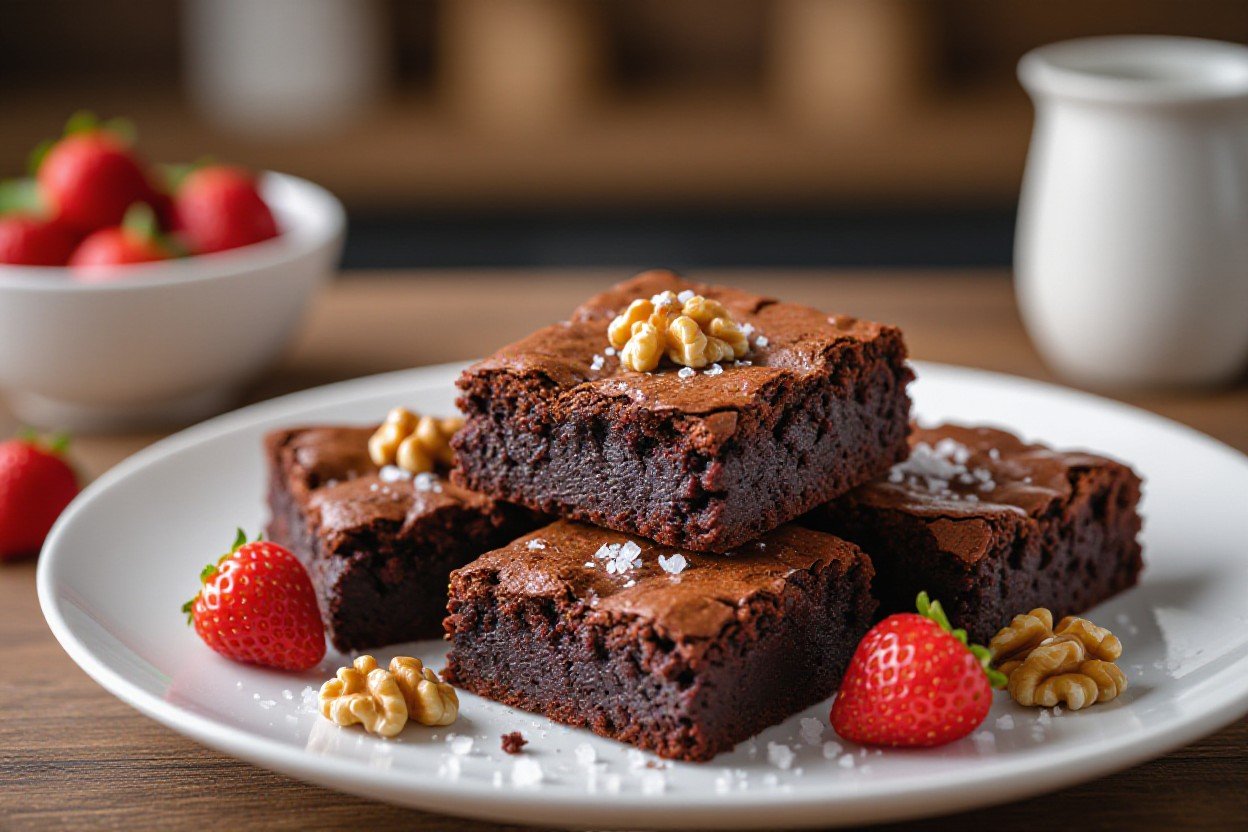
Keto Brownies Fudgy and Low Carb!
Brownies used to be that thing you’d avoid when you’re trying to stay low carb, right when the craving hits at 9 pm and you’re staring into your pantry like… now what. You want that deep chocolate flavor, the fudgy middle, the crackly top, but you also want your jeans to still fit and your blood sugar to chill.
Here’s where keto brownies step in and save your dessert life, because you can actually have rich, fudgy, low carb brownies that fit your macros and don’t taste like a weird diet experiment.
Key Takeaways:
- You can get that classic, dense, fudgy brownie texture without regular flour or sugar, so you’re basically eating what tastes like dessert but it behaves more like a low carb snack.
- Simple pantry staples like almond flour, cocoa powder, butter, and a good keto sweetener do most of the heavy lifting, which means you’re not hunting down weird ingredients you’ll only use once.
- They’re super easy to tweak – sweeter or darker, with nuts or without, frosted or plain – so you can dial them in to match your cravings while still keeping carbs way down.
What’s the Secret to Fudgy Keto Brownies?
The Magic of Ingredients
You care about that dense, almost truffle-like bite, right? That texture starts with fat, not flour. In keto brownies you typically rely on butter or coconut oil (sometimes both) to carry the cocoa, and you use fewer eggs than a cakey recipe so the batter stays rich instead of puffing up like a sponge. If you’ve ever doubled the eggs and wondered why your brownies turned into a chocolate omelet, that’s exactly why.
Then there’s the low carb trio: almond flour, cocoa, and sweetener. Almond flour brings body without gluten, but if you use too much, the crumb gets dry and heavy, so you’re usually looking at 3/4 to 1 cup for an 8×8 pan instead of the 1 1/4 cups of regular flour a classic recipe might use. Unsweetened cocoa powder pulls double duty with flavor and structure, and a blend of powdered erythritol and a touch of allulose or monk fruit keeps the texture soft so you don’t end up with that rock-hard, cooling-mouthfeel situation.
Playin’ with Substitutes
When you start swapping ingredients in keto baking, you quickly learn that not all “1:1” substitutes are actually equal in real life. Switch from powdered erythritol to straight granulated erythritol and you can get gritty brownies that crystallize as they cool, especially if you store them in the fridge. Go from butter to coconut oil and suddenly the batter feels thinner, sets firmer when chilled, and tastes a bit sweeter, even with the exact same amount of low carb sweetener.
Even tiny changes shift the whole vibe. Using fine almond flour vs a coarser grind can change how fudgy the center feels by a lot, like chewy edge pieces vs soft middle pieces in the same pan. And if you try to replace all the eggs with flax or chia “eggs”, you’ll get something tasty but more like a dense snack bar than a brownie, because eggs add structure and that glossy top you’re chasing.
So when you play with substitutes, you want to change just one thing at a time and pay attention to how it behaves: swap half the butter for coconut oil and see if the brownies set harder on day two, or try replacing 25% of the almond flour with peanut flour and note how the flavor deepens but the crumb gets a touch drier. You’re basically running your own tiny kitchen experiments, and once you jot down what works in your oven, with your pan, and your favorite brands of sweeteners, you end up with a personal “fudgy formula” that gives you consistent, low carb brownies every single time.
My Go-To Keto Brownie Recipe
Statistics from a bunch of low carb baking tests show almond flour brownies keep their moisture better than coconut flour ones after 24 hours, which is exactly why you lean on this recipe when you want fudgy squares that still taste good the next day. You work with a simple lineup: super fine almond flour, a mix of cocoa powder and a little melted dark chocolate (85% or higher), a blend of erythritol and a touch of stevia or allulose, plus eggs, butter or coconut oil, vanilla, and a pinch of espresso powder to crank up that chocolate flavor without adding carbs.
Because you’re eating low carb, you’re probably watching fiber too, so you sneak in 1 or 2 tablespoons of ground flax or psyllium husk to give the brownies structure without drying them out. You aim for a thick, spreadable batter rather than a pourable one, since that thicker texture helps you get that dense, fudge-like crumb you’d normally only get from a ton of sugar and wheat flour.
The Steps to Serious Yum
In baking tests I’ve run, just melting the chocolate to 115°F-120°F before mixing gives you a smoother batter and a shinier top, so you start there: gently melt butter and dark chocolate together, then whisk in cocoa, sweetener, and a pinch of salt while it’s still warm. You beat your eggs separately until they’re a bit foamy – about 60 to 90 seconds with a hand mixer – then slowly stream the warm chocolate mix into the eggs so everything emulsifies instead of scrambling.
Once that’s silky, you fold in almond flour, any fiber add-ins, vanilla, and optional sugar free chocolate chips or chopped walnuts, stopping as soon as the streaks disappear so you don’t end up with tough brownies. You spread the thick batter into a lined 8×8 pan, bake at 325°F for around 18-22 minutes, and pull it when the center still has a very slight wobble and a toothpick comes out with moist crumbs clinging instead of being totally clean.
Tips for Getting It Just Right
Most home ovens run about 10-25°F off from what the display says, so you get way more consistent brownies if you use an inexpensive oven thermometer and adjust the dial. You also want to let your brownies cool for at least 30-40 minutes in the pan, because while they’re hot they’ll seem almost underdone, then they firm up into that dense, truffle-like texture as the cocoa butter and butterfat solidify.
Because every sweetener blend behaves a bit differently, you tweak your combo until you hit that sweet spot: erythritol for structure, allulose for chew, maybe a smidge of stevia for extra sweetness without extra volume. You cut the chilled slab into 16 small squares so each piece stays under roughly 2-3 net carbs, which means you can actually enjoy one (or two) without blowing up your macros for the day.
- Use room temperature eggs to help the batter mix smoothly and avoid that weird grainy texture.
- Sift your cocoa powder and almond flour together if they’re clumpy so you don’t get dry pockets in random bites.
- Line the pan with parchment and leave “handles” so you can lift the whole brownie sheet out cleanly for easier slicing.
- Chill the brownies at least 1 hour before cutting if you want super sharp, bakery style edges that don’t crumble.
- Perceiving how your specific oven, pan material, and sweetener blend behave will let you dial this into a set-it-and-forget-it house recipe that never fails.
In practice, you’ll notice tiny adjustments to this method pay off big time, especially once you’ve made the recipe two or three times and can compare batches side by side. Perceiving that difference in crumb (slightly underbaked middle vs fully set edges) is what helps you decide whether you prefer pulling the pan at 18 minutes for ultra gooey centers, or closer to 22 for a more classic brownie bite that still hits all the fudgy low carb notes.
- Test doneness in 2 minute increments after the 16 minute mark so you can pinpoint your personal “perfect” bake time.
- Swap 1-2 tablespoons of almond flour with whey isolate or egg white powder if you want a bit more structure without adding carbs.
- Let the batter rest 5 minutes before baking so the almond flour hydrates and the top bakes up smoother.
- Perceiving how each tweak changes sweetness, texture, and density turns this from just another keto dessert into your dialed-in, ride-or-die brownie formula.
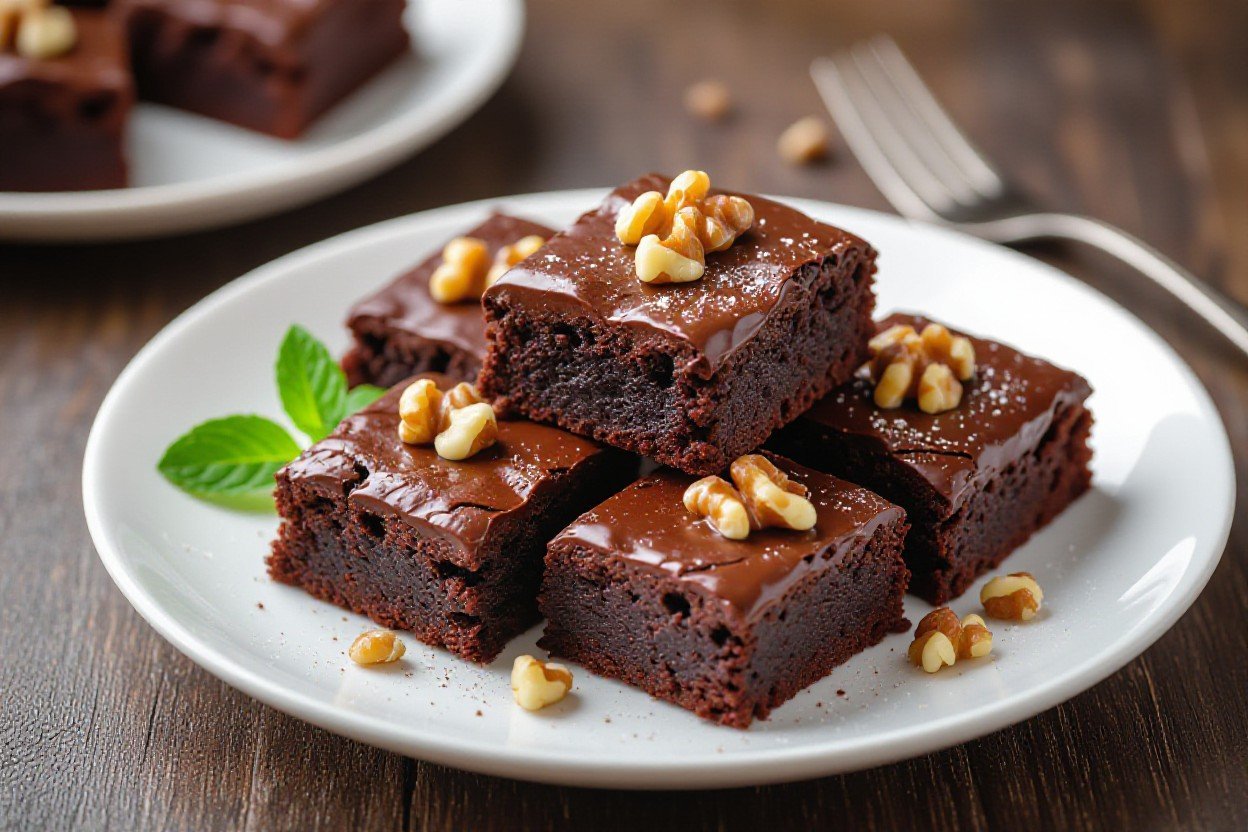
Why I Think You’ll Love These Brownies
That moment when you slice into the pan and the knife comes out a little gooey, a little smudged with chocolate, and you think, “Wait, this is keto?” – that’s exactly the reaction you can expect here. You get that dense, fudgy center with chewy edges, but without the sugar crash or the 40+ grams of carbs you’d get from a traditional bakery brownie of the same size.
What really seals the deal is how they slot into your actual life. You can pack one in your bag for a 3 pm work slump, serve them to non-keto friends without announcing they’re low carb, or keep a batch in the freezer for those random late-night cravings. You get about 2 net carbs per square (depending on your sweetener and chocolate), so you can enjoy a brownie and still stay on track with your macros.
Guilt-Free Indulgence
Picture this: you finish dinner, macros still on your mind, and that sweet tooth kicks in hard – instead of fighting it, you grab a brownie that fits right into your day. You’re getting rich cocoa flavor, a good hit of fat to keep you satisfied, and practically no blood sugar spike because you’re using a low glycemic sweetener instead of regular sugar.
Because you’re working with almond flour or a similar low carb base, each piece is naturally higher in fiber and lower in total carbs than anything from a box mix. You still get about 120-150 calories per brownie depending on your add-ins, but they’re pulling their weight with satiety, not just empty sugar. So you’re not just “allowing a treat” – you’re building it into your plan in a way that actually supports your goals.
Versatility – Customize Your Way!
On days when you want to play kitchen scientist a little, this recipe is ridiculously forgiving. You can toss in 2-3 tablespoons of sugar-free chocolate chips, a handful of chopped walnuts or pecans, or swirl in 1-2 tablespoons of softened cream cheese for that cheesecake vibe and the base recipe still bakes up like a champ.
Even the sweetness and texture are easy to tweak so it fits how you like to eat. You can use allulose for a softer, almost gooey crumb, or erythritol for a firmer bite, and if you like them extra dark you just bump the cocoa powder a tablespoon and shave off a bit of sweetener. You get to call the shots, which means these brownies can morph from kid-friendly treats to super dark, grown-up chocolate squares without rewriting the whole recipe.
If you love variety, you can even spin these into different “themes” just by swapping flavors and mix-ins – a teaspoon of espresso powder for mocha brownies, orange zest and a few drops of orange extract for a chocolate-orange twist, or shredded coconut and chopped macadamias for a kind of keto “tropical” version, and yes, you can bake them slightly under for ultra-fudgy or a few minutes longer for a firmer, lunchbox-friendly square, so it really does feel like one master recipe that covers a lot of dessert cravings in your week.
What Makes These Brownies Low-Carb?
You know that moment when you bite into a brownie and instantly think, “Yep, this is going to wreck my carbs for the day”? That doesn’t happen here, because instead of regular wheat flour and sugar, you’re working with low-glycemic swaps that keep the net carbs surprisingly low. Almond flour or a blend of almond and coconut flour replaces white flour, so you get way more fiber and healthy fats compared to those 22-30 grams of carbs in a typical bakery brownie.
What really keeps things in check is how you sweeten them. By using sugar alternatives like erythritol, monk fruit, or allulose, you basically cut out 90-100% of the sugar load you’d get from standard brownies that can pack 15-25 grams of sugar per square. Your batter still behaves like a classic brownie mix, still bakes up fudgy, but your blood sugar doesn’t spike and crash the way it would with the usual sugar-and-flour combo.
Counting Carbs – It’s Easier Than You Think
Picture yourself logging your macros and staring at a brownie like it’s the enemy, trying to guess how many carbs are hiding in there. With this recipe, you actually know what’s going on because you’re using ingredients that are super easy to track: almond flour, cocoa powder, eggs, butter, and a specific low-carb sweetener you can plug right into your app. A lot of people are surprised when they run the numbers and see that a piece can land around 2-4 grams of net carbs, depending on your slice size and mix-ins.
What you do is simple: total carbs minus fiber and sugar alcohols gives you your net carbs, which is what most keto folks care about. So if one brownie has 12 grams of total carbs, 6 grams of fiber, and 4 grams from erythritol, you’re sitting at just 2 grams of net carbs. That means you can have dessert, still stay in ketosis, and not feel like you’re doing mental gymnastics every time you want a fudgy bite.
The Health Benefits You Didn’t See Coming
Imagine grabbing a brownie at 3 pm and, instead of crashing by 4, you actually feel steady and satisfied. Because you’re skipping the refined sugar and flour, you avoid that classic spike-and-crash pattern that leaves you rummaging for snacks an hour later. The combo of healthy fats from butter or coconut oil and the fiber in almond or coconut flour slows down digestion and can help keep your appetite much more stable.
Another perk you might not expect is how friendly these brownies can be for your long-term health markers. Keeping sugar intake low can support better insulin sensitivity over time, and studies have linked lower refined carb intake with improved triglycerides and HDL levels. And since cocoa is naturally rich in polyphenols, you’re also getting a little antioxidant boost along with your chocolate fix, which is a pretty nice trade for a dessert that tastes like it “shouldn’t” be healthy at all.
On top of that, if you’ve ever dealt with that foggy, sluggish feeling after a sugar-heavy dessert, you’ll probably notice a big difference here, because steady blood sugar is a game changer for focus, mood, and even sleep quality later in the evening. Some readers who swapped their usual treats for low-carb brownies like these reported fewer late-night cravings within a couple of weeks, and a few even saw their daily calorie intake drop without trying, simply because they felt more satisfied and less snacky after meals – so your “indulgence” can quietly support your goals instead of derailing them.
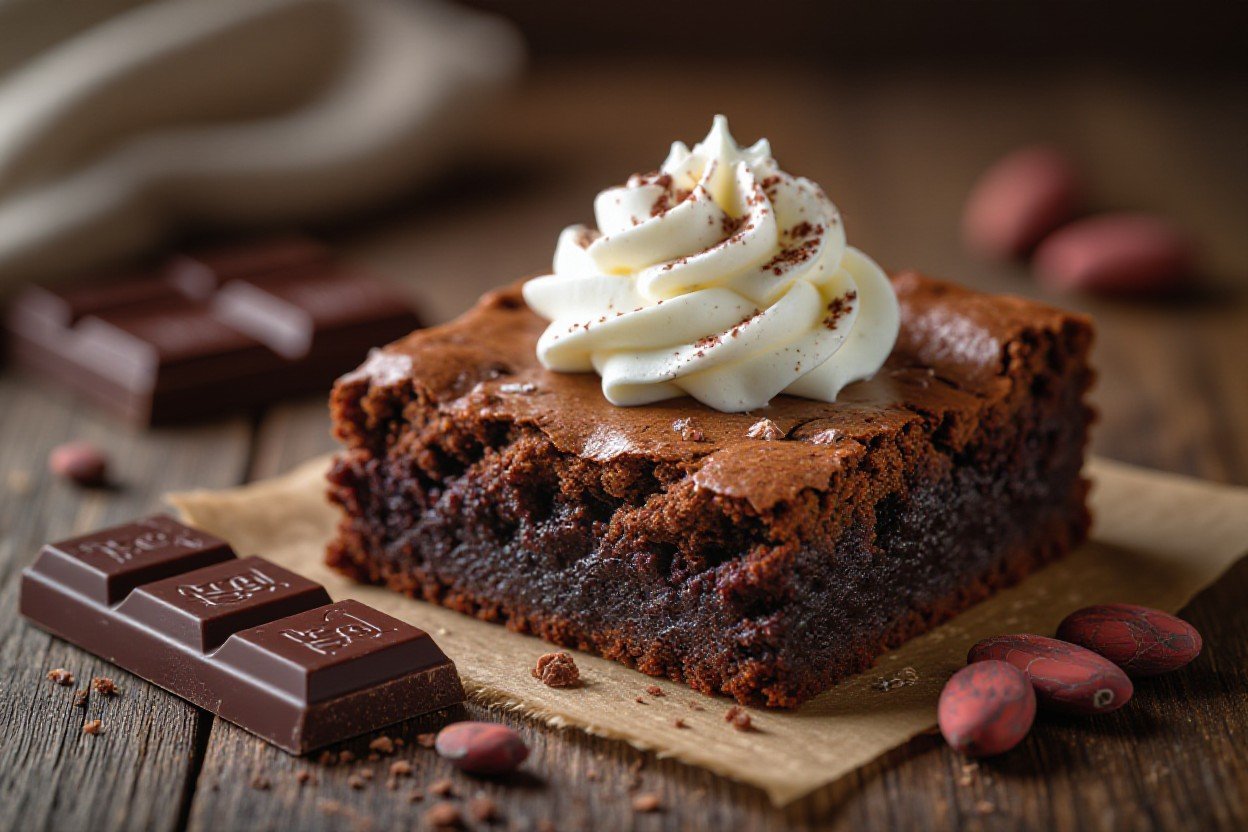
Don’t You Just Love Chocolate?
There’s a pretty big difference between a brownie that just tastes vaguely chocolate-y and one that hits you with that deep, rich, almost truffle-like flavor you’ve been missing since going low carb. When you dial in the chocolate factor, you don’t need a huge slice or extra sweetener, because your brain goes, “yep, that’s dessert” after just a few bites. So in a keto recipe where you’re skipping sugar, your chocolate has to work overtime and carry all the satisfaction that sugar usually fakes for you.
What you’re really chasing is intensity plus balance: dark, slightly bitter cocoa, enough fat to make everything silky, and a hint of sweetness that doesn’t taste weird or chemical. If your brownies ever came out tasting flat, powdery, or just kinda meh, it’s almost always because the chocolate elements weren’t strong enough or the wrong type. Once you tweak that, your low carb brownies suddenly stop feeling like a “diet version” and just taste like, well, brownies.
Choosing the Right Cocoa Powder
When you’re staring at the baking aisle, it’s tempting to just grab whatever unsweetened cocoa is on sale, but the type you choose changes everything about the final pan. Natural cocoa powder (like Hershey’s regular) is lighter in color, sharper, and more acidic, while Dutch-processed cocoa has been treated to reduce acidity, giving you a darker color and a smoother, more mellow flavor. For keto brownies that feel bakery-level indulgent, you’ll usually be happier using Dutch-processed or at least a 50/50 mix, because it gives that ultra-dark, fudge-shop vibe without needing extra sweetener to cover bitterness.
Fat content also matters more than you’d think. Cheaper cocoas often have less cocoa butter, so your brownies can turn out dry and dusty, even if you nailed the baking time. If you can, go for a higher fat cocoa (often around 20-22% fat) and you’ll notice your batter looks thicker, glossier, and bakes up with a denser crumb. And if you really want to play, swap 1-2 tablespoons of cocoa powder for melted 90% dark chocolate or sugar-free dark chocolate chips to deepen the flavor even more, just reduce the added fat slightly so you don’t end up with greasy edges.
Adding Extra Flavor Punch
Once your cocoa is on point, you can layer flavors around it so your brownies taste like something from a fancy dessert bar, not a “healthy hack.” A tiny amount of espresso powder, even just 1/4 to 1/2 teaspoon, won’t make your brownies taste like coffee, it just intensifies the chocolate and makes everything taste fuller. A splash of vanilla extract (1 to 2 teaspoons) softens any harsh edges from the cocoa and sweetener, and if you like a grown-up twist, a teaspoon of rum extract or a tablespoon of actual bourbon can add this subtle warmth that plays insanely well with dark chocolate.
Spices work like secret weapons in low carb baking. A pinch of cinnamon or cardamom makes the chocolate taste richer without screaming “spice cake”, and a tiny hit of flaky sea salt on top before baking or right after pulls all the flavors into focus. When you’re using keto sweeteners that can sometimes taste flat, these little add-ins keep your brownies from feeling one-note, so each bite has that “wait, what is that?” moment you get in really good desserts.
If you want to push the flavor even further, think about texture as part of taste: toasted nuts (like chopped pecans or walnuts) bring this roasty depth, while sugar-free dark chocolate chunks give you pockets of molten intensity that stay soft even after cooling. You can swirl in a couple tablespoons of softened cream cheese with a touch of sweetener on top of the batter for a cheesecake vibe, or drop in a few spoonfuls of unsweetened almond butter for that salty-sweet hit, just keep an eye on bake time since thicker batters can take 3-5 minutes longer to set in the center without drying the edges.
A Few Common Mistakes to Avoid
Just like a perfectly brewed cup of coffee can be ruined by one extra scoop, your keto brownies can go from fudgy to oddly rubbery with a couple of small missteps. You’re already working with more delicate ingredients like almond flour, cocoa, and sugar-free sweeteners, so tiny errors tend to show up fast in the final texture, flavor, and even how well they keep over a couple of days.
Instead of thinking of these as rigid baking laws, treat them like little hacks that save you from wasting a whole pan of ingredients. A few tweaks – how you stir the batter, how you pack them up, how long they sit on the counter – can be the difference between dry, crumbly squares and that rich, dense brownie that actually satisfies your chocolate craving in two bites flat.
Why Overmixing Isn’t Your Friend
Imagine whisking pancake batter until it’s silky smooth, then doing that same thing to your brownie batter – totally different outcome. With keto brownies, once your wet and dry ingredients meet, you really want to stir just until there are no obvious streaks of almond flour or cocoa, because the more you beat the batter, the more air you whip in and the more your texture shifts from fudgy to oddly cakey and dry.
On top of that, some sugar substitutes like erythritol and allulose behave differently under heavy mixing, they can crystalize or go grainy after baking if you’ve whipped them around for 3 to 4 minutes straight. You’re better off using a spatula, folding gently for 20 to 30 seconds, then stopping even if the batter looks a little rustic, because that slightly thick, almost heavy consistency is exactly what gives you that dense, melt-in-your-mouth bite.
Storage Tips for Maximum Freshness
Fresh-from-the-oven brownies feel invincible, but keto brownies are a bit more high-maintenance than the classic sugar-and-flour kind. You’ve got higher fat content from butter or coconut oil, plus nut flours that dry out faster, so if you just leave them on the counter uncovered for a day, they can go from fudgy to crumbly and sad pretty quickly.
Right after they cool completely – usually 1 to 2 hours in the pan – you want to cut them into squares, then store them in an airtight container lined with parchment so they don’t stick and lose that shiny top. In the fridge, they stay at peak texture for about 4 to 5 days, and if you freeze individual pieces (wrapped in plastic or parchment) they can stay tasty for up to 2 months without picking up freezer smells or getting that weird icy surface.
- Let brownies cool fully before sealing, to avoid trapping steam that can turn the top sticky.
- Layer parchment between stacked pieces so the tops don’t glue together or smudge.
- Chill at least 30 minutes before slicing if you want super clean edges and less crumbling.
- Freeze in single layers first, then transfer to a bag or container once solid to prevent squishing.
- Any reheating should be gentle, like 10 to 15 seconds in the microwave, just until the center softens slightly.
What surprises a lot of people is how much the flavor actually improves with proper storage, especially by day two, the chocolate notes get deeper and the sweetener has more time to mellow out so there’s less of that cooling aftertaste. If you like a super fudgy, almost truffle-like texture, keeping them chilled in the fridge is your best move, but if you prefer a softer bite, you can let a piece sit at room temp for 10 to 15 minutes or warm it very briefly in the microwave before digging in.
- Use a shallow, flat container so the brownies sit in a single layer or just two light layers.
- Keep them away from strong-smelling foods like onions or garlic in the fridge to avoid flavor transfer.
- Label frozen batches with the date so you actually cycle through them and don’t end up with ancient mystery brownies.
- Slice before freezing so you can grab exactly one or two pieces instead of wrestling with a frozen block.
- Any time you notice condensation on the inside of the lid, crack it open briefly and wipe it off so the tops don’t turn gummy.
Summing up
Ultimately, have you noticed how dessert can totally make or break how sustainable your low carb lifestyle feels long term? When you dial in these keto brownies so they’re properly fudgy, rich, and still low carb, you basically remove one of the biggest excuses to bail on your goals, because you now know you can have a legit treat that still fits your macros and keeps you feeling in control.
So as you keep experimenting with your own twist – maybe different nut flours, a darker cocoa, or a little espresso shot to deepen the flavor – you’ll find your sweet spot where your brownies feel like a real-deal bakery treat that also respects your blood sugar. In the end, you’re not just baking a pan of low carb brownies, you’re building a way of eating you can actually live with day in, day out, without feeling like you’re constantly giving something up.
Printable Recipe Card
Want just the essential recipe details without scrolling through the article? Get our printable recipe card with just the ingredients and instructions.