Lemon Tahini Dressing That Makes Boring Salads Beg for Mercy
Picture this: you drizzle a creamy, tangy sauce over roasted veggies and suddenly everyone thinks you’re “that” person who knows food. Spoiler: it took five minutes and one bowl. Lemon Tahini Dressing is the flex—bright, nutty, and silky without cream or mayo.
It tastes expensive, behaves like a pro, and turns leftovers into a “did you order this?” moment. If you want more flavor with fewer ingredients and zero stress, you just found your new house dressing.
The Secret Behind This Recipe
Tahini isn’t just sesame paste; it’s a flavor amplifier. When it meets lemon juice, the acidity wakes up tahini’s nutty depth and creates a natural creaminess.
Add water and it magically emulsifies into a pourable sauce that clings to food like a champion. The tiny details matter: fresh lemon juice for bite, just enough water for flow, and a punch of garlic to keep it bold. The real trick is balance.
Tahini can be bitter, so a touch of sweet—maple or honey—smooths the edges. Salt pulls everything into focus. And a splash of good olive oil gives it that glossy finish you see on restaurant plates.
Simple math, elite results.
What You’ll Need (Ingredients)
- 1/2 cup tahini (stirred well; look for smooth, pourable brands)
- 1/3 cup fresh lemon juice (about 2 lemons)
- 1–2 cloves garlic, finely grated or pressed
- 2–4 tablespoons cold water, more as needed for consistency
- 1–2 tablespoons extra-virgin olive oil (optional but recommended)
- 1–2 teaspoons maple syrup or honey (to taste)
- 3/4–1 teaspoon kosher salt, plus more to taste
- 1/4 teaspoon black pepper
- Optional add-ins: 1 teaspoon Dijon mustard, pinch of cumin, pinch of smoked paprika, zest of 1 lemon, chopped fresh parsley or dill
Instructions
- Whisk the base: In a medium bowl, combine tahini, lemon juice, garlic, salt, and pepper. It may seize and thicken—good sign.
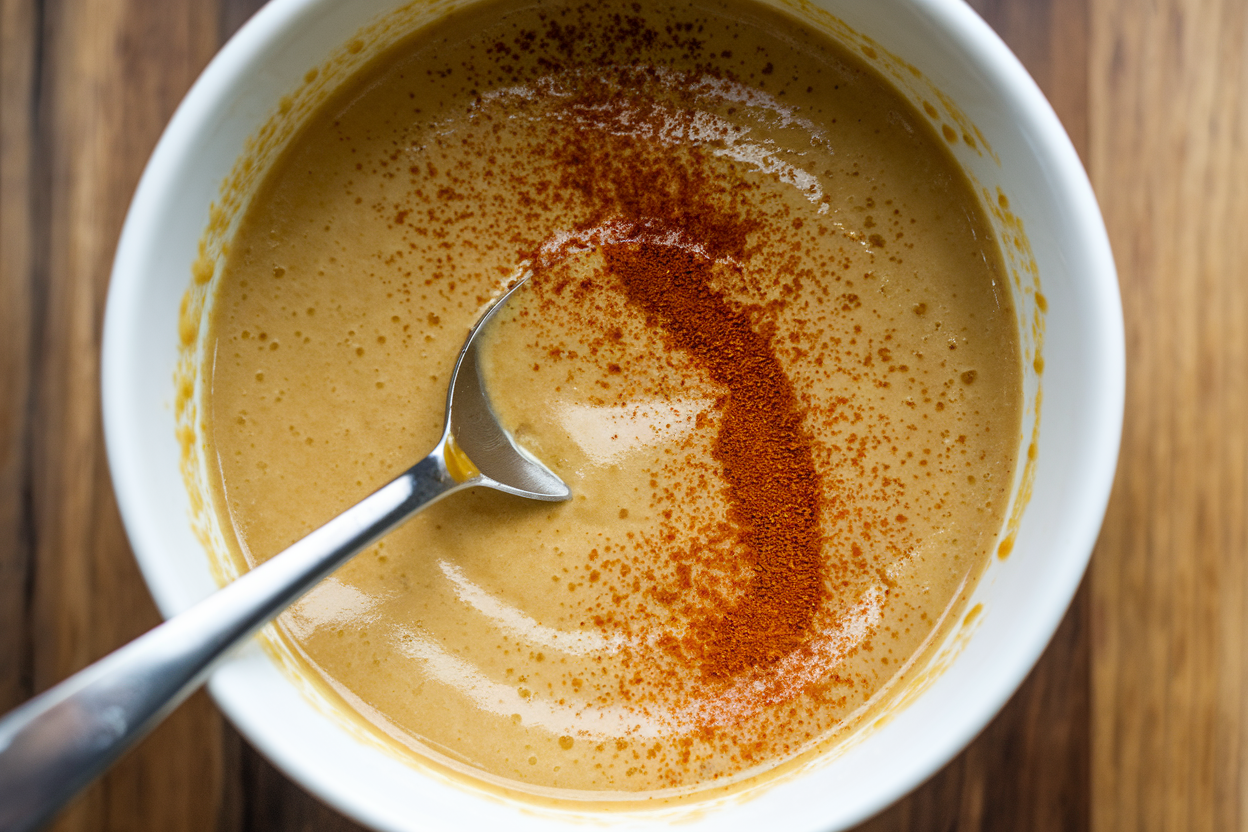
- Loosen it up: Add cold water 1 tablespoon at a time, whisking until it becomes smooth and creamy. Aim for a pourable, yogurt-like consistency.
- Round the flavor: Whisk in olive oil and maple syrup/honey.
Taste and adjust salt, lemon, or sweetness until it pops.
- Customize (optional): Add Dijon for tangy depth, cumin for warmth, or lemon zest for extra brightness. Herbs at the end for freshness.
- Serve or store: If it thickens while resting, whisk in a splash of water before using.
Preservation Guide
- Refrigeration: Store in an airtight jar up to 7–10 days. It may thicken—just add water and shake.
- Separation is normal: Shake or whisk before each use.
The emulsion re-forms quickly.
- Freezing: Not ideal; texture can turn grainy. If you must, freeze flat in a bag for up to 1 month and reblend with water and lemon.
- Freshness cues: Any sour or off aroma? Discoloration?
Time to let it go.
Health Benefits
- Healthy fats: Tahini and olive oil provide monounsaturated and polyunsaturated fats that support heart health and satiety.
- Micronutrients: Sesame seeds deliver calcium, magnesium, copper, and B vitamins. Lemon adds vitamin C—hello, immune support.
- Protein and fiber: Tahini brings plant protein and a bit of fiber, making salads and bowls more filling.
- Anti-inflammatory perks: Garlic and olive oil contain compounds associated with anti-inflammatory benefits. IMO, small choices compound.
- Low dairy, big creaminess: It’s naturally dairy-free yet creamy, great for those avoiding lactose.
Don’t Make These Errors
- Using old, bitter tahini: If it tastes harsh off the spoon, your dressing will too.
Choose a fresh, smooth brand.
- Skipping the water step: Water isn’t a filler—it unlocks creaminess. Add gradually until it pours.
- Overdoing garlic: Raw garlic grows stronger as it sits. Start with less; you can always add more.
- Flat seasoning: If it tastes “meh,” it needs salt or acid.
A pinch of salt or an extra squeeze of lemon usually fixes everything.
- One-note sweetness: Don’t turn it into dessert. The sweetener is there to balance, not dominate.
- Using bottled lemon juice: Fresh juice is non-negotiable for brightness. FYI, that shelf-stable stuff dulls the flavor.
Different Ways to Make This
- Green Goddess Tahini: Blend in parsley, dill, and chives with a little extra lemon.
Incredible on salmon or quinoa bowls.
- Smoky Paprika Version: Add 1/2 teaspoon smoked paprika and a pinch of cayenne. Perfect for roasted sweet potatoes.
- Miso-Lemon Tahini: Whisk in 1 teaspoon white miso for umami depth. Great with cabbage slaws.
- Turmeric-Ginger: Add 1/4 teaspoon ground turmeric and 1 teaspoon grated ginger.
Bright color, anti-inflammatory vibe.
- Yogurt-Tahini Blend: Swap half the tahini for Greek yogurt for a tangier, higher-protein dressing.
- Za’atar Twist: Stir in 1 teaspoon za’atar and finish with lemon zest. Big Middle Eastern energy.
FAQ
Why did my tahini seize and get thick when I added lemon?
That’s normal. Acid tightens tahini at first; gradual water additions loosen it into a creamy emulsion.
Keep whisking and adding water a tablespoon at a time.
Can I make it without oil?
Yes. Omit the olive oil and thin with water. It’ll be slightly less glossy but still creamy and delicious.
What if my dressing tastes bitter?
Use fresher tahini, add a pinch more salt, and balance with a little sweetener and extra lemon.
Sometimes a splash of olive oil softens harsh edges.
Is it safe for vegans and gluten-free diets?
Totally vegan as written (use maple instead of honey) and naturally gluten-free. Just check your tahini brand for cross-contamination if needed.
How thick should it be?
Aim for pourable but not runny—think thin yogurt. For dip, use less water; for salad, add more until it lightly coats a spoon.
Can I use garlic powder instead of fresh?
Yes.
Start with 1/4 teaspoon garlic powder and adjust. The flavor is softer and more uniform than fresh garlic.
What’s the best way to use Lemon Tahini Dressing?
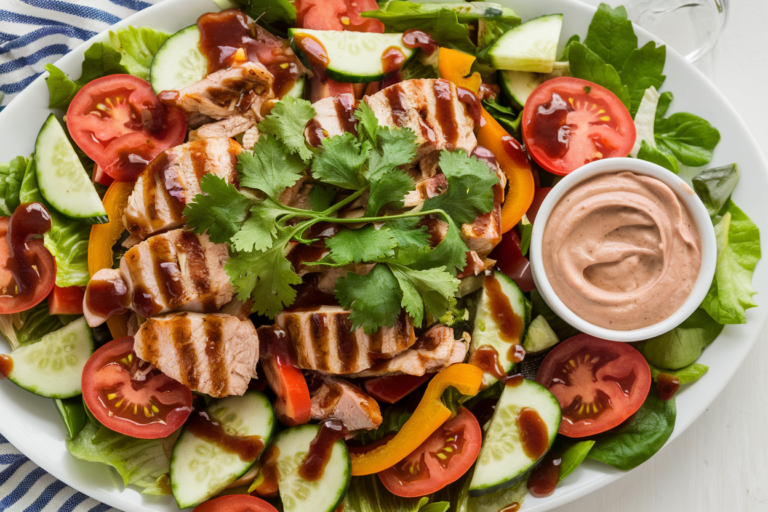
Drizzle on grain bowls, roasted vegetables, falafel, chopped salads, grilled chicken, or as a pita spread. It’s also excellent on a simple cucumber-tomato salad.
How do I fix a dressing that’s too thin?
Whisk in a spoonful more tahini and a pinch of salt, then adjust lemon and sweetener as needed.
Can I make it in a blender?
Yes, especially if adding herbs or ginger.
Blend everything except water, then stream in cold water until it hits your desired texture.
How long before serving should I make it?
You can serve immediately, but 15–30 minutes of rest mellows the garlic and melds flavors. If it thickens, whisk in water before serving.
My Take
Lemon Tahini Dressing is the cheat code for flavor ROI. It’s five ingredients, ten minutes, and suddenly everything on your plate tastes curated.
I keep a jar in the fridge because it rescues sad produce, rescues boring proteins, and frankly rescues me on weeknights. The best version is the one you tweak repeatedly—more lemon on Mondays, miso on Wednesdays, herbs on Fridays. Make it once, and you’ll wonder why store-bought even exists.
Printable Recipe Card
Want just the essential recipe details without scrolling through the article? Get our printable recipe card with just the ingredients and instructions.