Party Mini Sliders Trio Appetizer
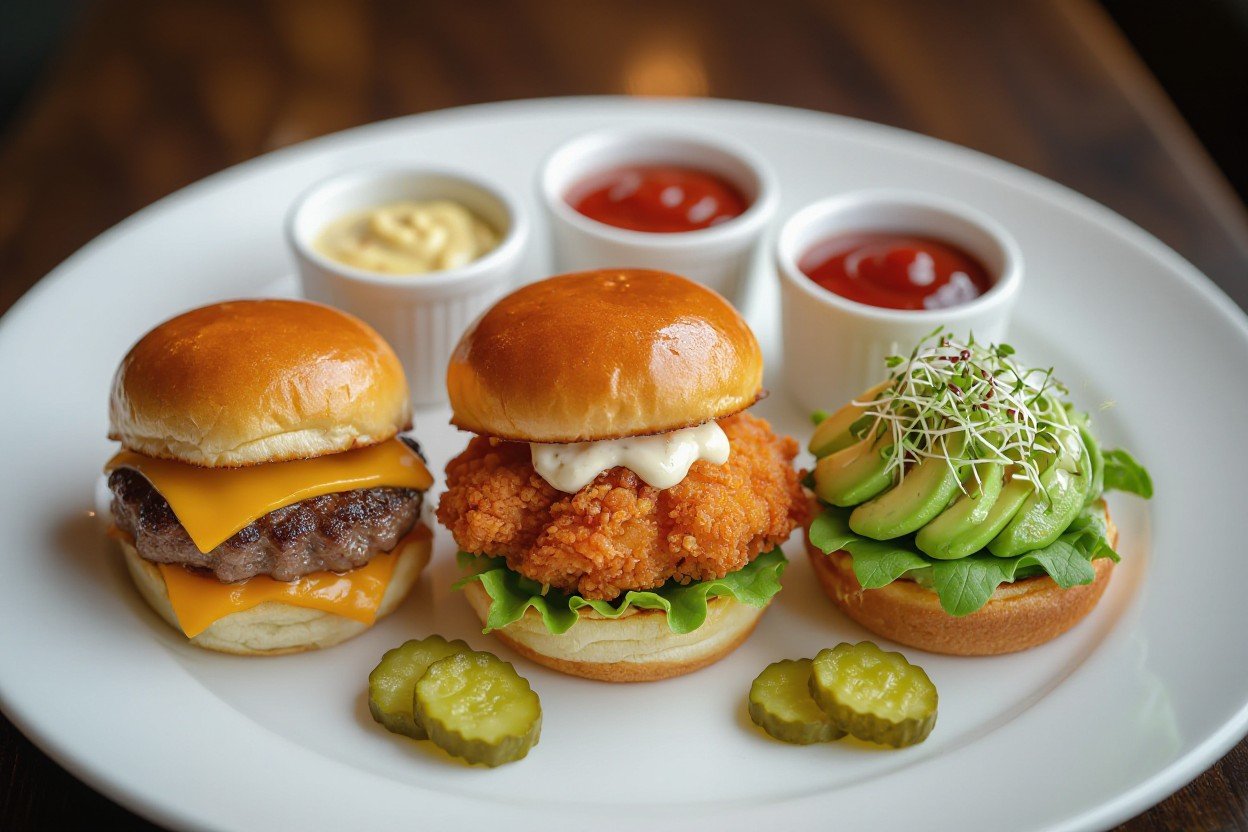
You can elevate your next gathering with a Party Mini Sliders Trio Appetizer that offers three distinct flavor profiles in one impressive spread. These bite-sized sandwiches combine classic beef, savory pulled pork, and zesty chicken variations to satisfy every guest’s preferences. Your party planning becomes effortless when you prepare these versatile sliders that work perfectly for game days, birthday celebrations, or casual get-togethers. With simple ingredients and straightforward assembly, you’ll create a crowd-pleasing appetizer that looks professionally crafted while requiring minimal kitchen expertise.
Key Takeaways:
- The Party Mini Sliders Trio Appetizer offers three different flavor varieties in one serving, providing guests with diverse taste options and making it an ideal choice for entertaining groups with different preferences.
- These bite-sized sliders are perfectly portioned for appetizer servings, allowing guests to sample multiple flavors without filling up before the main course, while also making them easy to eat while mingling.
- The trio format simplifies party planning by combining multiple appetizer options into one dish, reducing preparation time and ensuring a visually appealing presentation that works well for both casual gatherings and more formal events.
Ingredients
The foundation of exceptional party sliders lies in selecting high-quality ingredients that complement each other while offering distinct flavor profiles across your trio. You’ll need approximately 24 slider buns (Hawaiian sweet rolls work beautifully), which allows for 8 sliders per variety. Plan for about 2 pounds of protein total, distributed across your three chosen varieties, ensuring each guest can sample all three types. Fresh vegetables, quality cheeses, and a well-curated selection of condiments will elevate your sliders from simple appetizers to memorable party fare.
Your shopping list should include basics like butter for toasting the buns, various cheeses that melt well, and fresh produce such as lettuce, tomatoes, pickles, and onions. Don’t overlook the importance of having proper slider-sized portions – cutting regular burger patties or chicken breasts into 2-ounce portions ensures the perfect bread-to-filling ratio. Stock your pantry with multiple sauce options, as these will define each slider’s personality and keep your guests coming back for more.
Choosing the Right Proteins
Ground beef with an 80/20 fat ratio delivers the juiciest results for classic burger sliders, while ground turkey or chicken at 93/7 provides a leaner alternative without sacrificing moisture when properly seasoned. Pulled pork requires a 3-4 pound Boston butt that you’ll slow-cook for 6-8 hours, yielding enough meat for approximately 16-20 sliders after shredding. For seafood options, jumbo lump crab meat forms the base of premium crab cake sliders, though you can substitute with quality imitation crab mixed with real crab to manage costs while maintaining flavor.
Grilled chicken breast works wonderfully when pounded to even thickness and marinated for at least 2 hours before cooking, preventing the dry texture that often plagues poultry sliders. Bacon-wrapped mini meatloaves offer a show-stopping option that you can prepare ahead and slice into perfect portions. If you’re aiming for variety, consider pairing one red meat option with one poultry choice and one seafood or vegetarian protein like black bean patties or portobello mushrooms, which you can marinate in balsamic vinegar and garlic for robust flavor.
Essential Condiments and Toppings
Your condiment station should feature at least five different sauces to accommodate the three slider varieties and various taste preferences. Classic options include mayonnaise, yellow mustard, and ketchup, but you’ll want to include specialty sauces like chipotle aioli, honey mustard, or sriracha mayo to add sophistication. For cheese selections, sharp cheddar melts beautifully on beef sliders, while pepper jack adds a spicy kick, and Swiss cheese pairs perfectly with mushrooms or caramelized onions. Provolone and American cheese offer milder options that appeal to traditionalists.
Fresh toppings make the difference between ordinary and extraordinary sliders. Thinly sliced red onions, either raw or quick-pickled in apple cider vinegar for 30 minutes, add sharpness without overwhelming the palate. Butter lettuce provides a tender crunch that won’t overpower small bites, while Roma tomatoes sliced to 1/4-inch thickness maintain structural integrity better than beefsteak varieties. Pickle chips, both dill and bread-and-butter styles, give guests options for tangy or sweet flavor notes.
Beyond the basics, consider offering caramelized onions that you’ve cooked low and slow for 45 minutes until golden and sweet, crispy bacon strips cut in half to fit slider proportions, and sliced avocado or guacamole for a creamy element. Coleslaw serves double duty as both a topping and side dish, adding crunch and acidity that cuts through rich meats. Fresh jalapeño slices, roasted red peppers, and sautéed mushrooms round out your topping bar, allowing guests to customize their sliders according to their preferences while you maintain control over the core flavor profiles of each variety.
Preparation Steps
Getting your sliders ready requires a systematic approach that starts about two hours before your guests arrive. You’ll want to bring your ground beef to room temperature for at least 30 minutes before forming the patties, as this ensures even cooking throughout. Shape each patty to approximately 2 ounces, which translates to roughly 8 sliders per pound of meat. Press a small dimple in the center of each patty with your thumb—this prevents the annoying bulging that happens when proteins contract during cooking. Season generously with salt and pepper just before they hit the heat, never earlier, as salt draws out moisture and can make your sliders dry.
Your workspace setup makes all the difference in execution speed during assembly. Arrange your ingredients in stations: proteins on one side, condiments and toppings in the middle, and buns on the other. This assembly-line method allows you to build 12 sliders in under five minutes once everything is cooked. Toast your buns face-down on a dry skillet for 45-60 seconds until golden brown—this creates a barrier that prevents soggy bottoms when you add sauces. If you’re preparing these ahead of time, you can cook the proteins up to 4 hours in advance and reheat them in a 300°F oven for 8-10 minutes before serving.
Meat Preparation Techniques
Your beef patties need a two-zone cooking method to achieve that perfect crust while maintaining juiciness inside. Heat your cast-iron skillet or griddle to medium-high heat—around 375°F if you’re using a thermometer—and add just a thin film of oil. Place your patties without crowding (work in batches if necessary) and resist the urge to press down with your spatula. Cook for 2 minutes on the first side without moving them, then flip once and cook for another 1.5 to 2 minutes for medium doneness. Add cheese during the last 30 seconds and cover with a dome or lid to help it melt evenly.
For pulled pork sliders, you’ll achieve the best texture by shredding the meat while it’s still warm, pulling along the natural grain lines. Mix in your barbecue sauce at a ratio of about 1/4 cup per pound of meat—too much sauce makes them messy and masks the pork flavor. Chicken breast for sliders performs best when you pound them to an even 1/2-inch thickness before cooking, which takes just 3-4 minutes per side in a preheated pan. Let all your proteins rest for 3-5 minutes after cooking; this allows the juices to redistribute, and you’ll notice significantly less liquid running onto your buns during assembly.
Bun and Assembly Guidelines
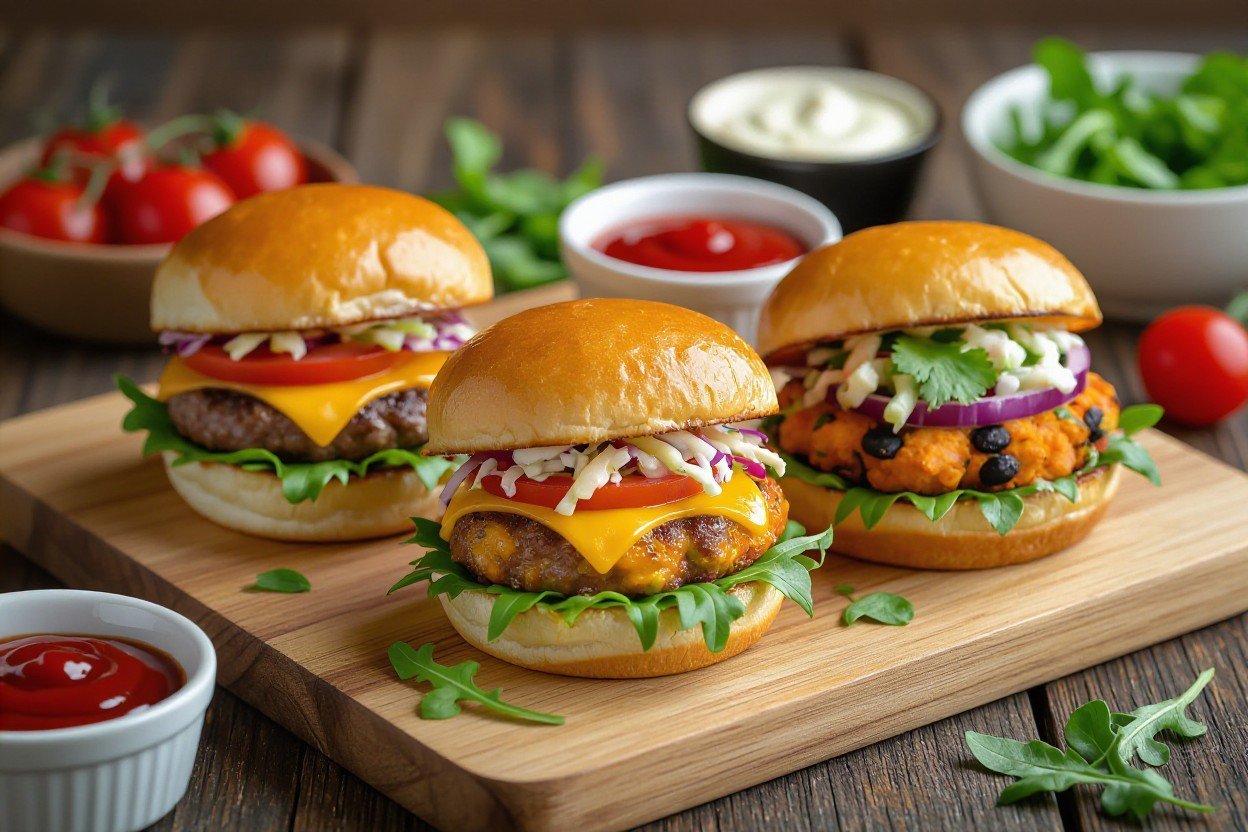
Your choice of bun size directly impacts the eating experience—look for Hawaiian rolls or slider buns that measure 2 to 2.5 inches in diameter. These proportions create the ideal bread-to-filling ratio that lets you taste every component in each bite. Slice your buns horizontally while they’re still connected if you’re using a pull-apart style, which speeds up both toasting and assembly. Spread your condiments on the bottom bun first—mayonnaise, mustard, or special sauces—as this creates a moisture barrier between the bread and your protein. Layer your toppings in order of sturdiness: lettuce or pickles go directly on the sauce, followed by your protein, then cheese, tomatoes, and finally onions if you’re using them.
The stacking order matters more than you might think for structural integrity. Wet ingredients like tomatoes should never touch the top bun directly, as they’ll make it soggy within 10 minutes. Place a leaf of lettuce between any juicy vegetables and the top bun as insurance. For sliders you’re serving immediately, you can be more liberal with sauces and juicy toppings. If your sliders need to sit for 20-30 minutes before serving, hold back on tomatoes entirely and keep extra sauce on the side for guests to add themselves.
You can pre-assemble sliders up to 2 hours ahead if you store them properly. Wrap each trio tightly in plastic wrap and refrigerate them until 15 minutes
Cooking Methods
The way you cook your mini sliders directly impacts their texture, flavor profile, and overall appeal to your guests. Each cooking method brings distinct advantages that can transform your trio of sliders from good to exceptional. Your choice depends on factors like available equipment, time constraints, desired char level, and the specific proteins you’re working with. Beef patties benefit from high-heat searing that creates a caramelized crust, while chicken and turkey sliders require gentler heat to maintain moisture without drying out the leaner meat.
Temperature control becomes your most valuable tool across all cooking methods. Ground beef reaches safe consumption at 160°F internal temperature, though many prefer pulling sliders at 155°F for medium doneness, allowing carryover cooking to finish the job. Chicken and turkey sliders must hit 165°F without exception. Using an instant-read thermometer eliminates guesswork and prevents the common party host mistake of overcooking proteins in an abundance of caution, which leaves guests with dry, disappointing bites.
Grilling vs. Baking
Grilling delivers that unmistakable smoky char and distinctive grill marks that elevate your sliders’ visual appeal and taste complexity. Direct heat from gas or charcoal grills creates a Maillard reaction on the meat’s surface, producing hundreds of flavor compounds that you simply cannot replicate indoors. For mini slider patties measuring 2-3 inches in diameter, you’ll need approximately 2-3 minutes per side over medium-high heat (around 375-400°F). The smaller size works in your favor here—these patties cook quickly and evenly, reducing the risk of a charred exterior with a raw center. Grilling also allows you to cook all three protein types simultaneously using zone cooking, placing fattier beef patties over direct heat while positioning leaner chicken sliders over indirect zones.
Baking offers unmatched convenience when preparing sliders for larger gatherings, letting you cook 12-18 patties simultaneously on sheet pans. Preheat your oven to 400°F and arrange patties on parchment-lined baking sheets, leaving an inch of space between each for even heat circulation. Beef sliders typically need 8-10 minutes, while chicken and turkey require 12-15 minutes depending on thickness. The controlled, surrounding heat of an oven produces consistently cooked patties without requiring constant attention or flipping. You can even toast your slider buns on a separate rack during the final 2 minutes of cooking. While baked sliders lack the charred exterior of their grilled counterparts, brushing patties with a thin layer of oil before baking promotes browning and prevents sticking.
Alternative Cooking Techniques
Cast iron skillets bridge the gap between outdoor grilling and conventional baking, giving you restaurant-quality searing right on your stovetop. Heat your cast iron over medium-high until a drop of water sizzles and evaporates within 2 seconds, then add your patties without crowding—work in batches if necessary. The heavy pan retains heat exceptionally well, creating a deep brown crust that rivals any grill while keeping your cooking indoors. This method particularly shines during winter months or when outdoor grilling isn’t feasible. You can cook 4-6 mini patties at once in a 12-inch skillet, and the rendered fat from beef sliders actually enhances the cooking surface for subsequent batches.
Air fryers have gained popularity for slider preparation due to their speed and minimal oil requirements. Set your air fryer to 375°F and cook patties for 6-8 minutes for beef, 10-12 minutes for poultry, flipping halfway through. The circulating hot air produces a slightly crispy exterior while maintaining juicy interiors, though you’ll sacrifice some of that deep caramelization. Griddles present another viable option, especially flat-top electric models that maintain consistent temperatures across the entire surface. This approach mimics diner-style smash burgers—press your slider patties thin against the hot griddle surface for maximum crust development and cook for just 90 seconds per side.
Broiling serves as an often-overlooked technique that delivers top-down intense heat similar to an inverted grill. Position your
Serving Suggestions
Presentation Ideas
Arrange your mini sliders on a rustic wooden board or slate platter to create an elevated, restaurant-quality display that immediately catches your guests’ attention. Stack the three varieties in alternating rows, using small cocktail picks topped with decorative elements like cherry tomatoes, olives, or fresh herbs to help guests identify each flavor. You can also place small chalkboard labels in front of each slider variety, adding a personal touch while helping guests navigate their choices. The visual contrast between the golden buns, colorful toppings, and garnishes transforms your appetizer spread into an Instagram-worthy centerpiece.
Consider serving your sliders on individual mini cutting boards or small plates if you’re hosting a more formal gathering. This approach gives each guest their own tasting trio and reduces the communal serving concern some may have. You can garnish each individual serving with a small handful of kettle chips, a pickle spear, or a few fresh greens to complete the presentation. For larger parties, create a slider station where guests can build their own combinations, displaying all components separately in attractive bowls and platters with serving utensils.
Pairing with Dips and Sides
Your slider trio benefits from strategic dip pairings that complement without overwhelming the carefully crafted flavors in each variety. A tangy garlic aioli works beautifully alongside the classic beef slider, while a honey mustard sauce enhances the BBQ pulled pork version. For the chicken slider, consider offering a creamy ranch or a spicy sriracha mayo that adds an extra kick. Place these dips in small ramekins around your serving platter, allowing guests to customize their experience. Sweet potato fries make an excellent side option, providing a slightly sweet contrast to the savory sliders, while traditional French fries or onion rings deliver the classic comfort food experience your guests expect.
Balance your appetizer spread with lighter accompaniments that cleanse the palate between different slider varieties. A crisp coleslaw with a vinegar-based dressing cuts through the richness of the meats and cheeses, while pickled vegetables add a bright, acidic note that refreshes your taste buds. You might also include a simple mixed green salad with a light vinaigrette, giving health-conscious guests a fresh option alongside the indulgent sliders.
Temperature considerations matter when planning your sides and dips—serve cold items like coleslaw and pickles in chilled bowls, while keeping warm sides like fries in lined baskets that retain heat without making them soggy. Room temperature options such as pasta salad, caprese skewers, or a Mediterranean chickpea salad round out your spread without requiring constant temperature monitoring, letting you spend more time with your guests rather than shuttling between the kitchen and serving area.
Variations
Your slider trio can transform into dozens of different combinations once you master the basic technique. The beauty of serving three varieties at once lies in your ability to cater to different taste preferences while showcasing your culinary range. You’ll find that guests naturally gravitate toward trying all three options, which creates a more dynamic tasting experience than serving a single slider style. Professional caterers typically rotate their slider selections based on seasonal ingredients and regional preferences, with coastal venues favoring seafood variations while heartland locations lean toward beef and pork combinations.
The key to successful slider variations is maintaining balance across your trio. You want to offer contrasting flavors and textures that complement rather than compete with each other. Pair a rich, savory option with something lighter and brighter, then add a third that bridges the two. This approach ensures your guests don’t experience flavor fatigue and keeps them engaged throughout the appetizer course.
Classic Mini Slider Styles
The cheeseburger slider remains the gold standard, featuring a 2-ounce beef patty seasoned simply with salt and pepper, topped with sharp cheddar and a pickle chip. Your beef should contain 80/20 lean-to-fat ratio for optimal juiciness at this small size. Pull pork sliders offer a Southern twist, with meat that’s been smoked for 12-14 hours and tossed in a tangy vinegar-based sauce, crowned with creamy coleslaw for textural contrast. Fried chicken sliders round out the traditional trio, using buttermilk-brined thighs that stay moist despite their diminutive size, finished with bread-and-butter pickles and a swipe of mayo.
These timeless combinations work because they’re built on flavor profiles your guests already know and love. You can elevate them with premium ingredients—grass-fed beef, heritage pork, or organic chicken—without straying from their fundamental appeal. The buns matter just as much as the fillings; potato rolls provide the ideal soft, slightly sweet base that won’t overpower your proteins. Toast them lightly with butter to add a golden crust that prevents sogginess when the sliders sit on your serving platter.
Unique Flavor Combinations
Mediterranean lamb sliders bring sophistication to your spread with ground lamb mixed with fresh mint, oregano, and crumbled feta, topped with tzatziki sauce and thinly sliced cucumber. Asian-inspired pork belly sliders feature caramelized five-spice pork topped with quick-pickled daikon and carrots, fresh cilantro, and sriracha mayo on steamed bao-style buns. Blackened mahi-mahi sliders offer a lighter option with Cajun-spiced fish, mango salsa, and chipotle aioli that delivers both heat and tropical sweetness.
These adventurous combinations let you showcase global flavors while maintaining the accessible format of a slider. You can test new recipes on a small scale since each slider uses minimal ingredients, making it economical to experiment with premium items like fresh fish or specialty spices. Your guests appreciate the opportunity to try something unexpected without committing to a full-sized portion, which makes sliders the perfect vehicle for introducing bold flavors.
Building your unique slider variations around a theme creates cohesion for your appetizer presentation. A “street food tour” trio might include Korean bulgogi, Mexican carnitas, and Vietnamese banh mi sliders. A “surf and turf” approach pairs crab cake sliders with filet mignon and lobster roll variations. You’ll discover that themed trios photograph beautifully for social media and give your party a memorable focal point that guests will talk about long after the event ends.
Nutritional Information
Each slider in your trio appetizer averages between 180-220 calories, depending on which variety you choose and how generously you apply the toppings. The classic beef sliders typically clock in at the higher end due to the ground beef’s fat content, while the pulled pork sits in the middle range at approximately 195 calories per slider. Your chicken caprese option offers the lightest choice at around 175 calories, making it easier to enjoy multiple varieties without overindulging. These numbers account for a standard 2-ounce portion of protein, a small Hawaiian roll, and the accompanying toppings and sauces.
Beyond calories, you’ll find that each slider provides substantial protein—roughly 12-15 grams per piece—which helps keep your guests satisfied longer. The sodium content ranges from 320-450mg per slider, with the BBQ pulled pork containing the most due to the sauce. Carbohydrates hover around 18-22 grams per slider, primarily from the Hawaiian rolls, while fat content varies from 7-11 grams depending on your protein choice and cheese additions.
Caloric Breakdown per Slider
Your beef sliders derive approximately 45% of their calories from fat, 30% from protein, and 25% from carbohydrates. The ground beef patty itself contributes about 120 calories when using 85/15 lean-to-fat ratio meat, while the Hawaiian roll adds 80 calories, and your cheese and condiments account for the remaining 20-30 calories. Switching to 93/7 lean ground beef drops the total by roughly 25 calories per slider without significantly impacting the taste or texture.
The chicken caprese sliders offer the most balanced macronutrient profile, with 35% of calories from protein, 35% from carbohydrates, and 30% from fat. Fresh mozzarella contributes about 50 calories per slider, while the basil pesto adds another 25-30 calories. Your balsamic glaze drizzle remains relatively light at just 10-15 calories, though its concentrated sweetness provides maximum flavor impact for minimal caloric investment.
Healthy Substitutions
Swapping Hawaiian rolls for whole wheat slider buns immediately boosts the fiber content from 1 gram to 3 grams per slider while reducing simple sugars. You can also use lettuce wraps instead of buns entirely, cutting approximately 80 calories per slider and making them suitable for low-carb diets. Ground turkey breast works excellently in place of beef, reducing fat content by nearly 40% while maintaining that satisfying texture your guests expect. For the pulled pork variation, using pork tenderloin instead of shoulder meat cuts the fat content in half, though you’ll need to adjust your cooking time to prevent drying.
Greek yogurt mixed with herbs makes an outstanding substitute for mayonnaise-based sauces, slashing calories by 60% while adding probiotics and extra protein. Part-skim mozzarella on your chicken caprese sliders saves 25 calories per piece without compromising the melty, stringy texture everyone loves. You can reduce the pesto quantity by half and extend it with pureed white beans, maintaining the vibrant flavor while adding fiber and cutting fat calories by 40%.
These modifications don’t require you to announce them to your guests—most people won’t detect the difference in a blind taste test. The key lies in maintaining moisture and seasoning levels, which often matter more to perceived flavor than the actual fat content. Your sliders will still disappear from the platter just as quickly, but you’ll feel better about serving seconds.
Summing up
So when you’re planning your next gathering, the Party Mini Sliders Trio Appetizer offers you an exceptional solution that combines convenience with crowd-pleasing appeal. You’ll appreciate how these bite-sized sandwiches deliver maximum flavor in a perfectly portioned format, allowing your guests to sample multiple varieties without committing to a full-sized meal. The trio format gives you the flexibility to cater to different taste preferences simultaneously, whether you’re serving classic beef sliders, tangy pulled pork, or savory chicken options.
You can confidently serve these mini sliders knowing they’ll satisfy both your practical hosting needs and your guests’ appetites. The versatility of this appetizer means you can dress them up for formal occasions or keep them casual for laid-back events, and you’ll find they pair beautifully with a wide range of sides and beverages. By choosing the Party Mini Sliders Trio, you’re investing in an appetizer that looks impressive on your serving table while remaining simple enough to prepare and serve, giving you more time to enjoy your own party.
Printable Recipe Card
Want just the essential recipe details without scrolling through the article? Get our printable recipe card with just the ingredients and instructions.